Whether a Springer Spaniel Learns Hand Signals
It’s a common scenario for us Springer Spaniel owners: you’re out in the park, or maybe even the field, and you need to communicate with your energetic companion. But your voice is lost in the wind, or perhaps there are too many distractions, and your Springer is just… not listening. This guide is all about diving into the world of hand signals, exploring why they’re incredibly effective for our beloved Springers, and how you can teach your dog to understand them, opening up a whole new level of clear and silent communication.
The Innate Advantage: Why Springer Spaniels Excel with Hand Signals
Springer Spaniels are remarkable dogs, known for their boundless energy, eagerness to please, and keen intelligence. What many owners might not realize is just how attuned they are to visual cues, making hand signals an incredibly powerful tool in their training repertoire. It’s not just a neat trick; for many Springers, especially those with a strong working heritage, it’s a language they naturally understand and respond to.
Tapping into Natural Instincts
Think about how a Springer Spaniel works in the field. They're constantly scanning, not just for game, but for their handler's movements, body language, and subtle directional shifts. This intense visual focus is deeply ingrained in their DNA. When you introduce a clear, consistent hand signal, you're tapping into this inherent ability to observe and interpret movement. They see your hands, your posture, your direction, and they quickly learn to associate these visual cues with specific actions. It’s a bit like they’re hard-wired for it.
Their history as flushing dogs means they need to work in close cooperation with a hunter, often at a distance where a shouted command would either spook game or be lost in the environment. This means they developed an innate ability to read their handler's silent instructions. It's not just about hearing; it's about seeing, anticipating, and responding. This is a big part of How a Field Bred Springer Spaniel Differs in Drive – their drive isn't just to find birds, but to work with you. This makes them exceptionally responsive to hand signals, often picking them up faster than some other breeds.
Bridging the Communication Gap in Any Environment
One of the biggest frustrations for any dog owner, particularly with a high-energy breed like a Springer, is when verbal commands just don't cut through. Imagine you're at a busy dog park, or even during a training session where another dog barks nearby. Your voice can easily be drowned out. In these scenarios, a clear hand signal becomes invaluable. It's a silent command that cuts through the noise. This is especially true for working Springers, where the sound of a gunshot or the rustling of thick cover can obscure verbal commands entirely.
Furthermore, hand signals allow for communication at a distance. You might be sending your Springer off to retrieve a bumper, and you need to direct them left or right without yelling across a field. A silent hand sweep or a pointing finger becomes their roadmap. It adds a level of subtlety and precision that verbal commands simply can't match. It allows for a flow in their work and interaction that is truly beautiful to behold, making them seem almost telepathic in their understanding. This enhanced communication fosters a stronger bond and builds trust, knowing you can guide them effectively even when circumstances make verbal cues difficult.
Foundational Hand Signals for Every Springer Spaniel
Whether your Springer is destined for the field, the show ring, or simply the family couch, teaching them foundational hand signals can significantly improve their responsiveness and your day-to-day life together. These aren't just for 'working dogs'; they are practical for every Springer Spaniel owner.
Everyday Essentials for a Harmonious Home
Let's start with the basics, the signals that make life with an energetic Springer much smoother. These are often taught in conjunction with verbal cues at first, then gradually become standalone commands.
- "Sit": This is often one of the first commands taught. Hold a treat above your dog's head, slowly moving it back towards their tail. As their nose follows, their rear end will naturally lower. As they sit, give a clear hand signal (often an open palm moving downwards, or a finger pointing down) and say "Sit." Reward immediately. Repeat this, and soon, the hand signal alone will trigger the sit.
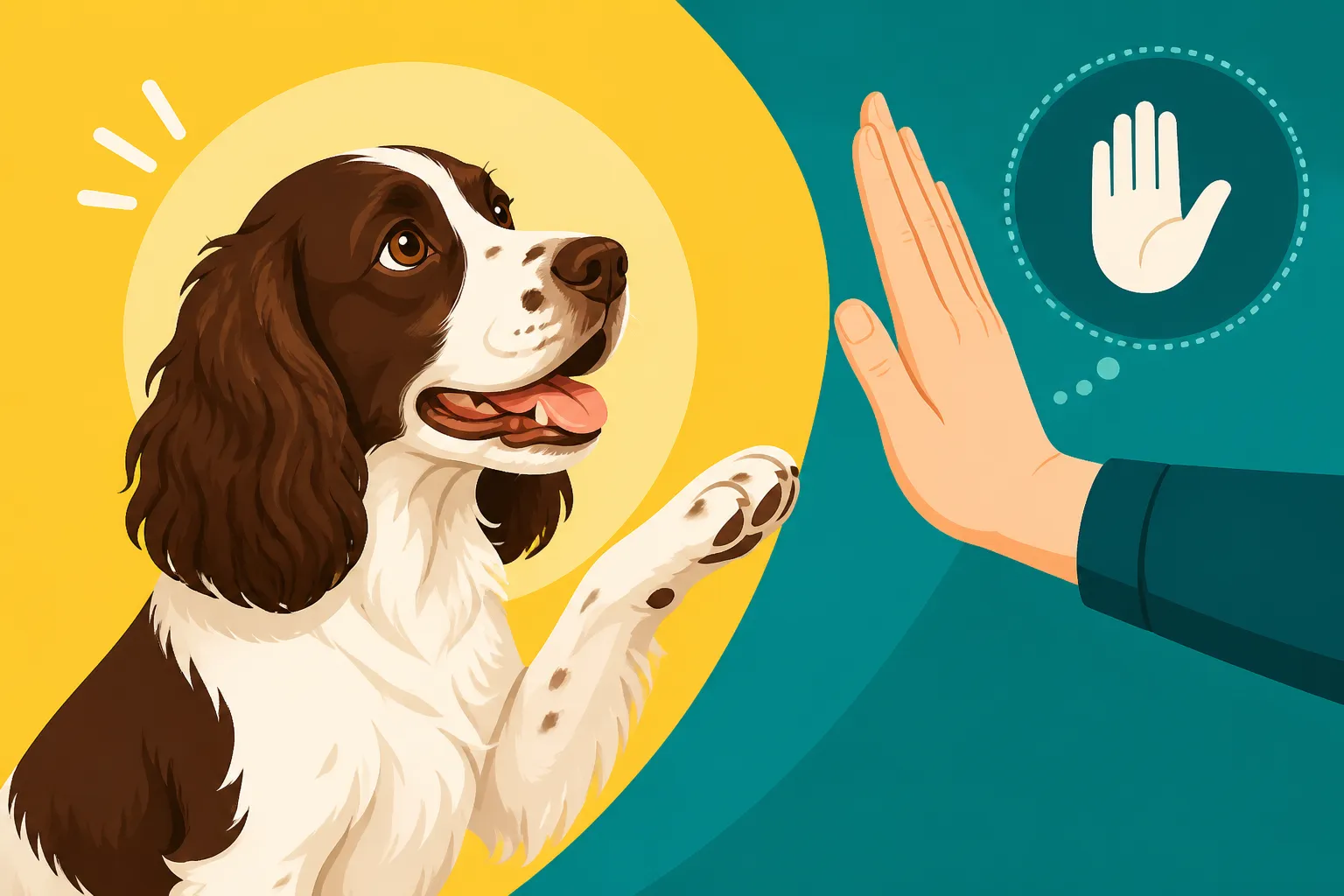
- "Stay": Once your Springer understands "sit," you can build on "stay." With your dog in a sit, show an open palm facing them (like a stop sign) and say "Stay." Take one small step back, then immediately return and reward. Gradually increase distance and duration. The hand signal is key here; it's a constant visual reminder for them to hold their position.
- "Come": This is arguably the most crucial command. Use a large, sweeping motion with your arm towards your body, or clap your hands together, while saying "Come!" Always make "come" a positive experience with high-value rewards. This signal is fantastic for reinforcing Whether a Springer Spaniel's Recall Can Be Trusted, especially if they're distracted by a scent or another dog.
- "Down": Similar to "sit," use a treat to lure your dog into a down position, moving it from their nose towards the floor and slightly forward. As they lie down, give your chosen hand signal (often a flat hand sweeping downwards, or pointing to the ground) and say "Down." Reward instantly.
- "Heel": This one is about walking politely by your side. A common hand signal is patting your leg, indicating where you want them to be. Practice in a quiet area, rewarding them for staying close. For owners seeking comprehensive, step-by-step guidance on these foundational commands, online resources like BAXTER & Bella offer detailed video tutorials that often integrate hand signals from the outset, ensuring consistency in your training approach. They break down the process in a way that’s easy to follow for both you and your smart Springer. Remember, our Springers are sensitive souls; The Soft Springer Spaniel That Shuts Down If You Shout means positive, clear communication, including hand signals, is always the best route.
Advanced Cues for the Working or Sporty Springer
For those Springer Spaniels involved in hunting, field trials, agility, or even just extensive off-leash adventures, advanced hand signals become incredibly powerful. They transform your dog into an extension of your will, capable of executing complex tasks from a distance.
- "Go Back" / "Over": These directional commands are fundamental for sending your dog on a retrieve, guiding them through cover, or casting them across a field. A common signal for "go back" is an arm extended forward, pointing in the direction you want them to go. For "over" (left/right), your arm swings across your body in the desired direction. These signals allow you to direct your dog to a specific area, even if they can't see the object you want them to retrieve, relying solely on your guidance. This is crucial for situations like blind retrieves where the dog hasn't seen the fall.
- "Mark": This signal, often a raised finger or a simple pointing gesture, helps your dog focus on where game or a bumper has fallen. You use it the moment the object goes down, helping them to "mark" the fall visually before you send them for the retrieve. It teaches them to pay close attention to the trajectory of thrown objects.
- "Whoa" / "Stop": Unlike a "stay" which implies holding a position where they are, "whoa" (often an open palm raised or a sharp horizontal hand motion) commands them to stop immediately, wherever they are, and remain standing or sitting until released. This is vital for safety in the field, preventing them from flushing game too far out or running into hazards. It’s a critical control command for any working dog, ensuring Teaching a Springer Spaniel to Stay in Range and that they don't charge ahead indiscriminately. Many owners find robust, high-visibility training dummies and whistles essential for practicing these commands, and you can find a wide range of options on platforms like Amazon.
Mastering the Art of Hand Signal Training
Teaching hand signals isn't just about showing your dog a gesture; it's a process that requires thought, consistency, and a deep understanding of how your Springer learns. It's about building a language, not just memorizing a few signs.
The Power of Association: Voice and Hand in Tandem
When you first introduce a hand signal, the most effective method is to pair it directly with a verbal command your dog already knows. For instance, if your Springer reliably sits on the verbal cue "Sit," then as you say "Sit," simultaneously give your chosen hand signal for "sit." The sequence should always be: verbal command + hand signal + action + reward. This creates a strong association in their mind. They connect the new visual cue with the familiar sound and the desired behavior.
After many repetitions, once your dog consistently performs the action with both cues, you can start to "fade" the verbal command. Begin by slightly delaying the verbal cue, giving the hand signal first. If they respond to the hand signal alone, great! Reward heavily. If they hesitate, then give the verbal cue as a prompt. Over time, your Springer will learn to respond primarily to the hand signal, with the verbal command becoming an optional backup. Remember, consistency is absolutely paramount. Ensure everyone in the household uses the exact same hand signal for the same command. Even slight variations can confuse a dog, making the learning process longer and more frustrating for everyone involved.
Reinforcement, Repetition, and Realistic Expectations
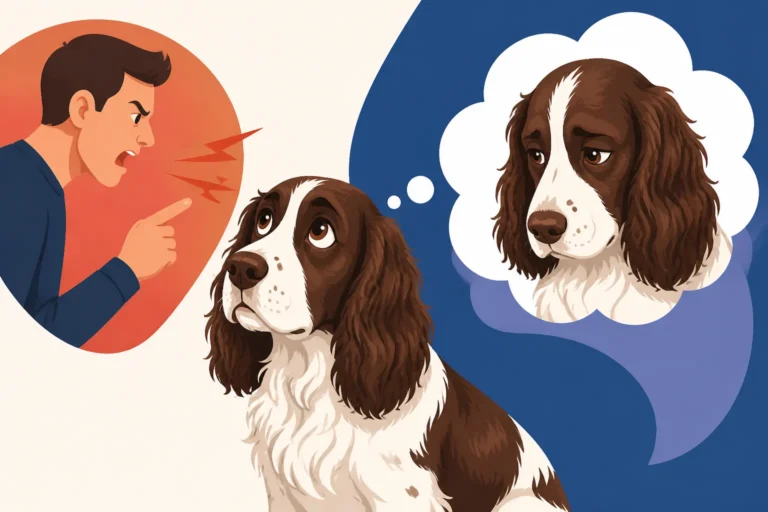
Our Springers are smart; How Fast a Springer Spaniel Learns can be quite impressive. However, learning takes time, and consistency is the bedrock of success. Positive reinforcement is the only way to go. Every correct response to a hand signal, no matter how small or hesitant, should be met with immediate praise, a tasty treat, or a favorite toy. This builds a strong positive association and encourages them to offer the behavior again. Avoid any harsh corrections or scolding, as this can shut down your sensitive Springer and make them less willing to try. Whether a Springer Spaniel Recovers From Rough Handling is a serious consideration – they thrive on gentle encouragement.
Training sessions should be short, engaging, and fun. Five to ten minutes, several times a day, is far more effective than one long, tedious hour. Springers have an amazing ability to focus when engaged, but their energy means they can also get overstimulated or bored if sessions drag on. Keep it upbeat, end on a positive note, and always leave them wanting more. Don't expect perfection overnight. Some days your Springer will be brilliant, others they might seem to "forget" everything. That's perfectly normal! Just go back to basics, simplify the task, and celebrate every small success.
Common Hurdles and How to Overcome Them
While Springer Spaniels are generally quick to pick up new commands, training hand signals isn't always a straight line. You'll likely encounter a few bumps along the road, but with patience and understanding, you can navigate them effectively.
Battling Distractions and Maintaining Focus
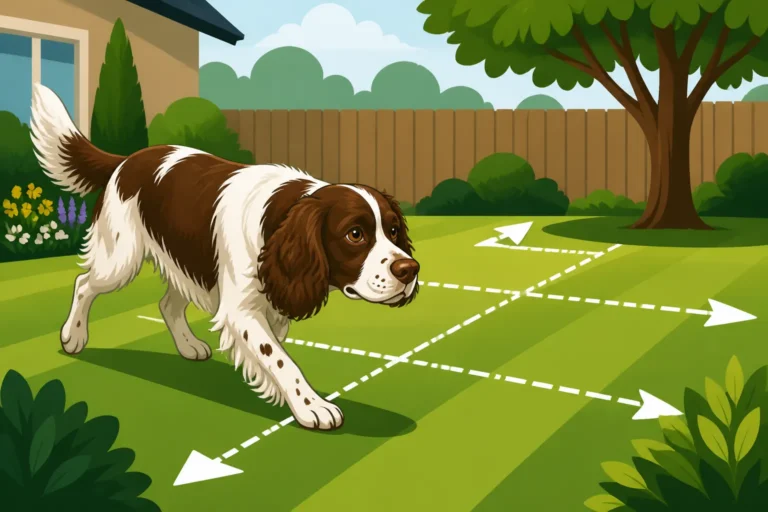
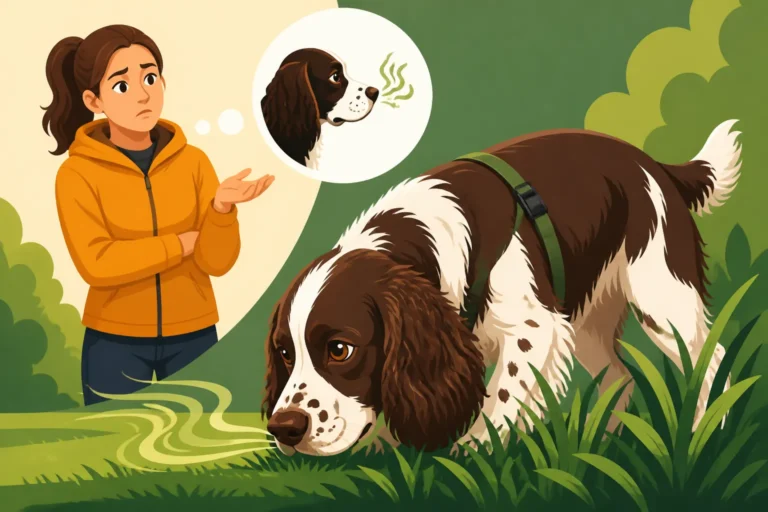
This is perhaps the biggest challenge for any high-drive dog like a Springer. Their incredible nose and boundless curiosity mean they are easily distracted by intriguing scents, squirrels, other dogs, or new people. Why a Springer Spaniel Puts Its Nose to the Ground and Vanishes is a testament to their powerful olfactory senses, which can easily override visual cues or even your voice.
To combat this, start training in a completely distraction-free environment, like your quiet living room. Once your Springer reliably responds to hand signals there, gradually introduce minor distractions. Practice in your backyard, then a quiet park, eventually moving to busier areas. Each time you increase the level of distraction, you might need to go back to pairing the hand signal with the verbal command, or even making the reward extra special. The key is to set your dog up for success, ensuring the distractions are manageable enough that they can still focus on you. Using a long line in open areas can also provide a safety net while you practice, ensuring they don't take off after a scent when you're still working on perfecting their responsiveness to your signals at a distance.
When Signals Go Sideways: Troubleshooting and Re-teaching
There will be times when your Springer seems to ignore a hand signal they previously mastered, or performs a different behavior entirely. Don't get discouraged! This is often an indication that something in the training process needs a slight tweak.
One common issue is "cue drift," where your hand signal might have subtly changed over time, making it less clear to your dog. Go back and review your signal: Is it consistent? Is it clear and distinct from other signals? Another reason could be a lack of "proofing," meaning the dog has only learned the command in one specific context. They might sit perfectly on a hand signal in your kitchen, but struggle in the park because they haven't generalized the command to new environments.
If your Springer is struggling, go back to basics. Return to a distraction-free environment, make your hand signal super clear, pair it with the verbal command, and make the rewards irresistible. Break the command down into smaller steps if necessary. Sometimes, simply taking a break from that specific command for a day or two and then reintroducing it with renewed enthusiasm can make a world of difference. Remember, training is a conversation, and if your dog isn't understanding, it's usually because we haven't explained it clearly enough. How Many Whistle Cues a Springer Spaniel Learns is often directly related to the clarity and consistency of the handler's delivery, and the same applies to hand signals.
Here's a quick look at some common signals and their benefits:
| Verbal Command | Common Hand Signal | Primary Benefit | When It's Most Useful |
|---|---|---|---|
| Sit | Open palm, hand down | Immediate control, calm, focus | Greeting visitors, waiting for food, public places |
| Stay | Open palm facing dog | Holds position, manages excitement | Door etiquette, photos, waiting in car |
| Come | Sweeping arm, clapping | Recall, safety, urgent return | Off-leash areas, avoiding hazards, lost attention |
| Down | Flat hand sweeping down | Ultimate calm, extended stay, relaxation | Vet visits, long waits, crowded areas |
| Heel | Patting leg | Polite walking, focus | Leash manners, crowded sidewalks, formal settings |
| Go Back/Out | Arm extended forward | Directional guidance, retrieve at distance | Field work, fetching, guiding around obstacles |
| Whoa/Stop | Open palm raised/horizontal | Immediate halt, safety in motion | Preventing running into danger, flushing game |
Whether you're looking to gain better control in daily life or enhance your Springer's performance in activities like hunt tests or agility, mastering hand signals is a rewarding journey for both you and your canine partner. It deepens your bond and transforms communication into a seamless, often silent, art.
Disclaimer
This article is for general informational purposes only and does not constitute professional advice. Laws, prices and regulations vary by location and change over time. Consult a qualified professional for guidance on your specific situation.