Whether a Springer Spaniel Suits a Cyclist
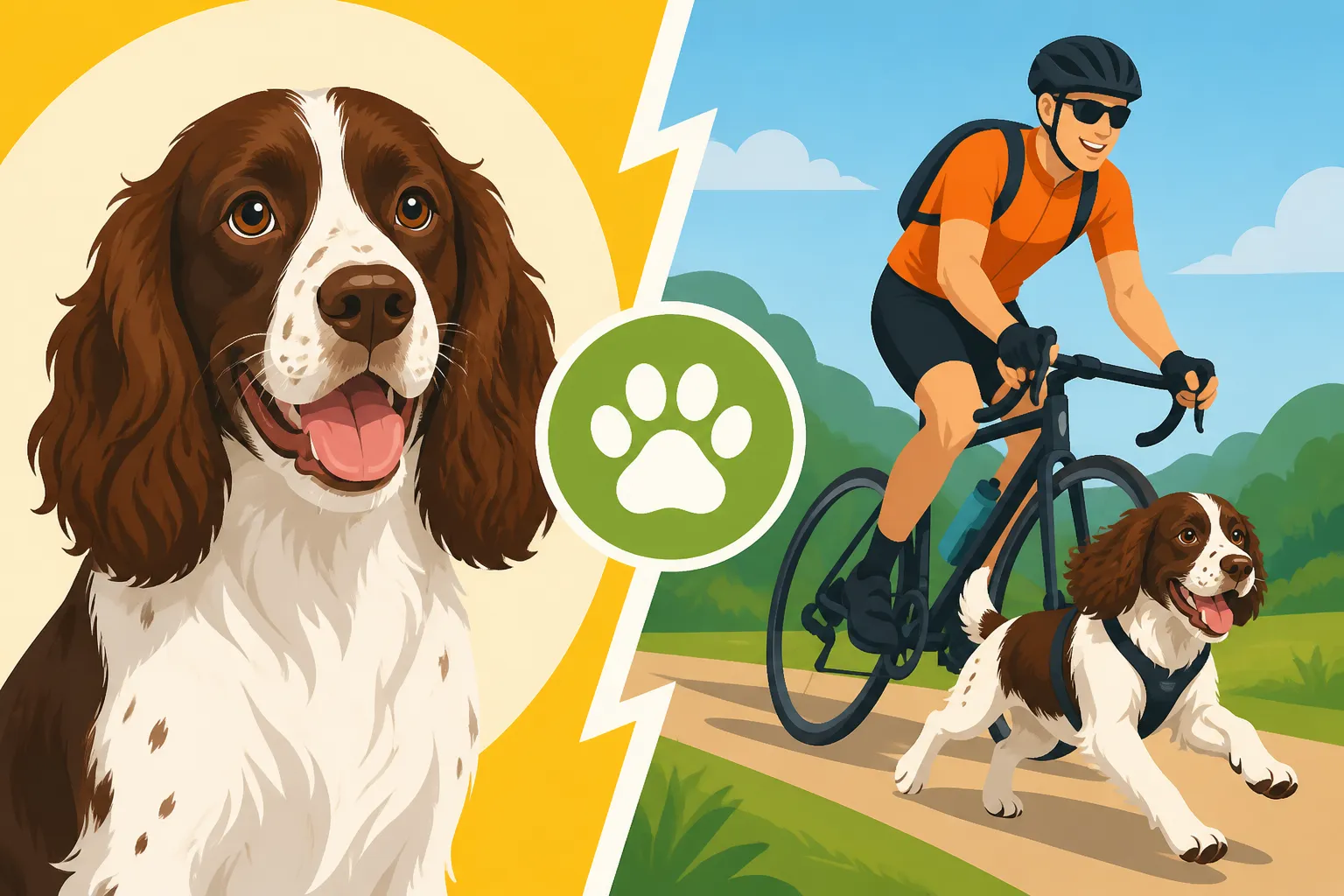
Many of us dream of hitting the open road or a winding trail with our beloved Springer Spaniel trotting happily beside us, the wind in their ears, and a shared sense of adventure. However, the reality of cycling with such an energetic and instinct-driven breed can be a complex endeavor, fraught with both exhilarating highs and potential frustrations. This guide will walk you through the unique considerations, training essentials, and practical realities of whether your Springer Spaniel truly makes a good cycling partner, helping you decide if this activity is a safe and enjoyable fit for both of you.
The Springer Spaniel's Drive: A Double-Edged Sword for Cyclists
Springer Spaniels are renowned for their boundless energy, intelligence, and a deep-seated desire to work. These traits, while wonderful for their intended purpose as gundogs, present both opportunities and challenges when considering them as cycling companions.
Understanding the Breed's Energy and Instincts
A Springer Spaniel's energy isn't just about speed; it's about endurance and an insatiable curiosity, especially when it comes to scent. These dogs were bred to "spring" game, flushing birds from cover, and then retrieving them. This means they possess a high prey drive and an incredible nose that can easily override any training in the face of an enticing smell. Imagine cycling along a picturesque path, only for your Springer to suddenly slam on the brakes, nose to the ground, pulling hard to investigate a squirrel's recent passage or a bird's scent. This isn't disobedience; it's instinct. Their stamina is remarkable; they can cover miles and miles without tiring, which on the surface, makes them seem like ideal partners for long rides. However, this same drive means they need consistent, stimulating exercise, and cycling might be one way to provide it, but it needs to be managed carefully. Their desire to be constantly engaged means that simply running alongside a bike might not be enough mental stimulation for them, leading to frustration or unpredictable behavior if not paired with other forms of enrichment. You can learn more about their daily needs in The Daily Routine a Springer Spaniel Actually Needs.
Field vs. Show Lines: Different Energy Levels
It’s crucial to understand that not all Springer Spaniels are created equal, especially when it comes to their energy and drive. The breed has notably diverged into two distinct types: field-bred and show-bred. While both are undeniably Springers, their inherent characteristics can make a world of difference for a cycling enthusiast.
Field-bred Springer Spaniels, often leaner, more athletic, and with shorter coats, are bred primarily for their working ability in the field. They possess an extremely high energy level, an intense prey drive, and an almost relentless desire to be active. For a field-bred Springer, a leisurely bike ride might feel more like a warm-up than a full workout. Their focus is often laser-sharp on scents and movement, which means keeping their attention solely on the cycling task can be incredibly challenging. They are built for speed and endurance, making them physically capable of long distances, but their mental wiring means they're constantly scanning for potential "game." This can lead to sudden, powerful lunges, unexpected changes in direction, and a strong pull on the leash, which could easily cause an accident for a cyclist. How Much Exercise a Field Bred Springer Spaniel Needs covers just how much activity these dogs truly require.
Show-bred Springer Spaniels, on the other hand, tend to be heavier-boned, with a thicker, longer coat, and are bred for conformation to the breed standard in the show ring. While still energetic and requiring significant exercise, their drive is generally less intense than their field-bred cousins. They might be more amenable to a consistent pace and less prone to bolting after every scent. Their overall temperament is often described as calmer, making them potentially more manageable on a bike. However, "calmer" for a show Springer still means a dog that needs substantial activity, and a well-conditioned one can certainly keep up with a cyclist. Understanding Two Breeds Registered as One: the Field and Show Springer Spaniel is vital for any potential owner or activity partner. Regardless of the lineage, neither type is inherently a "couch potato," and both will require careful training and conditioning before attempting to cycle with them.
Essential Considerations Before Cycling with Your Springer
Deciding to cycle with your Springer Spaniel isn't a spur-of-the-moment decision. It requires thorough preparation, consistent training, and the right equipment to ensure the safety and enjoyment of both you and your canine companion.
Training for a Safe Cycling Experience
Before your Springer's paws ever hit the pavement alongside your bike, foundational obedience is not just recommended, it's absolutely non-negotiable. Your dog must possess a rock-solid understanding of basic commands, especially "stay," "heel," "leave it," and a bulletproof recall. Imagine you're cycling, and a rabbit darts across the path; if your Springer's "leave it" isn't absolute, you're both in for a dangerous surprise. Whether a Springer Spaniel's Recall Can Be Trusted is a critical read in this context.
Leash Manners: Your Springer needs to walk (and eventually run) politely on a leash without pulling, even when distractions abound. This isn't just about comfort; it's about control. A dog that constantly pulls on a leash attached to a bicycle is a recipe for disaster. Practice walking them beside your bike, with the bike not moving, then slowly introducing movement. This desensitization process is crucial.
Desensitization to the Bicycle: Many dogs are naturally wary of bikes, especially the whirring wheels, pedals, and the sheer size. Start by simply having the bike present during training sessions and walks, allowing your Springer to sniff and get comfortable with it. Gently push the bike while walking your dog on a loose leash, rewarding calm behavior. Gradually increase speed, always prioritizing your dog's comfort and confidence. This slow, positive introduction builds trust and helps your dog associate the bike with pleasant experiences, not fear or anxiety.
Advanced Commands for Cycling: Beyond the basics, consider commands like "slow," "wait" (for intersections or sudden stops), and "right/left" for directional cues. These commands will make your rides smoother and safer. Resources like BAXTER & Bella offer online training programs that can guide you through building strong obedience foundations from the comfort of your home, which can be invaluable before tackling an activity as dynamic as cycling. Their structured approach can help you teach those vital commands and desensitize your dog effectively.
Equipment for Canine Cycling Safety
The right gear can make all the difference between a fun outing and a frustrating or even dangerous one. Investing in appropriate equipment is paramount for both your safety and your Springer's well-being.
Hands-Free Bike Leashes: This is arguably the most important piece of equipment. Never, ever, hold your dog's leash in your hand while cycling. A sudden tug could send you sprawling. Hands-free bike leashes, like those found readily on Amazon, attach securely to the frame of your bike, often with a spring-loaded arm that absorbs sudden movements. This keeps your dog at a safe distance from the wheels and prevents them from getting tangled, while also keeping your hands free for steering and braking. Look for models that have a quick-release mechanism in case of an emergency.
Harness, Not Collar: Always use a well-fitting, comfortable harness for your Springer Spaniel when cycling. A collar can put immense pressure on their trachea if they pull or stop suddenly, potentially causing injury. A harness distributes pressure more evenly across their chest and shoulders, allowing for better control and reducing the risk of harm. Ensure the harness allows for a full range of motion, especially for their shoulders, to prevent chafing or restriction during extended periods of running.
Paw Protection: Depending on the terrain and distance, your Springer's paws can take a beating. Hot asphalt, sharp gravel, or rough trails can lead to abrasions, blisters, or worse. Dog boots are an excellent investment, especially for longer rides or challenging surfaces. Introduce them gradually at home, making them a positive experience with treats, long before you expect your dog to wear them on a bike ride. Additionally, a paw balm or wax can help toughen pads and provide a layer of protection. Don't forget to check your Springer's feet thoroughly after any activity; Checking a Springer Spaniel's Feet After Working is crucial.
Visibility Gear: If you plan to cycle during dawn, dusk, or in low-light conditions, high-visibility vests for your Springer and reflective gear for both of you are essential. Lights on your bike are a given, but a small, clip-on LED light on your dog's harness can further enhance their visibility to others.
Environmental Factors and Your Dog's Well-being
Cycling isn't just about the mechanics; it's about the environment you're in and how it impacts your Springer Spaniel.
Weather Conditions: Springers, especially those with thicker coats, can overheat quickly. Avoid cycling during the hottest parts of the day or in high humidity. Early mornings or late evenings are often best. Always carry plenty of water for both of you, and take frequent breaks in the shade. Watch for signs of overheating: excessive panting, drooling, lethargy, or a bright red tongue. If you see these signs, stop immediately and cool your dog down. Conversely, extremely cold or icy conditions can be hard on paws and lead to hypothermia, particularly if your dog gets wet.
Terrain and Surface: Consider the ground you'll be covering. Paved roads can be hard on joints and paws, especially for long distances. Dirt trails or grassy paths are generally softer and kinder to their bodies. However, these natural environments also come with their own hazards: sharp sticks, thorns, foxtails (grass awns), and uneven surfaces that could cause trips or sprains. Burrs, Ticks and Grass Awns in a Working Springer Spaniel is a must-read for anyone taking their dog into natural settings. Be mindful of areas with heavy traffic, broken glass, or other urban dangers that could harm your dog's paws or put them in harm's way.
Wildlife and Distractions: As discussed, a Springer Spaniel's natural instincts are powerful. Cycling through areas rich in wildlife (squirrels, rabbits, birds) will present a constant challenge to their focus. Even the most well-trained Springer might struggle to ignore a darting deer. Plan your routes to minimize these temptations, especially in the early stages of training. If a route offers too many "flushing opportunities," it might not be suitable for cycling with your particular dog. This is where a strong "leave it" command and your constant vigilance become critically important.
The Realities of Cycling with a Springer Spaniel
Even with the best intentions and meticulous preparation, cycling with a Springer Spaniel comes with its own set of realities that you need to be prepared for. It's not always the serene, effortless experience depicted in outdoor magazines.
Managing Enthusiasm and Distractions on the Trail
The moment you start moving, a Springer Spaniel's enthusiasm often kicks into high gear. They love to run, they love to explore, and they absolutely love being with you. This energy is wonderful, but it needs channeling. That powerful prey drive means any sudden movement from a squirrel, rabbit, or bird can trigger an immediate, instinctive chase response. This isn't your dog being naughty; it's simply them being a Springer. If they are attached to your bike, a sudden lunge can easily throw you off balance, leading to a fall for both of you. This is why consistent, ongoing training of commands like "leave it" and "heel" is so vital, even after you've started cycling together.
You'll need to be hyper-aware of your surroundings, scanning not just for obstacles for yourself, but for potential distractions for your dog. Anticipate where wildlife might appear, or where tempting scents might lead them astray. Sometimes, a quick verbal cue or a gentle check on the hands-free leash attachment is enough to redirect their attention. Other times, you might need to come to a full stop and wait for them to calm down and refocus. This isn't about breaking their spirit or drive, but about teaching them that even when exciting things happen, staying by your side is the most rewarding choice. Remember, their nose overrides a lot – Why a Springer Spaniel Puts Its Nose to the Ground and Vanishes is a prime example of this instinct.
Physical Demands and Injury Prevention
Cycling is physically demanding for both human and dog. While Springers are bred for endurance, their bodies still have limits.
Joint Health: Repetitive impact on hard surfaces can be tough on a dog's joints, especially as they age. Conditions like Hip Dysplasia in a Springer Spaniel are unfortunately not uncommon in the breed, and high-impact activities can exacerbate such issues. It's crucial to build up distance and speed gradually. Start with short, slow rides on softer surfaces, then incrementally increase duration and intensity. Regular veterinary check-ups are essential to monitor their joint health. Consider discussing joint supplements with your vet, especially if your Springer is highly active; Joint Supplements for a Springer Spaniel can offer proactive support.
Paw Care: We've touched on this, but it bears repeating: paws are vulnerable. Even with boots, constant running on varying terrains can lead to wear and tear. Always check their paw pads before and after every ride for cuts, punctures, blisters, or embedded debris. Keep their nails trimmed short to ensure proper foot mechanics and prevent discomfort. A field-bred Springer Spaniel's pads are typically tougher, but all dogs benefit from regular inspection.
Hydration and Overheating: Your Springer will work harder than you think, especially when running alongside a bike. They can't tell you they're thirsty or tired. You must provide ample opportunities for water breaks. Carry a portable water bowl and plenty of fresh water. Watch for any signs of fatigue or overheating, and err on the side of caution. If your dog starts to lag, pant excessively, or struggles to keep pace, it's time to stop and rest.
When Cycling Isn't the Right Fit
It's important to be honest with yourself about whether cycling is genuinely a good activity for your individual Springer Spaniel. Not every dog, even within a high-energy breed, is suited to every activity.
Behavioral Challenges: If your Springer has significant leash reactivity, an uncontrollable prey drive despite extensive training, or severe anxiety around moving objects, cycling with them might be too risky. Trying to force the issue can lead to accidents, reinforce negative behaviors, and create a stressful experience for both of you. For some dogs, the combination of speed, noise, and external stimuli is simply too overwhelming.
Physical Limitations: Just like humans, dogs can have underlying health conditions that make cycling unsuitable. Older Springers with arthritis, dogs recovering from injuries, or those with cardiovascular issues should not be subjected to the demands of keeping pace with a bicycle. Always consult your veterinarian before starting any new strenuous exercise regimen with your dog.
Alternative Exercise Options: If cycling proves not to be the best fit, remember that there are countless other ways to provide your Springer Spaniel with the physical and mental stimulation they crave. Long hikes (covered in How Far a Springer Spaniel Can Hike), vigorous games of fetch or retrieve, scent work, agility, or even organized gundog training can all be excellent outlets for their energy and intelligence. Whether a Springer Spaniel Needs a Job truly highlights their need for purpose. The goal is to provide a fulfilling life for your dog, and sometimes that means adapting your activity choices to their specific needs and temperament, rather than forcing them into a mold that doesn't quite fit.
Remember, a happy and healthy Springer Spaniel is one whose physical and mental needs are met, regardless of the specific activity.
| Aspect | Pros of Cycling with a Springer Spaniel | Cons of Cycling with a Springer Spaniel |
|---|---|---|
| Energy Output | Excellent way to burn off immense Springer energy. | Requires very high endurance from the dog; can lead to overexertion. |
| Bonding | Shared activity strengthens the human-canine bond. | Frustration from distractions can strain the relationship. |
| Training | Reinforces advanced obedience and focus. | Demands perfect recall and "leave it"; mistakes can be dangerous. |
| Physical Health | Builds stamina and maintains a healthy weight. | High impact on joints, potential for paw injuries. |
| Mental Stimulation | New sights, sounds, and scents offer enrichment. | High prey drive can lead to uncontrollable lunges and distraction. |
| Safety | Controlled exercise in varied environments. | Risk of accidents (falls, collisions) due to sudden movements or distractions. |
| Equipment | Hands-free leash systems promote safer handling. | Requires specific gear (harness, boots) to prevent injury. |
| Suitability | Can be a fantastic activity for the right Springer and prepared owner. | Not suitable for all Springers; requires significant owner commitment. |
Ultimately, while a Springer Spaniel can be a cycling companion, it takes a unique blend of their inherent traits, your dedicated training, and a deep understanding of their needs to make it a safe and joyful experience for both of you. It's a journey, not a sprint, and there will be learning curves. Be patient, be prepared, and always prioritize your beloved dog's well-being.
Disclaimer
This article is for general informational purposes only and does not constitute professional advice. Laws, prices and regulations vary by location and change over time. Consult a qualified professional for guidance on your specific situation.