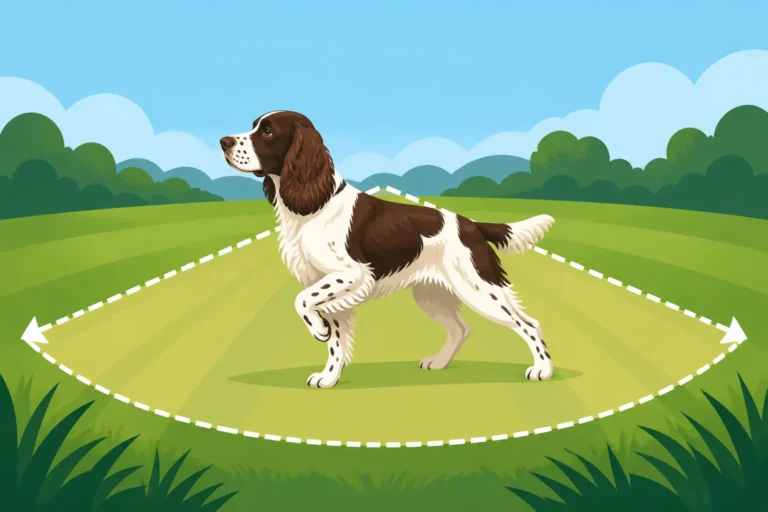
Whether a Show Springer Spaniel Gets Bored Easily
It's a common misconception that because a show-bred English Springer Spaniel often has a calmer demeanor than its field-bred cousin, it somehow requires less mental or physical engagement. The truth is, any Springer Spaniel, regardless of its lineage, is a highly intelligent, active breed, and a bored show Springer can quickly become a destructive, anxious, or vocal handful. This guide will delve into the unique needs of the show Springer Spaniel and provide actionable strategies to ensure your beloved companion leads a fulfilling, stimulated life, free from the woes of chronic boredom.
Understanding the Show Springer Spaniel's Energetic Needs
Many people assume a "show dog" just needs to look pretty and walk nicely on a leash. While a show Springer Spaniel is certainly bred for conformation to the breed standard, with a focus on appearance, structure, and a biddable temperament for the ring, this doesn't erase their inherent spaniel drive. They might not possess the relentless, high-octane energy of a field trial champion, but they are far from couch potatoes.
The Gentle Giant Myth: Unpacking Their Energy Levels
The show Springer Spaniel often presents a more sedate, perhaps even regal, image compared to the more lean and often frenetic field lines. Their larger bone structure and heavier coat can sometimes give the impression of a more laid-back dog. However, beneath that beautiful feathered coat beats the heart of a working spaniel. They were still developed to "spring" game, to quarter, flush, and retrieve, even if their current purpose is the show ring. This means they still have an innate desire to be active, to use their nose, and to be a part of their human's activities. They might not need to run for miles every day, but a brisk walk on the leash and plenty of playtime in the yard are absolute musts. Owners often find themselves surprised by the burst of speed and agility a show Springer can display when the mood strikes, or a squirrel dashes across the path. You might think your show dog is calm, but they still need outlets for their natural instincts. To truly understand the exercise differences, you might want to look into How Much Exercise a Show Bred Springer Spaniel Needs compared to How Much Exercise a Field Bred Springer Spaniel Needs.
Innate Drives That Require Outlets
Even without a pedigree steeped in field championships, a show Springer Spaniel retains many of the core instincts that define the breed. They love to carry things in their mouth, whether it's a favorite toy, a retrieved slipper, or even just a leaf they found on a walk. Their powerful noses are still hardwired for scent work, and denying them opportunities to use this incredible tool can lead to frustration. Think about it: a dog's primary way of experiencing the world is through smell. If their environment is always sterile and predictable, it's like living in a silent, colorless room for us. They also thrive on companionship and purpose. Being left alone without interaction or stimulation for long periods can be particularly tough for such a people-oriented breed. It's not uncommon for a show Springer to follow you from room to room, just wanting to be near, a behavior sometimes explored in Why a Springer Spaniel Follows You Everywhere. This constant desire for proximity can sometimes be mistaken for an inability to be alone, which can lead to behavioral issues if not addressed with proper enrichment.
Decoding the Signs of Boredom in Your Springer
Recognizing boredom in your Springer Spaniel is crucial before it escalates into more problematic behaviors. These aren't just quirky habits; they're often cries for more engagement and mental stimulation.
Destructive Chewing and Digging
One of the most obvious signs that your show Springer Spaniel is bored or under-stimulated is destructive behavior. This might manifest as chewing on furniture legs, gnawing on baseboards, or even tearing up cushions. It's not out of malice, but an attempt to self-soothe or to release pent-up energy and frustration. For a highly intelligent dog with powerful jaws, chewing provides both mental engagement and physical release. Similarly, if you find craters appearing in your yard, particularly around fences or under bushes, your Springer might be digging for entertainment or trying to escape a monotonous environment. These behaviors indicate a significant unmet need for activity and mental challenge. If you're struggling with this, the article Whether a Bored Springer Spaniel Destroys Things offers more insights, as does Whether a Springer Spaniel Chews Furniture.
Excessive Barking, Whining, or Pacing
A bored Springer Spaniel might also become excessively vocal. Constant barking, whining, or even howling, especially when left alone, can be a clear indicator of boredom or separation anxiety. They might be trying to get your attention, express their frustration, or simply alleviate the quiet monotony of their day. Pacing back and forth, circling, or exhibiting restless behavior without settling down are other tell-tale signs. This isn't just "being energetic"; it's often a sign of underlying anxiety or an inability to self-regulate due to a lack of appropriate outlets. A dog that is truly content and stimulated will often settle calmly when not actively engaged. For more on related issues, you might find Separation Anxiety in a Springer Spaniel helpful.
Disinterest and Lethargy
Paradoxically, boredom can also manifest as lethargy or disinterest. A Springer Spaniel who is constantly under-stimulated might seem less enthusiastic about walks, playtime, or even their meals. They might sleep more than usual, appear withdrawn, or simply lack their characteristic spark and exuberance. This isn't laziness; it's a sign of a dog giving up on seeking stimulation because their efforts haven't been met. It's a sad state for such a naturally joyful and engaged breed. It's important to rule out any underlying health issues with your vet if you notice a sudden change in energy levels, but if given a clean bill of health, it's worth considering their mental environment.
Crafting an Enriched Life: Practical Boredom Busters
The good news is that combating boredom in your show Springer Spaniel doesn't require turning them into a field champion. It's about providing consistent, varied physical and mental stimulation tailored to their individual needs.
Structured Play and Exercise Routines
Even a show Springer needs consistent physical activity. Aim for at least 60-90 minutes of dedicated exercise daily, broken into multiple sessions. This can include brisk walks, jogging (if your vet approves and they're old enough), fetch, or even off-leash exploration in a safe, fenced area. Varying your walking routes, introducing new smells, and letting them sniff and explore naturally on a long line can be incredibly stimulating. Remember, a walk isn't just about covering distance; it's about sensory enrichment. Engage in interactive play like hide-and-seek with toys or a game of chase in the yard. Consistency is key, but so is variety to prevent the routine itself from becoming boring. Consider what The Daily Routine a Springer Spaniel Actually Needs might look like for your dog.
Mental Stimulation and Puzzle Power
This is where you can truly tap into your Springer's intelligence and natural drives. Mental exercise can be just as tiring, if not more so, than physical exercise.
- Puzzle Toys and Interactive Feeders: These require your dog to problem-solve to get their food or treats. Brands like Kong, Nina Ottosson, and Snuffle Mats (which you can find readily on Amazon) are excellent for this. They turn mealtime into a game, slowing down eating and engaging their brains.
- Scent Games: Hide treats or toys around the house or yard and encourage your Springer to find them using their nose. Start easy and gradually increase the difficulty. This taps directly into their natural spaniel instincts. For more on this, check out Whether Scent Games Tire a Springer Spaniel.
- Training Sessions: Even if your dog has mastered basic obedience, learning new tricks, practicing advanced commands, or even taking an online obedience class can provide immense mental stimulation. Platforms like BAXTER & Bella offer comprehensive online training programs that can challenge your dog and strengthen your bond. These aren't just for puppies; adult dogs thrive on learning too.
- Chew Toys: Provide a variety of durable chew toys. Chewing is a natural, stress-relieving activity for dogs and can keep them occupied for extended periods. Rotate toys to keep them novel and exciting.
Here's a quick reference guide for boredom-busting activities:
| Category | Activity | Benefits | Frequency |
|---|---|---|---|
| Physical Exercise | Brisk Walks / Jogging | Cardiovascular health, energy release | Daily (2x 30-45min) |
| Fetch / Tug-of-War | Interactive play, bonding, muscle building | Daily | |
| Off-Leash Play (safe area) | Freedom to explore, natural running | Several times/week | |
| Mental Stimulation | Puzzle Feeders / Snuffle Mats | Problem-solving, slows eating, mental fatigue | Daily meal times |
| Scent Games (Find the Treat) | Utilizes natural instincts, deep engagement | Daily or every other day | |
| New Tricks / Obedience Training | Builds confidence, strengthens bond, cognitive | Daily (short sessions) | |
| Durable Chew Toys | Stress relief, dental health, independent play | Constantly available | |
| Social Interaction | Dog Park / Play Dates | Social skills, peer play (if appropriate) | Weekly |
| Quality Time with Owner | Affection, security, bonding | Daily |
Enrichment Through Grooming and Sensory Experiences
While it might seem counterintuitive, even grooming can be an enriching experience for your show Springer. The longer, more luxurious coat of a show-bred Springer often requires more frequent brushing and care. Turning these sessions into a calm, bonding experience, complete with gentle strokes and praise, can be very relaxing and mentally settling. Learning How Often a Show Springer Spaniel Needs Trimming can help you understand the routine care involved, which can become part of their daily positive interaction. Beyond that, consider safe sensory experiences: a dog-friendly splash pool in summer, a new textured blanket to nest in, or even a safe place to watch the world go by from a window. These subtle changes can make a big difference in preventing monotony. For more ideas on using toys, specifically, Whether Puzzle Toys Settle a Springer Spaniel is a great read.
Beyond the Bench: Integrating Purpose into Their Life
A show Springer Spaniel thrives on having a purpose, just like any working breed. If they're not actively competing in conformation, finding alternative ways to channel their intelligence and energy is paramount.
Canine Sports and Activities
Conformation is just one avenue for a Springer Spaniel. Many show-bred Springers excel in other canine sports, proving their versatility and intelligence.
- Obedience and Rally: These sports are fantastic for building focus, teamwork, and mental agility. They reinforce good manners and provide a structured outlet for your dog's desire to please. The precision and attention required are incredibly enriching.
- Agility: Navigating an obstacle course with their human is a thrilling challenge for a Springer. It combines physical exercise with complex problem-solving and strengthens the bond between dog and owner.
- Scent Work/Nose Work: Given their incredible noses, scent work is a natural fit. This sport allows dogs to use their primary sense to find specific odors, building confidence and providing immense mental satisfaction. Imagine the pure joy your Springer would get from truly "working" with their nose.
- Dock Diving or Canine Freestyle: If your Springer loves water or has a flair for performance, these fun, less formal sports can be great ways to burn energy and build confidence.
These activities don't just provide physical exercise; they offer mental challenges, build confidence, and give your dog a "job," which is incredibly important for their psychological well-being.
The Value of Regular Training and Novelty
Consistent, positive reinforcement training, even beyond formal classes, is essential for keeping a Springer Spaniel engaged. Instead of viewing training as a chore, think of it as ongoing communication and a mental workout. Five to ten minutes of training a few times a day can make a huge difference. Teach them new tricks, practice commands in new environments, or even work on a "place" command to help them settle. The key is to keep it fresh and engaging. Introduce new toys, rotate old ones, explore new walking trails, or even arrange playdates with well-matched dog friends. Novelty itself is a form of enrichment. A consistent routine is good, but predictability without any new experiences leads to boredom. Don't be afraid to experiment with different types of toys and activities. You can find a huge variety of options, from interactive feeders to durable chew toys, on Amazon.
Ultimately, your show Springer Spaniel may be bred for beauty, but their spirit is still deeply rooted in their working heritage. Neglecting their need for mental and physical stimulation is a recipe for a bored, frustrated dog and a stressed owner. By understanding their unique needs and implementing a rich, varied routine, you can ensure your elegant companion is not only stunning to look at but also happy, healthy, and well-adjusted.
Disclaimer
This article is for general informational purposes only and does not constitute professional advice. Laws, prices and regulations vary by location and change over time. Consult a qualified professional for guidance on your specific situation.