The Age a Springer Spaniel Finally Settles
Ah, the million-dollar question for every English Springer Spaniel owner: "When, oh when, will my dog finally calm down and act like a respectable adult?" It’s a common frustration, isn't it? You love their boundless energy, their goofy antics, and their unwavering enthusiasm, but sometimes you just want them to relax for more than five minutes. This guide is here to shed some light on the developmental stages of a Springer Spaniel and help you understand what "settling" really means for this lively breed, and how you can support your furry friend through each energetic phase.
Puppyhood Versus Adulthood: Understanding the Transition
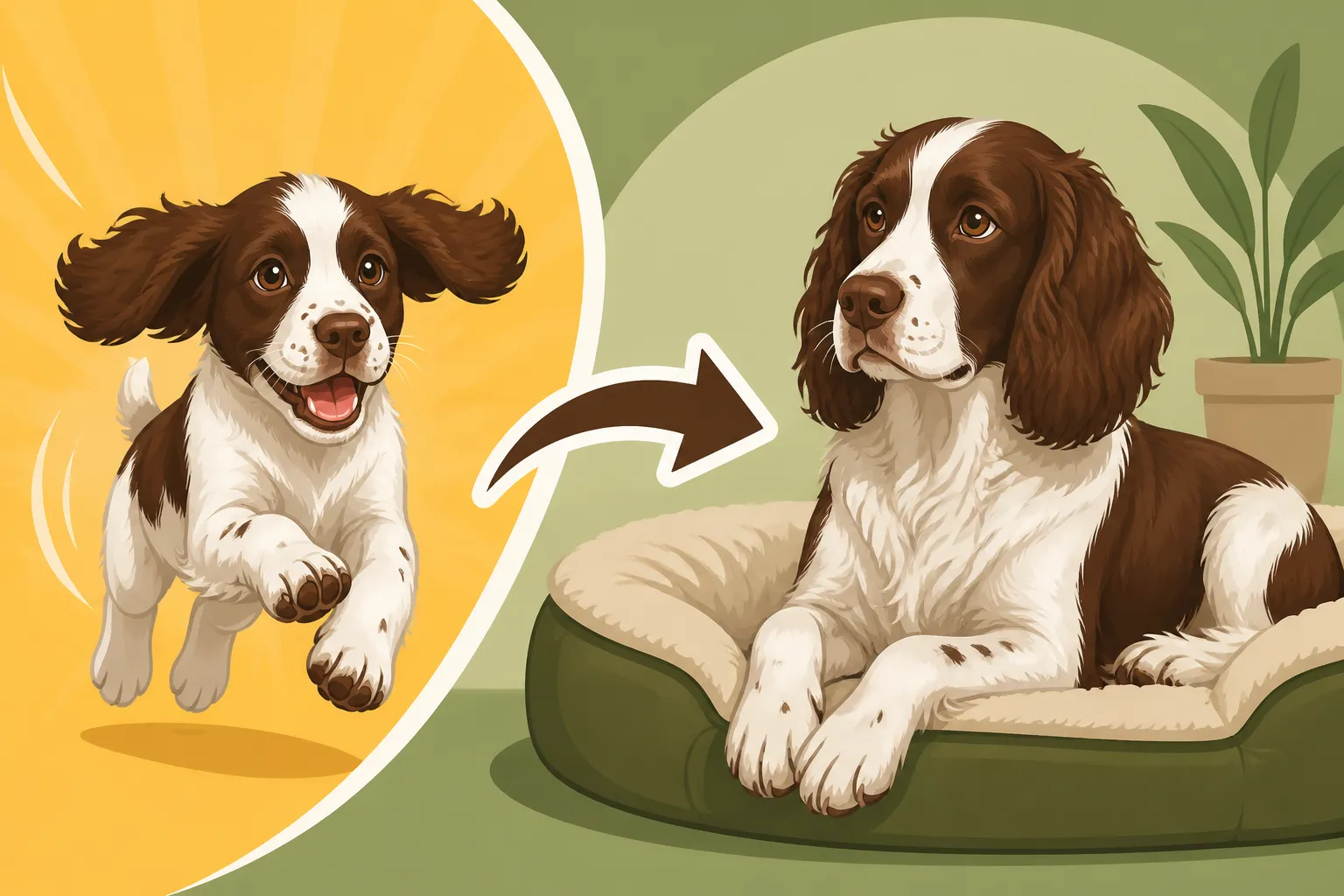
Bringing home a Springer Spaniel puppy is an exercise in delightful chaos. They’re adorable, yes, but they’re also tiny bundles of pure, unadulterated energy, curiosity, and mischief. It often feels like they have an internal motor that never truly switches off. This initial phase is crucial, but it's important to set realistic expectations for how long this high-octane behavior will last.
The Whirlwind of Puppy Energy
From the moment they open their eyes, Springer Spaniel puppies are learning machines, absorbing everything around them. Their puppy energy isn't just about running around; it's about exploring with their mouths, learning about bite inhibition with their littermates (and your hands!), and testing boundaries. You’ll see zoomies that come out of nowhere, followed by sudden crashes into sleep. They'll chew everything in sight, often regardless of whether it's a designated toy or your favorite slipper. This intense period of exploration and learning is normal for a young dog, especially a breed as intelligent and physically driven as a Springer. It's during this time that basic training, like house-training and crate training, often feels like a full-time job. Many new owners find themselves constantly redirecting, supervising, and sometimes just marveling at the sheer volume of energy packed into such a small body. If you're wondering what to expect during this period, our guide on The First Year With a Springer Spaniel Puppy offers even more insights.
Early Signs of Maturity
While true "settling" takes a good long while, you might start to see subtle shifts in behavior as your Springer puppy approaches six months to a year old. They might begin to sleep more soundly through the night, or be able to entertain themselves for slightly longer periods without constant human interaction. Their house-training should be well-established, and they might start showing more consistent responses to basic commands. These aren't signs they're "settled" in the way an older dog might be, but rather indicators that they're graduating from the most intense, demanding phase of puppyhood. They're still incredibly active and require significant exercise and mental stimulation, but the frantic, sometimes overwhelming, puppy exuberance might start to temper just a touch. Think of it as moving from kindergarten to elementary school – still full of energy, but with a bit more structure and self-control.
The "Teenage" Springer Spaniel: Navigating Adolescence
Just when you think you’ve got a handle on things, your Springer Spaniel hits adolescence. This can be one of the most challenging, and often exasperating, phases for owners. They're no longer cute, tiny puppies, but they haven't quite reached the steady maturity of an adult dog either. It's a bit like living with a human teenager – full of hormones, testing boundaries, and sometimes seemingly forgetting everything they ever learned.
The Adolescent Surge
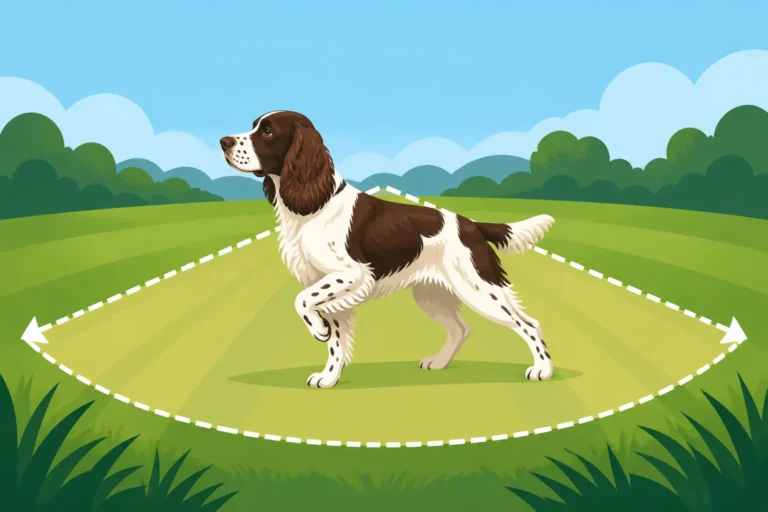
Typically, Springer Spaniels enter adolescence between six months and two years of age. This period is marked by a resurgence of energy, often coupled with a selective hearing problem that can make you wonder if you've done any training at all. You might notice they suddenly "forget" their recall, or become incredibly distracted by scents and sights on walks. Hormonal changes play a huge role here, whether they are spayed or neutered or not. Their bodies are growing rapidly, their minds are maturing, and they are trying to figure out their place in the world. This is when a Springer's natural instincts, like scenting and flushing, really kick into high gear, sometimes making walks feel less like a leisurely stroll and more like a high-stakes game of hide-and-seek. It’s also a time when some of their independent streak might emerge, making them less inclined to check in with you constantly.
Managing the "Rebellious" Phase
Consistency is truly your best friend during this adolescent period. Don't throw in the towel on training; double down on it. Use positive reinforcement and keep training sessions short, fun, and engaging. This is a critical time to reinforce good habits and manage unwanted behaviors before they become entrenched. Ensuring they get ample physical and mental exercise is paramount. A bored Springer Spaniel is a destructive Springer Spaniel. Think long walks, games of fetch, swimming, or even structured training sessions. For many, simply walking around the block isn't enough to burn off their abundant energy. If you have a field-bred Springer, they often need even more, as discussed in How Much Exercise a Field Bred Springer Spaniel Needs. If you have a show-bred Springer, don't underestimate their need for activity either; check out How Much Exercise a Show Bred Springer Spaniel Needs. Puzzle toys and interactive feeders can also be a lifesaver, keeping their intelligent minds occupied. You can find a huge variety of these types of enrichment items on Amazon, for example, which can really help channel that adolescent drive.
Physical Maturity Versus Mental Maturity
It’s important to understand that physical maturity and mental maturity are two very different things for a Springer Spaniel. Most Springers reach their full physical size by 12 to 18 months of age, with some larger individuals taking a little longer. So, by about a year and a half, they might look like a full-grown dog. However, their brains often lag behind. It’s not uncommon for a Springer Spaniel to not truly "settle" mentally until they are closer to two or even three years old. This means they might still act like boisterous puppies well into their second year, despite being built like adult dogs. It's during this extended period of mental development that their impulsiveness starts to decrease, their attention span grows, and they become more capable of making calm, thoughtful choices rather than reacting purely on instinct and excitement. Patience is key here; acknowledge that their behavior isn't defiance but simply a stage of development.
Factors Influencing When a Springer Spaniel Settles
While there's a general timeframe for maturation, not all Springer Spaniels are created equal. Several factors can significantly influence how quickly, or slowly, your individual dog settles into a calmer adult demeanor. Understanding these can help you manage your expectations and tailor your approach.
Genetics and Breeding
Perhaps one of the most significant factors influencing a Springer Spaniel's energy level and the age at which they settle is their genetic background. There's a notable split within the breed between "field-bred" (working lines) and "show-bred" (conformation lines) Springers. Field-bred Springers are specifically bred for their drive, stamina, and intense desire to hunt. They typically possess a much higher energy level and a more intense focus than their show-bred counterparts. These dogs are often slower to "settle" in a pet home because their inherent drive demands a consistent outlet. They need a job, plain and simple, and without it, they can be a bundle of restless energy. Show-bred Springers, while still active dogs, are generally bred for a calmer temperament and less intense drive, making them often more suited to a family pet lifestyle without the same extreme demands. When choosing a puppy, discussing the parents' temperaments and working history with the breeder can offer huge clues about your puppy's future energy levels.
Training and Socialization
The effort you put into training and socialization from an early age plays a critical role in shaping your Springer Spaniel's behavior and their ability to settle. Consistent, positive reinforcement training teaches them impulse control, good manners, and how to appropriately interact with the world around them. A well-socialized Springer puppy, exposed to various sights, sounds, people, and other dogs in a positive way, is more likely to be confident and calm in different situations as an adult. Conversely, a lack of early training and socialization can lead to anxiety, reactivity, and hyper-vigilance, making it much harder for a dog to settle, regardless of their age. Consider enrolling in puppy classes and then continuing with advanced obedience or even dog sports. Programs like BAXTER & Bella offer comprehensive online training support that can guide you through these crucial developmental stages, helping you build a solid foundation. If your Springer is "soft" or sensitive, remember that The Soft Springer Spaniel That Shuts Down If You Shout needs a gentle but firm hand to build confidence, not harsh corrections.
Environment and Lifestyle
Your Springer Spaniel's environment and daily routine are also powerful determinants of their ability to settle. A dog living in a stimulating environment with plenty of appropriate exercise and mental enrichment will generally be calmer indoors than a dog left to their own devices in a small yard with little human interaction. Springers thrive on routine and knowing what to expect. A predictable schedule for walks, feeding, playtime, and rest can help them feel secure and reduce anxiety, making it easier for them to relax. If their days are chaotic or their energy needs aren't met, they'll often channel that pent-up energy into unwanted behaviors like excessive barking, chewing, or pacing, making them appear "unsettled." It's not just about physical activity, either; mental exercise through training games, scent work, or puzzle toys is equally important. Whether a Springer Spaniel Needs a Job is a question many owners face, and for high-drive individuals, the answer is often a resounding yes.
| Developmental Stage | Typical Age Range | Key Behavioral Characteristics | Settling Expectations |
|---|---|---|---|
| Puppyhood | 8 weeks – 6 months | High energy, chewing, exploring, learning boundaries, frequent naps | Minimal settling, requires constant supervision and training |
| Adolescence | 6 months – 2.5 years | Surge in energy, "selective hearing," testing limits, strong instincts | Gradual improvement in impulse control, still highly active |
| Young Adulthood | 2.5 – 4 years | More consistent behavior, increased focus, refined manners | Significant settling, more reliable responses, calmer indoors |
| Mature Adulthood | 4+ years | Established routine, predictable temperament, calm and reliable | Fully settled, enjoys relaxation, still enjoys activity |
Helping Your Springer Spaniel Find Their Calm
While some of their high energy is simply part of being a Springer Spaniel, there's a lot you can do to guide them towards a more settled existence. It’s not about stifling their spirit but about channeling it constructively and teaching them an "off switch."
Consistent Routine and Structure
Dogs, especially intelligent and active breeds like Springers, thrive on routine. A predictable schedule helps them understand what’s coming next, which can significantly reduce anxiety and hyper-vigilance. Try to maintain consistent times for feeding, walks, potty breaks, playtime, and rest. This structure allows them to anticipate their needs being met and helps them learn when it's appropriate to be active and when it's time to settle down. For example, if they know a stimulating walk is coming at 8 AM, they might be able to relax more readily from 7 AM to 8 AM. If their day is a constant question mark, they'll remain in a state of readiness, making true relaxation difficult. Even small things, like where they sleep and eat, contribute to this sense of order.
Appropriate Exercise and Mental Stimulation
This cannot be stressed enough: a tired Springer Spaniel is a well-behaved Springer Spaniel. But "tired" for a Springer means more than a quick stroll around the block. They need vigorous physical exercise daily, such as long hikes, runs, swimming, or extended games of fetch. This helps burn off their abundant physical energy. Beyond physical exertion, mental stimulation is equally vital. Their intelligent brains need to be worked! Incorporate training sessions, scent games, puzzle toys, or even dog sports like agility or obedience. Even a few minutes of focused training can be as tiring as a long walk. A dog who has had their physical and mental needs met is far more likely to settle down calmly indoors. For some high-drive Springers, this might mean an hour of strenuous activity in the morning and another in the evening. Consider how much time your Springer Spaniel will be left alone, as Whether a Springer Spaniel Should Be Left Eight Hours is a major consideration for this breed's energy levels.
Enrichment and Calm Space
Providing appropriate enrichment helps keep your Springer engaged and prevents boredom, which often manifests as destructive or restless behavior. This could include chew toys (rotating them helps keep things interesting), snuffle mats for meal times, or sturdy Kongs filled with treats. These activities satisfy their natural urge to chew and work for their food. It’s also crucial to teach your Springer Spaniel to relax in a designated "calm space." This might be a crate, a dog bed in a quiet corner, or a specific mat. Consistently rewarding them for relaxing in this space can help them associate it with peace and quiet. Some Springers struggle with being alone, as discussed in Separation Anxiety in a Springer Spaniel, and a safe, comfortable space can be part of the solution. Learning to relax on command, perhaps on their mat, is an invaluable skill that contributes significantly to a more "settled" home life.
When "Settling" Isn't Happening: Seeking Professional Help
Sometimes, despite your best efforts, a Springer Spaniel doesn't seem to settle down as expected. This can be incredibly frustrating and even heartbreaking when you feel like you've tried everything. It's important to differentiate between a naturally energetic breed and a dog genuinely struggling with behavioral or medical issues.
Ruling Out Medical Issues
Before assuming a behavioral problem, it's always wise to rule out any underlying medical conditions that could be contributing to restlessness or inability to settle. Pain, discomfort, hormonal imbalances (like thyroid issues), or even certain neurological conditions can manifest as hyperactivity, irritability, or an inability to relax. For instance, a dog with undetected joint pain might be restless because they can't get comfortable, or one with a chronic ear infection might shake their head and pace from discomfort. A thorough veterinary check-up, including blood work, can often provide crucial answers. It’s always better to be safe than sorry, and addressing a medical issue can often resolve or significantly improve the behavioral symptoms. It's especially important as they get older to monitor for changes; our article Whether an Old Springer Spaniel Gets Confused touches on cognitive changes that can impact behavior.
Behavioral Consultation
If medical issues have been ruled out, and you're still struggling, it's a good time to consult with a qualified professional dog trainer or a certified veterinary behaviorist. These experts can assess your Springer Spaniel's specific situation, identify triggers for their unsettled behavior, and develop a tailored training and management plan. They can help you understand your dog's motivations, refine your training techniques, and introduce advanced strategies to promote calm behavior. Sometimes, an outside perspective is exactly what's needed to spot patterns or issues you might have overlooked. They might suggest specific exercises to build impulse control, environmental modifications, or even specific counter-conditioning protocols if anxiety is playing a role. Don't feel like a failure for seeking help; it's a sign of a responsible and caring owner who wants the best for their dog. For Springers who struggle with being alone, insights from Whether a Springer Spaniel Panics When Crated Alone can be discussed with a behaviorist.
The Reality of Lifelong Management
The truth is, even a "settled" Springer Spaniel will always retain a degree of their inherent energy and drive. They were bred to be active, intelligent, and eager partners in the field. So, while they might learn to relax beautifully indoors after a good day's work, expecting them to be a sedentary couch potato 24/7 is likely unrealistic and unfair to the breed. "Settled" for a Springer Spaniel often means they can be calm and content in the home, but they still need regular outlets for their physical and mental energies. It's a lifelong commitment to providing them with the exercise, training, and enrichment they need to be happy, well-adjusted companions. Embracing their breed characteristics and understanding that "settled" is a spectrum, rather than an absolute state, will lead to a much more harmonious relationship with your beloved Springer. Keep up with their training, provide engaging activities, and you'll find that your Springer will develop into a wonderful, steady adult, perhaps around the two-and-a-half to three-year mark, sometimes even four for the really high-drive individuals. Don't forget, The Age a Springer Spaniel Stops Growing might signify physical maturity, but mental maturity is a whole different ballgame.
Disclaimer
This article is for general informational purposes only and does not constitute professional advice. Laws, prices and regulations vary by location and change over time. Consult a qualified professional for guidance on your specific situation.