Whether a Springer Spaniel’s Recall Can Be Trusted
Oh, the age-old question that keeps many a Springer Spaniel owner up at night: can I really trust my dog's recall? It's a deeply frustrating experience to call your beloved companion, only to watch their feathered tail disappear over the horizon, nose to the ground, utterly deaf to your increasingly frantic pleas. This guide is here to tackle that very real struggle, offering a comprehensive look at why recall can be such a challenge for our springy friends and, more importantly, how you can build a connection strong enough to bring them back every single time, no matter the distraction.
Understanding the Springer Spaniel's Drive for the Chase
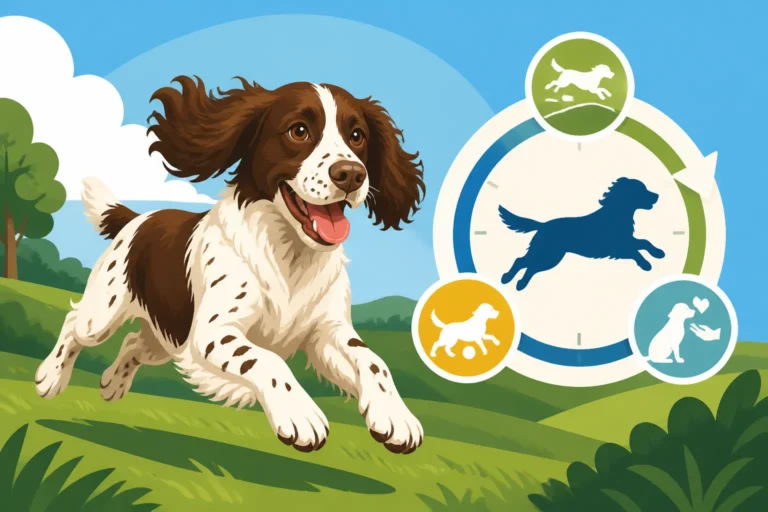
Let's be honest, we chose Springer Spaniels for their boundless energy, their keen noses, and their incredible drive. But those very traits, which make them such exceptional working dogs and enthusiastic companions, are also precisely what can make recall a monumental challenge. It's not that your Springer is being deliberately disobedient; it's that they are fulfilling generations of carefully bred instinct.
The Power of Scent and Instinctive Quartering
Imagine a world painted in smells, a symphony of invisible information floating on the breeze. That's your Springer Spaniel's reality. Their nose is their primary sense, constantly analyzing, interpreting, and prioritizing the data. When that powerful nose picks up an intriguing scent—be it rabbit, deer, or even just the lingering aroma of another dog that passed by hours ago—it triggers an ancient, almost irresistible urge. They don't just sniff; they follow.
This deep scent drive is coupled with their natural instinct to "quarter" the ground. A well-bred Springer Spaniel, whether a field or a show line, inherently knows how to systematically work an area, moving in a zigzag pattern to cover as much ground as possible, flushing out game. In your backyard or local park, this translates into them exploring every bush, every patch of grass, always pushing forward, always seeking what might be hidden. When their nose is engaged, and their quartering instinct kicks in, your voice can simply become background noise, lost in the thrilling pursuit of a scent. It's incredibly disheartening when your dog appears to vanish into thin air, following an invisible trail. Why a Springer Spaniel Puts Its Nose to the Ground and Vanishes delves deeper into this fascinating, yet sometimes maddening, aspect of their nature.
Why "Prey Drive" Overrides "Come"
Prey drive isn't just about chasing; it's a complex set of behaviors that includes searching, stalking, chasing, biting, and even killing. For most pet Springer Spaniels, this manifests as an intense desire to find and pursue anything that moves or smells like it moved. A squirrel darting up a tree, a rabbit bolting across a field, or even a flock of pigeons taking flight can switch on this primal instinct in an instant. The moment that switch flips, your Springer is no longer "Fido" who loves cuddles; they are a finely tuned hunting machine, operating on an entirely different wavelength.
Their brain literally prioritizes the chase. The reward of catching or even just pursuing the "prey" is so incredibly strong that it far outweighs the potential reward of returning to you for a piece of kibble or a pat. This isn't a flaw in your dog's character, but a testament to the effectiveness of their breeding. Understanding this deep-seated drive is the first step in recognizing why a simple "come" often stands no chance against a truly irresistible distraction. It's why frustration mounts for owners; it feels personal, but it's pure biology at play.
The Difference Between Field and Show Line Instincts
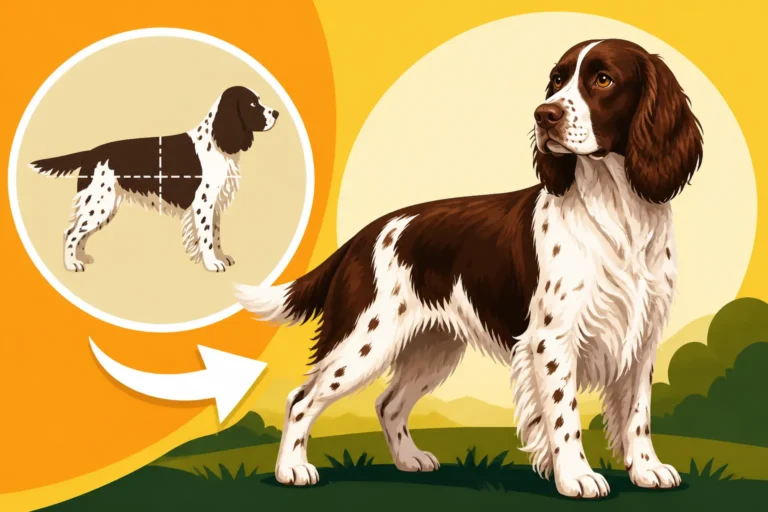
It's a common misconception that only "field-bred" Springer Spaniels possess a strong prey drive and hunting instincts. While it's true that field lines are often bred specifically for intense working ability, speed, and endurance, show lines are still, at their core, Springer Spaniels. They share the same genetic blueprint that makes them intelligent, energetic flushing dogs.
The primary difference lies in the degree to which these instincts are expressed and how consistently they have been selected for in breeding. A field-bred Springer Spaniel might have an "on" switch that's always flicked to turbo, needing constant mental and physical stimulation, and a recall that's harder to secure against strong distractions. A show-bred Springer might have a slightly mellower temperament, but their nose is still highly active, and a strong scent can still trigger that same deafening chase response. They might not cover ground with the same relentless speed, but the desire to hunt is still very much present. How a Field Bred Springer Spaniel Differs in Drive explores these distinctions in more detail. Regardless of lineage, both types require dedicated recall training that respects their natural inclinations.
Defining a "Trusted" Recall: Realistic Expectations
When we talk about a "trusted" recall, it's crucial to set realistic expectations. Perfection is a myth, especially when dealing with intelligent, scent-driven dogs like Springer Spaniels. What we're aiming for is reliability, a consistent response that allows you to safely enjoy off-leash adventures with your dog in a variety of environments.
When "Good Enough" Isn't Good Enough
"Good enough" recall might mean your Springer comes back 80% of the time in your local park, or reliably returns from chasing a ball. But what happens on that 20% of occasions when they decide a deer scent is more important, or they spot another dog across a busy road? For a Springer Spaniel, "good enough" is a dangerous gamble. Their speed, their single-minded focus on scent, and their ability to cover ground quickly mean that a momentary lapse in recall can lead to them getting lost, injured, or causing an accident.
A truly trusted recall isn't just about your dog choosing to come back when it's convenient; it's about them responding promptly and enthusiastically even when facing the most tempting distractions. It means you have peace of mind knowing that when you call, they will drop whatever they're doing and make a beeline for you. This level of reliability requires consistent, dedicated training and a deep understanding of what motivates your individual dog.
The Unpredictability of the Real World
Training in a controlled environment is one thing, but the real world throws countless curveballs. A sudden loud noise, a child screaming with delight, an unexpected cyclist, or a sudden burst of wind carrying an enticing smell can all disrupt even a well-practiced recall. For a Springer Spaniel, whose senses are always on high alert, these unpredictable elements are magnified.
Consider a scenario: you're walking in a field, and your Springer is happily quartering, checking in occasionally. Suddenly, a pheasant flushes from a hedgerow. The instinct to chase is incredibly powerful. Your recall command needs to be strong enough to cut through that adrenaline-fueled pursuit. This is where many owners become disheartened, believing their dog is deliberately ignoring them. In reality, their dog is simply reacting to an overwhelming stimulus. A trusted recall prepares your dog for these real-world surprises, teaching them that returning to you is always the most rewarding choice, no matter what else is happening.
Why Consistency is the Only Constant
Consistency isn't just a buzzword in dog training; it's the bedrock of a reliable recall. Every single time you give a recall command, whether it's "come," "here," or a whistle blast, you must be prepared to follow through with enthusiastic praise and a high-value reward when your dog returns. Inconsistency breeds uncertainty in your dog's mind. If sometimes "come" means a treat and high praise, and other times it means being leashed and going home (which might be seen as a punishment), your dog learns that the command is situational and not always worth responding to.
Think about it from your Springer's perspective. If they respond to "come" and get nothing, or worse, get a reprimand, why would they interrupt their exciting sniffari next time? Conversely, if they know that coming back, even if it means interrupting something fun, results in something even better, their motivation to return skyrockets. Consistency also applies to everyone in the household. All family members must use the same commands, the same tone, and provide the same high-value rewards to avoid confusing your Springer. This unified approach reinforces the command's meaning and makes it a reliable signal for your dog.
Common Pitfalls: Why Springer Spaniel Recall Fails
It's easy to blame the dog when recall goes wrong, but often, the breakdown lies in overlooked aspects of training or understanding our Spaniel's nature. Identifying these common pitfalls is the first step toward rectifying them and building a truly trustworthy recall.
Lack of Early Training and Socialization
Many people mistakenly believe that recall training can wait until a puppy is older, or that a dog will naturally "grow out of" chasing things. This couldn't be further from the truth, especially for a breed like the Springer Spaniel. The critical socialization period for puppies (roughly 3-16 weeks) is when they are most open to learning about the world and forming positive associations. If recall isn't introduced as a fun, rewarding game during this time, it becomes much harder to teach later.
Early exposure to various sights, sounds, people, and friendly dogs helps your Springer become comfortable and less overwhelmed by distractions. A puppy who hasn't been properly socialized might be more prone to bolting out of fear or over-excitement when faced with novel situations. Starting recall in a low-distraction environment, making it a joyful experience, and gradually increasing complexity from a young age is paramount. Don't wait until your Springer is a teenager with a full-blown prey drive to start working on "come"! The earlier you start, the stronger the foundation you build for lifelong reliability. The First Year With a Springer Spaniel Puppy offers more insights into crucial early training.
Inconsistent Reinforcement and Proofing
This is perhaps the biggest culprit in recall failures. As mentioned earlier, consistency is key, but it's often the first thing to falter. Life gets busy, we forget treats, or we assume our dog "knows" it already. But recall is not a static skill; it's like a muscle that needs regular exercise and reinforcement, particularly for a breed so easily distracted.
"Proofing" is the process of practicing a behavior in increasingly challenging environments, with various distractions, and over different distances, until your dog performs reliably under all conditions. If you only practice recall in your quiet backyard, your Springer isn't going to generalize that skill to a bustling dog park or a field full of rabbits. Many owners stop proofing too soon, or they only reward their dog for coming when it's easy, inadvertently teaching their Springer that the command is optional when something more interesting comes along. Moreover, the type of reinforcement matters. For a Springer who just ignored you for a bird, a bland piece of kibble might not cut it. You need to use high-value rewards that genuinely excite them and make coming back worth their while.
The Lure of the Unknown: Distractions Galore
For a Springer Spaniel, the world is an endlessly fascinating place, full of intriguing smells, movements, and potential adventures. Every rustle in the leaves, every distant bark, every discarded wrapper holds a story their powerful nose desperately wants to unravel. This intense curiosity and drive to explore are inherent to the breed and act as massive distractions to recall.
Think about it: from your dog's perspective, running off to investigate a novel scent or chase a fleeing rabbit is inherently rewarding. It fulfills their instincts. Your job in recall training is to make returning to you even more rewarding than those natural instincts. This is a monumental task, but it's achievable with the right approach. Simply calling their name louder or getting angry rarely works; in fact, it can make them less likely to come, as they might associate your call with unpleasantness. You need to understand that the "lure of the unknown" is powerful, and your training must be even more compelling.
Building a Rock-Solid Foundation for Recall
A strong recall isn't built overnight. It's a gradual process, starting with the basics and progressively adding layers of challenge. Think of it like building a house: you wouldn't start with the roof, would you?
Making "Come" the Most Exciting Word
For your Springer Spaniel, the word "come" (or whatever recall cue you choose) should be synonymous with joy, excitement, and incredible rewards. It should signal that something amazing is about to happen. This means whenever you call your dog and they respond, you need to throw a party!
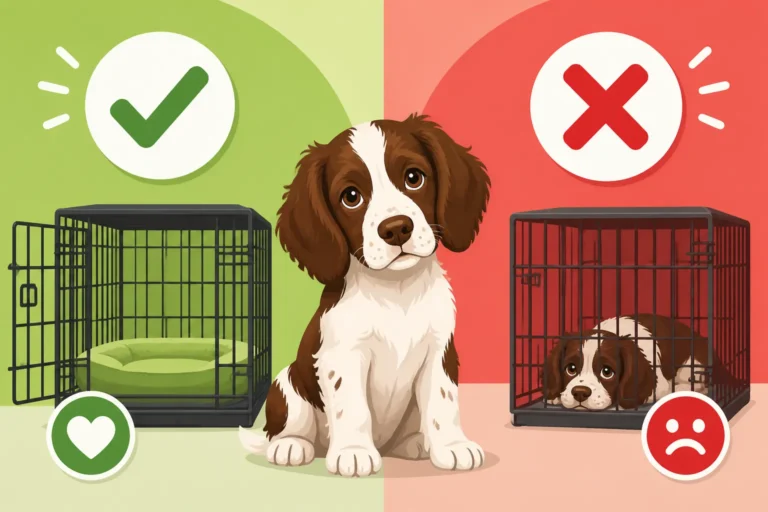
Start by practicing in a low-distraction environment, like your living room or a fenced yard. Get down to their level, use an enthusiastic, happy tone of voice, and when they come bounding towards you, reward them lavishly. This isn't just about a treat; it's about genuine praise, happy vocalizations, and perhaps even a quick game of tug with a favorite toy. The key is to make their return to you the absolute highlight of their day. Never call your dog to do something unpleasant, like going into their crate for the night if they dislike it, or for a bath they hate, unless you immediately follow it with an even bigger positive reward. If "come" always precedes something unpleasant, they will quickly learn to avoid it.
Starting Small: Controlled Environments and Short Distances
You wouldn't expect a toddler to run a marathon, so don't expect your Springer Spaniel to have perfect recall in a busy park after only a few training sessions. Begin recall training in a completely controlled environment with zero distractions. Your house or a securely fenced yard is perfect.
Start with very short distances, just a few steps away. Call your dog, reward them immediately when they reach you, and then let them go back to what they were doing. This keeps the experience positive and prevents them from associating "come" with the end of fun. Gradually increase the distance and introduce very minor, easily manageable distractions (e.g., another family member quietly walking by, a familiar toy on the ground). Each successful return, especially in the face of a slight distraction, needs to be met with a jackpot reward. This systematic approach builds confidence and muscle memory for the recall behavior. Consider an online course, such as those offered by BAXTER & Bella, which can provide structured lessons to guide you through these initial steps.
The Power of the Whistle: A Consistent Cue
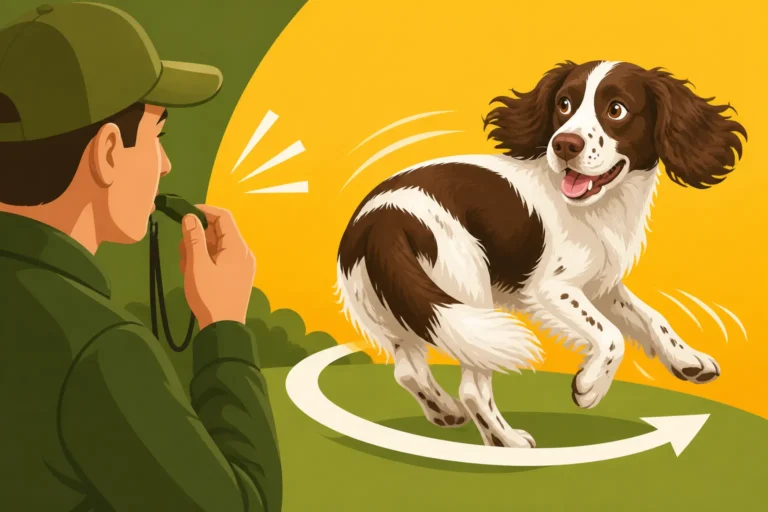
While your verbal "come" is important, a whistle can be an incredibly powerful recall tool, especially for a breed like the Springer Spaniel. Here's why:
- Consistency: Your voice changes with emotion. When you're stressed or frustrated, your "come" might sound sharp or desperate, which can be off-putting to a sensitive Springer. A whistle, however, always sounds the same. A short series of pips or a consistent pattern creates an unmistakable, unchanging signal.
- Distance: Sound carries further than the human voice, especially in windy conditions or over varying terrain. Your whistle call can reach your Springer when your voice might be lost.
- Novelty: Dogs, particularly those with high prey drive, can become "deaf" to a frequently used verbal command when highly aroused. A whistle often cuts through this mental fog because it's less commonly used and therefore less associated with everyday chatter.
To introduce the whistle, pair it with your highest value rewards. Blow the whistle (e.g., three short pips), immediately pop a treat in your dog's mouth, and praise them. Do this many, many times over several days, in quiet environments, until the sound of the whistle automatically makes your Springer look to you for a reward. Only then should you start using it for actual recall, gradually increasing distance and distractions as you would with a verbal command. Whistle Work: The Language a Springer Spaniel Learns provides an excellent deep dive into this training method.
Proofing Your Springer Spaniel's Recall in the Real World
Once your Springer Spaniel has a solid recall in low-distraction environments, it's time to take it on the road. This "proofing" phase is where many owners get stuck, but it's essential for a truly reliable recall.
Gradually Introducing Distractions and New Environments
The key word here is "gradually." Don't go from your quiet backyard straight to a bustling dog park. Instead, introduce distractions one at a time, and only when your Springer is consistently succeeding at the current level.
Here's a possible progression:
- Your home/fenced yard: Start here, as discussed.
- Quiet park during off-peak hours: Choose a time when there are minimal people or other dogs. Work on short recalls, rewarding heavily.
- Park with minor, distant distractions: Practice when other dogs are far away, or people are walking quietly. If your Springer gets too distracted, you've moved too fast.
- Areas with controlled, known distractions: Have a friend with a calm, well-behaved dog walk by at a distance. Gradually shorten the distance as your Springer's recall holds up.
- Busy park/field: Only when your dog is consistently recalling in less distracting environments should you attempt this, always with a long line attached initially.
Every time you introduce a new environment or a new type of distraction, reduce the expectation. Go back to shorter distances and higher value rewards, building back up. If your Springer fails, don't get angry. Simply make the situation easier next time. Remember, the goal is success and positive reinforcement, not punishment for failure. Teaching a Springer Spaniel to Stay in Range touches upon the importance of controlled practice for maintaining focus.
The Indispensable Long Line and GPS Trackers
A long line is your best friend during the proofing phase, especially for a breed with a strong prey drive. It allows your Springer Spaniel to experience the freedom of exploring while still giving you control and ensuring their safety.
- How to use a long line: Start with a 15-20 foot line in a safe area. Let your dog wander, but keep an eye on them. When you call, gently reel them in while praising and encouraging them. As they get closer, reward lavishly. The long line isn't for correction, but for preventing them from truly ignoring your call and reinforcing the idea that "come" always leads back to you. Gradually increase the length of the line (up to 30 or 50 feet) as your dog's reliability improves. This tool allows you to practice recall even in challenging environments without the risk of your dog bolting.
- GPS Trackers: Even with the best recall training, accidents can happen, or a particularly tempting scent can override everything. A GPS tracker, easily found on platforms like Amazon, offers invaluable peace of mind. These small, lightweight devices attach to your dog's collar and allow you to track their location in real-time via a smartphone app. If your Springer Spaniel does manage to slip away, a GPS tracker can dramatically increase your chances of finding them quickly and safely. While they are not a substitute for training, they are an excellent safety net for a breed known for its wandering nose. Whether a Springer Spaniel Should Wear a GPS Collar offers more details on these helpful devices.
Developing an Emergency Recall for Life-Saving Moments
An emergency recall is a separate, distinct command that you use only in dire situations when your dog's safety is truly at risk (e.g., running towards a road, approaching a dangerous animal). This command should be even more powerful and reliable than your everyday recall.
- Choose a unique word or phrase: Something you don't use regularly, like "CODE RED" or "NOW!"
- Train with extremely high-value rewards: This means something truly irresistible that your dog rarely gets – cooked chicken, cheese, or a favorite squeaky toy only used for this command.
- Practice sparingly but effectively: Because the emergency recall loses its potency if overused, practice it only a few times a week, in a controlled environment, for short bursts. Make it the most exciting game ever.
- Never use it for minor infractions: If your dog is just sniffing a little too long, use your regular recall. Save the emergency recall for genuine crises. The idea is that when they hear that special word, it triggers an instant, automatic response because it's always followed by an incredible reward and has never been "wasted" on less important situations.
This distinction is vital for a Springer Spaniel. Their high prey drive means they will eventually encounter something that tests their limits. An emergency recall can be the difference between a close call and a tragedy.
Essential Tools and Resources for Recall Training
Training a Springer Spaniel's recall requires patience, persistence, and the right equipment. Having the right tools at your disposal can make a significant difference in your success and your peace of mind.
Leashes, Long Lines, and Tracking Collars
These are your fundamental building blocks for controlled freedom and safety during recall training.
- Everyday Leash: A standard 6-foot leash is crucial for everyday walks, basic obedience, and teaching your Springer to walk politely by your side. It's the starting point for controlled movements and initial recall practice in a confined space.
- Long Lines: As discussed, long lines are indispensable for proofing recall. They allow your Springer to explore and practice recall at a distance while remaining safely tethered to you. Look for lines made of durable nylon or biothane, typically 15 to 50 feet in length. They give your dog the feeling of freedom without the actual risk. You can find a wide variety of these on Amazon, often in different colors and materials.
- Tracking Collars / GPS Devices: These are a game-changer for high-drive breeds like Springer Spaniels. Even with the best training, a determined Springer on a hot scent can sometimes outsmart us. A small, lightweight GPS tracker clipped to their collar provides real-time location data, offering immense peace of mind. Some popular brands offer subscription services for tracking, but the technology is incredibly useful for finding a lost dog quickly. This isn't a training tool, but a critical safety backup.
Training Treats, Toys, and High-Value Rewards
The currency of recall training for a Springer Spaniel is motivation. What makes them tick? What makes them drop everything and sprint back to you?
- High-Value Treats: Forget bland kibble. For recall, especially during proofing, you need treats that are irresistible. Think small pieces of cooked chicken, cheese, hot dogs, or commercially available soft, smelly training treats. The higher the distraction, the higher the value of the treat needs to be. Variety also helps keep them interested.
- Favorite Toys: For some Springer Spaniels, a quick game of tug or fetch with a favorite toy is even more motivating than a treat. If your dog is toy-driven, use this to your advantage. Keep a special "recall toy" that only comes out when they respond to "come."
- Praise and Affection: Don't underestimate the power of your enthusiastic voice and genuine affection. Combine treats/toys with heartfelt "Good dog!" and happy scratches. Your connection with your Springer is a reward in itself.
- Jackpot Rewards: Occasionally, for an exceptionally good recall (e.g., coming away from a major distraction), give a "jackpot" – a handful of treats, an extended play session, or a combination of both. This makes that specific recall experience truly memorable and reinforces the behavior exponentially.
| Recall Training Tool | Primary Use | Benefits | Considerations |
|---|---|---|---|
| Standard Leash (6 ft) | Basic control, heel work, initial recall | Safe, familiar, good for short distances | Limited freedom, not suitable for proofing distance or heavy distractions |
| Long Line (15-50 ft) | Proofing recall, controlled exploration | Allows freedom with safety, teaches distance recall, prevents bolting | Can get tangled, requires open space, supervision still critical |
| Training Whistle | Consistent recall cue, long-distance communication | Always sounds the same, cuts through noise, carries far | Requires conditioning (pairing with rewards), may need different types for sound |
| GPS Tracking Collar | Safety, locating lost dog | Real-time tracking, peace of mind, aids recovery if dog bolts | Not a training tool, requires subscription/app, battery life management |
| High-Value Treats | Motivation, reinforcement | Irresistible, strengthens positive association with recall | Can lead to weight gain if overused, need to be stored properly |
| Favorite Toys | Motivation, reinforcement for play-driven dogs | Engages prey drive positively, can be highly rewarding | Not all dogs are toy-driven, may need to be a "special" recall toy |
Online Courses and Professional Guidance
Sometimes, despite your best efforts, you hit a wall. That's perfectly normal, and it doesn't mean you're a bad owner or your Springer is untrainable. It just means you need a fresh perspective or more structured guidance.
- Online Courses: Platforms like BAXTER & Bella offer comprehensive online puppy training programs that often include detailed modules on recall. These courses can be a fantastic resource, providing step-by-step instructions, video demonstrations, and a community of support. They allow you to learn at your own pace and revisit lessons as needed. For owners with busy schedules, an online format can be incredibly convenient.
- Professional Dog Trainers: If you're struggling with specific challenges, or your Springer Spaniel has a particularly strong prey drive that you can't seem to manage, a certified professional dog trainer can be invaluable. Look for trainers who specialize in positive reinforcement and have experience with sporting breeds. They can assess your dog's individual needs, identify specific triggers, and develop a tailored training plan. Group classes can also be beneficial for practicing recall in a distracting environment under expert supervision.
- Gundog Trainers: For those with field-bred Springer Spaniels, or even show lines with strong hunting instincts, a gundog trainer might be the ultimate resource. These professionals understand the nuances of working with spaniels and can teach advanced recall and control techniques that integrate with their natural drives, rather than fighting against them. Whether a Springer Spaniel Needs a Gundog Trainer can help you determine if this specialized training is right for you.
Remember, every Springer Spaniel is an individual. What works for one might need slight adjustments for another. Don't be afraid to seek help, experiment with different rewards, and celebrate every small victory. Building a trusted recall is a journey, not a destination, but it's a journey that significantly enriches the bond you share with your wonderful, energetic companion.
Disclaimer
This article is for general informational purposes only and does not constitute professional advice. Laws, prices and regulations vary by location and change over time. Consult a qualified professional for guidance on your specific situation.