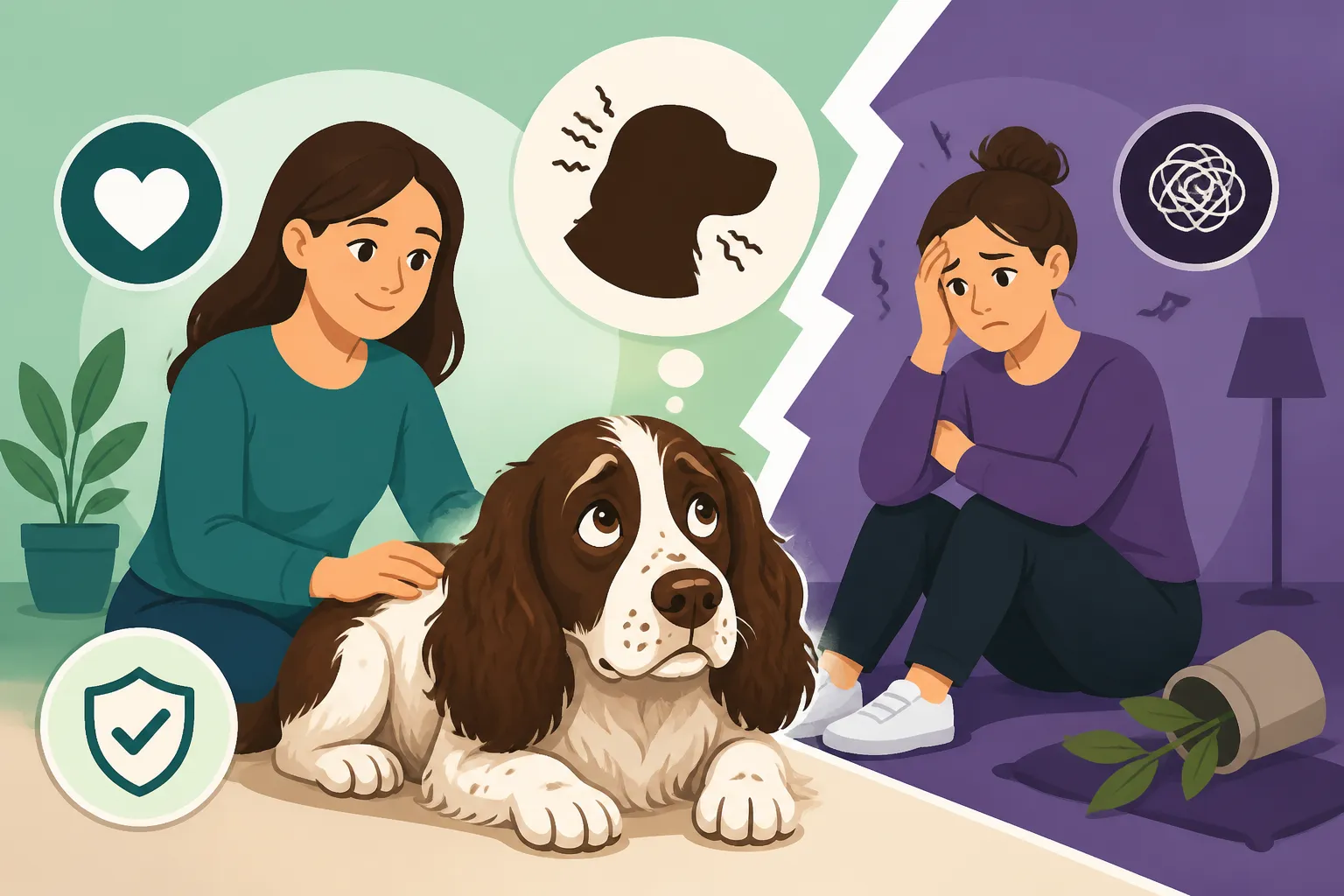
Whether a Sitter Can Handle a Springer Spaniel’s Anxiety
Leaving your beloved English Springer Spaniel can be incredibly stressful, especially when they struggle with anxiety. That gut-wrenching feeling of knowing your happy, bouncy companion might be pacing, barking, or even destroying things while you're away is a burden no dog owner wants to carry. This guide aims to thoroughly explore whether a pet sitter can truly manage a Springer Spaniel's anxiety, offering practical advice and setting realistic expectations for everyone involved.
The Unique Challenges of Springer Spaniel Anxiety
Springer Spaniels are known for their exuberance, intelligence, and deep devotion to their families. These wonderful traits, however, can sometimes come with a predisposition to anxiety, particularly when separated from their human companions. It’s not just "being spoiled"; it's a genuine emotional struggle for many of them.
Why Springers Are Prone to Anxiety
Our Springers are hardwired to be close to us. Historically, they were bred as working partners, always by their handler's side, flushing game and retrieving it. This intense bond and desire to be part of the "pack" means that being left alone can trigger significant distress. They thrive on companionship and purpose. When that companionship is suddenly removed, even for a short time, it can feel like their world has been upended.
They are often described as "Velcro dogs" for a reason. They follow you from room to room, are always underfoot, and want to be involved in whatever you're doing. This isn't just a quirky habit; it’s an intrinsic part of their breed's temperament. Because of this strong attachment, many Springer Spaniels develop Separation Anxiety in a Springer Spaniel. This isn't just a mild case of missing you; it's a full-blown panic attack for some dogs, characterized by frantic efforts to escape, destructive chewing, incessant barking, or inappropriate urination. The silence and solitude are profoundly unsettling to a dog bred for constant interaction and activity.
Recognizing the Signs of Distress
It's crucial to understand what anxiety looks like in a Springer Spaniel, as it's not always the dramatic, movie-like destruction you might imagine. While some Springers will chew through a door frame or Whether a Springer Spaniel Chews Through a Crate, others might display more subtle signs. Early recognition allows you to address the issue before it escalates.
Common signs of anxiety in a Springer Spaniel include:
- Excessive vocalization: This isn't just a happy bark at a squirrel. It's prolonged, often high-pitched whining, howling, or continuous barking that doesn't seem to have an obvious external trigger. Neighbors often alert owners to this one.
- Destructive behavior: Chewing on furniture, door frames, or personal items, particularly those that smell like you. This isn't puppy chewing; it's often frantic and aimed at escape.
- Inappropriate elimination: Urinating or defecating indoors, even if fully house-trained. This is not defiance but a physical manifestation of stress and loss of control.
- Pacing and restlessness: Constant movement, inability to settle, circling, or staring blankly.
- Drooling or panting: Even when not hot or exercising, these can be signs of extreme stress.
- Loss of appetite: Anxious dogs may refuse food or treats, even their favorites.
- Excessive self-grooming: Licking paws or flanks to the point of irritation or hot spots.
These behaviors indicate that your Springer is genuinely distressed, not just "acting out." It's their way of coping, or failing to cope, with the absence of their primary caregiver. Understanding these signs is the first step in deciding if a sitter can truly provide the necessary support. For more on this, you might find The Springer Spaniel That Cannot Be Left Alone particularly illuminating.
Finding the Right Sitter: More Than Just a Warm Body
When your Springer Spaniel has anxiety, finding someone to care for them isn't just about finding a warm body to fill the house. It requires a specific set of qualities, experience, and a deep understanding of canine behavior. A standard "pet sitter" might be perfectly fine for a dog who just needs food and a walk, but an anxious Springer demands much more.
The Qualities of an "Anxiety-Ready" Pet Sitter
An ideal sitter for an anxious Springer isn't merely a dog lover; they are a dog behavior observer and a calm, consistent presence. Here's what to look for:
- Experience with anxious dogs: This is non-negotiable. Ask specific questions about their experience with separation anxiety, fear-based behaviors, or other forms of canine stress. Do they know how to read subtle body language cues that indicate rising anxiety?
- Patience and calm demeanor: Springers, especially anxious ones, pick up on human emotions. A sitter who is easily flustered or impatient will only exacerbate the dog's stress. Look for someone who exudes calm and confidence.
- Commitment to routine: Anxious dogs thrive on predictability. A good sitter will adhere strictly to your Springer's The Daily Routine a Springer Spaniel Actually Needs, including feeding times, walk schedules, and potty breaks. Deviations from routine can be incredibly unsettling.
- Willingness to follow detailed instructions: You'll need to provide extensive notes (we'll get to that!). The sitter must be meticulous about following them, from specific feeding protocols (perhaps even using a slow feeder from Chewy to make mealtime more engaging) to medication schedules, if applicable.
- Understanding of positive reinforcement: Yelling or harsh corrections will only heighten an anxious Springer's fear. The sitter must be committed to positive reinforcement methods, using treats, praise, and gentle redirection.
- Good communication skills: They should be willing to send regular updates, photos, or even videos to reassure you. You want someone who will proactively communicate any concerns or changes in your dog's behavior.
- Flexibility and availability: Anxious dogs often need more presence. Can the sitter stay for extended periods, or make multiple, long visits throughout the day? Overnight stays are often ideal for severely anxious dogs.
When interviewing potential sitters, don't be afraid to ask for references, and definitely arrange a meet-and-greet at your home with your Springer present. Observe their interaction closely. Does your dog seem comfortable? Do they approach the sitter or seem wary?
Professional vs. Casual: Weighing the Options
When it comes to sitters, you generally have a few categories, and not all are created equal for an anxious Springer.
| Sitter Type | Pros | Cons | Suitability for Anxious Springer |
|---|---|---|---|
| Professional Sitter | Experienced, insured/bonded, understands canine behavior, follows routine meticulously, strong communication. | Can be more expensive, availability may be limited during peak times. | High (often best choice) |
| Friend/Family Member | Familiar to dog, trusted, potentially free, less intimidating initially. | May lack professional experience with anxious dogs, less strict with routine, may not communicate proactively. | Moderate (depends on individual) |
| House Sitter (Live-in) | Constant human presence, maintains home security, often experienced with multiple pets. | Can be expensive, requires trust to have someone in your home, personality match is crucial. | High (ideal for severe anxiety) |
| Doggy Daycare | Constant supervision, socialization, structured play. | Can be overstimulating for anxious dogs, exposure to illness, not suitable for all temperaments. | Low to Moderate (depends on dog and facility) |
For many anxious Springers, a professional sitter or a live-in house sitter is often the best choice. These individuals are more likely to have the background and dedication to handle the specific needs of a dog with separation anxiety. A friend or family member, while well-intentioned, might underestimate the intensity of a Springer's anxiety or might not be equipped with the strategies to gently redirect stress behaviors. For example, if your Springer is prone to intense paw licking when stressed, a professional sitter would know to redirect with a puzzle toy filled with a healthy treat, rather than just telling the dog "no."
For Springers with severe anxiety, a traditional kennel or doggy daycare might be too overwhelming. Whether a Kennel Will Take an Anxious Springer Spaniel is a real concern, as many facilities are not equipped for dogs that truly panic. A personalized, in-home environment often minimizes stress.
Setting Everyone Up for Success: Preparation and Communication
Finding the right sitter is just the first step. To ensure a smooth experience for your anxious Springer Spaniel, extensive preparation and crystal-clear communication with your chosen sitter are absolutely essential. You can't just hand over the leash and expect magic to happen.
Creating a Detailed Care Plan
Think of this as your Springer Spaniel's owner's manual for their time with the sitter. It needs to be comprehensive and leave no room for guesswork. Don't assume anything is obvious.
Here’s what your care plan should include:
- Emergency Contacts: Your vet's number, nearest 24/7 emergency vet hospital, your contact information, and an alternative local contact (friend, family) who can make decisions if you're unreachable. It's also wise to consider pet insurance from a provider like Healthy Paws; it can be a lifesaver if an anxiety-induced incident requires emergency vet care.
- Daily Routine Breakdown:
- Feeding: Specific brand (e.g., Ollie's fresh food, if that's what your dog eats), exact measurements, feeding times, any supplements or medications, and where they eat. Mention if they're a fast eater and if a slow-feeder bowl is used.
- Potty Breaks: How often, where they typically go, and any specific commands used.
- Exercise: Duration and type of walks (leash walking only, off-leash in fenced yard if applicable), any fetch routines, or interactive games. Be clear about what your dog can handle versus what might be too much stimulation when anxious.
- Calm Times/Naps: Where your Springer typically rests, whether they use a crate (and if they still Whether a Springer Spaniel Panics When Crated Alone), or if they settle better on a dog bed.
- Anxiety-Specific Instructions: This is perhaps the most critical section.
- Triggers: What typically makes your Springer anxious? Loud noises, being left alone for even a minute, visitors, new environments?
- Coping Mechanisms: What usually helps them calm down? A favorite chew toy from Chewy, a specific game, a cuddle session, background noise (music, TV)?
- Medication: If your vet has prescribed anything for anxiety, detail dosage, frequency, and administration method. Even natural calming aids should be noted. Whether Medication Helps a Springer Spaniel's Separation Anxiety is a common question, and if it's part of your routine, the sitter needs to know.
- Redirecting Behavior: Provide specific ways to interrupt anxious behaviors without causing more stress. For example, "If Rover starts pacing, offer him this KONG stuffed with peanut butter" or "If he whines, calmly ask him to 'sit' and reward with a treat."
- House Information: Where are supplies kept (food, leash, treats, cleaning supplies)? How do lights, thermostat, etc., work? Any quirks of the house they need to know?
- Comfort Items: Make sure the sitter knows about your Springer's favorite blanket, bed, or toy. These familiar items can provide immense comfort in your absence.
A written, printed copy of this plan should be left in a prominent place, along with a condensed version for quick reference.
Leveraging Tools and Technology
Modern technology offers some fantastic ways to help both you and your sitter manage your Springer's anxiety.
- Pet Cameras: These are invaluable. A camera like the Furbo or Wyze cam (available through retailers like Chewy) allows your sitter to monitor your dog when they step out for a moment, or when they are in another room. More importantly, it allows you to check in and see how your Springer is truly coping. You can often speak through them, which can sometimes provide comfort. Whether a Camera Helps a Springer Spaniel Owner is a resounding yes for many with anxious dogs.
- Communication Apps: Beyond text messages, consider using a shared app for updates, photos, and quick notes. This keeps all communication in one place.
- Sound Machines/Music: Leaving on calming music or a white noise machine can help muffle outside noises that might trigger anxiety. Many pet-specific calming music channels exist.
- Interactive Toys and Chews: Stock up on long-lasting chews, puzzle toys, and stuffed KONGs. These can keep an anxious Springer engaged and distracted. Again, Chewy is a great resource for these items. The physical act of chewing can be a huge stress reliever for dogs.
- GPS Trackers: If your Springer is known to be an escape artist when anxious, or if the sitter plans walks in less secure areas (though this should be avoided with anxious dogs), a GPS tracker can offer immense peace of mind.
Remember, the goal is to create an environment as close to your presence as possible, with a capable and empathetic stand-in. With an anxious Springer, you're not just finding someone to feed them; you're finding someone to support them emotionally through a difficult time.
When a Sitter Isn't Enough: Exploring Alternatives
Despite the best intentions and the most meticulous planning, sometimes a sitter, no matter how experienced, simply isn't enough to manage a Springer Spaniel's severe anxiety. It's a hard truth to face, but recognizing the limits of a sitter is crucial for your dog's well-being.
Understanding the Sitter's Limitations
A pet sitter, even a professional one, is typically providing temporary care. They are not veterinarians, nor are they certified animal behaviorists. Their role is to follow your instructions and provide comfort and consistency. They cannot diagnose underlying medical conditions that might contribute to anxiety, nor can they implement complex behavioral modification protocols that require specialized training.
Consider these scenarios where a sitter might be out of their depth:
- Severe destructive behavior: If your Springer is causing significant damage to property (theirs or yours) or is at risk of injuring themselves trying to escape, a sitter might not be able to physically prevent it or keep them safe. A sitter should not be expected to rebuild a door frame.
- Aggression due to fear/anxiety: While less common for separation anxiety, extreme fear can sometimes manifest as aggression towards new people or perceived threats. If your Springer shows any signs of fear-based aggression, a sitter might be at risk, and your dog could be in danger of causing harm.
- Refusal to eat or drink for extended periods: While some anxious dogs might skip a meal, prolonged refusal to eat or drink can lead to dehydration and other health issues, requiring professional medical intervention rather than just coaxing.
- Self-harming behaviors: Some severely anxious dogs will lick or chew themselves raw, sometimes causing significant skin infections or injuries. This needs vet attention, not just a sitter trying to bandage a wound. If an emergency trip to the vet is needed, having pet insurance like Healthy Paws can ease the financial burden of unexpected care.
It's vital for a sitter to be honest if they feel overwhelmed or unable to meet your dog's needs. An open conversation is always better than pushing a situation that isn't working for anyone. This leads us to consider other avenues of support.
Behavioral Support and Specialized Care
If your Springer Spaniel's anxiety is consistently overwhelming for sitters, it's time to explore more specialized interventions. This isn't a failure on your part, but a responsible step towards ensuring your dog's long-term well-being.
Here are some options:
- Veterinary Consultation: Always start with your vet. They can rule out any underlying medical conditions that might be contributing to or exacerbating anxiety. Pain, thyroid issues, or even early cognitive dysfunction in older Springers can mimic or worsen anxiety. They can also discuss prescription medications that might help reduce the intensity of your dog's anxiety, making other interventions more effective. This is particularly relevant if your Springer hasn't been officially diagnosed or if their current management isn't working.
- Certified Professional Dog Trainer (CPDT) or Certified Applied Animal Behaviorist (CAAB): These professionals specialize in canine behavior. A behaviorist can help you identify the root causes of the anxiety and develop a tailored behavior modification plan. This might involve counter-conditioning, desensitization, or other techniques to teach your Springer how to cope with being alone. They can also advise on Whether Daycare Helps a Springer Spaniel With Anxiety or if other specific interventions are appropriate.
- Specialized Boarding Facilities: Some kennels are specifically designed for dogs with anxiety or special needs. They might offer private rooms, constant supervision, one-on-one interaction, or medication administration by trained staff. While often more expensive, these can be a safe alternative when a sitter isn't feasible. In some cases, Fostering a Springer Spaniel through a rescue organization might even lead you to a temporary foster home with experience in anxious dogs, providing a home-like environment without the pressure of a commercial sitter.
- Exploring a Second Dog: Some owners find that Whether a Springer Spaniel Settles With Another Dog for Company can help alleviate separation anxiety, providing companionship when humans are away. However, this is a significant commitment and should only be considered if all other factors (space, finances, time) align, and ideally with guidance from a behaviorist to ensure a successful integration.
The journey with an anxious Springer Spaniel can be challenging, but there are many resources and professionals available to help. Don't feel you have to navigate it alone. Seeking specialized help ensures your beloved companion can lead a calmer, happier life, whether you're home or away.
Disclaimer
This article is for general informational purposes only and does not constitute professional advice. Laws, prices and regulations vary by location and change over time. Consult a qualified professional for guidance on your specific situation.