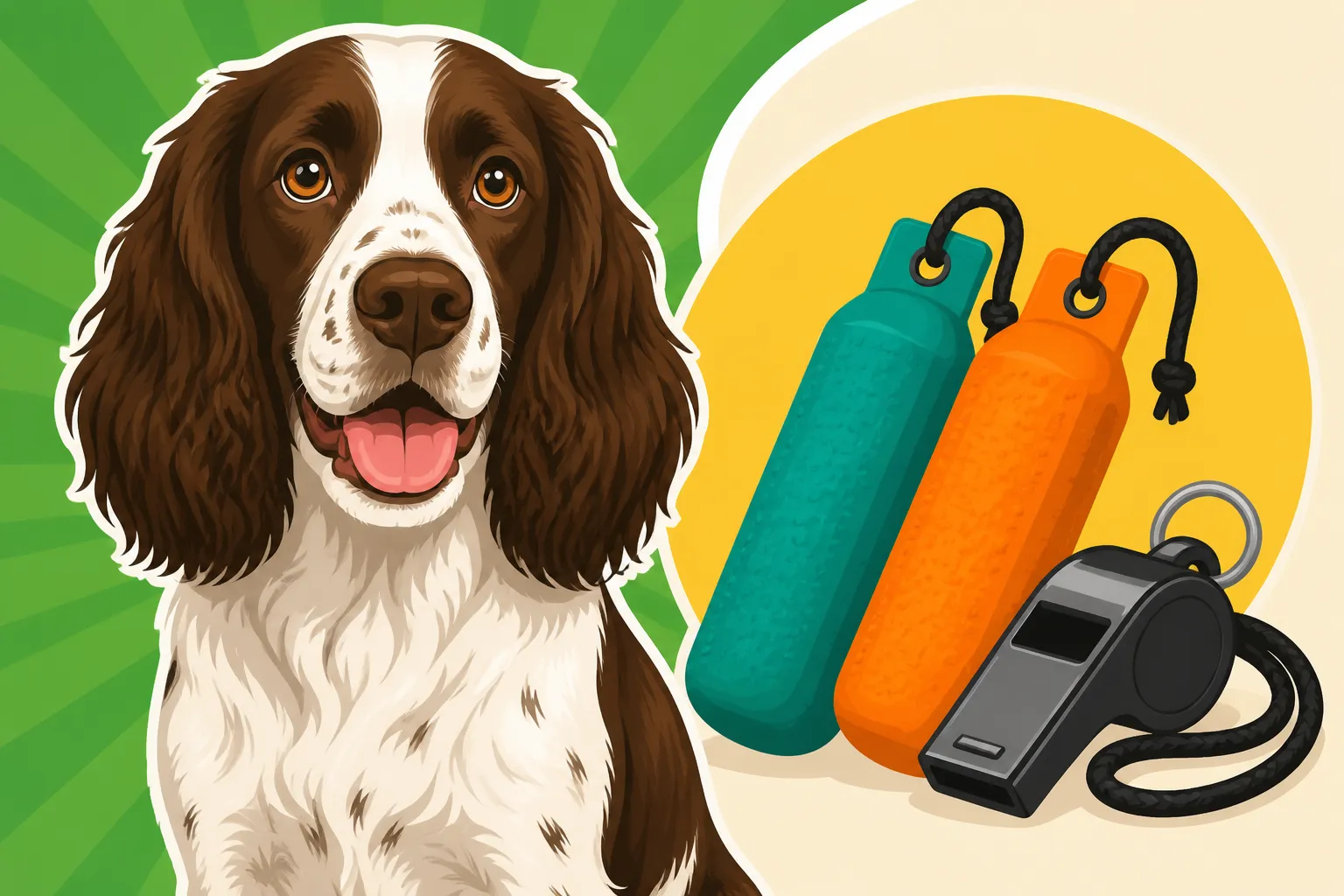
What a Springer Spaniel’s Training Bumpers and Whistle Cost
Bringing a Springer Spaniel into your life often means embracing their incredible drive and intelligence, but many new owners quickly find themselves wondering where to even begin with effective training, especially when it comes to tools. It can feel overwhelming trying to figure out which pieces of equipment are truly essential versus just nice-to-haves. This guide aims to demystify the initial and ongoing investment in fundamental training equipment like bumpers and whistles, helping you budget wisely for your Springer's development.
The Cornerstones of Springer Spaniel Training: Bumpers and Whistles
When you start looking into training a Springer Spaniel, especially if you have aspirations of any kind of field work or even just a well-behaved companion with a fantastic recall, two items consistently pop up as absolute essentials: training bumpers and a good whistle. These aren't just toys; they are integral communication tools that help shape your dog's understanding of commands and reinforce their natural instincts. Understanding their purpose and the associated costs is key to a smooth training journey.
Why Bumpers Are Non-Negotiable Training Aids
Bumpers serve as the stand-in for game birds or other retrieve items during training. They teach your Springer Spaniel to retrieve, hold, and deliver an object gently, without the distractions of feathers, scent, or fear of damaging actual game. For a breed like the Springer, bred to flush and retrieve, bumpers tap into their core drives in a controlled environment. The frustration often comes when owners try to use tennis balls or sticks, which don't offer the same consistent feel, weight, or buoyancy, leading to dogs that mouth or damage retrieved items.
You'll find bumpers in various materials, sizes, and colors, each designed for a specific training purpose. Soft rubber bumpers are great for puppies or gentle mouths, while harder plastic or canvas bumpers offer more durability and different sensory experiences. Scent can even be applied to some bumpers to simulate game more realistically. Investing in a variety helps your Springer generalize their retrieving skills to different objects and conditions. Think of them as practice weights for an athlete – you wouldn't expect a powerlifter to only train with one weight, and you shouldn't expect your Springer to retrieve only one type of object.
The Power of the Whistle in Springer Spaniel Communication
A whistle is arguably one of the most powerful and underutilized tools in a Springer Spaniel owner's kit. Unlike your voice, a whistle carries over long distances, cuts through wind and environmental noise, and, most importantly, always sounds the same. This consistency is critical for a dog that works far from its handler, ensuring commands like "come" (the recall whistle) or "sit" (the stop whistle) are always unambiguous. Many owners get frustrated because their dog ignores them in the park, but often it's because their voice changes with emotion, distance, or excitement, making it hard for the dog to discern the command. A whistle eliminates this variable.
There are different types of whistles, from silent or low-frequency ones to high-pitched gundog whistles. The choice often depends on your hearing, your dog's sensitivity, and the environment you'll be training in. Some are single-tone, others have multiple tones or pea-whistles that allow for different sounds. Investing in a good quality whistle and a secure lanyard means you always have your primary communication tool handy and ready for consistent use. This consistency is foundational for developing a reliable recall, which is a major pain point for many Springer owners who watch their dogs vanish on a scent. Teaching a Springer Spaniel Whistle Commands is a topic many find immensely helpful.
Breaking Down the Cost of Training Bumpers
The cost of training bumpers isn't a one-time purchase; it's an ongoing investment that evolves with your dog's training progression. What you need for a puppy just learning to "fetch" will be different from what a seasoned gundog requires for advanced retrieves.
Initial Bumper Purchases and Material Choices
When you first start out, you might just need a couple of basic bumpers. These are often made from plastic, rubber, or canvas.
- Plastic Bumpers: These are typically inexpensive and very durable, often brightly colored (like orange or white) for easy visibility. They float well, making them excellent for water retrieves. A single plastic bumper might cost just a few dollars. However, some dogs can be hard chewers, and a plastic bumper might not last if left unsupervised.
- Rubber Bumpers: Slightly softer than plastic, rubber bumpers offer a more natural "feel" in the dog's mouth. They are also durable and come in various colors. These tend to be a little more expensive than basic plastic ones but offer better longevity for most dogs.
- Canvas Bumpers: These are softer and often preferred for teaching a "soft mouth" as they don't have the hard edges of plastic. They can be scented easily. Canvas bumpers might be a bit pricier per unit and are less durable if a dog is prone to chewing. They also absorb water, making them less ideal for extensive water work unless specifically designed as a floating canvas bumper.
Most owners start with a mix of 2-3 basic bumpers. You might spend anywhere from a few dollars for a single basic plastic bumper to fifteen dollars or more for a high-quality, durable canvas or rubber option. Online retailers like Chewy often have multi-packs or starter kits that can offer a slight discount.
Expanding Your Bumper Arsenal: Specialty and Advanced Options
As your Springer Spaniel progresses, you'll likely want to expand your collection. This is where costs can start to add up, but the value in varied training scenarios is immense.
- Dummy Launchers and Field Dummies: For advanced training, especially simulating retrieves over longer distances, you might invest in a dummy launcher. These devices propel bumpers or specialized field dummies much further than you can throw, helping to build marking skills and endurance. The launcher itself is a significant investment, often in the hundreds of dollars, and the special dummies designed for them are also more expensive than basic bumpers. This is typically for serious gundog enthusiasts or those training for advanced hunt tests.
- Scented Bumpers/Scenting Materials: To introduce the concept of game birds, you can purchase bumpers already infused with bird scent or buy scent liquids separately to apply to your existing bumpers. A small vial of bird scent might cost around ten to twenty dollars and lasts a long time. This is a crucial step in preparing your dog for real-world hunting scenarios.
- Water Dummies: While many standard bumpers float, some are specifically designed for water work, offering better buoyancy or visibility in challenging conditions. These may be slightly more expensive.
- Bumpers for Different Cover: For training in heavy cover, you might opt for brightly colored bumpers that stand out, or even "dead bird" style dummies that mimic the size and feel of actual birds more closely.
A serious enthusiast might accumulate a dozen or more bumpers of various types over their dog's training career, representing an investment of well over a hundred dollars, not including any launcher systems. This investment helps in scenarios such as What a Springer Spaniel Retrieves across different terrains.
| Bumper Type | Typical Cost (Per Unit) | Key Features | Best Use Case | Durability |
|---|---|---|---|---|
| Basic Plastic | $5 – $10 | Bright colors, floats, hard | Early retrieves, water work, visibility | High |
| Soft Rubber | $8 – $15 | Softer mouth-feel, floats, various textures | General retrieving, encouraging soft mouth | High |
| Canvas (Standard) | $10 – $20 | Soft, absorb scent, natural feel | Soft mouth training, scent work, land retrieves | Medium |
| Canvas (Floating) | $15 – $25 | Floats, soft, absorb scent | Water retrieves with scent training | Medium |
| Field Dummy | $20 – $40+ | Heavier, realistic shape, for launchers/long throws | Advanced marking, long retrieves, simulation | High |
Prices are estimates and can vary widely based on brand, retailer, and specific features.
Understanding the Investment in a Training Whistle
The humble training whistle often seems like a small purchase, but it's one that yields immense returns in the clarity of your communication with your Springer Spaniel. Like bumpers, there's a range of options, and the "cost" extends beyond the initial purchase to the commitment to consistent use.
Types of Whistles and Their Price Points
Whistles are generally quite affordable, making them one of the most cost-effective training tools you can acquire.
- Plastic Gundog Whistles: These are the most common and typically range from about $5 to $15. They come in various pitches and are incredibly durable, weatherproof, and easy to clean. Many professional trainers swear by a simple plastic whistle because of its consistent tone. Brands like Acme are very popular and widely trusted.
- Metal Whistles: Less common for gundog training, but some metal whistles (like traditional pea whistles) are available. They tend to be a bit louder and may have a different tone quality. They might be slightly more expensive, perhaps $10 to $25, but the sound can be less consistent due to the pea. For a Springer, consistency is key, so plastic gundog whistles are usually preferred.
- Silent/Low-Frequency Whistles: These are designed to be audible to dogs at frequencies humans struggle to hear. They can be useful in certain situations, such as training in public areas without disturbing others. However, they can be harder for the handler to gauge the sound, and many find them less effective for complex commands. Their cost can range from $10 to $30. For a Springer Spaniel, where strong, clear communication is paramount, a good audible gundog whistle is generally recommended over a "silent" one.
Most Springer Spaniel owners will find a high-quality plastic gundog whistle, often with a specific pitch (e.g., 210.5 or 211.5), to be the best investment. It's a tool that, once purchased, should last for many, many years. The real cost comes in the dedication to learning Whistle Work: The Language a Springer Spaniel Learns.
Accessories and Considerations for Whistle Use
While the whistle itself is inexpensive, a few accessories enhance its utility and longevity.
- Lanyards: A simple cord or braided lanyard to wear your whistle around your neck is crucial. It keeps the whistle accessible, prevents loss, and ensures you're ready to communicate at a moment's notice. Lanyards are typically very cheap, a few dollars at most. Investing in a good quality, comfortable lanyard is a no-brainer.
- Whistle Pouch/Case: If you're particularly careful, a small pouch can protect your whistle from dirt or damage, though most plastic gundog whistles are robust enough to handle being carried freely.
- Multiple Whistles: Some owners purchase a backup whistle or keep one in the car, one at home, and one for active training. This prevents a missed training session or a communication breakdown if one is misplaced. Since they are so affordable, having a spare is a smart move.
The true value of a whistle is unlocked through consistent, positive training. It's not just about blowing it; it's about associating specific whistle patterns with specific actions. The investment here is primarily time and patience, rather than a significant financial outlay.
Beyond the Purchase Price: Long-Term Value and Related Costs
Thinking about the cost of training bumpers and whistles goes beyond just their sticker price. It's about recognizing these items as investments in your dog's capabilities, your bond, and even their long-term health and happiness. When your Springer Spaniel is properly trained, they are a joy to be around, and these tools are fundamental to achieving that.
Durability, Replacement, and Upgrading Equipment
While a good whistle should last a lifetime, bumpers will inevitably need replacing.
- Wear and Tear: Bumpers get chewed, lost in heavy cover, or simply degrade over time with exposure to sun, water, and dog slobber. If you have a particularly enthusiastic retriever, or multiple dogs, you'll go through bumpers faster. Budget for replacing 1-3 bumpers a year, especially if you're actively training.
- Loss in the Field: It's almost a rite of passage for a working Springer Spaniel owner to lose a bumper or two in dense undergrowth. Bright colors help, but sometimes they just vanish. This is another reason to have a small stock on hand.
- Training Progression: As your dog advances, you might need to upgrade to more specialized bumpers, different weights, or those designed for longer retrieves. This isn't just about replacing old gear, but enhancing your training repertoire.
Consider these ongoing costs as part of the total What a Springer Spaniel's Working Vest and Kit Cost for those aiming for field titles or regular hunting.
Impact on Overall Training Budget and Dog Well-being
Investing in quality training tools like bumpers and whistles can actually save you money in the long run and greatly enhance your Springer's quality of life.
- Reduced Behavioral Issues: A well-exercised, mentally stimulated Springer Spaniel is less likely to develop destructive habits borne of boredom or excess energy. Regular retrieving sessions with bumpers provide both physical and mental outlets. This can indirectly save you money on chewed furniture or vet bills from ingestion of inappropriate items.
- Enhanced Safety: A reliable recall, taught with the consistent sound of a whistle, is paramount for safety. It can prevent your dog from running into traffic, chasing wildlife, or getting lost. This can avert costly emergency vet visits or search efforts.
- Foundation for Advanced Training: These basic tools are the foundation for any advanced work, whether it's hunt tests, agility, or even search and rescue. Without a solid understanding of whistle commands and reliable retrieves, progressing to more complex tasks is nearly impossible. This means less money spent on fixing foundational issues later, potentially reducing the need for expensive private trainers if basic commands aren't solid. Whether a Springer Spaniel Needs a Gundog Trainer often depends on how well these initial steps are handled.
- Enrichment and Bonding: Beyond the practicalities, using these tools offers a fantastic way to bond with your Springer Spaniel. These dogs thrive on having a job, and working with you to retrieve, respond to whistles, and solve "problems" presented by the training scenarios fulfills their innate drives. A happy, engaged Springer is a better companion all around. You might even find yourself considering What a Springer Spaniel Will Work For and discovering new ways to engage them.
While the initial cash outlay for bumpers and whistles is relatively low compared to other dog expenses, their value in shaping a well-adjusted, responsive, and happy Springer Spaniel is immeasurable. It's an investment in a fulfilling partnership with your canine companion. The First Year With a Springer Spaniel Puppy is a critical time for establishing these training foundations.
Disclaimer
This article is for general informational purposes only and does not constitute professional advice. Laws, prices and regulations vary by location and change over time. Consult a qualified professional for guidance on your specific situation.