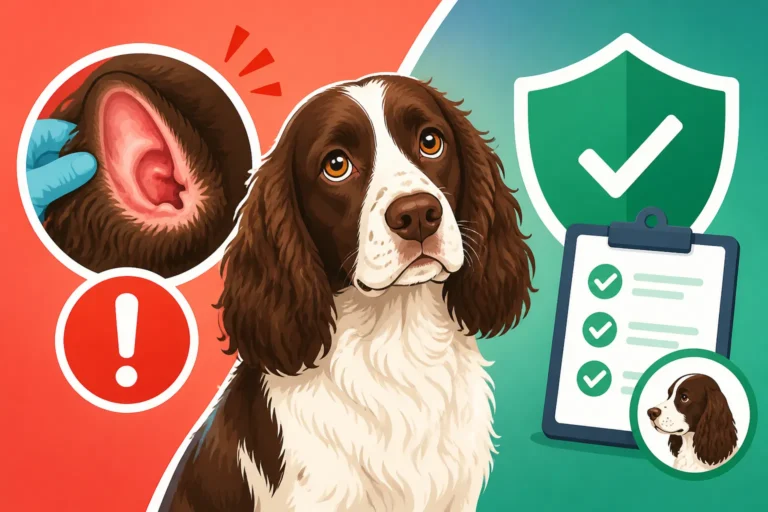
What a Full Springer Spaniel DNA Panel Costs
Bringing a new English Springer Spaniel into your life is an absolute joy, but it also comes with a weighty responsibility: understanding their potential health challenges. Many prospective owners and even seasoned Springer families find themselves grappling with the complexities of genetic health testing, often wondering not just what tests are important, but what a "full DNA panel" truly entails and what it might cost. This guide aims to demystify the financial aspects and practicalities of comprehensive DNA screening for your beloved Springer, helping you make informed decisions for their long-term well-being.
Understanding the Landscape of Springer Spaniel DNA Testing
It's a frustrating reality that even the healthiest-looking puppy can carry hidden genetic predispositions. For English Springer Spaniel owners, this isn't just a hypothetical concern; it's a very real part of owning this wonderful breed. Understanding the role of DNA testing is your first step in proactive care.
Why DNA Testing is Crucial for Springer Spaniels
English Springer Spaniels, like many purebred dogs, are susceptible to certain inherited conditions that can severely impact their quality of life, and in some cases, even shorten it dramatically. As an owner, the thought of your vibrant, energetic companion suffering from an unforeseen illness is truly heartbreaking. Early knowledge through DNA testing can prevent heartache, allow for early intervention, and inform responsible breeding practices. Conditions like Fucosidosis, a devastating neurodegenerative disease, or PFK Deficiency, which can lead to exercise intolerance and collapse, are prime examples of why these tests are so important. Imagine the shock and despair of seeing your Springer spaniel exhibiting unusual behaviors, only to learn later that a simple DNA test could have warned you. Knowing your dog's genetic status for such diseases isn't about dwelling on the negative; it's about empowering yourself with information. You want to avoid the crushing blow of realizing that Fucosidosis Kills a Springer Spaniel Within Weeks of the First Sign or that PFK Deficiency and the Springer Spaniel That Collapses After Exercise could have been anticipated.
The Difference Between Basic and Comprehensive Panels
When you start looking into DNA testing, you'll quickly discover that not all tests are created equal. You might see options ranging from basic breed identification to extensive health screenings.
- Basic Tests: These often focus on identifying your dog's breed makeup or perhaps one or two of the most common genetic conditions for that breed. For a Springer Spaniel, a very basic panel might only include Fucosidosis or PFK, if it includes any health tests at all. These are generally less expensive but also provide a far less complete picture of your dog's genetic health. While tempting due to a lower upfront cost, a basic test can leave significant gaps in your knowledge, potentially overlooking other serious conditions.
- Comprehensive Panels: These are the "full DNA panels" we're discussing. They delve much deeper, screening for dozens, sometimes hundreds, of genetic conditions relevant to your Springer Spaniel's breed, as well as general canine health markers. They also often include coat color traits, physical traits, and an estimated adult weight. For a Springer, a comprehensive panel would include critical screenings for The Four Eye Diseases a Springer Spaniel Breeder Screens For, in addition to Fucosidosis and PFK. These panels give you a much more robust understanding of your dog's genetic predispositions, which is invaluable for both pet owners and breeders.
Factors Influencing the Cost of a DNA Panel
The price you pay for a DNA panel isn't set in stone. Several factors contribute to the overall cost, and understanding them can help you budget and make an informed choice.
- Number of Conditions Tested: Naturally, a panel that screens for 200 genetic conditions will typically cost more than one that screens for 20. A "full" panel implies a higher number of tests.
- Provider Reputation and Technology: Established companies with extensive research and advanced testing methodologies often have higher price points. This is often justified by their accuracy, the depth of their reports, and ongoing support.
- Included Features: Some panels offer additional features like breed trait analysis, projected adult size, or even genetic coefficients of inbreeding. These can add to the cost but provide extra layers of information.
- Sample Type: Most modern DNA tests for dogs use a simple cheek swab, which you can often collect yourself at home. However, some panels or specific tests might require a blood sample drawn by a veterinarian, adding a vet visit fee to your total.
When comparing options, remember that the lowest price isn't always the best value if it means sacrificing comprehensive coverage. You're investing in peace of mind and your dog's future health.
Deciphering the Cost Structure of Full DNA Panels
So, what exactly does a "full" DNA panel for an English Springer Spaniel typically include, and how do different providers approach pricing this vital service? It’s more than just a single number; it's about understanding the value you're getting for that investment.
What a "Full Panel" Typically Includes for a Springer Spaniel
For a breed like the English Springer Spaniel, a truly comprehensive DNA panel goes beyond just identifying breed makeup. It zeroes in on the genetic health concerns that are most prevalent and impactful within the breed. When you’re looking at a "full panel," you should expect to see coverage for a range of conditions, often including:
- Fucosidosis: This is perhaps one of the most critical tests for a Springer Spaniel. It's a progressive neurological disease with a devastating prognosis. A full panel will identify if your dog is clear, a carrier, or affected. You can learn more about this through resources like The DNA Test That Finds Fucosidosis in a Springer Spaniel.
- Phosphofructokinase (PFK) Deficiency: This condition affects a dog's red blood cells and muscle energy metabolism, leading to issues like exercise intolerance and muscle cramping. Knowing if your Springer Spaniel is a carrier or affected is vital, especially if you have an active dog. What PFK Deficiency Does to a Springer Spaniel can explain the impact.
- Progressive Retinal Atrophy (PRA): A group of genetic diseases that cause the degeneration of retinal cells, leading to eventual blindness. Several forms of PRA exist, and a comprehensive panel should screen for the forms relevant to Springers.
- Primary Glaucoma: A painful eye condition characterized by increased pressure within the eye, leading to blindness. Certain genetic markers can indicate a predisposition. Understanding How Primary Glaucoma Blinds a Springer Spaniel highlights the importance of this screening.
- Other Potential Conditions: Depending on the lab, a full panel might also include screenings for less common conditions, or broader health markers such as von Willebrand's Disease (a bleeding disorder), or even genetic predispositions to certain cancers, though these are more general canine health markers than breed-specific Springer concerns.
Knowing your dog's status for these conditions is essential not just for their personal health, but also for responsible breeding. If you're a breeder, understanding the genetic risks allows you to make informed decisions to avoid producing affected puppies, as discussed in Whether a Carrier Springer Spaniel Can Be Bred.
How Different Testing Providers Structure Their Pricing
The cost of a full Springer Spaniel DNA panel can fluctuate depending on the provider you choose. Generally, these companies offer their services in a few ways:
- All-Inclusive Panels: Many popular comprehensive testing services offer a single, bundled price for a wide array of tests, including breed identification, genetic health screenings, and trait analysis. This is often the most straightforward option, providing a significant amount of information for one fee. They aim to be a one-stop shop, giving you a full picture.
- Tiered Packages: Some providers might offer different tiers, with a basic health panel at one price point and a more extensive "premium" or "breeder" panel at a higher cost. These tiers allow you to select the level of detail you need.
- Individual Tests: While less common for a "full panel," some labs allow you to order individual genetic tests à la carte. This can be more expensive if you need to screen for many conditions, but might be useful if you only need to confirm one specific genetic marker. For example, if you already know your dog's breed makeup and only want to test for What the Springer Spaniel Fucosidosis Test Costs or What the Springer Spaniel PFK Test Costs specifically, this could be an option.
When shopping for a panel, you'll often find these kits available through various channels. For instance, retailers like Chewy often carry DNA testing kits from different brands, allowing you to compare options and sometimes snag a deal. Always check what's included in the specific panel you're considering to ensure it covers the critical Springer Spaniel genetic health concerns.
Hidden Costs and Additional Services
While the advertised price of a DNA panel covers the core testing, it's wise to be aware of potential additional costs that might arise. These aren't always "hidden" in a deceptive way, but they might not be part of the initial sticker price.
- Shipping Fees: If you're ordering a kit online, there might be a shipping fee for the kit to reach you and/or for you to send the sample back to the lab. Some providers include this in their overall price, while others list it separately.
- Veterinary Consultation/Sample Collection: While most at-home kits use a simple cheek swab, some situations might warrant a vet-collected sample (e.g., if you're concerned about contamination or need a blood sample for a specific test). Your veterinarian will charge a fee for this service, which could be an additional cost on top of the DNA panel itself. They may also charge for interpreting the results if you want their professional opinion.
- Expedited Processing: If you're in a hurry to get results, some labs offer an expedited processing option for an extra fee. This can be appealing for breeders awaiting results before a planned breeding, but it's an added expense.
- Follow-Up Genetic Counseling: For complex results, especially if you discover your dog is a carrier for multiple conditions or has a condition you weren't expecting, some companies offer genetic counseling services. These might be included or come with an additional charge.
It’s always a good idea to read the fine print and clarify what exactly is included in the price before purchasing, so there are no surprises down the line.
Maximizing Value and Budgeting for Your Springer Spaniel's DNA Test
Investing in a full DNA panel for your Springer Spaniel is a significant decision, and understanding how to get the most value for your money and budget effectively is key. It's not just about the initial outlay, but the long-term benefits and potential savings.
Bundling, Sales, and Discounts
Just like with many other purchases, there are often ways to reduce the cost of a DNA panel for your Springer Spaniel. Being strategic can save you a good chunk of change.
- Seasonal Sales and Promotions: Many DNA testing companies run sales during specific times of the year, such as holidays or National Dog Day. Keeping an eye out for these promotions can lead to significant savings. Sign up for newsletters from major testing providers or check popular pet supply sites like Chewy regularly.
- Breeder Programs/Discounts: If you're a breeder, many labs offer special programs or bulk discounts for testing multiple dogs or litters. This acknowledges the essential role breeders play in improving breed health. Whether a Springer Spaniel Litter Is Tested Before Breeding is a common practice among responsible breeders, and these programs can make it more affordable.
- Multi-Dog Discounts: Even if you're a pet owner with more than one Springer Spaniel, some companies provide discounts when you purchase multiple kits at once. If you're planning to test all your dogs, buying them together can be cost-effective.
- Veterinarian Partnerships: Your vet might have a partnership with a specific DNA testing lab, offering you a slightly reduced rate if you purchase the test through their clinic. It’s always worth asking during your next appointment.
The Long-Term Financial Benefits of Early DNA Testing
While the upfront cost of a full DNA panel might seem substantial, it's crucial to consider the long-term financial — and emotional — benefits. This isn't just an expense; it's an investment in preventative care.
- Avoiding Costly Treatments: Identifying a genetic predisposition early can help you manage your dog's health proactively. For example, if you know your Springer has a genetic marker for How Primary Glaucoma Blinds a Springer Spaniel, you can establish a monitoring schedule with your vet to catch early signs, potentially delaying or mitigating the severity of the disease. This could save you from emergency vet visits, expensive medications, or even surgeries down the line. The cost of managing a chronic condition like PFK Deficiency, as outlined in Managing a Springer Spaniel With PFK Deficiency, can easily surpass the cost of a DNA test.
- Informed Breeding Decisions: For breeders, DNA testing is paramount. Avoiding breeding carriers to carriers prevents affected offspring, which not only saves you the ethical and emotional burden but also prevents the financial burden of caring for a sick puppy or offering refunds. This directly relates to the value discussed in What a Springer Spaniel Health Guarantee Covers.
- Peace of Mind: This isn't strictly financial, but the peace of mind knowing you've done everything possible to understand and protect your Springer Spaniel's health is invaluable. It helps you sleep better at night knowing you're prepared.
- Pet Insurance Considerations: While pet insurance like Healthy Paws typically doesn't cover pre-existing conditions, having DNA test results can demonstrate that a condition wasn't pre-existing, should it develop later, potentially streamlining future claims processes. However, DNA testing itself is usually not covered by insurance, as it's a preventative screening.
Ultimately, investing in a full DNA panel can be a wise financial decision that helps safeguard your Springer Spaniel’s future and your wallet.
Understanding What Your Vet Might Charge
While many comprehensive DNA panels are designed for at-home sample collection, your veterinarian can still play a role and incur costs.
- Sample Collection: If you're uncomfortable performing a cheek swab yourself, or if a specific test requires a blood sample, your vet will charge for collecting the sample. This is typically a standard office visit fee plus a small charge for the collection itself. It's usually a minimal cost compared to the panel itself but still important to factor in.
- Interpretation of Results: When your results come back, especially if they are complex or indicate a carrier status for a serious condition, you might want your vet to review them with you. They can explain what the findings mean for your specific Springer Spaniel, discuss any recommended monitoring or preventive care, and advise on breeding decisions. This consultation will also incur a fee.
- Diagnostic Follow-Up: If the DNA panel reveals a predisposition to a condition, your vet might recommend further diagnostic tests (e.g., blood work, imaging, specialized eye exams as noted in Whether a Springer Spaniel Needs a Yearly Eye Exam) to monitor for the onset of the disease. These follow-up tests will have their own costs.
It's a good practice to discuss DNA testing with your veterinarian beforehand. They can guide you on which tests are most relevant for your Springer Spaniel based on their lineage and your concerns, and help you understand the potential costs involved in the entire process.
Interpreting Results and Taking Action
Getting your Springer Spaniel's DNA results back can be exciting, but it's crucial to understand what the findings mean and how to take appropriate action. A comprehensive panel gives you a wealth of information, and knowing how to interpret it is key to responsible pet ownership.
What Carrier Status Means for Your Springer Spaniel
One of the most common results from a genetic health panel is "carrier" status. This doesn't mean your Springer Spaniel is sick, but it's important to understand for both their personal health and, especially, for breeding decisions.
- Recessive Inheritance: Many genetic diseases, including Fucosidosis and PFK Deficiency, are inherited in a recessive manner. This means a dog must inherit two copies of the faulty gene (one from each parent) to actually develop the disease.
- The Carrier Role: A carrier dog has one normal copy of the gene and one faulty copy. They typically show no signs of the disease themselves because the normal gene copy compensates. They are healthy, happy dogs living normal lives.
- Breeding Implications: The significance of carrier status comes into play if you are considering breeding your Springer Spaniel. If you breed a carrier to another carrier, there's a 25% chance that each puppy in the litter will inherit two copies of the faulty gene and thus be affected by the disease. There's a 50% chance they will be carriers, and a 25% chance they will be clear. This is why testing both parents is so vital. Reputable breeders use this information to make wise choices, ensuring they do not produce affected puppies. For more on this, you might explore Whether a Carrier Springer Spaniel Can Be Bred.
Understanding carrier status allows you to make informed decisions without unnecessary worry. Your carrier Springer Spaniel is likely perfectly healthy, but this knowledge is a powerful tool for preventing future generations from suffering.
Planning for a Positive Diagnosis
While we always hope for clear results, sometimes a full DNA panel might reveal that your Springer Spaniel is "affected" by a genetic condition or has a high predisposition. This can be upsetting, but it's also an opportunity for proactive care.
- Early Intervention: If your Springer is affected, or at high risk for a condition like primary glaucoma, knowing this early means you can work with your vet to establish a monitoring schedule. This could involve regular check-ups, specific diagnostic tests, or even starting preventive medications under veterinary guidance. For conditions like PFK Deficiency, knowing your dog is affected allows you to manage their exercise and stress levels to prevent episodes, as detailed in Managing a Springer Spaniel With PFK Deficiency.
- Lifestyle Adjustments: Some genetic conditions may require adjustments to your Springer Spaniel's lifestyle. This could mean a special diet, modified exercise routines, or avoiding certain environmental triggers. For instance, if your Springer is affected by a condition that makes them prone to anemia, your vet might discuss nutritional support or regular blood work, potentially even preparing for a scenario where Whether a PFK Springer Spaniel Needs a Transfusion might be necessary.
- Treatment Options: While many genetic diseases don't have a "cure," some can be managed with medication or other therapies to improve quality of life and slow progression. Your vet can advise on the best course of action.
- Informing Your Breeder: If your Springer Spaniel is diagnosed with an inherited condition, it's good practice to inform your breeder. This information is invaluable for them to assess their breeding program and make adjustments to improve the health of future generations. This transparency aligns with responsible breeding practices, often highlighted in discussions about Whether a Springer Spaniel Breeder Should Show Fucosidosis Results.
A positive diagnosis is a challenge, but with the knowledge from a DNA panel, you are empowered to provide the best possible care for your Springer Spaniel, extending their happy and comfortable life.
The Ethical Considerations for Breeders and Owners
The information gleaned from a full DNA panel carries significant ethical weight for both English Springer Spaniel breeders and owners. It's about more than just individual dogs; it's about the health of the entire breed.
- Responsible Breeding: For breeders, DNA testing is a fundamental tool for responsible practices. It allows them to avoid breeding two carriers together for a recessive disease, thereby preventing the birth of affected puppies. This contributes to the overall health and longevity of the breed line. Transparency with potential puppy buyers about the genetic health of parent dogs, including sharing DNA results, builds trust and ensures buyers are fully informed.
- Informed Puppy Buyers: As a prospective puppy owner, asking to see the DNA health clearances of the puppy's parents is not just your right, but a vital step in ensuring you're getting a healthy companion. This proactively prevents the anguish of dealing with preventable genetic diseases later on.
- Decision-Making for Companion Animals: Even if you have no intention of breeding, knowing your companion Springer Spaniel's genetic health status allows you to make informed decisions about their care, future health monitoring, and even end-of-life planning. It helps you understand their unique needs and potential vulnerabilities.
- Contributing to Breed Health Databases: Some DNA testing companies contribute anonymized data to breed health databases. By testing your dog, you're potentially adding to the collective knowledge that helps researchers and breed clubs identify emerging health trends and develop better screening protocols for the English Springer Spaniel breed as a whole.
In conclusion, investing in a full DNA panel for your English Springer Spaniel is a proactive, responsible step that offers immense value beyond its monetary cost. It provides a roadmap for your dog's health journey, empowers you to make informed decisions, and contributes to the future well-being of this cherished breed.
| DNA Panel Component | Typical Coverage Areas | Why It Matters for Springer Spaniels |
|---|---|---|
| Breed Identification | Ancestry breakdown, breed mix percentages | Confirms purebred status or identifies mix, informs expected traits |
| Genetic Health Screen | Fucosidosis, PFK Deficiency, PRA, Glaucoma, vWD, etc. | Identifies risk for serious, breed-specific inherited diseases |
| Trait Analysis | Coat color, type, shedding, ear set, eye color, size | Understands physical characteristics and genetic markers for them |
| Genetic Diversity | Inbreeding coefficient, overall genetic variation | Crucial for breeders to maintain healthy gene pools |
| Risk Predispositions | Markers for certain cancers, drug sensitivities | Alerts owners to potential future health concerns for proactive care |
Disclaimer
This article is for general informational purposes only and does not constitute professional advice. Laws, prices and regulations vary by location and change over time. Consult a qualified professional for guidance on your specific situation.