Arthritis in an Older Springer Spaniel
It’s a heart-wrenching moment for any Springer Spaniel owner when their once boundless, energetic companion starts to slow down. That joyful leap into the car becomes a struggle, chasing a ball feels more like a chore, and getting up from a nap takes an agonizing amount of effort. If you’re seeing these signs in your older Springer, you're likely noticing the subtle, yet undeniable, creep of arthritis. This comprehensive guide will walk you through what arthritis looks like in our beloved Springers, why it often affects them, and how you can manage this condition to keep them comfortable and happy for as long as possible.
What Arthritis Looks Like in an Older Springer Spaniel
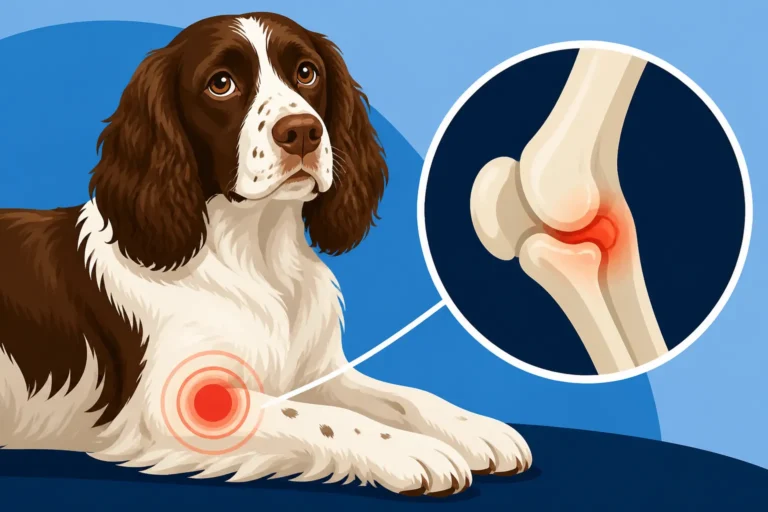
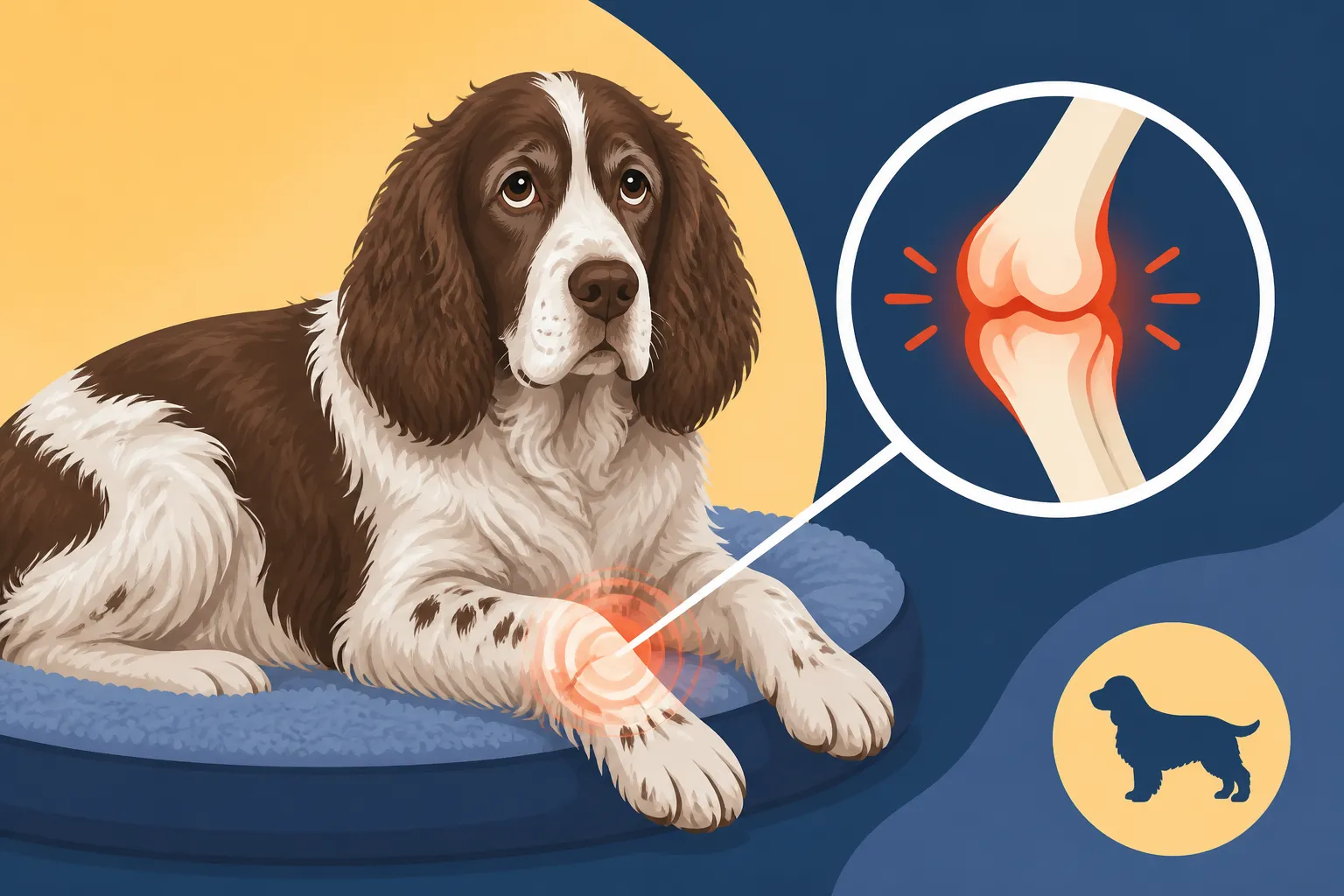
Arthritis, or osteoarthritis, is a progressive and painful condition caused by the deterioration of cartilage in the joints. For a breed as active and enthusiastic as the English Springer Spaniel, the signs can sometimes be subtle at first, easily dismissed as just "getting old." But it’s crucial to recognize these early indicators so you can intervene and provide relief.
The Subtle Shifts in Movement and Enthusiasm
You might not see your Springer overtly limping at first. Instead, pay close attention to changes in their daily routine and movement patterns. Perhaps they are a bit stiff when they first wake up in the morning or after a long nap, taking a few shaky steps before loosening up. This is a classic sign of joint discomfort. They might hesitate before jumping onto the sofa or into the car, or they might even start taking the stairs one step at a time instead of bounding up them two by two. These are not just "old dog" quirks; they are often cries for help from aching joints.
Think about how much your Springer used to love their walks. Are they now lagging behind, cutting the walk short, or showing less enthusiasm when you grab the leash? That keen drive that defines a Springer Spaniel might diminish. They might be less inclined to chase after a thrown toy with the same gusto, preferring to simply retrieve it without the exuberant pounce. These changes are heartbreaking to witness, but understanding them as symptoms rather than just a loss of puppy spirit is the first step toward effective management. You can learn more about what to expect as they age in our guide on Caring for a Springer Spaniel Past Nine.
Behavioral Changes That Signal Pain
Beyond just movement, arthritis can manifest in noticeable shifts in your Springer's behavior and personality. Pain can make even the sweetest dog irritable. If your Springer snaps or growls when touched in a certain area, or seems less tolerant of children or other pets, it could be a sign they’re experiencing chronic discomfort. Licking at their joints excessively, especially their wrists, elbows, hips, or knees, is another common indicator. This self-soothing behavior is a way they try to cope with the nagging ache.
Some Springers might become withdrawn, preferring to sleep more or isolate themselves. Others might struggle to get into a comfortable position to rest, circling repeatedly before finally settling down, only to shift again a few minutes later. They might also lose interest in grooming themselves, leading to a duller coat, or they might stop lifting a leg to pee as high, or start having "accidents" in the house because holding it or posturing is painful. Recognizing these less obvious signs is vital, as they often precede more overt lameness. It truly changes the dynamic of The Daily Routine a Springer Spaniel Actually Needs when arthritis sets in.
Understanding Why Springer Spaniels Get Arthritis
Arthritis isn't just bad luck; it often has roots in a combination of genetics, their active lifestyle, and other contributing factors specific to the breed. Understanding these underlying causes can help you be more proactive in their care.
Genetic Predispositions to Joint Issues
Unfortunately, English Springer Spaniels are predisposed to certain orthopedic conditions that often lead to arthritis later in life. Hip and elbow dysplasia are at the top of this list. Hip dysplasia, where the hip joint doesn't form correctly, causing the ball and socket to grind instead of glide smoothly, is a significant concern. Over time, this grinding leads to inflammation, pain, and eventually, arthritis. Likewise, Elbow Dysplasia in a Springer Spaniel is a condition where the elbow joint develops abnormally, leading to similar wear and tear on the cartilage.
Reputable breeders screen their breeding stock for these conditions through certifications like those from the Orthopedic Foundation for Animals (OFA) or PennHIP. However, even with diligent breeding, no dog is entirely immune. If your Springer comes from lines with a history of these issues, it's wise to be extra vigilant for early signs of arthritis as they age. Early awareness of these conditions, even if latent, is why a thorough vet visit is so important.
The Impact of a High-Energy Life
Springers are natural athletes, bred for boundless energy and a strong drive to work. This very trait, while wonderful, can also be a double-edged sword when it comes to joint health. All that running, jumping, retrieving, and weaving through cover puts significant stress on their joints over a lifetime. Imagine the impact of countless leaps from the truck bed, sudden stops in the field, or hours spent quartering through dense terrain. Over The Twelve to Fourteen Years a Springer Spaniel Lives, this continuous activity can lead to micro-traumas and accelerated wear and tear on cartilage, paving the way for arthritis.
While we would never want to deny a Springer their inherent joy of movement, it highlights the importance of moderation and proper conditioning throughout their lives. A sudden burst of intense activity after a period of rest can be particularly jarring for joints that are already starting to show signs of aging. It's a fine balance between keeping them fit and active and protecting their joints from excessive strain.
Contributing Factors: Weight, Diet, and Past Injuries
Beyond genetics and activity levels, several other factors can significantly contribute to the development and progression of arthritis in your Springer Spaniel. Weight management is paramount. An overweight Springer puts undue stress on their already compromised joints, exacerbating pain and accelerating cartilage degeneration. Even a few extra pounds can make a huge difference in their comfort level. Keeping them at a healthy, lean weight is one of the most impactful things you can do to manage arthritis. You can learn more about how diet impacts senior dogs in What an Old Springer Spaniel Should Be Fed.
Past injuries, even those that seemed minor at the time, can also predispose a joint to arthritis. A sprain, a torn ligament, or a fracture can alter the biomechanics of the joint, leading to uneven wear over the years. Nutritional support, including a balanced diet rich in anti-inflammatory omega-3 fatty acids, can also play a role in joint health. It's a holistic approach that often provides the best results for these wonderful dogs.
Managing Arthritis for Your Senior Springer Spaniel
Once arthritis is diagnosed, the goal shifts from prevention to management. While there’s no cure, a multi-faceted approach focusing on pain relief, joint support, and lifestyle adjustments can significantly improve your Springer's quality of life. This usually involves close collaboration with your veterinarian.
The Veterinary Diagnosis and Treatment Plan
If you suspect your Springer Spaniel has arthritis, the first and most crucial step is a visit to your veterinarian. They will conduct a thorough physical examination, feeling their joints for swelling, pain, and reduced range of motion. Often, X-rays will be recommended to confirm the diagnosis, assess the severity of the joint changes, and rule out other conditions. This diagnostic process is essential for tailoring an effective treatment plan.
Your vet will likely discuss various medical interventions. Non-Steroidal Anti-Inflammatory Drugs (NSAIDs) are a cornerstone of arthritis management, effectively reducing pain and inflammation. Popular options include carprofen (Rimadyl), meloxicam (Metacam), firocoxib (Previcox), and grapiprant (Galliprant). It's crucial to follow your vet's dosing instructions precisely, as these medications can have side effects. Blood work will typically be recommended periodically to monitor liver and kidney function while on NSAIDs. In some cases, other pain medications like gabapentin or tramadol might be added to the regimen, particularly for more severe pain or when NSAIDs alone aren't enough.
Another common treatment involves joint injections, such as polysulfated glycosaminoglycans (Adequan) or corticosteroids. These can help lubricate the joint, reduce inflammation, and even promote cartilage health. Your vet might also discuss newer treatments like platelet-rich plasma (PRP) or stem cell therapy, which are showing promise in regenerating damaged tissue and reducing pain.
Home Modifications for Comfort and Safety
Making your home arthritis-friendly can dramatically improve your Springer's daily comfort and prevent further injury. Consider adding ramps or pet stairs to help them access furniture they used to jump on, or to get into and out of the car. Many a stiff Springer has found relief from using a ramp instead of straining to leap.
Invest in orthopedic dog beds. These beds, often made with memory foam, provide superior support and cushioning for aching joints, allowing your Springer to rest more comfortably. Place them in warm, draft-free areas, as cold and dampness can exacerbate joint pain. Think about traction: if you have slippery floors like hardwood or tile, consider placing rugs or runners in high-traffic areas to give your Springer better grip and prevent slips and falls, which can be incredibly painful. You can find more practical advice in Where an Arthritic Springer Spaniel Should Sleep. Small adjustments around the house can make a world of difference.
| Management Strategy | Description | Benefits | Considerations |
|---|---|---|---|
| NSAIDs | Prescription anti-inflammatory drugs | Reduces pain and inflammation effectively | Potential side effects; requires vet monitoring |
| Joint Supplements | Glucosamine, chondroitin, MSM, Omega-3s | Supports cartilage health, reduces inflammation | Slow acting, not a standalone pain reliever |
| Weight Management | Maintaining a lean body condition | Decreases stress on joints, improves mobility | Requires consistent diet and exercise discipline |
| Controlled Exercise | Regular, low-impact activity | Builds muscle, maintains flexibility, prevents stiffness | Avoid overexertion; monitor for signs of pain |
| Physical Therapy | Hydrotherapy, therapeutic exercise, massage | Improves range of motion, strengthens muscles, reduces pain | Can be costly; requires trained professional guidance |
| Home Modifications | Ramps, orthopedic beds, non-slip surfaces | Enhances comfort, safety, and accessibility | Initial investment; may change home aesthetics |
| Alternative Therapies | Acupuncture, cold laser, chiropractic | Complementary pain relief, improved nerve function | Varies in effectiveness; may not be covered by insurance |
Nutritional Support and Joint Supplements
Diet plays a significant role in managing arthritis. Your vet might recommend a specific therapeutic diet formulated for joint health, which often contains higher levels of omega-3 fatty acids and joint-supporting nutrients. For most Springers with arthritis, a high-quality senior dog food is a good starting point, but always consult your vet about the best dietary choices.
Joint supplements are a popular addition to arthritis management plans. Key ingredients often include glucosamine, chondroitin, and MSM, which are believed to help repair and protect cartilage and reduce inflammation. Omega-3 fatty acids, particularly EPA and DHA from fish oil, are also powerful anti-inflammatories. When choosing supplements, look for reputable brands and discuss options with your vet to ensure they are appropriate and effective for your Springer. Remember, supplements work best as part of a comprehensive plan, not as a standalone solution. Our article on Joint Supplements for a Springer Spaniel delves deeper into these options.
Controlled Exercise and Weight Management
It might seem counterintuitive to exercise a dog with painful joints, but controlled, low-impact activity is crucial. Complete inactivity can actually worsen arthritis by causing muscles to atrophy and joints to stiffen. The key is moderation. Short, frequent walks on soft surfaces like grass, swimming (which is excellent as it’s non-weight bearing), or gentle leash walks are ideal. Avoid high-impact activities like jumping, sprinting, or long, strenuous hikes. The goal is to keep the joints mobile and muscles strong to support them without causing further damage or pain. Observing your dog's comfort level is vital; if they seem more painful after an activity, it was too much.
Maintaining a healthy weight is arguably one of the most critical aspects of arthritis management. Every extra pound increases the load on already compromised joints, intensifying pain and accelerating degeneration. Work with your vet to establish a target weight for your Springer and a realistic feeding plan. This might involve reducing calorie intake, switching to a weight-management food, or incorporating more low-calorie treats. Consistent weight management can significantly improve your Springer's mobility and comfort for years to come.
Supporting Your Springer Spaniel's Mobility and Comfort
Beyond the basic veterinary care and home adjustments, there are many other ways to enhance your arthritic Springer's comfort and keep their spirits high.
Physical Rehabilitation and Therapy
Just like in humans, physical rehabilitation can be incredibly beneficial for dogs with arthritis. This might include hydrotherapy (underwater treadmill or swimming), therapeutic exercises, massage, and stretching. Hydrotherapy is particularly good because the buoyancy of the water reduces stress on joints while allowing for muscle strengthening and improved range of motion. Certified canine rehabilitation therapists can develop a personalized program for your Springer, focusing on pain reduction, muscle strengthening, and improved flexibility. These specialized treatments can make a profound difference in their daily comfort and mobility.
Modalities like cold laser therapy (low-level laser therapy) and therapeutic ultrasound can also be used to reduce pain and inflammation and promote tissue healing. These are non-invasive treatments that many dogs tolerate well and often enjoy due to the warmth they provide.
Alternative and Complementary Therapies
Many owners explore alternative and complementary therapies to further support their Springer's comfort. Acupuncture, an ancient Chinese practice involving the insertion of fine needles into specific points on the body, can be very effective in managing chronic pain and inflammation. It works by stimulating nerve function and releasing natural pain-relieving substances. Many veterinary acupuncturists are available, and the sessions are generally well-tolerated by dogs.
Chiropractic care for dogs, performed by a certified veterinary chiropractor, focuses on ensuring proper alignment of the spine and other joints, which can relieve pressure and improve nerve function, indirectly easing arthritis pain. Always ensure any practitioner you choose is certified and experienced in treating animals. These therapies aren't typically a standalone solution but can be powerful additions to a comprehensive management plan. It's a journey, and you'll find that these older dogs still want to be a part of things, as explored in Whether an Old Springer Spaniel Still Wants to Work.
When to Consider Pet Insurance
The ongoing costs associated with managing chronic conditions like arthritis can be substantial. From regular vet check-ups and prescription medications to specialized therapies like hydrotherapy or acupuncture, the bills can add up. This is where pet insurance can be a real lifesaver. Investing in pet insurance, perhaps from a provider like Healthy Paws, can certainly alleviate some of the financial burden, allowing you to focus on getting your Springer the best possible care without constant worry about the cost.
Many owners find relief knowing that their pet insurance, such as a plan from Healthy Paws, helps cover these continuous medical expenses, making it easier to say "yes" to recommended treatments and ensuring your beloved companion receives all the support they need to stay comfortable and active for as long as possible. Policies vary, so it's always a good idea to research what's covered for chronic conditions and whether they have age limitations for enrollment. A proactive approach to pet insurance can offer peace of mind when facing age-related health challenges.
Disclaimer
This article is intended for informational purposes only and is not a substitute for professional veterinary advice, diagnosis, or treatment. Always seek the advice of your veterinarian or other qualified animal health provider with any questions you may have regarding a medical condition.