How Often a Springer Spaniel Gets Ear Infections
If you're a Springer Spaniel owner, you know the struggle: those beautiful, long, floppy ears are undeniably charming, but they can also be a magnet for trouble, often leading to recurring, frustrating ear infections. It feels like a constant battle, doesn't it? This comprehensive guide is here to shed light on why your Springer seems to get ear infections so often, how to spot the signs early, and what proactive steps you can take to keep those adorable ears healthy and happy.
Why Springer Spaniels Are Prone to Ear Infections
It's not just bad luck; there are very specific reasons why English Springer Spaniels are so susceptible to ear infections. Understanding these factors is the first crucial step in breaking the cycle of recurring issues. Their anatomy, their adventurous nature, and even underlying health concerns all play a significant role in making their ears a prime environment for problems.
The Unique Anatomy of a Springer Spaniel's Ear
Let's start with those iconic, long, pendulous ear flaps. While they give Springers their distinctive look, they also create a warm, moist, dark environment within the ear canal. Unlike dogs with upright ears where air can circulate freely, a Springer's ear flap essentially seals off the ear canal, trapping moisture and heat inside. This makes it an ideal breeding ground for bacteria and yeast, which thrive in such conditions. Imagine wearing earmuffs all day, every day – that's a bit like what it's like for your Springer's ear canal.
Beyond the external flap, the internal structure of a Springer's ear canal is also a contributing factor. Their ear canals are often more convoluted and hairy than many other breeds. This combination means that debris, wax, and foreign objects have more places to get trapped, and it's harder for natural drainage to occur. Even a small amount of trapped moisture from a bath or swim can linger and lead to an overgrowth of microorganisms. This anatomical predisposition is a big part of why you might feel like your Springer Spaniel's ears are never quite healthy.
Lifestyle Factors and Environmental Triggers
Springer Spaniels are active, enthusiastic dogs who love to explore, especially outdoors. This lifestyle, while wonderful for their overall well-being, unfortunately exposes their ears to a multitude of environmental triggers. If your Springer loves to swim, which many do, water can easily get trapped deep within the ear canal, exacerbating the moisture issue. Whether it's a dip in a pond, a lake, or even just a bath at home, water can be a major culprit. For more on this, you might want to read about Whether Swimming Causes a Springer Spaniel's Ear Trouble.
Beyond water, their tendency to plunge their noses into tall grass, dense undergrowth, and muddy puddles means their ears are constantly sweeping up dirt, plant material, and even tiny seeds or grass awns. These foreign bodies can irritate the delicate lining of the ear canal, create micro-abrasions, or even become lodged deep inside, leading to severe infections and inflammation. Even simple things like dust or pollen can settle in, triggering an allergic reaction that manifests as an ear infection.
Underlying Health Conditions Contributing to Ear Issues
Sometimes, ear infections aren't just about external factors; they can be a symptom of a deeper, systemic issue. Allergies are incredibly common in Springer Spaniels and are a major driver of chronic ear problems. Just like people can get itchy skin, dogs can have allergic reactions to food or environmental allergens like pollen, dust mites, or certain grasses. These allergies often present as itchy, inflamed skin, and the ears are a common target. If your Springer Spaniel's ear infection is allergy driven, you might notice them scratching more generally or licking their paws, alongside the typical ear symptoms.
Other less common but still significant underlying conditions can also contribute. Hypothyroidism, while not as prevalent, can sometimes manifest with skin and ear issues. Autoimmune diseases, though rarer, can also cause inflammation that impacts the ears. Even seemingly unrelated issues that compromise the immune system can make a Springer more vulnerable. That's why recurrent ear infections aren't just a nuisance; they're often a signal that something else might be going on, requiring a thorough investigation by your veterinarian.
Recognizing and Addressing Recurrent Ear Infections
It's easy to dismiss a head shake here or a quick scratch there, but with Springers, these subtle cues can be the early warning signs of an ear infection brewing. Catching these problems early can save your dog discomfort and prevent more severe, harder-to-treat conditions.
Spotting the Subtle Signs of an Impending Infection
Your Springer Spaniel can't tell you their ear hurts, so it's up to us to be observant. Early signs can be incredibly subtle. You might notice your dog shaking their head a little more frequently, perhaps only after they've been outside or had a drink of water. They might be scratching at one ear more than the other, or rubbing their head along furniture or the carpet. Sometimes, a change in behavior is the first indicator – maybe they're a little more irritable, less eager to play, or just seem generally uncomfortable.
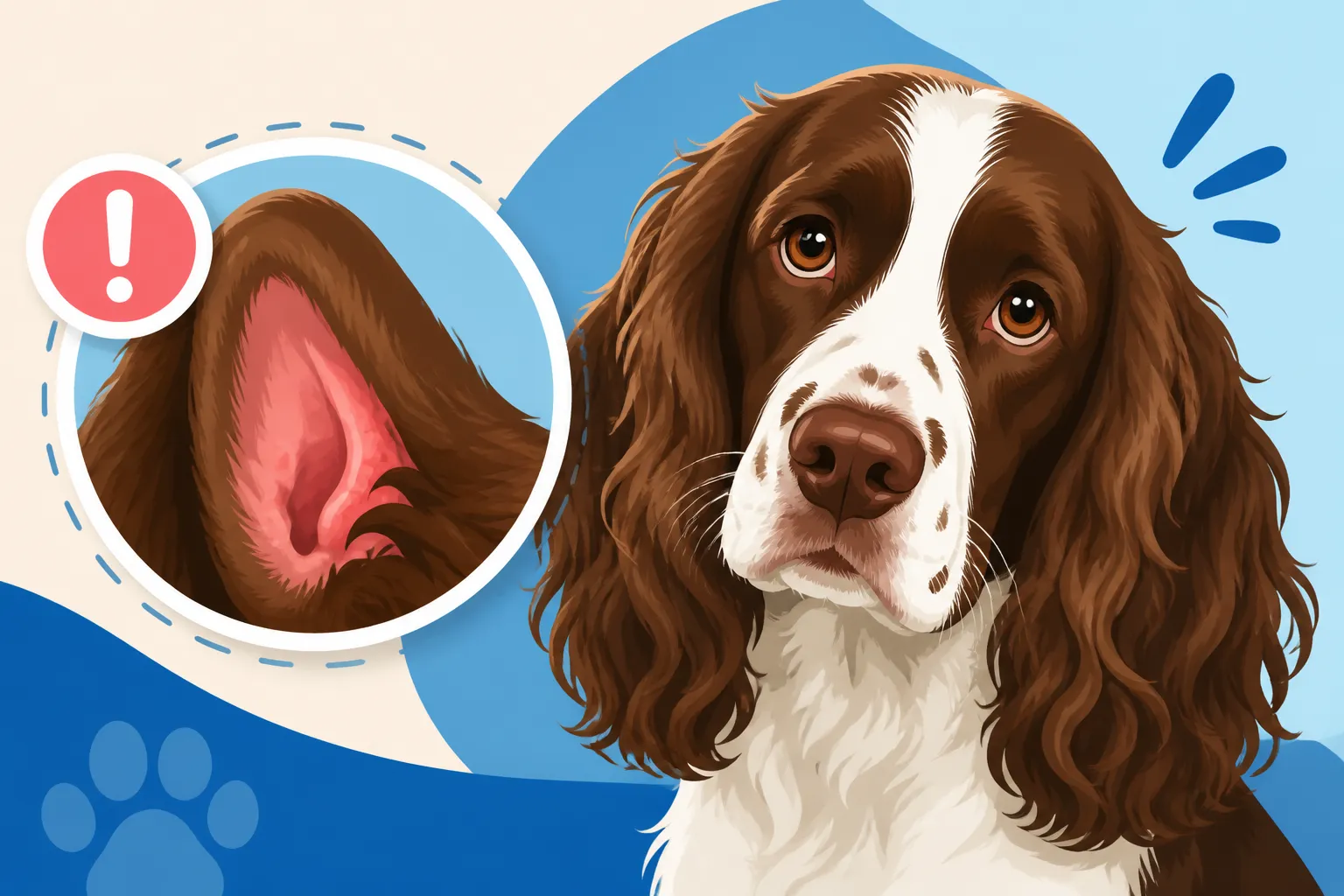
As the infection progresses, the signs become more obvious. You might observe a foul odor emanating from the ear – often described as yeasty or pungent. There could be discharge, which can range from yellowish-brown to dark brown or even black, and it might be waxy or pus-like. The inside of the ear flap and the opening of the ear canal might appear red, swollen, or unusually warm to the touch. If you try to gently touch their ear, they might flinch, whimper, or pull away, indicating pain. These are clear signs a Springer Spaniel has an ear infection, and it's time to act.
Understanding the Different Types of Ear Infections
Ear infections, or otitis externa, aren't all the same, and understanding the common culprits can help you work with your vet to find the right treatment. The vast majority are caused by an overgrowth of bacteria or yeast, or a combination of both. Bacterial infections often present with yellowish-green pus and a strong odor, while yeast infections tend to produce a dark, waxy discharge and a characteristic "yeasty" smell. Sometimes, both are present, making treatment more complex.
Less commonly, ear mites can cause intense itchiness and a dark, crumbly discharge that resembles coffee grounds, though these are more common in puppies and outdoor cats. As mentioned earlier, foreign bodies like grass awns can also cause severe, acute inflammation and infection. It's crucial for your vet to accurately diagnose the type of infection through a cytology exam, where they look at a sample of the ear discharge under a microscope. This ensures they prescribe the most effective medication, avoiding guesswork that can lead to ineffective treatment and further frustration.
The Frustration of Chronic Ear Problems
If you've been through multiple rounds of ear drops, oral medications, and vet visits, you know how incredibly frustrating chronic ear problems can be. It's not just the financial strain, which can be significant – thinking about what a Springer Spaniel owner spends on ear care in a decade can be daunting – but also the emotional toll of seeing your beloved dog in discomfort repeatedly. These persistent infections can lead to thickening of the ear canal walls, narrowing the passage even further, and making it even harder for medications to penetrate and for the ear to air out naturally. This is a vicious cycle that can develop into chronic ear disease.
The constant inflammation can also lead to secondary complications, such as aural hematomas (blood blisters on the ear flap caused by vigorous head shaking) or even rupture of the eardrum. In severe, long-standing cases, the damage can become irreversible, leading to deafness or requiring extensive surgery, such as a Total Ear Canal Ablation (TECA), to alleviate pain and infection. This is a big part of why it's so important to be proactive and persistent in managing your Springer's ear health.
Preventative Care and Long-Term Management Strategies
While some Springer Spaniels might seem destined for ear trouble, there’s a lot you can do to minimize the frequency and severity of infections. A consistent routine and thoughtful management are key to keeping those ears in top condition.
Establishing a Consistent Ear Cleaning Routine
Regular ear cleaning is perhaps the most important preventative measure for a Springer Spaniel. Aim to clean your Springer's ears weekly, or even more frequently if they're particularly prone to issues or spend a lot of time in water or dirty environments. You'll want to use a veterinarian-approved ear cleaner that's designed for dogs. Never use alcohol, hydrogen peroxide, or vinegar solutions unless specifically advised by your vet, as these can be irritating or even harmful, especially if the eardrum is compromised. For more detailed information on choosing the right product, you might want to look into Which Ear Cleaner Suits a Springer Spaniel.
To clean, gently lift the ear flap and squeeze a generous amount of cleaner into the ear canal until it's full. Massage the base of the ear vigorously for about 30 seconds – you should hear a squishing sound. This helps loosen wax and debris. Then, use cotton balls or soft gauze to wipe away the cleaner and debris from the visible parts of the ear. Never insert cotton swabs or anything else deep into the ear canal, as this can push debris further in or damage the eardrum. It's really about flushing and wiping, not probing.
Drying Techniques After Water Exposure
Given how much Springers love water, mastering post-water ear drying is non-negotiable. After every swim, bath, or even a walk in the rain, make it a habit to thoroughly dry your Springer's ears. Start by gently blotting the outer ear flap and the entrance to the ear canal with a soft, absorbent towel. Then, you can use a drying solution, specifically formulated for dogs, which often contains ingredients that help acidify the ear canal and evaporate moisture. A few drops of such a solution can make a world of difference.
For Springers who spend a lot of time retrieving in water, a head towel or even specialized ear covers for dogs can help absorb excess moisture right after their activity. The key is to get the ears dry before bacteria and yeast have a chance to proliferate in a damp environment. Don't underestimate the power of simply taking the time to dry them out properly. This is one of the most critical steps in preventing moisture-related infections and something every Springer Spaniel owner should be doing regularly.
Dietary and Allergy Management
Sometimes, the solution to recurrent ear infections lies not in cleaning, but in what goes into your Springer Spaniel's food bowl. As discussed, allergies are a huge factor, and often, those allergies are food-related. Common food allergens for dogs include chicken, beef, dairy, wheat, and soy. If your vet suspects food allergies, they might recommend an elimination diet, which involves feeding a novel protein or hydrolyzed protein diet for several weeks to see if symptoms improve. This can be a significant commitment but often yields dramatic results. You might explore Telling a Food Itch From a Pollen Itch in a Springer Spaniel for more insights.
For environmental allergies, management might involve regular bathing with hypoallergenic shampoos, avoiding known triggers (if possible), or even veterinary-prescribed medications like antihistamines, steroids, or newer immune-modulating drugs such as Apoquel or Cytopoint. These treatments don't just stop the itch; they reduce the inflammation that makes the ears susceptible to infection. Working closely with your veterinarian or a veterinary dermatologist is crucial to pinpointing the specific allergens and developing a comprehensive management plan that addresses the root cause of the problem.
When to Seek Veterinary Intervention and What to Expect
Even with the best preventative care, ear infections can still crop up. Knowing when to stop trying home remedies and head to the vet is crucial, as is understanding the diagnostic and treatment options available.
When Home Remedies Aren't Enough
As a loving dog owner, it's natural to want to try gentle solutions at home first. However, if you notice any clear signs of an ear infection – strong odor, discharge, redness, swelling, or pain – it's always best to consult your veterinarian promptly. Delaying treatment can allow the infection to worsen, penetrate deeper into the ear canal, or become chronic and much harder to resolve. Over-the-counter ear cleaners are fantastic for prevention and maintenance, but they are generally not curative for an active infection.
If your Springer Spaniel is showing intense discomfort, such as persistent head shaking, yelping when their ear is touched, or seems disoriented, this is an emergency. It could indicate a severe infection, a ruptured eardrum, or a foreign object lodged deep inside. Don't wait; get them to the vet immediately. Early intervention is always less invasive, less painful for your dog, and less costly in the long run than trying to tackle a well-established infection.
Advanced Diagnostics and Treatment Options
When you visit the vet for an ear infection, they'll typically start by performing an otoscopic exam, looking into the ear canal with a special lighted instrument. This allows them to visualize the ear canal, check for foreign bodies, assess the severity of inflammation, and importantly, ensure the eardrum is intact. They will also almost certainly take a sample of the ear discharge for cytology, which involves examining it under a microscope to identify the types of bacteria or yeast present. This guides their choice of medication.
Treatment usually involves a course of medicated ear drops, which often contain antibiotics, antifungals, and anti-inflammatory steroids. Your vet might also prescribe oral antibiotics or anti-inflammatories, especially for severe or deep-seated infections. For chronic or resistant cases, a culture and sensitivity test might be recommended. This involves sending a sample to a lab to identify the specific bacterial strain and determine which antibiotics will be most effective against it. In extreme cases, if the ear canal is severely narrowed due to chronic inflammation, or if there's a tumor, your vet might even discuss Whether a Springer Spaniel Needs Ear Surgery to provide relief.
Considering Pet Insurance for Chronic Conditions
Living with a Springer Spaniel who battles frequent ear infections can certainly impact your wallet. From recurring vet visits, cytology tests, multiple rounds of ear drops, oral medications, and potentially dermatology referrals, the costs can add up quickly. This is where pet insurance can be a real lifesaver. Companies like Healthy Paws offer comprehensive plans that can cover a significant portion of these unexpected and ongoing veterinary expenses, making it easier for you to say "yes" to the best treatment options for your furry friend without financial stress.
Imagine facing the need for a specialized allergy workup or even surgery – the cost of which can be substantial. Having a good pet insurance policy, such as those from Healthy Paws, can provide peace of mind and ensure your Springer gets the continuous care they need for their chronic ear issues. It's definitely worth looking into Whether Insurance Covers a Springer Spaniel's Ears, and how an insurer like Healthy Paws handles chronic conditions or those that might become pre-existing if not insured early. Planning ahead for potential health issues is a smart move for any Springer Spaniel owner.
Disclaimer
This article is intended for informational purposes only and does not constitute medical advice. Always consult with a qualified veterinarian for any health concerns or before making any decisions about your pet's health or treatment plan.