Whether a PFK Springer Spaniel Should Be Bred
It’s truly heartbreaking when you discover your beloved English Springer Spaniel is affected by a genetic condition like Phosphofructokinase (PFK) deficiency. The dreams you might have had about them continuing their magnificent line can feel shattered, leaving you with tough questions about responsible breeding. This guide will delve deep into the realities of PFK deficiency, its inheritance, and why breeding an affected Springer Spaniel, regardless of how much you adore them, carries significant ethical and genetic implications for the breed’s future.
Understanding PFK Deficiency in English Springer Spaniels
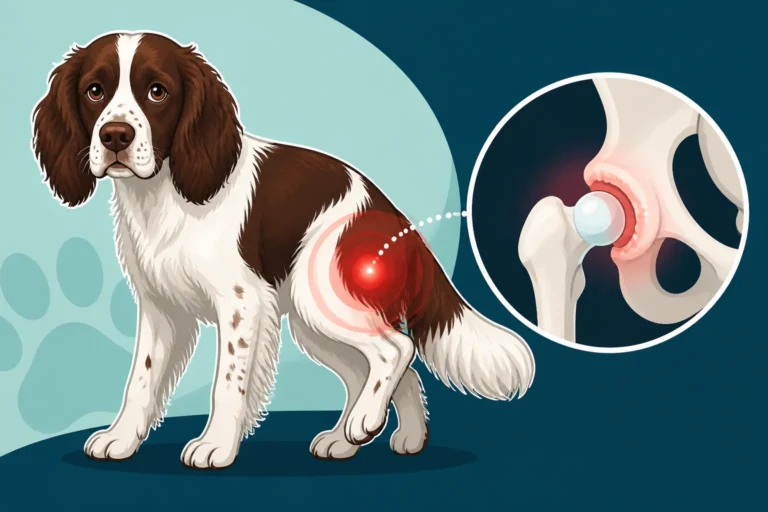
PFK deficiency is one of those silent conditions that can really catch you off guard, and it’s a genetic issue that has sadly cropped up in our beloved Springers. It's a metabolic disorder that affects the way a dog's red blood cells and muscle cells produce energy. Dogs with PFK deficiency can seem perfectly normal much of the time, leading to a false sense of security, until they're put under stress, either from strenuous exercise, excitement, or even just being a little too warm.
What PFK Deficiency Actually Means for Your Dog
Imagine your dog's body as a finely tuned machine, and PFK (phosphofructokinase) is a critical spark plug in the engine that powers their red blood cells and muscles. When this spark plug isn't working right, the cells can't produce energy efficiently. This leads to a range of symptoms, often starting with exercise intolerance. You might notice your energetic Springer suddenly lagging behind on a walk, becoming weak, or even collapsing. In more severe cases, dogs can develop hemolytic anemia, which means their red blood cells are breaking down too quickly.
One of the most striking, and often alarming, signs is when a PFK Springer Spaniel passes dark urine. This dark color is due to the presence of bilirubin or hemoglobin from the broken-down red blood cells, a clear indicator that something significant is amiss internally. It's not just about energy; it's about the fundamental health of their blood system. While some dogs might live relatively normal lives with careful management, others can suffer repeated crises, underscoring why managing a Springer Spaniel with PFK deficiency often requires a proactive approach and a strong partnership with your vet.
How PFK is Inherited: The Autosomal Recessive Mystery
PFK deficiency is passed down through an autosomal recessive inheritance pattern. This fancy term simply means a dog needs to inherit two copies of the faulty gene—one from each parent—to actually be affected by the condition. If they only inherit one copy, they won't show symptoms, but they will be a "carrier." A carrier dog is essentially a silent courier, holding onto that genetic information and capable of passing it on to their offspring.
This is where things get tricky and why The DNA Test That Should Precede Every Springer Spaniel Purchase is so crucial. A "clear" dog has two normal copies of the gene. When you breed two clear dogs, all puppies will be clear. When you breed a clear dog with a carrier, about half the puppies will be clear, and half will be carriers, but none will be affected. The real problem arises when you breed a carrier with another carrier, or worse, a carrier with an affected dog. That's when you dramatically increase the chances of producing affected puppies, bringing more heartbreak into the world.
The Ethical Dilemma of Breeding an Affected Dog
The idea of breeding an affected PFK Springer Spaniel, even one that you cherish and that perhaps only shows mild signs, raises significant ethical questions. Your dog might be wonderful, with a fantastic temperament and impressive looks, but passing on a known genetic disease is a decision with far-reaching consequences. It's not just about the immediate litter; it’s about the health of the entire English Springer Spaniel gene pool.
Responsible breeders are striving to eliminate such genetic diseases from the breed. By intentionally breeding an affected dog, you are actively working against these efforts, perpetuating the faulty gene and potentially creating more suffering for future generations of Springers and their owners. It becomes less about an individual dog’s traits and more about the collective responsibility we have to maintain and improve the health of the breed we love so much.
The Genetic Ramifications of Breeding a PFK-Affected Springer Spaniel
When we talk about breeding, it’s not just about two beautiful dogs making puppies. It’s about understanding the genetic dice roll and making informed choices that protect the health of the offspring and, by extension, the entire breed. Breeding a PFK-affected Springer Spaniel has predictable and undesirable genetic outcomes, which any ethical breeder aims to avoid.
Why an Affected Dog Will Pass on the Gene
An affected PFK Springer Spaniel, by definition, possesses two copies of the faulty gene. Let's call the faulty gene 'p' and the normal gene 'P'. A clear dog is PP, a carrier is Pp, and an affected dog is pp. When an affected dog (pp) produces offspring, every single one of its puppies will receive at least one 'p' gene from that parent. There's no escaping it. This means that at best, if bred to a clear dog (PP), all puppies will be carriers (Pp). At worst, if bred to another affected dog (pp), all puppies will be affected (pp). If bred to a carrier (Pp), half will be affected (pp) and half will be carriers (Pp).
This is a non-negotiable genetic truth. No matter how strong the desire to breed from your beloved affected dog, the certainty that they will pass on this problematic gene means that you are knowingly introducing or perpetuating the risk of PFK deficiency in every single puppy they produce.
The Probability of Producing Affected or Carrier Puppies
Let's look at the numbers. Genetics isn't always 100% predictable for every single puppy in a litter, but the probabilities are very clear over many offspring. If you breed an affected dog (pp):
- With a clear dog (PP): All puppies will be carriers (Pp). While they won't show symptoms of PFK deficiency, they will carry the gene and could pass it on if they are later bred.
- With a carrier dog (Pp): Approximately 50% of the puppies will be affected (pp), and 50% will be carriers (Pp). This means half the litter could suffer from the clinical signs of PFK deficiency.
- With another affected dog (pp): All puppies will be affected (pp). This is the most irresponsible scenario, guaranteeing suffering for the entire litter.
This table illustrates the possible outcomes:
| Parent 1 (Affected: pp) | Parent 2 (Clear: PP) | Parent 2 (Carrier: Pp) | Parent 2 (Affected: pp) |
|---|---|---|---|
| Offspring | 100% Carriers (Pp) | 50% Affected (pp), 50% Carriers (Pp) | 100% Affected (pp) |
As you can see, even in the "best-case" scenario, where an affected dog is bred to a clear one, you're guaranteed to produce carriers. This simply means you're creating more potential breeding dogs that could, in turn, produce affected puppies down the line if not properly tested.
Perpetuating the Problem in the Gene Pool
Every decision to breed impacts the genetic health of the breed as a whole. When you breed an affected dog, you are essentially ensuring that the PFK gene continues to circulate. Even if you only produce carriers, those carriers could then be unwittingly bred to other carriers by less informed owners, leading to affected puppies appearing in future generations. This can undermine years of diligent work by responsible breeders who are trying to eliminate genetic diseases through careful screening and selective breeding.
This isn't about shaming owners of affected dogs; it's about making choices that prioritize the long-term health and well-being of the Springer Spaniel breed. The goal is to reduce the incidence of these conditions, not propagate them. Breeders and owners have a shared responsibility to safeguard the future health of these wonderful dogs, and that starts with understanding and respecting genetic principles. Whether a PFK Springer Spaniel Lives a Normal Span often depends heavily on careful management, and we want future Springers to have the best chance at a healthy life without this burden.
The Broader Responsibility to the Breed and Future Generations
It’s easy to get caught up in the love for our individual dogs, and rightly so! They are family. But when it comes to breeding, our gaze must broaden to encompass the entire breed and the generations of puppies yet to come. This perspective shifts the focus from personal desire to collective responsibility, ensuring the vitality and health of English Springer Spaniels for years to come.
The Importance of Genetic Testing Before Breeding
This cannot be stressed enough: genetic testing is the cornerstone of responsible breeding. Before any English Springer Spaniel is considered for breeding, both prospective parents should undergo a comprehensive health panel. This panel should absolutely include specific tests for genetic diseases prevalent in the breed, such as PFK deficiency and Fucosidosis. The Health Tests Both Springer Spaniel Parents Should Have extend beyond PFK and Fucosidosis to include hip and elbow evaluations, and eye exams, but PFK is non-negotiable.
For PFK, it's a simple DNA test. You can find out What the Springer Spaniel PFK Test Costs from various reputable labs like Optigen or Embark. Knowing a dog's PFK status (clear, carrier, or affected) is fundamental. A responsible breeder will use this information to make informed decisions, ensuring that at least one parent is clear of the condition if they choose to breed a carrier, and unequivocally not breeding an affected dog. As an owner, if you’re thinking of breeding, it’s worth considering Whether a Springer Spaniel Owner Should Test Their Own Dog to contribute to this knowledge.
Alternatives for Affected Dogs
If your Springer Spaniel is PFK-affected, it doesn't diminish their worth or their capacity to be a cherished family member. Far from it! These dogs deserve all the love and care in the world. The focus shifts from breeding to providing them with the best possible life as a companion. This means managing their condition, understanding What Triggers a PFK Episode in a Springer Spaniel, and adapting their lifestyle to minimize triggers.
Many affected dogs live happy, fulfilling lives as pets. This might mean adjusting their exercise routine, keeping them cool, and being vigilant for signs of an episode. Good veterinary care is paramount, and this is where having robust pet insurance, such as through a provider like Healthy Paws, can be an absolute lifesaver. What Insuring a Springer Spaniel Runs can seem like an added expense, but for a dog with a chronic condition like PFK deficiency, it can dramatically reduce the financial stress of ongoing treatments and emergency care. Healthy Paws can help ensure that you can always make the best medical decisions for your beloved companion without the added worry of exorbitant vet bills, allowing you to focus on their comfort and happiness.
Supporting Responsible Breeding Practices
As an English Springer Spaniel enthusiast, you have the power to support responsible breeding practices, whether you're a breeder yourself or a prospective puppy owner. Insist on seeing genetic test results for both parents, not just a verbal assurance. A transparent breeder will be eager to share these with you, along with other health clearances like OFA hip and elbow scores, and eye certifications. Whether a Springer Spaniel Health Panel Covers Both Diseases is a great question to ask your potential breeder.
When breeders make difficult, ethical choices, like deciding not to breed an affected dog or carefully planning matings to avoid producing affected puppies, they are demonstrating their commitment to the future of the breed. By seeking out and supporting these breeders, you are contributing to a healthier future for English Springer Spaniels everywhere. Let's make sure that future generations of these wonderful dogs inherit joy and vitality, not preventable genetic illnesses.
Disclaimer
The information provided in this article is for educational and informational purposes only, and does not constitute veterinary medical advice. Always consult with a qualified veterinarian for any health concerns or before making any decisions related to your pet's health or breeding practices.