Whether a Fucosidosis Springer Spaniel Loses Coordination
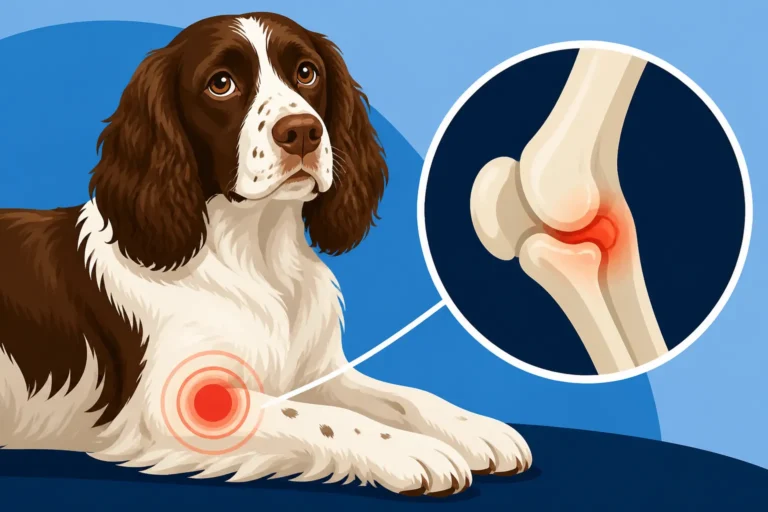
There's nothing quite as heartbreaking as watching your vibrant English Springer Spaniel slowly lose their zest for life, especially when a cruel genetic disease like Fucosidosis begins to take hold. This devastating condition doesn't just impact a dog's general health; it profoundly affects their neurological function. This guide will walk you through exactly how Fucosidosis causes a tragic decline in coordination, what you can expect as an owner, and how best to support your companion.
The Inevitable Loss of Coordination in Fucosidosis
It's a question that weighs heavily on the hearts of Springer Spaniel owners who are facing a Fucosidosis diagnosis: Will my dog lose their ability to move normally? The unfortunate and stark reality is yes, a Springer Spaniel afflicted with Fucosidosis will, without exception, experience a progressive and profound loss of coordination. This isn't just a minor wobble or an occasional stumble; it's a fundamental breakdown of the nervous system's ability to control movement, making every step a monumental effort.
Fucosidosis is classified as a lysosomal storage disease, a cruel genetic hand dealt to certain Springer Spaniel lines. In simple terms, your dog is missing a vital enzyme called alpha-L-fucosidase. This enzyme is crucial for breaking down certain complex sugars (fucose-rich glycoproteins) within the cells. Without it, these undigested materials accumulate, building up to toxic levels, especially within the delicate nerve cells of the brain and spinal cord. Imagine trying to run a sophisticated machine while clogging its critical pathways with sticky debris; eventually, it just can't function. This cellular obstruction directly damages neurons, leading to widespread neurological dysfunction, with ataxia (incoordination) being one of the most prominent and heartbreaking symptoms.
The initial signs of Fucosidosis can be quite subtle, often manifesting between 18 months and four years of age, though it can appear earlier or later. At first, you might dismiss a slight awkwardness or an uncharacteristic clumsiness as just your dog being a bit goofy. Maybe they're missing a jump they used to make effortlessly, or their gait just seems a touch off. However, these seemingly minor issues are the harbingers of the severe neurological decline to come. Many owners first notice Why a Fucosidosis Springer Spaniel Behaves Strangely First before physical coordination issues become undeniable.
How Neurological Damage Manifests as Ataxia
The term "ataxia" is used by veterinarians to describe a lack of voluntary coordination of muscle movements. This isn't muscle weakness or paralysis, but rather a disruption in the communication between the brain, spinal cord, and the muscles. For a Fucosidosis Springer Spaniel, this means the brain struggles to tell the legs, head, and body how to move smoothly and purposefully. The precise location of the accumulating cellular waste dictates the specific neurological signs, but generalized ataxia is a hallmark.
Gait Abnormalities and Tremors
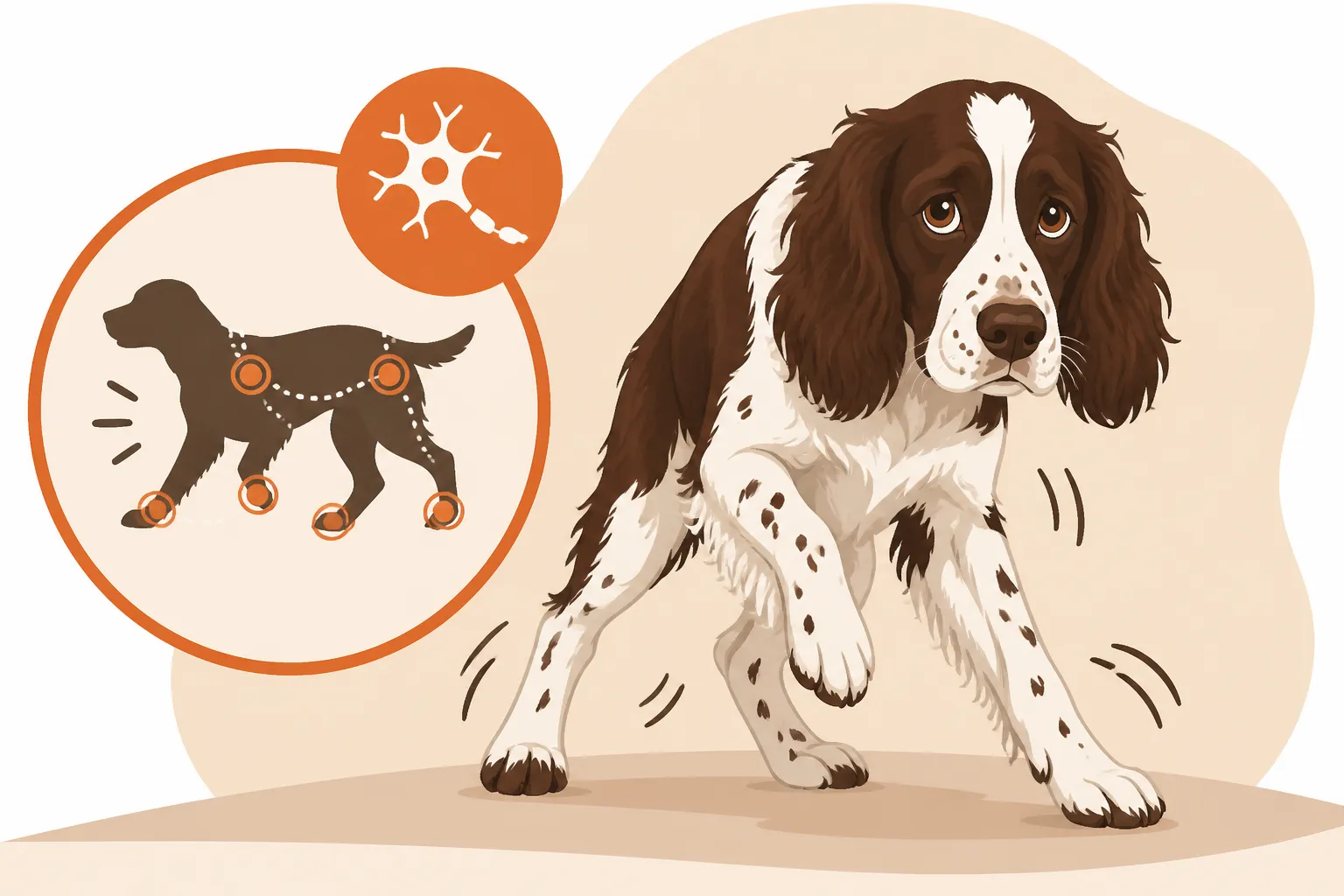
One of the earliest and most noticeable signs of coordination loss is a change in your Springer Spaniel's gait. They might start walking as if they are drunk, swaying from side to side, or taking unusually wide stances to maintain balance. Their steps might become exaggerated or appear stiff and uncertain. What was once a graceful, purposeful trot will devolve into a hesitant, lurching shuffle. You might observe a pronounced head bob or a subtle tremor, especially when they are trying to focus or hold a position. These tremors can worsen with excitement or activity, highlighting the fragility of their neurological system.
As the disease progresses, these gait abnormalities become more severe. Your dog might struggle with uneven terrain, frequently tripping or stumbling over their own feet. Stairs, which were once navigated with joyous bounds, become insurmountable obstacles. Even standing still can become a challenge, with constant minor adjustments needed to avoid falling. It’s important to remember that this isn't due to laziness or stubbornness; it's a direct consequence of their brain's inability to coordinate complex movements. The constant struggle can be exhausting for them, leading to reduced activity levels and increased fatigue. This is a cruel aspect of What Fucosidosis Does to a Springer Spaniel.
Difficulty with Proprioception and Spatial Awareness
Proprioception is the body's sense of its own position and movement. It's how we know where our limbs are without looking at them. In a Fucosidosis-affected Springer Spaniel, proprioception is severely impaired. They struggle to accurately gauge where their paws are in space or how much force to apply with each step. This can lead to them dragging their paws, knuckling over (walking on the tops of their feet), or stepping on themselves. These issues are particularly evident when turning or navigating tight spaces.
Beyond just limb placement, Fucosidosis can also impact a dog's broader spatial awareness. They might bump into furniture more often, misjudge distances, or become disoriented in familiar surroundings. This is often compounded by other sensory deficits that can arise with the disease, such as vision or hearing impairment, making their world a confusing and challenging place. The cumulative effect is a dog that feels less secure in their environment, potentially leading to anxiety or reluctance to move. It’s a sad reality that Fucosidosis Kills a Springer Spaniel Within Weeks of the First Sign, making quick progression a defining feature.
Here's a table summarizing how coordination loss often progresses in Fucosidosis:
| Stage of Fucosidosis | Observable Coordination Loss | Impact on Daily Life |
|---|---|---|
| Early Stage | Subtle clumsiness, occasional stumbles, slight head bob or tremor. | Minor impact; dog might seem a little 'off' or less agile. Still active. |
| Mid Stage | Noticeable swaying gait, frequent tripping, difficulty with stairs, mild tremors even at rest. | Reduced willingness to play, hesitant movement, needs assistance for certain tasks. |
| Advanced Stage | Severe ataxia ("drunken" walk), frequent falls, unable to stand unaided, significant tremors, loss of balance. | Unable to perform normal activities, requires constant supervision and support, quality of life severely compromised. |
Supporting Your Springer Spaniel Through Decline
Knowing that Fucosidosis is a relentlessly progressive and ultimately fatal disease with no cure is an incredibly heavy burden for any owner. While treatments for Whether a Fucosidosis Springer Spaniel Can Be Treated are unfortunately non-existent, our role shifts entirely to providing comfort, maintaining dignity, and managing symptoms as best as we possibly can. This includes adapting their environment and considering the emotional and practical toll on everyone involved.
Environmental Adaptations and Safety
As your Springer Spaniel's coordination declines, their home environment needs to become a sanctuary of safety. Think about things like slippery floors; rugs and carpet runners can provide much-needed traction. Block off stairs with gates if your dog can no longer navigate them safely. Consider using ramps for accessing elevated spaces like beds or vehicles if your dog still enjoys those activities. Raised food and water bowls can also make eating and drinking less of a strain on their wobbly body.
It's also crucial to prevent falls, which can lead to further injury. Always supervise your dog, especially outdoors. Keep walks short and on level ground, using a sturdy harness for better support if needed. Inside, clear clutter that they might trip over. As they lose more control, you might find that your companion needs assistance with standing or walking, which is where supportive slings or even wheeled carts can come into play for short periods, depending on the individual dog's comfort and progression. Remember that a good pet insurance plan, like those offered by Healthy Paws, can sometimes help with the costs of these adaptive aids or specialized veterinary consultations, though it's important to understand policy limitations regarding pre-existing conditions.
Palliative Care and Quality of Life
Palliative care focuses on relieving suffering and improving the quality of life when a cure isn't possible. For a Springer Spaniel with Fucosidosis, this means ensuring they are as comfortable as possible. While medication won't stop the disease, your veterinarian might be able to prescribe something for any pain or discomfort associated with the constant effort of moving or any other developing symptoms. Regular, gentle physical therapy might help maintain some muscle mass and flexibility, though it won't reverse the neurological damage.
Beyond physical comfort, consider their mental and emotional well-being. Even with declining coordination, many Springers still enjoy scent work or gentle interaction. Engaging their powerful nose with simple scent games can provide mental stimulation without demanding complex physical movement. Spend quality time cuddling, grooming, and offering reassurance. The bond you share is paramount. As the disease advances, the decision of Whether a Fucosidosis Springer Spaniel Is Euthanized will become a painful, but often necessary, consideration to prevent prolonged suffering. This decision is one of the hardest parts of Caring for a Springer Spaniel Past Nine, even if Fucosidosis typically appears earlier.
Diagnostic Confirmation and Prognosis
Receiving a diagnosis of Fucosidosis is devastating, and it’s critical for owners to have accurate information to prepare for the difficult journey ahead. The path to diagnosis often begins with observing the characteristic neurological signs in your Springer Spaniel and can be confirmed with specific genetic testing.
Genetic Testing for Fucosidosis
If you're noticing uncharacteristic clumsiness or neurological signs in your Springer Spaniel, especially within the typical age range for onset, your veterinarian will likely suggest ruling out Fucosidosis. This genetic disease can be definitively diagnosed through a DNA test. Reputable breeders should already be screening their breeding stock for this condition, but if you've adopted a dog or aren't sure of their lineage, you can request the test yourself. The DNA Test That Finds Fucosidosis in a Springer Spaniel is readily available and can provide a clear answer. Knowing the genetic status is crucial for breeders to prevent passing on this tragic condition.
A positive test result confirms the presence of the faulty gene, and coupled with the observable neurological symptoms, solidifies the Fucosidosis diagnosis. This test isn't just for sick dogs; it's a vital tool for preventing the disease in future generations. If you’re ever considering a Springer Spaniel puppy, always ask the breeder about their health clearances, specifically inquiring about Fucosidosis testing for both parents.
Understanding the Prognosis
Once diagnosed, understanding the prognosis is vital, however grim it may be. Fucosidosis is a progressive neurological disease, meaning the symptoms, including the loss of coordination, will inevitably worsen over time. There is currently no cure or effective treatment that can halt or reverse the progression of Fucosidosis. The disease typically progresses over several months, sometimes years, but the decline is steady. The severity and speed of progression can vary slightly between individual dogs, but the outcome is uniformly tragic.
As the coordination loss intensifies, along with other neurological symptoms such as changes in behavior, vision impairment (similar to how Whether a Blind Springer Spaniel Copes at Home), and cognitive decline, a dog's quality of life diminishes significantly. It becomes increasingly challenging for them to perform basic functions, leading to a point where palliative care can no longer alleviate their suffering. During these difficult times, many owners find peace of mind knowing they have a robust pet insurance policy from providers like Healthy Paws, which can help cover veterinary diagnostics and supportive care for many unforeseen conditions, allowing them to focus on their dog's well-being without added financial stress.
Disclaimer
This article is intended for informational purposes only and does not constitute veterinary advice. Always consult with a qualified veterinarian for any health concerns or before making any decisions about your pet's health or treatment.