Whether a Springer Spaniel Needs Ear Surgery
It's incredibly frustrating when your beloved Springer Spaniel just can't catch a break with their ears. You've tried every ear drop, every cleaner, countless vet visits, and it feels like a never-ending battle against those persistent, painful infections. This guide is here to walk you through the complex decision-making process when ear surgery for your Springer Spaniel becomes a serious consideration, explaining why it happens, what options exist, and what to realistically expect.
The Chronic Battle with Springer Spaniel Ears
If you own a Springer Spaniel, you're likely all too familiar with the struggle of keeping those beautiful, floppy ears healthy. It often feels like you're constantly cleaning, medicating, and trying to decipher if that head shake means trouble is brewing again. This isn't just bad luck; it's often a predisposed condition that many Springer owners face, turning ear care into a significant part of their routine.
Why Springer Spaniel Ears Are Prone to Trouble
The anatomy of a Springer Spaniel's ear is, quite frankly, a design flaw when it comes to preventing infections. Their long, heavy pendulous ears hang down, creating a warm, dark, and humid environment that is a perfect breeding ground for bacteria and yeast. Think of it like a tiny rainforest in there – ideal for microbial growth, and not so much for healthy ear canals. This design means that even minor irritants can quickly escalate into full-blown infections.
Beyond the physical structure, many Springer Spaniels have a lot of hair growing inside their ear canals, which further traps moisture and debris. Some dogs also have narrower ear canals genetically, making drainage even more difficult. It's a triple whammy: floppy ears, furry canals, and sometimes constricted passages. This combination can lead to a never-ending cycle of inflammation, itching, and infection that drives both you and your dog crazy. It's truly a constant effort to maintain healthy ears in this breed, which is why topics like Why a Springer Spaniel's Ears Are Never Quite Healthy are so important to discuss.
Recognizing the Signs Your Springer's Ears Need Attention
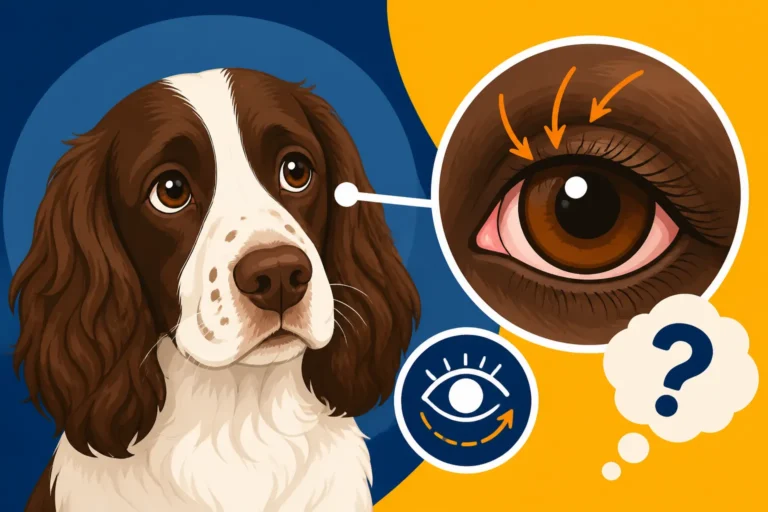
You've probably become an expert at spotting the subtle cues, but sometimes the progression is swift and severe. The earliest signs often include increased head shaking, scratching at the ears, or rubbing their head along furniture or the carpet. You might notice an unpleasant odor emanating from the ear, or a discharge that can range from waxy brown to yellow or even bloody. Your dog might become sensitive when you touch their head or ears, yelping or pulling away, and their ear flap might feel warmer than usual.
As the condition worsens, the ear canal itself can become severely inflamed, swollen, and painful. This chronic inflammation can lead to irreversible changes, such as thickening of the ear canal tissues (hyperplasia), narrowing of the canal (stenosis), and calcification of the cartilage. At this point, the ear can be so closed off that ear drops can't even reach the infection deep inside. Your vet might have even mentioned that the ear has developed a "cobblestone" appearance due to the chronic changes. These are the critical stages when medication alone often fails, and you start to dread those recurring trips to the vet, knowing you'll likely be dealing with yet another round of antibiotics or antifungal treatments. If you're wondering what specific symptoms to look out for, it's worth reading Signs a Springer Spaniel Has an Ear Infection for more detailed information.
When Is Ear Surgery Even Considered?
The decision to pursue ear surgery for your Springer Spaniel is rarely taken lightly. It's a big step, often accompanied by a mix of apprehension and relief that there might finally be a lasting solution. For most owners, it's a culmination of years of failed treatments, ongoing pain for their dog, and significant financial and emotional strain.
Failed Medical Management: The Tipping Point
Typically, surgery is only on the table after every possible medical treatment has been exhausted without long-term success. This isn't just a few rounds of drops; we're talking about months, sometimes years, of consistent cleaning protocols, multiple courses of different antibiotics (oral and topical), antifungal medications, anti-inflammatory drugs, and often exploring dietary changes to address potential allergies. Perhaps your vet has tried a medicated ear flush under sedation, or even referred you to a veterinary dermatologist. When you find yourself constantly battling Whether a Springer Spaniel's Ear Infection Recurs despite diligent care, and your dog's quality of life is genuinely suffering from chronic pain and discomfort, that's often the tipping point.
Imagine your poor dog, constantly scratching, shaking their head, flinching when you try to pet them near their ears. You've spent a fortune on medications, maybe even considered a special diet, but the relief is always temporary. The infections keep coming back, sometimes just a few weeks after finishing a course of treatment. The ear canals are so swollen and scarred that they resemble tiny, bumpy tunnels, making it impossible for air to circulate or for medication to penetrate effectively. This relentless cycle is incredibly disheartening for owners and agonizing for the dog, making the thought of a permanent solution, however drastic, increasingly appealing. It's an important consideration, especially if you want to understand What Chronic Ear Disease Costs a Springer Spaniel Owner in the long run.
Diagnosing Underlying Structural Issues
Sometimes, the chronic infections aren't just about moisture and hair; there are deeper structural issues at play that medical management simply cannot resolve. This might include the development of polyps or tumors within the ear canal, which act as physical obstructions, preventing drainage and airflow. Your vet might discover these during an otoscopic examination or recommend advanced imaging like CT scans or MRI, especially if they suspect a mass deeper in the middle ear.
Another common structural problem is severe, irreversible stenosis, or narrowing, of the ear canal. This often happens after years of chronic inflammation. The lining of the ear canal thickens and becomes calcified, essentially turning the soft, flexible cartilage into bone-like tissue. When the canal is severely calcified and permanently closed, there's no way for medication to reach the infection, nor for the ear to air out naturally. At this stage, the ear canal has essentially ceased to function as it should, and it becomes a source of constant discomfort and pain for your Springer Spaniel. Surgical intervention becomes the only viable option to remove the diseased tissue and provide lasting relief.
Types of Ear Surgery for Springer Spaniels
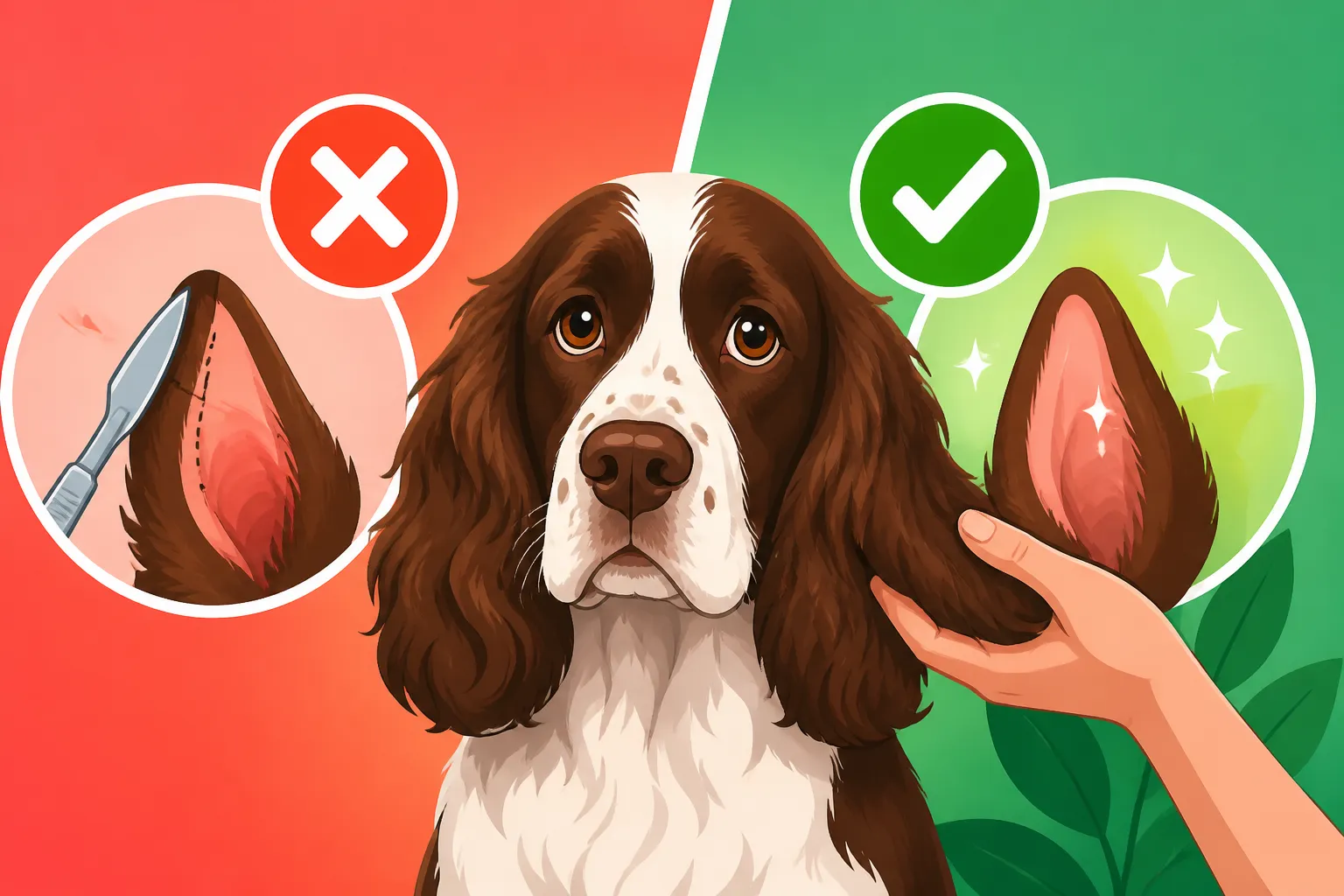
Once the decision is made, it's crucial to understand the different surgical approaches available. These procedures vary significantly in invasiveness, recovery, and what they aim to achieve, from improving drainage to completely removing the ear canal.
Lateral Ear Resection (Zepp Procedure): Opening Things Up
The lateral ear resection, often referred to as a Zepp procedure, is a less invasive surgical option compared to a total ear canal ablation. The goal here is to open up the horizontal ear canal to improve ventilation and drainage. Essentially, a section of the vertical ear canal wall is removed, creating a wider, more accessible opening. This allows for better airflow, reduces humidity, and makes it much easier for owners to clean and medicate the ear if needed.
This procedure is typically recommended for dogs with chronic external ear infections where the horizontal canal is still relatively healthy, but the vertical canal is consistently inflamed or obstructed. It's often considered when milder forms of stenosis are present, or when the ear's anatomy just isn't allowing proper air circulation, such as with deeply hooded ear flaps. The idea is to make the ear less hospitable for bacteria and yeast by allowing it to dry out more effectively. While it's less drastic than a full ear canal removal, it's important to understand that it doesn't remove the entire diseased ear canal, so some degree of ongoing ear care might still be necessary, though hopefully much less intensive than before. It's not a cure-all if the disease is extensive, but for the right candidate, it can make a significant difference in comfort and manageability.
Vertical Ear Canal Ablation (VECA) and Total Ear Canal Ablation (TECA): The Last Resort
When the disease is far advanced, and the entire ear canal is severely diseased, calcified, or filled with tumors, a more radical approach is often necessary. This is where a Vertical Ear Canal Ablation (VECA) or, more commonly, a Total Ear Canal Ablation (TECA) comes into play. A VECA involves removing the vertical portion of the ear canal, leaving the horizontal part intact. However, because disease often affects both sections, a TECA is more frequently performed in severe, chronic cases.
A TECA, often combined with a Bulla Osteotomy (TECA-BO), is a major surgery where the entire diseased ear canal (from the external opening down to the eardrum) and the lining of the middle ear (bulla) are surgically removed. This completely eliminates the diseased tissue, thus resolving the chronic infections and associated pain. This procedure is truly a last resort, reserved for cases where the ear canal is beyond repair, and the dog is suffering from intractable pain, hearing loss, or recurrent infections that threaten to spread to the inner ear or brain. While it means the dog will lose hearing in the affected ear, the trade-off is often a vastly improved quality of life free from chronic pain and infection. Recovering from a TECA is significant, involving careful post-operative care, but for many dogs and their owners, it brings an end to years of suffering. If you're considering this serious step, understanding Whether a Springer Spaniel Needs a Total Ear Canal Ablation can provide crucial insights.
The Hard Realities of Ear Surgery: Costs, Risks, and Recovery
Deciding on ear surgery for your Springer Spaniel isn't just about the procedure itself; it comes with significant practical considerations, from the financial strain to the potential for complications and the demanding recovery period. It's vital to have a clear picture of these realities before moving forward.
Understanding the Financial Burden
Let's be blunt: ear surgery for a Springer Spaniel is not cheap. You've likely already spent a considerable amount on diagnostics, medications, and vet visits trying to avoid this outcome. When it comes to surgery, the costs can quickly climb. A lateral ear resection might range from $1,500 to $3,000 per ear, while a TECA-BO, being a much more complex and invasive procedure, can easily cost anywhere from $3,000 to $6,000 or even more per ear, especially if performed by a board-certified veterinary surgeon. These figures typically include the surgeon's fee, anesthesia, hospitalization, medications, and follow-up appointments.
Here's a breakdown of typical expenses you might encounter:
| Expense Category | Estimated Cost Range (Per Ear, USD) | Notes |
|---|---|---|
| Pre-surgical Diagnostics | $300 – $800+ | Bloodwork, imaging (X-rays, CT scan, MRI), cultures, cytology |
| Lateral Ear Resection (Zepp) | $1,500 – $3,000 | Less invasive, aims to improve drainage and ventilation |
| TECA-BO (Total Ear Canal Ablation with Bulla Osteotomy) | $3,000 – $6,000+ | More complex, removes entire ear canal and middle ear structures |
| Anesthesia & Monitoring | Included in surgical fee, or $500 – $1,000 extra | Longer surgeries, specialized monitoring increase costs |
| Hospitalization (1-3 days) | Included in surgical fee, or $100 – $300/day extra | Depends on post-op care needs and clinic rates |
| Post-operative Medications | $100 – $300+ | Pain medication, antibiotics, anti-inflammatories |
| Follow-up Visits/Rechecks | $50 – $150 each | Critical for monitoring healing and stitch removal |
Many owners find that pet insurance can be an absolute lifesaver in these situations. Brands like Healthy Paws often cover a significant portion of unexpected surgical costs, providing much-needed financial relief. It's always worth checking your policy or considering pet insurance early in your dog's life, especially with a breed prone to chronic issues like Springer Spaniels. Be sure to ask Whether Insurance Covers a Springer Spaniel's Ears or other chronic conditions before you need it. If you're curious about the overall financial picture, What Ear Surgery Costs a Springer Spaniel Owner delves deeper into these figures.
Potential Complications and What to Expect Post-Op
No surgery is without risks, and ear surgery, particularly a TECA-BO, has its share of potential complications. One of the most common concerns is facial nerve damage, as the facial nerve runs very close to the surgical site. This can lead to temporary or, in rare cases, permanent facial paralysis on the affected side, which might manifest as a droopy eyelid, lip, or difficulty blinking. While nerve damage is often transient, it’s a significant consideration.
Other potential complications include infection at the surgical site, formation of a seroma (a pocket of fluid under the skin), or in some cases, residual drainage or pain if not all diseased tissue was removed. Your dog will likely go home with a cone (Elizabethan collar) to prevent them from scratching or rubbing the incision, and a course of pain medication and antibiotics. The recovery period typically involves strict rest for a few weeks, avoiding strenuous activity, and careful monitoring of the incision site. You'll need to administer medications diligently and attend follow-up appointments to ensure proper healing. It's a demanding time, but with proper care and attention, most dogs recover well and experience a significant improvement in their comfort and quality of life.
Life After Ear Surgery: Managing Expectations and Preventing Recurrence
Undergoing ear surgery is a big deal, and it's natural to wonder what life will look like for your Springer Spaniel afterward. While the primary goal is relief from chronic pain and infection, it's essential to have realistic expectations and commit to continued proactive care.
Adapting to a New Normal
For many Springer Spaniels, life after ear surgery, especially a TECA-BO, is a night-and-day difference. The constant pain and discomfort they've endured for so long are gone. Owners often report a dramatic improvement in their dog's demeanor; they become happier, more playful, and more tolerant of being touched. Imagine finally being free from that nagging ache! If your dog had a TECA, they will likely have permanent hearing loss in the affected ear. However, most dogs adapt incredibly well, relying more on their remaining ear (if only one was done) and their other highly developed senses like smell.
You might need to make some minor adjustments at home, such as approaching your dog from their sighted side or ensuring they can see you before you touch them, especially if their hearing loss is significant. While the recovery period is challenging, the long-term benefit of a pain-free life often far outweighs the temporary difficulties. Your Springer might not be able to hear a squeaky toy from as far away, but they'll certainly enjoy playing with it without the throbbing pain in their ear. The constant head shaking will likely stop, and you'll no longer have to worry about the tell-tale smell of an impending infection. This "new normal" is generally a much happier and more comfortable existence for your beloved companion.
Continued Vigilance: What Owners Can Still Do
Even after surgery, especially a lateral ear resection, ongoing vigilance and preventive care remain crucial to keep future problems at bay. While the surgery significantly improves the ear's environment, it doesn't eliminate all risks, particularly if the other ear is also predisposed to issues. For dogs that had a lateral ear resection, you'll still need to perform regular ear cleanings, albeit likely less frequently than before, and diligently monitor for any signs of recurrence.
If the surgery was due to underlying allergies, those allergies still need to be managed through diet, medication, or environmental controls. Remember, allergies are a common driver behind chronic ear infections, and if not addressed, they can still cause skin inflammation or issues in the remaining ear, or even in the surgically altered ear if it's not a TECA. Continue to dry your Springer Spaniel's ears thoroughly after swimming or bathing – after all, Water Work and What It Does to a Springer Spaniel's Ears is a significant factor for this breed. Regular check-ups with your vet are also essential to monitor the healing process and catch any new issues early. Think of it as investing in your Springer Spaniel's long-term health and comfort. You've gone through a lot to get to this point, and maintaining that improved quality of life is the ultimate reward for your dedication.
Disclaimer
This article is for general informational purposes only and does not constitute professional advice. Laws, prices and regulations vary by location and change over time. Consult a qualified professional for guidance on your specific situation.