The DNA Test That Finds Fucosidosis in a Springer Spaniel
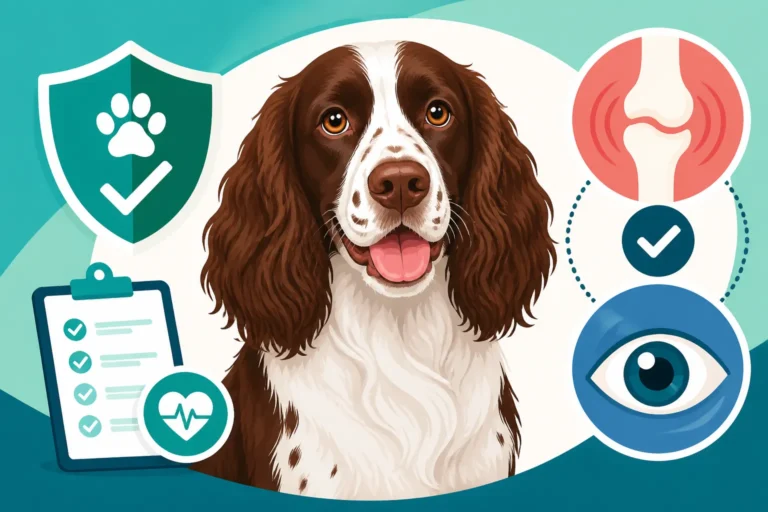
The worry of an invisible threat lurking in your beloved Springer Spaniel's genetic makeup can be incredibly stressful, especially when it comes to devastating conditions like Fucosidosis. It's a real fear for many owners and breeders, wondering if that seemingly healthy puppy carries a ticking time bomb. This comprehensive guide is here to shed light on exactly how the DNA test works to identify Fucosidosis in Springer Spaniels, offering clarity and empowering you with the knowledge to protect your furry family member.
Understanding Fucosidosis: A Threat to Your Springer Spaniel's Health
Fucosidosis is a heartbreaking neurodegenerative genetic disorder that primarily affects English Springer Spaniels. It’s not something you can spot with the naked eye in a young puppy, which is precisely why the DNA test is so critically important. The disease slowly but relentlessly attacks the nervous system, leading to a host of debilitating symptoms that progressively worsen over time, eventually becoming fatal. For anyone who has seen a dog suffer from this condition, the urgency of prevention becomes profoundly clear.
What Fucosidosis Does to a Springer Spaniel
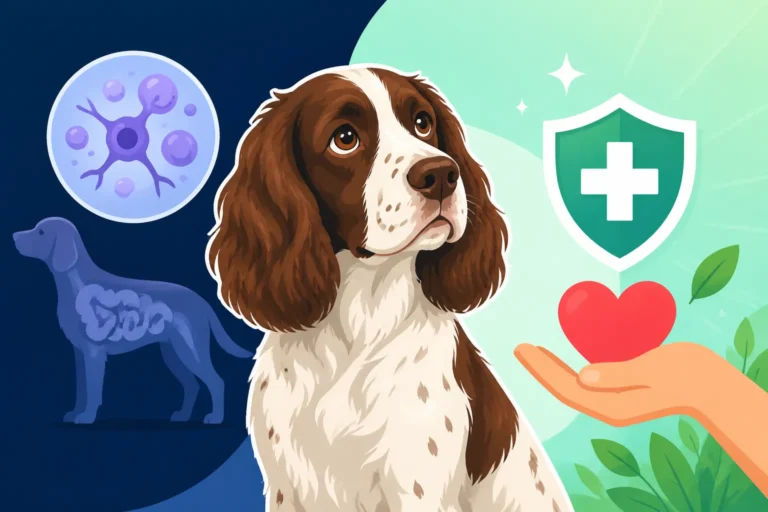
Imagine your normally vibrant, intelligent Springer Spaniel starting to show subtle changes – a slight clumsiness, a moment of disorientation, or perhaps a tremor. That's often how Fucosidosis begins its cruel march. As the disease progresses, it causes a severe deficiency of the enzyme alpha-L-fucosidase, which is crucial for breaking down certain complex sugars in the body. Without this enzyme, these sugars accumulate in the cells of the brain, spinal cord, and other organs, leading to irreversible damage. You might see a decline in coordination, an inability to jump or climb, and a general loss of balance. It's truly devastating to witness the deterioration of a dog's physical and mental capabilities.
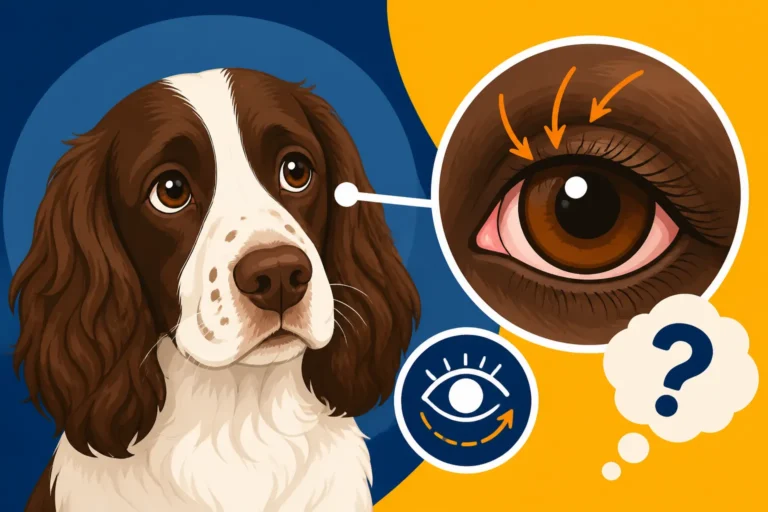
Beyond the motor skills, the neurological impact can manifest as behavioral changes. Dogs might become withdrawn, confused, or even display signs of aggression due to their discomfort and disorientation. Their eyesight and hearing can also be affected, further isolating them as the world around them becomes a blurry, muffled place. Eventually, the disease robs them of their ability to eat, drink, or even stand, making daily life a profound struggle. The article on What Fucosidosis Does to a Springer Spaniel offers a deeper dive into these symptoms. The trajectory of the disease is always downhill, leaving owners feeling helpless as they watch their beloved companion fade.
The Age Fucosidosis Appears in a Springer Spaniel
One of the most insidious aspects of Fucosidosis is its delayed onset. Unlike some genetic conditions that present in very young puppies, Fucosidosis typically doesn't show obvious clinical signs until a Springer Spaniel is between 18 months and 4 years old. This age range can be particularly agonizing because by this point, the dog is often a cherished, fully integrated member of the family, and potentially even used for breeding. The initial subtle signs, like a slight head tremor or an occasional stumble, might easily be dismissed as minor quirks or transient issues.
Owners often report that the symptoms begin so gradually that they initially struggle to pinpoint what’s wrong. It’s not a sudden collapse, but rather a slow, creeping erosion of normal function. This delayed appearance means that a breeder might unknowingly breed an affected dog or carrier if they aren't utilizing proper DNA testing protocols. Imagine the heartbreak of finding out your beloved two-year-old dog, who you’ve invested so much love and training into, is now showing signs of a fatal genetic disease. This is why understanding The Age Fucosidosis Appears in a Springer Spaniel is so critical for breeders and owners alike; it highlights the silent danger lurking within an otherwise healthy-looking young adult.
The Science Behind the Fucosidosis DNA Test
The existence of a reliable DNA test for Fucosidosis is a game-changer for the English Springer Spaniel breed. Before this test became widely available, breeders were essentially flying blind, relying on pedigrees and hoping for the best, or tragically, waiting for clinical signs to appear in their dogs. Now, with a simple genetic screening, we can identify affected dogs and carriers before they ever pass on the gene, dramatically reducing the incidence of this devastating disease. It's a testament to how far veterinary science has come in protecting our purebred companions.
How the Fucosidosis Gene Is Identified
The Fucosidosis DNA test works by looking for a specific mutation in a gene called FUCA1. This gene provides instructions for making the alpha-L-fucosidase enzyme. In affected Springer Spaniels, there's a particular change in the DNA sequence of this gene that prevents the enzyme from being produced correctly, or at all. The DNA test specifically targets this known mutation. Scientists developed a method to extract DNA from a dog's cells – typically from a cheek swab or blood sample – and then analyze that DNA to see if the Fucosidosis mutation is present.
Think of it like a meticulous search-and-find mission within the dog's genetic code. Researchers use molecular techniques, such as Polymerase Chain Reaction (PCR), to amplify tiny segments of the FUCA1 gene. Once amplified, these segments are then examined to detect the presence or absence of the specific Fucosidosis-causing mutation. If the mutation is found, it indicates that the dog carries the faulty gene. This precision allows for accurate identification of a dog's genetic status regarding Fucosidosis, providing actionable information for breeders and owners.
Distinguishing Carriers, Affected, and Clear Dogs
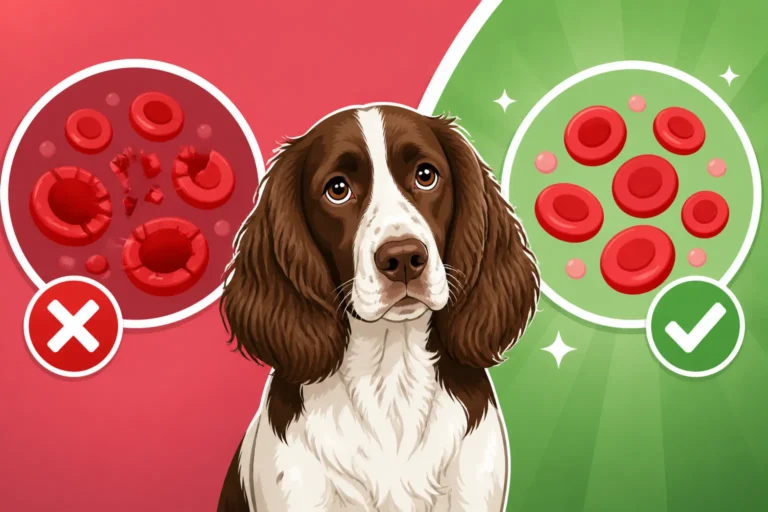
The beauty of a DNA test for a recessive genetic condition like Fucosidosis is its ability to categorize dogs into three distinct genetic statuses: clear, carrier, and affected. Understanding these distinctions is absolutely fundamental for responsible breeding decisions and for managing potential health outcomes. It's not just about knowing if your dog has the gene, but how it has it.
- Clear: A "clear" dog has two normal copies of the FUCA1 gene and does not carry the Fucosidosis mutation. This means the dog will not develop Fucosidosis, nor will it pass the mutated gene on to any offspring. These dogs are considered genetically free of the disease.
- Carrier: A "carrier" dog has one normal copy of the FUCA1 gene and one copy with the Fucosidosis mutation. These dogs do not develop the disease themselves because the single healthy gene copy produces enough functional enzyme. However, they can pass the mutated gene on to their offspring. If a carrier dog is bred to another carrier, there's a 25% chance per puppy of producing an affected offspring. The article Whether a Carrier Springer Spaniel Is Affected delves deeper into this often-misunderstood status.
- Affected: An "affected" dog has two copies of the FUCA1 gene with the Fucosidosis mutation. These dogs will develop Fucosidosis and exhibit the clinical signs of the disease. They will also pass a mutated copy of the gene to all of their offspring. Breeding affected dogs is highly unethical and responsible breeding practices aim to prevent their birth entirely.
This clear categorization empowers breeders to make informed decisions, ensuring that no affected puppies are inadvertently produced.
Why Every Springer Spaniel Needs a Fucosidosis DNA Test
If you own a Springer Spaniel, or are considering adding one to your family, understanding the absolute necessity of Fucosidosis DNA testing cannot be overstated. This isn't just about preventing a single disease; it's about upholding the health and integrity of the entire breed. It's about giving future generations of Springer Spaniels the best chance at a long, healthy, and vibrant life, free from the cruel grip of inherited diseases. Every dog deserves that, and every owner deserves peace of mind.
Preventing the Spread of Fucosidosis Through Responsible Breeding
For conscientious breeders, the Fucosidosis DNA test is an indispensable tool, forming a cornerstone of ethical breeding practices. Without it, the devastating Fucosidosis gene could silently propagate through generations, leading to more heartbreak for owners and suffering for dogs. By testing all potential breeding stock, breeders can definitively identify clear dogs, carriers, and affected individuals, allowing them to make smart pairing choices. The goal is simple: never to breed two carriers together.
Responsible breeders meticulously plan pairings to ensure that even if one parent is a carrier, the other parent is "clear." This pairing guarantees that no puppies will be affected by Fucosidosis, although approximately half of the puppies would be carriers themselves. This strategic approach gradually reduces the frequency of the Fucosidosis gene in the breed's gene pool over time, without unnecessarily removing valuable breeding stock from circulation. It’s a delicate balance of maintaining genetic diversity while actively working to eradicate harmful traits. Organizations like the English Springer Spaniel Field Trial Association and the English Springer Spaniel Club of America champion these testing protocols. For more on ensuring a healthy start, consider reading about The DNA Test That Should Precede Every Springer Spaniel Purchase.
Empowering Owners with Knowledge for Early Management
Even if you're not a breeder, knowing your Springer Spaniel's Fucosidosis status offers invaluable insights. If you've adopted a rescue dog or purchased a puppy whose parents weren't tested, getting your dog tested can provide crucial information for their future care. While Fucosidosis currently has no cure, early knowledge that your dog is affected allows you and your veterinarian to be proactive, to look for the earliest signs, and to potentially implement supportive care strategies sooner. This awareness can help you prepare emotionally and practically for the challenges ahead, rather than being caught completely off guard.
Furthermore, if your dog tests as a carrier, while it won't develop the disease, you'll know not to breed it. This knowledge prevents the unwitting propagation of the gene and is a profound act of responsibility. Pet insurance providers like Healthy Paws, while not covering pre-existing conditions, emphasize the importance of preventative care and genetic screening as a way to understand your dog's potential health challenges early on. Having this information helps you make informed decisions about everything from diet and exercise to regular veterinary check-ups, potentially leading to a better quality of life for your Springer Spaniel.
Navigating the Testing Process: From Sample Collection to Results
Getting your Springer Spaniel tested for Fucosidosis is a relatively straightforward process these days, thanks to advancements in veterinary diagnostics. Gone are the days of invasive procedures; modern DNA testing is typically quick, minimally stressful for your dog, and can often be done right from the comfort of your home or by your local veterinarian. Understanding each step can help alleviate any concerns you might have and ensure a smooth experience.
Collecting Samples for Your Springer Spaniel's DNA Test
The most common and convenient method for collecting a DNA sample for Fucosidosis testing is through a buccal swab, often called a cheek swab. This non-invasive procedure can usually be done by you at home or by your vet technician during a routine visit. The test kit will typically include sterile swabs, which you gently rub against the inside of your dog's cheek and gums for about 30-60 seconds to collect epithelial cells. These cells contain the precious DNA needed for analysis. It's crucial to ensure your dog hasn't eaten or chewed on toys for at least an hour before swabbing to avoid contamination that could skew results.
For some labs, particularly if there's any concern about the quality of a cheek swab or for more comprehensive genetic panels, a blood sample might be requested. This would need to be drawn by a veterinary professional, just like any other blood test your dog might have. Regardless of the method, accurate labeling and prompt submission of the sample according to the lab's instructions are vital to prevent mix-ups and ensure timely processing. Choosing a reputable lab is also key; you might want to look into Which Lab Runs the Springer Spaniel Fucosidosis Test for recommendations.
Interpreting Your Springer Spaniel's Fucosidosis Test Results
Once your sample has been submitted to the laboratory, it typically takes a few weeks to receive the results. These results will clearly state your dog's genetic status: Clear, Carrier, or Affected. It's important to understand what each of these designations means, not just for your dog, but for any potential offspring.
If your dog is "Clear," congratulations! This means your Springer Spaniel does not carry the Fucosidosis gene and will not develop the disease nor pass it on. This gives you immense peace of mind. If the result is "Carrier," your dog carries one copy of the gene but will not develop the disease. This is crucial information for breeders, as a carrier should only be bred to a clear dog to prevent affected puppies. If your dog is "Affected," it means they have two copies of the Fucosidosis gene and will unfortunately develop the disease. In this scenario, consulting with your veterinarian to discuss potential timelines for symptom onset, supportive care options, and a long-term management plan is paramount. Understanding How Fast Fucosidosis Takes a Springer Spaniel can help in these difficult discussions. Never hesitate to ask your vet to help you interpret these results and understand their full implications.
Choosing the Right Lab for Fucosidosis Testing
When it comes to something as vital as genetic health testing, not all laboratories are created equal. You want to ensure that the results you receive are accurate, reliable, and come from a facility with a proven track record. The choice of laboratory can directly impact the confidence you have in your Springer Spaniel's genetic health status, which in turn influences critical decisions about breeding or future care. Don't simply opt for the cheapest option; quality and reputation truly matter here.
Reputable DNA Testing Providers
Several highly reputable laboratories specialize in canine genetic health testing, and many offer specific panels that include Fucosidosis for English Springer Spaniels. Some of the most well-known and trusted names include Embark Veterinary, Optimal Selection (a branch of Wisdom Panel), and Paw Print Genetics. These companies utilize advanced scientific methods, maintain strict quality control, and often have geneticists on staff to help interpret complex results or answer owner questions. They usually provide comprehensive reports that are easy to understand and can be shared directly with your veterinarian or potential buyers.
Before committing to a lab, it's wise to do a little research. Check reviews, look at their accreditations, and see if they are recommended by national breed clubs like the English Springer Spaniel Club. These breed clubs often endorse specific testing providers because of their consistent accuracy and commitment to breed health. A reliable lab will also be transparent about their testing methodologies and turnaround times, ensuring you're not left in the dark waiting for critical information.
Considering Cost and Turnaround Time
While accuracy is paramount, cost and turnaround time are also practical considerations for owners and breeders. The cost of a Fucosidosis DNA test can vary depending on the lab and whether it's purchased as a standalone test or as part of a larger genetic health panel. Standalone tests might be more affordable, but panels often provide a broader spectrum of genetic health information, including tests for other conditions common in Springer Spaniels. For example, some labs offer panels that include tests for PFK Deficiency and Progressive Retinal Atrophy, alongside Fucosidosis. While pet insurance like Healthy Paws typically doesn't cover preventative genetic testing, it's a worthwhile investment to safeguard your dog's future health and avoid potentially far higher veterinary costs down the line if an inherited disease manifests.
Turnaround time is another factor. Most labs will provide an estimated window for results, usually ranging from a couple of weeks to over a month. If you're a breeder planning a litter or need the results for a specific event, understanding this timeline is crucial for planning. Always check the lab's current estimates and factor that into your schedule. While you might be tempted by a quicker result, ensure it doesn't come at the expense of accuracy or thoroughness. The peace of mind that comes from definitive results for something like Fucosidosis is truly priceless. You can also explore What the Springer Spaniel Fucosidosis Test Costs to help with your budgeting.
Living with a Fucosidosis Diagnosis: Support and Resources
Receiving a Fucosidosis diagnosis for your beloved Springer Spaniel is, understandably, a devastating blow. It's a moment when your world can feel like it's been turned upside down, and the future you envisioned for your dog suddenly looks uncertain and heartbreaking. This is a very real, very difficult situation, and it's okay to feel overwhelmed. Remember that you are not alone, and there are resources and communities dedicated to supporting owners through this challenging journey. While there is no cure, understanding the disease and focusing on quality of life becomes paramount.
Providing Supportive Care for Affected Springer Spaniels
Because Fucosidosis is a progressive neurological disease with no cure, the focus shifts entirely to supportive care aimed at maintaining your dog's comfort and quality of life for as long as possible. This means working very closely with your veterinarian to anticipate and manage symptoms as they arise. Initially, this might involve monitoring for subtle changes in coordination or behavior, and then adapting your home environment to keep your dog safe. For instance, putting down non-slip rugs, blocking off stairs, or using ramps can help a dog struggling with balance.
As the disease advances, you might need to adjust their diet to ensure they can eat easily, perhaps offering softer foods or elevated bowls. Physical therapy or hydrotherapy might be recommended to help maintain muscle strength and mobility, delaying the progression of weakness. Medications might be prescribed to manage specific symptoms like tremors or anxiety, or to address secondary issues that arise. It's an ongoing process of assessment and adaptation, always prioritizing your dog's comfort and dignity. While heartbreaking, this proactive approach allows you to cherish every moment and provide the best possible care under difficult circumstances. You might also want to read about Whether a Fucosidosis Springer Spaniel Can Be Treated for further information on available options.
Connecting with Support Networks and Resources
Navigating a Fucosidosis diagnosis can feel incredibly isolating, but a strong community of owners, breeders, and veterinary professionals exists to offer support. National English Springer Spaniel clubs and online forums often have sections or dedicated groups for discussing genetic health issues, including Fucosidosis. These communities can be invaluable for sharing experiences, asking questions, and finding emotional support from others who truly understand what you're going through. Hearing how other owners have managed their dogs' symptoms or adapted their homes can provide practical tips and a sense of camaraderie.
Additionally, veterinary neurologists are specialists who can offer advanced diagnostic insights and guide you through the most effective supportive care plans. They can help you understand the nuances of the disease's progression and ensure your dog receives the most appropriate interventions. Don't hesitate to ask your primary veterinarian for a referral if you feel it would benefit your dog. Remember, advocating for your dog means arming yourself with knowledge and seeking out all available resources. Organizations like the Orthopedic Foundation for Animals (OFA) and the Canine Health Information Center (CHIC) also compile health data and offer resources, emphasizing the collective effort to improve breed health.
Disclaimer
The information provided in this article is for general informational purposes only and does not constitute veterinary advice. Always consult with a qualified veterinarian for any health concerns or before making any decisions about your dog's health care or treatment.