The Decade Springer Spaniels Reached America
It’s a common question among Springer Spaniel enthusiasts: when did these wonderful, energetic dogs truly make their mark in America? Many of us know they originated in England, but the specifics of their journey across the Atlantic, how they established a foothold, and how they became the beloved companions and skilled gundogs we know today, can feel a bit fuzzy. This guide aims to clear up that historical fog, shedding light on the pivotal decade when Springer Spaniels reached America and began to carve out their indelible place in our hearts and homes.
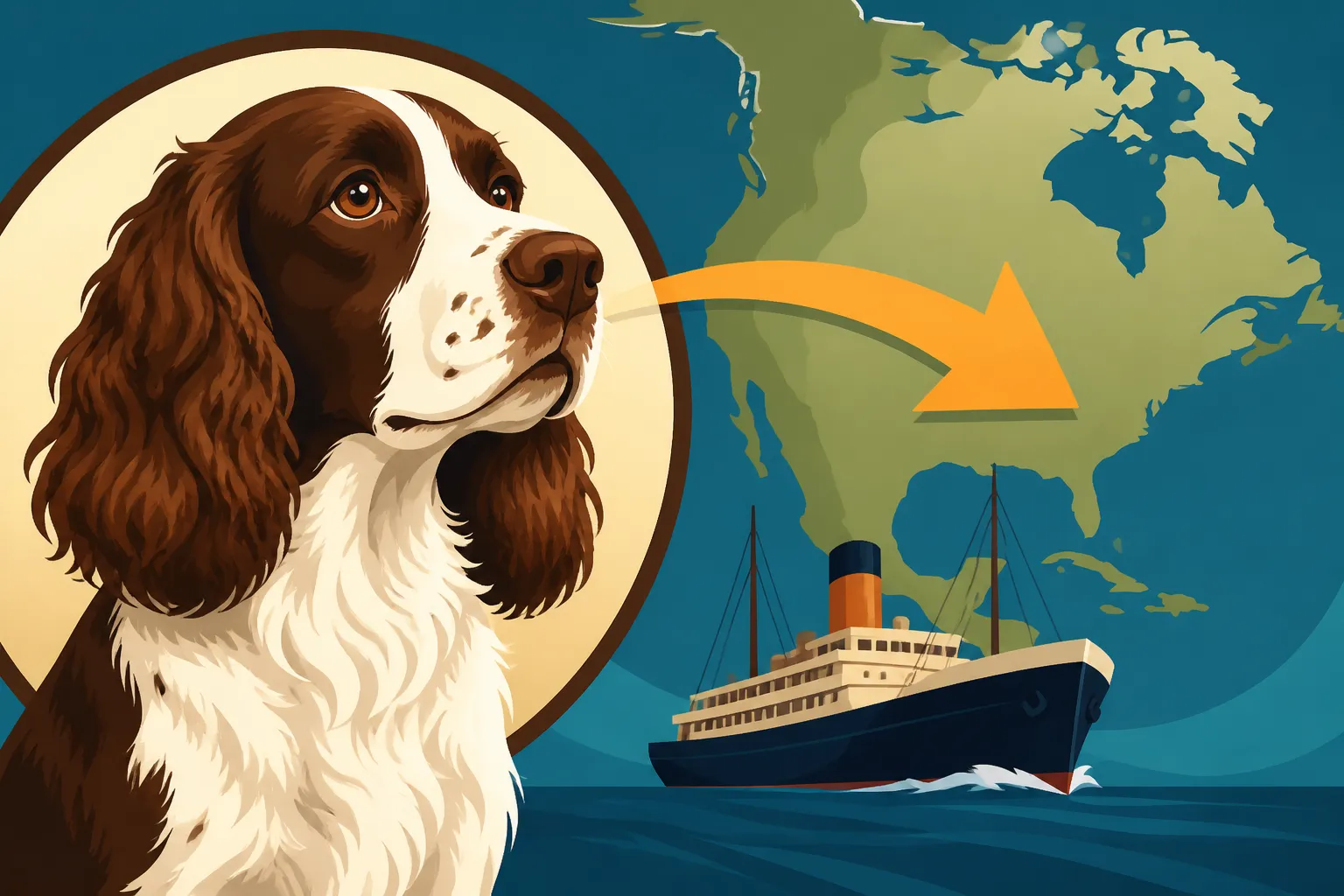
The Long Journey Across the Atlantic: Pre-1920s Introductions
Before the roaring twenties, the concept of a formalized dog breed in America was still evolving. While many European breeds had already made their way to the States, often with immigrants or wealthy travelers, their presence wasn't always accompanied by organized breeding clubs or widespread recognition. The Springer Spaniel was no exception; its journey to America wasn't a single, grand arrival, but rather a gradual infiltration that culminated in a pivotal decade.
Early Sporadic Imports: Seeds Planted on American Soil
Even before the 1920s, there were undoubtedly individual Springer Spaniels gracing American estates and accompanying hunters in the field. These were often dogs brought over by British immigrants who cherished their working companions, or by American sportsmen who had encountered the breed during trips abroad and recognized its undeniable talent. Imagine a time when bringing a dog across the ocean was a much more arduous affair than simply hopping on a plane today. These early imports were pioneers, facing long voyages and then adapting to new environments. They weren't part of a concerted breeding effort but rather scattered instances of a breed slowly making its presence known. These dogs, while few, were the initial seeds planted, hinting at the potential that would soon blossom into widespread popularity. Their owners likely adored them, perhaps boasting about their keen hunting instincts to friends, slowly building a quiet buzz around these exceptional flushing spaniels.
The Shifting Landscape of Dog Ownership in Early 20th Century America
The early 20th century marked a significant shift in how Americans viewed dogs. Purebred dogs were gaining immense popularity, moving beyond mere utility to become symbols of status and objects of companionship. Dog shows and field trials, still relatively new concepts, began to capture public interest, driving the demand for specific breeds. This was a time of formalization, where kennel clubs and breed associations were forming to define standards and promote responsible breeding. For a breed like the Springer Spaniel, with its established working prowess and appealing temperament in its homeland, America was fertile ground waiting to be cultivated. The burgeoning interest in organized hunting and competitive dog sports created a perfect niche for a dog that excelled in both. Owners were starting to look for more than just a farm dog; they wanted a companion with pedigree, a specific set of skills, and a predictable temperament – all qualities the Springer Spaniel was poised to deliver.
The Defining Decade: Springer Spaniels in the 1920s
While the Springer Spaniel might have arrived in America in trickles before the 1920s, it was truly during this vibrant decade that the breed solidified its presence, gained formal recognition, and began its climb to widespread popularity. This was the era when scattered imports transformed into a cohesive, organized effort to establish and promote the English Springer Spaniel.
Formal Recognition by the AKC and the English Springer Spaniel Field Trial Association
The American Kennel Club (AKC) had actually recognized the English Springer Spaniel as a distinct breed in 1910, a crucial first step. However, recognition alone doesn't guarantee a breed's proliferation. It takes dedicated individuals and organized efforts to truly establish a breed. The 1920s became the decade where this organizational energy truly coalesced. The English Springer Spaniel Field Trial Association (ESSFTA) was founded in 1924, a monumental event that signaled the breed's serious entry into American dog culture. This association wasn't just a social club; it was dedicated to preserving the Springer's working abilities, organizing events, and guiding breeding practices. It was a clear signal that the breed was here to stay and that its future was being carefully stewarded. The establishment of such a vital organization allowed for coordinated import efforts, the setting of breed standards, and the promotion of the Springer Spaniel to a wider audience, moving beyond casual ownership to a dedicated community. This formal structure provided a backbone for the breed's growth and ensured its characteristics, both in the field and at home, would be maintained. If you're curious about the timeline, you might want to read more about The Year the AKC Recognized the Springer Spaniel.
Key Individuals and the Foundation Stock
The success of any breed in a new country hinges on the vision and dedication of its early proponents, and the Springer Spaniel in America was no different. During the 1920s, several key individuals and kennels took it upon themselves to import high-quality foundation stock from England, laying the genetic groundwork for all future American Springer Spaniels. These breeders were not just buying dogs; they were meticulously selecting animals with proven pedigrees, strong working lines, and excellent temperaments.
Imagine the excitement and challenge of these early pioneers! They were bringing over dogs that would become the ancestors of thousands of Springer Spaniels in America. Without the modern amenities of air travel, importing these dogs was a significant undertaking, requiring considerable expense and logistical planning. They understood the importance of a solid foundation, ensuring that the Springers introduced to America were true to type and possessed the innate abilities for which the breed was renowned. These initial imports were carefully chosen for their health, conformation, and hunting drive, creating a diverse gene pool that would allow the breed to flourish. Their efforts were truly instrumental in defining the American Springer Spaniel we know today, setting the stage for decades of successful breeding and the continued enjoyment of the breed.
Growing Pains and Triumphs: Establishing the American Springer Spaniel
Once formally recognized and with a dedicated association, the Springer Spaniel began to truly root itself in American society. This wasn't without its challenges, but the breed's inherent qualities quickly won over a growing number of enthusiasts, particularly those involved in hunting and field sports.
The Ascendance of Field Trials: Proving the Breed's Mettle
For a gundog like the Springer Spaniel, mere looks were never enough; performance was paramount. The 1920s saw the rapid growth of organized field trials in America, providing the perfect platform for the breed to showcase its exceptional abilities. These trials were not just competitions; they were crucial proving grounds where the Springer's instinct to flush game, its quartering pattern, its retrieving skills, and its biddability could be rigorously tested and demonstrated.
The very first AKC-licensed field trial for Springer Spaniels was held in 1924, a landmark event that officially kicked off the breed's competitive career in the United States. Success in these early trials instantly boosted the breed's reputation among the hunting community, attracting more owners and breeders. Suddenly, the Springer Spaniel wasn't just a dog heard about from England; it was a tangible, dynamic working dog excelling on American soil. These events were thrilling, showcasing the dogs' athleticism and intelligence as they navigated cover, found birds, and retrieved them obediently. It was through these trials that many people first encountered the breed's remarkable capabilities, solidifying its place as a top-tier gundog. To delve deeper into this aspect, you can explore How American Field Trials Shaped the Springer Spaniel.
The Divergence Begins: Field vs. Show Lines
As the Springer Spaniel gained popularity in America, an interesting phenomenon began to take hold, one that would profoundly shape the breed's future: the divergence between field-bred and show-bred lines. While the early imports served both purposes, breeders soon started emphasizing different traits based on whether a dog was destined for the hunting field or the show ring.
Field breeders prioritized intense hunting drive, stamina, a compact build for navigating dense cover, and a coat that was protective but not overly heavy. Show breeders, on the other hand, focused on conforming to a written standard that emphasized specific physical characteristics, coat length, and overall "type" suitable for the conformation ring. This wasn't an immediate split, but the seeds were certainly planted in the 1920s and continued to grow in subsequent decades. Owners, depending on their primary interest—whether a hard-charging hunter or a beautiful companion for the home and show ring—would seek out dogs from these increasingly distinct lines. This divergence, while common in many sporting breeds, became particularly pronounced in the Springer Spaniel, leading to two distinct looks and temperaments under the same breed name. Understanding this early split is crucial to appreciating the two types of Springers we see today. You can learn more about this by reading How the Field and Show Springer Spaniel Diverged.
Living with the Legacy: Modern Springer Spaniels in America
The dedicated efforts of those early American Springer Spaniel enthusiasts in the 1920s and beyond have left an enduring legacy. Today's Springer Spaniels, whether romping in a backyard or flushing pheasants, carry the traits and history established by those foundation dogs. Understanding this history helps us appreciate the dogs we share our lives with.
What the Early Imports Mean for Today's Owners
The genetics of those foundational dogs imported a century ago still flow through the veins of every American Springer Spaniel today. This means that characteristics like their incredible scenting ability, their indefatigable energy, and their loving, eager-to-please nature are direct links to their early ancestors. Modern owners, even if they're not hunters, still experience the breed's need for activity and mental stimulation that stems from its working roots. You might find your Springer naturally "quartering" your yard, systematically investigating every nook and cranny, or trying to retrieve every dropped item—these are echoes of their heritage.
However, the legacy also includes a responsibility. Those early breeders were careful about health, and modern breeders continue that tradition, using tools like DNA testing to screen for inherited conditions. It's a reminder that good breeding practices, established in those early days, are still vital for maintaining the health of the breed. When you consider the average lifespan of these amazing dogs, perhaps The Twelve to Fourteen Years a Springer Spaniel Lives, you realize the long-term commitment that has always been part of ownership. And as they age, understanding specific care, like Caring for a Springer Spaniel Past Nine, becomes even more important. Thankfully, getting high-quality food, specialized grooming tools, and even durable toys for your energetic Springer is far easier now than it was for those first owners. Online retailers like Chewy offer an incredible array of products tailored to every Springer's need, from puppyhood to their golden years, making responsible ownership more accessible than ever before.
The Enduring Appeal and Responsibilities of Ownership
The journey of the Springer Spaniel from a few sporadic imports to one of America's most beloved breeds is a testament to its exceptional qualities. Their intelligence, boundless energy, and affectionate nature have ensured their continued popularity, whether as a dedicated gundog, a competitive agility dog, or simply a cherished family companion. Their cheerful disposition and eagerness to be involved in family life make them truly special. However, this enduring appeal comes with certain responsibilities for today's owners.
These are not dogs content to be couch potatoes. They thrive on activity, purpose, and close companionship. Early owners understood their working drive, and modern owners must equally understand that The Household a Springer Spaniel Was Built For is one that embraces engagement, exercise, and mental challenges. A bored Springer Spaniel can quickly become a destructive one, highlighting why understanding Whether a Springer Spaniel Needs a Job to Be Happy is critical. Providing adequate exercise and training isn't just a suggestion; it's a fundamental aspect of their well-being. From long walks and games of fetch to more formal training or dog sports, keeping a Springer Spaniel fulfilled is key to a harmonious home. The initial investment in a quality puppy, and the ongoing expenses for food and vet care (which you can easily stock up on through stores like Chewy), are just part of the journey. The greater investment is your time, patience, and dedication to nurturing this wonderful breed, continuing the legacy that began decades ago. For those considering a Springer, it’s worth noting that Which Type You Buy Decides What a Springer Spaniel Costs to Keep and how different types have different daily requirements. Always remember the importance of foundational health, too; The DNA Test That Should Precede Every Springer Spaniel Purchase is a critical step in ensuring the health of the next generation of Springer Spaniels.
| Decade | Key Development in America | Impact on Breed |
|---|---|---|
| Pre-1920s | Sporadic, informal imports of individual dogs. | Limited presence, mostly in private hunting circles. |
| 1910 | AKC Recognition of English Springer Spaniel. | Official status, but still needed organized effort to flourish. |
| 1920s | Formation of ESSFTA (1924); Increased, organized imports; First AKC Field Trial (1924). | Established breed infrastructure, proving working ability, boosting popularity. |
| 1930s-1940s | Further growth in popularity; early signs of divergence. | Solidified presence, expanding into diverse roles (pet/show/field). |
| Mid-20th C. | Distinct "Field" and "Show" types become more pronounced. | Led to specialized breeding lines catering to different priorities. |
Disclaimer
This article is for general informational purposes only and does not constitute professional advice. Laws, prices and regulations vary by location and change over time. Consult a qualified professional for guidance on your specific situation.