Whether the Springer Spaniel Split Was About Size or Job
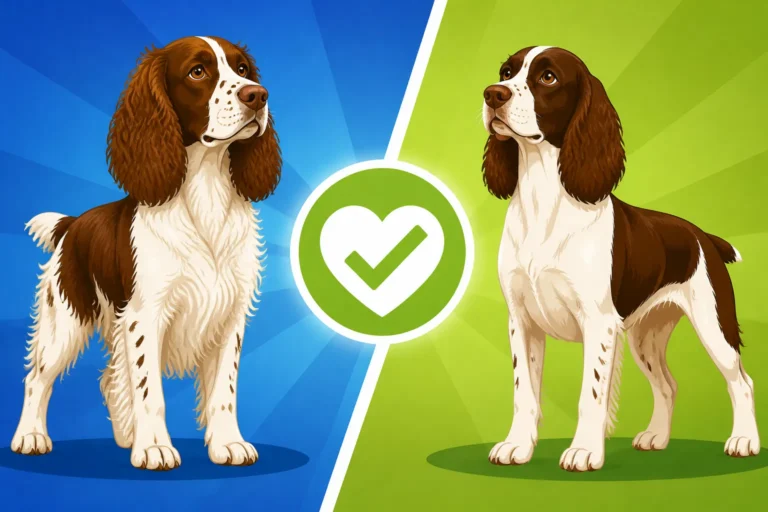
It's easy to look at the two distinct types of English Springer Spaniels we see today – the sleek, high-drive field-bred dog and the heavier, more profusely coated show-bred dog – and wonder how they ever came from the same lineage. Many people assume the breed "split" into these two types purely based on their historical roles or perhaps some arbitrary physical characteristic. But the reality is a bit more nuanced, a story woven between size, utility, and the evolving world of dog sports and companionship. This guide will walk you through the historical context to understand what truly drove the initial recognition of the English Springer Spaniel and the subsequent divergence that created the beloved dogs we know today.
Before the Official Recognition: Early Spaniels and Informal Distinctions
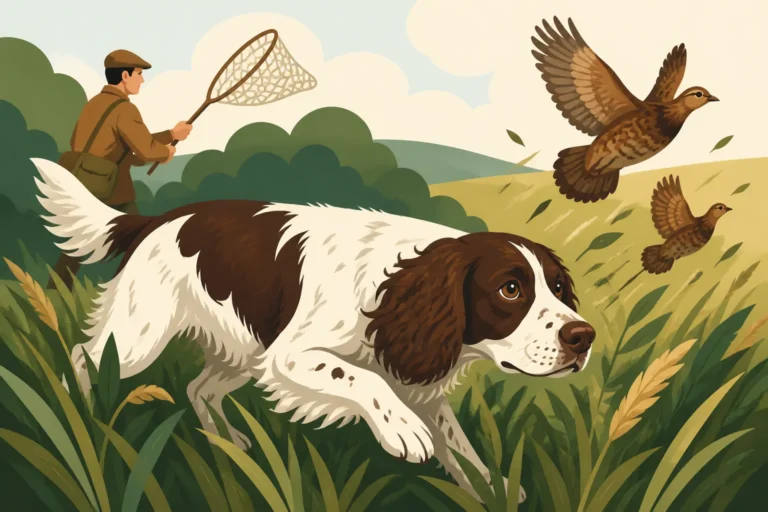
Long before formal breed clubs and written standards, spaniels were simply grouped by their function. These dogs were all-purpose hunting companions, bred for their ability to flush game from dense cover for hunters using nets, bows, or early firearms. The idea of a "breed" as we understand it today—a fixed type with a closed gene pool—was still centuries away. Instead, people had "types" of dogs known for specific skills.
Think of it like this: a farmer might have several working dogs, some better at herding sheep, others at guarding the homestead, but they might all be related and look quite similar in many ways. The focus was on what the dog did, not necessarily its precise lineage or appearance beyond what aided its job. Early spaniels, regardless of their eventual "breed" name, were known for their tireless energy and eagerness to please. They were invaluable partners in the field, helping to put food on the table.
Within this broader "spaniel" category, distinctions did begin to emerge, but they were often fluid and based on practical observations. Some spaniels were simply smaller, quicker, and more suited to hunting woodcock, which often meant working in tighter spaces and flushing birds into the air for falconry or an early shotgun. Others were larger, capable of crashing through heavier cover to "spring" larger game birds like pheasants. It wasn't uncommon for a single litter to produce puppies that, as adults, would fall into either of these general categories based on their size and perceived aptitude for specific game. This is where the informal terms "cocking spaniel" and "springing spaniel" began to take root, long before any official designation. There was no true "split" yet, merely a convenient way to describe dogs from the same stock that ended up being best suited for different tasks due to their physical development.
The 1902 Kennel Club Split: Size as the Defining Line
The pivotal moment for the English Springer Spaniel as a recognized breed, distinct from other spaniels, came in the early 20th century. Before this, the classification of spaniels was still quite muddled, with "cocker" and "springer" often referring to sizes rather than entirely separate breeds. It was a chaotic system, especially for those trying to organize dog shows and maintain stud books. Imagine trying to show your dog when the judge isn't even sure if it's the same "type" as the one next to it!
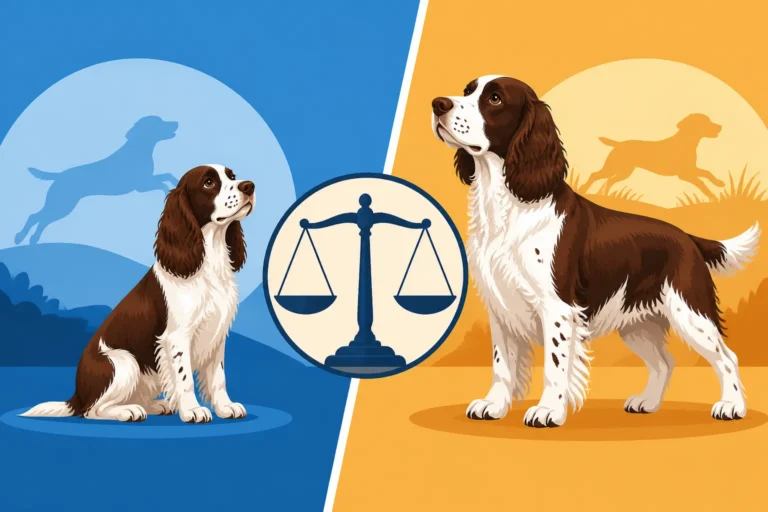
The English Kennel Club, aiming to bring order to the canine world, officially recognized the English Springer Spaniel as a distinct breed in 1902. This was a monumental step. And what was the primary criterion used to draw the line between the burgeoning English Cocker Spaniel and the newly recognized English Springer Spaniel? It was largely about size and weight.
Specifically, spaniels under a certain weight – typically around 25 pounds – were classified as Cockers, while those over that weight became Springers. This wasn't a sudden, genetic split, but rather a formalization of the informal distinctions that had existed for generations. Breeders at the time simply started to breed consistently for dogs that would fall within these new, official size boundaries for their chosen breed. A smaller puppy from a "springer" litter might now be considered a "cocker" if it matured under the weight limit, and vice versa. It was about creating clear categories for registration and competition. You can learn more about this specific historical event by reading The 1902 Split That Separated Springer From Cocker. This official recognition meant breeders now had a standard to aim for, solidifying the physical characteristics that would define the English Springer Spaniel for generations to come.
| Characteristic | Before 1902 Recognition | After 1902 Recognition (Initial Split) |
|---|---|---|
| Grouping | Broad "spaniel" category | Distinct "Springer" and "Cocker" breeds |
| Primary Divider | Informal observation of size/aptitude | Formal weight/size standard |
| Goal of Division | Practical hunting function | Breed recognition, show classification |
| Breeding Focus | Working ability, general type | Meeting breed standard (size, then form) |
Post-Split Divergence: How "Job" Shaped the Modern English Springer Spaniel
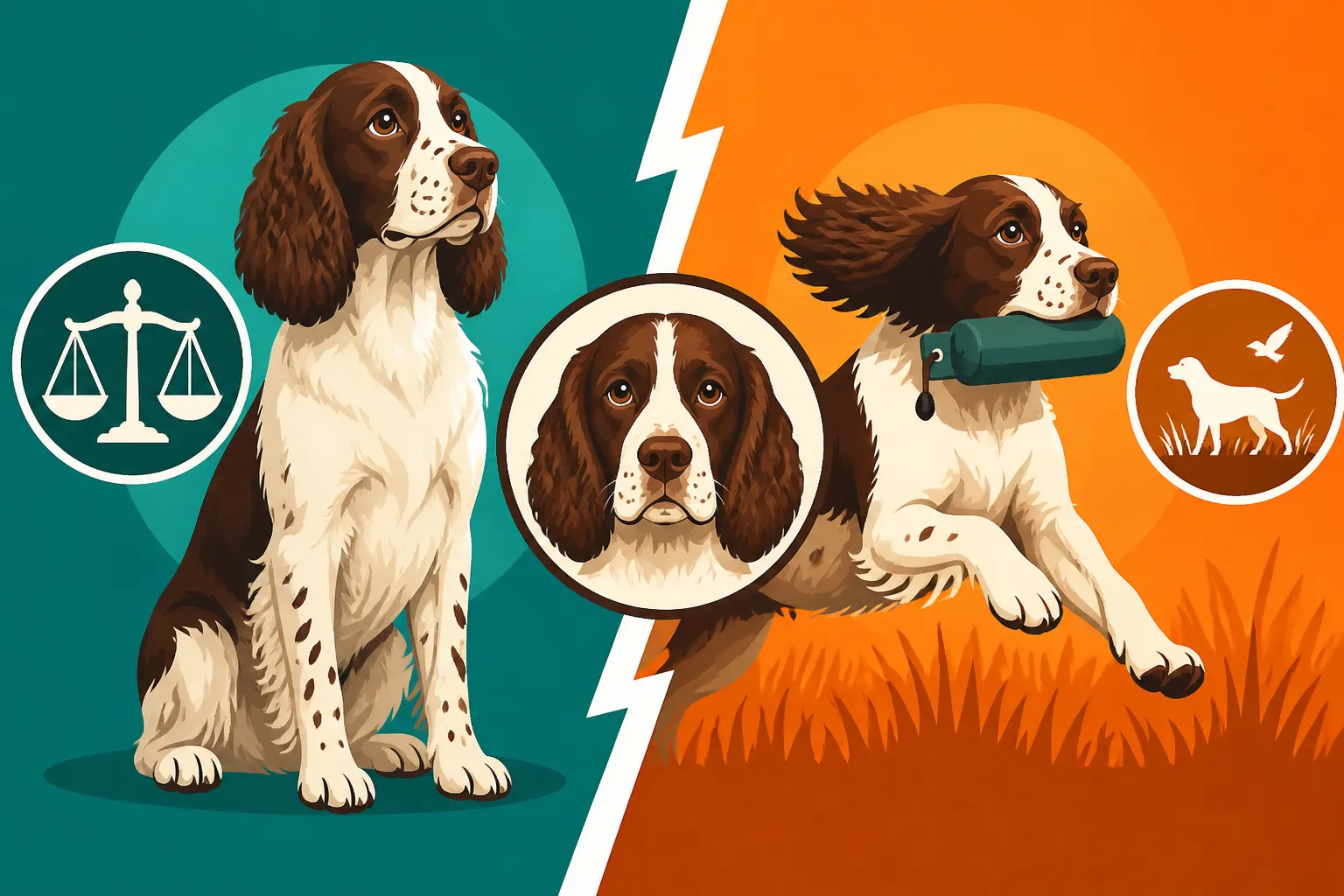
Once the English Springer Spaniel was formally recognized based on size, the focus shifted. Now that the breed was established, breeders began to select for traits within the Springer Spaniel breed that aligned with their specific goals. This is where the concept of "job" truly took hold and drove the internal divergence into the distinct field and show lines we are so familiar with today. It wasn't about separating one breed from another anymore; it was about refining the breed for different purposes.
On one side, you had breeders who were passionate about maintaining and enhancing the Springer Spaniel's legendary working abilities. These individuals wanted dogs that excelled in the field: tireless quartering, an exceptional nose, a "soft mouth" for retrieving game without damage, and boundless enthusiasm for hunting. Their breeding choices were dictated by performance. Dogs that won field trials and proved themselves as exceptional gundogs were chosen for breeding, regardless of how they might look in a show ring. This selective pressure led to the development of the "field-bred" Springer Spaniel—a dog built for endurance, speed, and intelligence in working conditions. You can delve deeper into how these working lines developed by reading How the Field and Show Springer Spaniel Diverged. These dogs typically have less coat, finer bone, and an intense, focused drive. Their diet, even as puppies available from reputable breeders on platforms like Chewy, is often geared toward high energy needs.
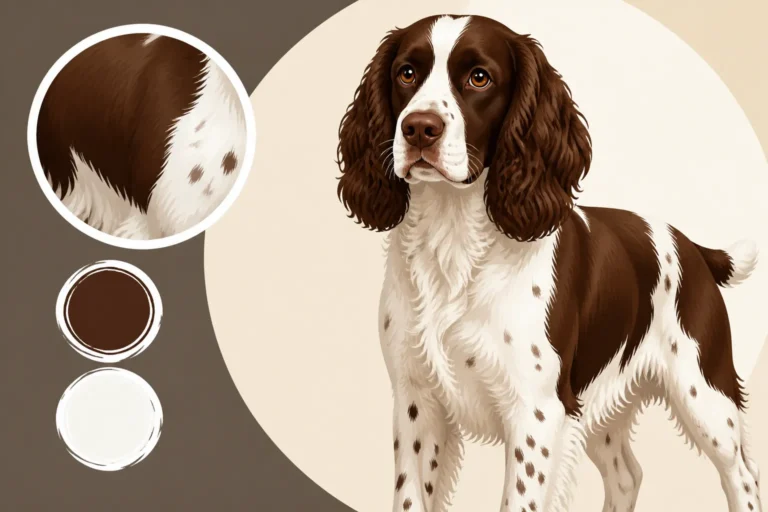
Conversely, another group of breeders began to focus on the aesthetics of the breed, aiming for dogs that conformed to a written standard of appearance—what we call the "show standard." These breeders selected for specific physical attributes: a certain head shape, ear set, coat length and texture, body structure, and movement that would impress judges in conformation rings. While a good show Springer still needed to be sound and possess the characteristic merry temperament, the emphasis was undeniably on looks. Over generations, this selective breeding for appearance led to the "show-bred" Springer Spaniel—a dog with a heavier bone structure, a more profuse coat that requires significant grooming, and often a calmer demeanor, though still with a desire to retrieve.
It's crucial to understand that both types are still 100% English Springer Spaniels, sharing the same breed registration. But their breeding priorities have led to visually and temperamentally different dogs. The divide has become quite significant, a topic explored further in The Seventy Year Gene Pool Divide Inside One Springer Spaniel Breed. For example, a show-bred Springer might have a diet tailored for coat health, whereas a field-bred dog might need specific nutritional support for intense exercise, both readily available through retailers like Chewy.
The Enduring Impact: Two Types, One Name, Different Purposes
Today, the answer to "whether the Springer Spaniel split was about size or job" is quite clear: the initial official separation of the English Springer Spaniel as its own breed from other spaniels was indeed based primarily on size. It was a pragmatic decision by kennel clubs to categorize dogs into distinct breeds. However, the ongoing and ever-widening divergence within the English Springer Spaniel breed into the distinct field and show types has been almost entirely driven by "job."
Field-bred Springers are essentially purpose-built athletes, bred for their instinctual hunting prowess and boundless energy. They thrive on having a job to do, whether it's hunting, agility, or competitive obedience. Their genetic makeup means they require significant physical and mental stimulation, and often do best in homes that can provide an outlet for their intense drive. Thinking about their care, things like durable toys for endless retrieving, or specific joint supplements for active dogs might be purchased from a place like Chewy. For insight into what shapes their training, check out How American Field Trials Shaped the Springer Spaniel.
Show-bred Springers, while still retaining the breed's fundamental sporting instincts and intelligence, have been bred for a more aesthetically pleasing appearance according to the breed standard. They often make wonderful family companions, though they still require plenty of exercise and mental engagement to prevent boredom and destructive behaviors. Their temperament is generally perceived as a bit more laid-back, but they are by no means couch potatoes. Their magnificent coats, however, demand regular grooming, a distinct characteristic discussed in How Different the Two Springer Spaniel Types Look.
This dual focus means that when someone is looking for an English Springer Spaniel today, they are essentially choosing between two very different canine lifestyles. It's a testament to the breed's versatility that it can be molded for such diverse purposes, but it also means that prospective owners must do their homework. Understanding this historical development—the initial size-based split, followed by the job-driven divergence—is key to appreciating the English Springer Spaniel in all its forms and ensuring you find the right type of dog to fit your life. It also helps explain why some wonder Whether the Springer Spaniel Should Be Split Officially into two separate breeds, given how different they've become.
Disclaimer
This article is for general informational purposes only and does not constitute professional advice. Laws, prices and regulations vary by location and change over time. Consult a qualified professional for guidance on your specific situation.