Whether an Old Springer Spaniel’s Coat Changes
It's a bittersweet moment when you start noticing those first silver hairs around your beloved Springer Spaniel's muzzle. As our wonderful dogs age, just like us, their bodies go through natural changes, and one of the most visible signs of this journey is often found right in their beautiful coats. It’s not just about a bit of gray; you might notice shifts in texture, thickness, and even overall health of their fur, and it’s completely normal to wonder what’s happening and what you can do to keep them comfortable and looking their best. This guide will walk you through the various ways an older Springer Spaniel’s coat can change, explain why these shifts occur, and offer practical advice to help you manage their evolving grooming and health needs.
The Inevitable Graying: More Than Just a Little White Fur
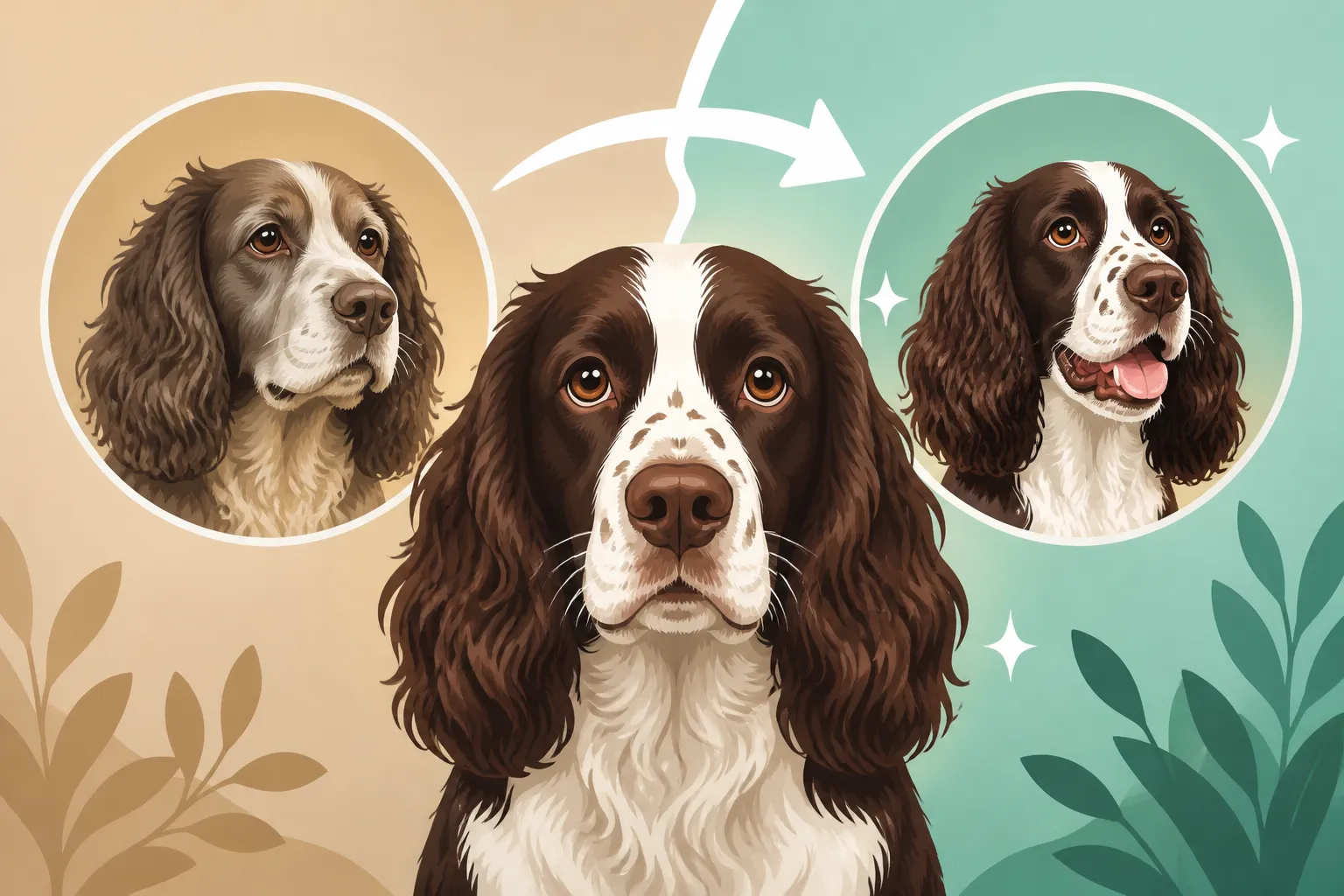
One of the most heartwarming, yet sometimes heartbreaking, signs that your Springer Spaniel is entering their golden years is the appearance of gray hairs. It’s like watching time etch its gentle lines onto their sweet face, a reminder of all the adventures you've shared. While a touch of white around the muzzle might seem purely cosmetic, it's often the first indicator of more widespread changes to come.
Where the Gray Usually Starts
For most Springer Spaniels, the graying process begins subtly, often around their muzzle and chin. You might initially mistake a few stray white hairs for dust or sunlight, only to realize over time that they’re truly becoming a distinguished silver fox. This facial graying is incredibly common and typically begins when a Springer Spaniel is considered a senior, often around 7-9 years old, though some might start earlier or later. It’s almost a badge of honor, isn’t it? A testament to their wisdom and resilience. Think about all the happy times those muzzles have sniffed out birds, nudged your hand for a treat, or rested lovingly on your lap. Each gray hair tells a story.
As the years continue to roll by, this facial gray can spread. You might see it extend up around their eyes, giving them a wise, almost professorial look. Sometimes it creeps up their forehead, blending into their rich liver or black markings. This is a natural part of the aging process, much like our own hair turning gray. It's usually harmless and doesn't indicate any immediate health concern, but it’s a visible cue that your dog’s body is changing and their needs might be shifting.
Beyond the Muzzle: Full Body Color Changes
While the muzzle is usually the first place we spot the gray, it often doesn't stop there. Over time, an older Springer Spaniel's coat can lighten or develop a more pervasive silvering across their entire body. This can be more pronounced in areas that experience friction, like their elbows or hips, or simply appear as a general fading of their once vibrant black or liver patches. The black or liver itself might dull, losing some of its deep, rich luster and taking on a more washed-out appearance.
You might even notice a change in the roaning or ticking patterns they had as a younger dog. What was once crisp and distinct might become softer, more blended. This isn't just about individual hairs turning gray; it's often a thinning of the pigment in the hair shaft itself, leading to a lighter overall impression. For some Springer Spaniels, this can mean their traditionally defined markings become less stark, creating a beautiful, muted tapestry of color. It's a gentle transformation, a softening of their vibrant youth into the dignified beauty of old age. Observing these full-body changes can prompt you to think about other age-related considerations, such as The Age a Springer Spaniel Counts as a Senior and Caring for a Springer Spaniel Past Nine.
Texture and Thickness: Is Your Senior Springer's Coat Changing?
Beyond just the color, the very feel and density of your senior Springer Spaniel's coat can undergo significant changes. What was once a thick, often coarse, water-repellent coat designed for pushing through brush might become noticeably different. These changes can impact their comfort, their grooming needs, and even serve as subtle signals about their overall health.
Softness and Thinning Hair
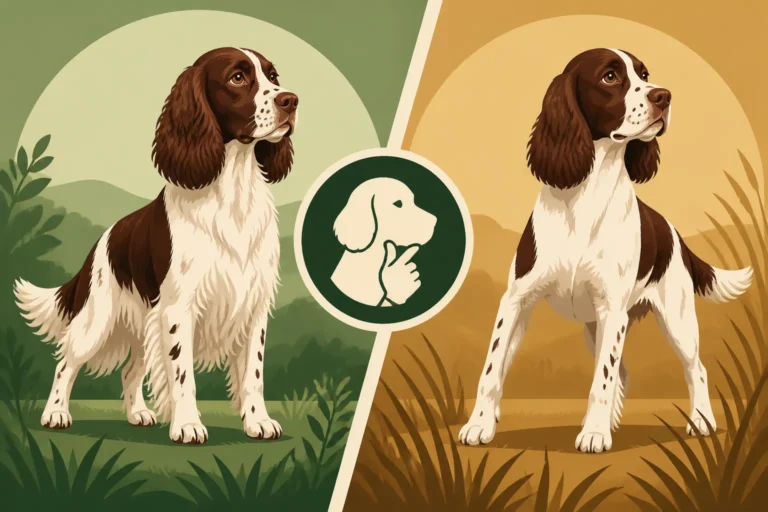
One of the most common textural changes in an aging Springer Spaniel is that their coat can become softer and, perhaps surprisingly, thinner. The protective outer coat, which is typically quite sturdy, might lose some of its resilience, feeling less coarse and more fine to the touch. This isn't always a bad thing; some owners might even enjoy the newfound softness! However, a thinner coat offers less protection from the elements, whether it's cold weather or rough undergrowth if they're still working.
You might notice this thinning most clearly in areas that were once particularly dense, such as their feathering on their legs, chest, or belly. The undercoat, which provides warmth and insulation, can also become sparser. This reduction in density can make them more susceptible to temperature fluctuations. If your older Springer Spaniel seems to get colder faster or seeks out warm spots more frequently, their thinning coat could be a contributing factor. It’s important to remember that this natural thinning is different from patchy hair loss, which could indicate a more serious underlying issue that warrants a vet visit.
Dryness, Brittleness, and Dullness
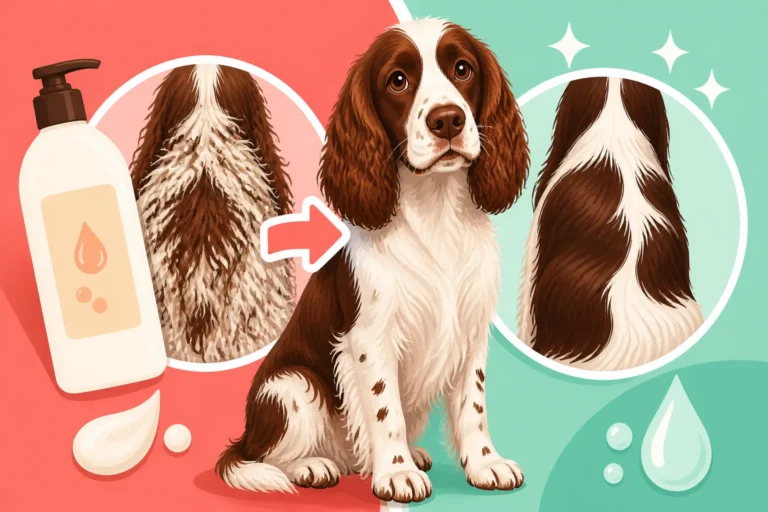
Another frequent complaint among owners of older Springer Spaniels is that their dog’s once lustrous, healthy coat can become dry, brittle, and dull. That beautiful shine they had in their prime might fade, replaced by a coat that looks lacklustre and feels rough. This is often due to a few factors. As dogs age, their skin glands might produce less natural oil (sebum), which is vital for keeping hair moisturized and shiny. A dry coat is also more prone to breakage, leading to a brittle texture.
Furthermore, if their skin becomes drier, you might notice flakes or dandruff, which can make their coat appear even duller. This dryness can also lead to itching, causing your Springer to scratch more, potentially exacerbating skin irritation and further damaging the coat. It’s a vicious cycle that can leave both you and your dog feeling frustrated. What Changes in an Old Springer Spaniel's Care often includes adjusting their skincare and grooming routines to combat this dryness. Finding good quality shampoos and conditioners designed for dry, sensitive skin can make a world of difference. Many reputable brands like those found on Amazon offer gentle options.
Increased Shedding or Patchy Loss
While some senior Springers might experience a general thinning, others might seem to shed more than they did in their younger years. This can be bewildering, especially if you felt you had a handle on their shedding patterns. This increased shedding, or even noticeable patchy hair loss, can be a sign of changes in their hair follicle cycle, where older hair sheds more readily but new hair doesn't grow back with the same vigor or speed.
However, if the shedding is excessive, comes in clumps, or leads to bald spots, it’s crucial to consult your veterinarian. Patchy hair loss can be a symptom of various underlying health conditions, such as hormonal imbalances (like hypothyroidism, which can cause Whether a Springer Spaniel's Coat Thins With Thyroid Disease), nutritional deficiencies, parasitic infestations, or more serious skin diseases. A visit to the vet can help rule out these issues and provide appropriate treatment if needed. You want to ensure your old friend isn't suffering from something easily treatable.
Skin and Coat Health: Underlying Issues to Watch For
While some coat changes are a natural part of aging, others can be indicative of underlying health problems that need attention. It's incredibly important to pay close attention to your senior Springer Spaniel's coat and skin, as they can be a window into their overall well-being. What might seem like just a "bad hair day" could be a signal for something more profound.
Hormonal Imbalances and Their Impact
One of the significant culprits behind coat changes in older dogs can be hormonal imbalances. As our Springers age, their endocrine systems, which produce hormones, can sometimes go a bit awry. Conditions like hypothyroidism (an underactive thyroid) are relatively common in senior dogs and can wreak havoc on their coat. If your Springer Spaniel's thyroid isn't producing enough hormones, you might observe a dry, brittle coat, hair loss that's symmetrical on both sides of the body (often sparing the head and limbs), and dullness. They might also experience skin thickening or "elephant skin."
Other symptoms of hypothyroidism can include weight gain, lethargy, and an intolerance to cold, making those thinning coats feel even more uncomfortable. If you suspect a hormonal issue, a simple blood test at your vet can usually confirm the diagnosis. The good news is that if it's hypothyroidism, it's often very manageable with daily medication, and you'll likely see a noticeable improvement in their coat and energy levels. It’s truly amazing how much difference a tiny pill can make in getting their system back on track.
Nutritional Deficiencies in Older Dogs
Just as a good diet is crucial for a young, vibrant Springer, it becomes even more vital as they age. Older dogs can sometimes struggle to absorb nutrients as efficiently as they once did, or their nutritional requirements might change. A diet lacking in essential fatty acids (like Omega-3s and Omega-6s), vitamins (especially A and E), or high-quality protein can directly impact coat health. If your senior Springer’s coat is dull, dry, and brittle, or if they’re experiencing excessive shedding, a nutritional deficiency could be playing a role.
You might need to re-evaluate their food. What worked wonderfully in their prime might not be providing all the targeted support a senior body needs. Many premium dog food brands, available at places like Chewy, offer formulas specifically designed for senior dogs, often enriched with ingredients that support skin and coat health, joint care, and cognitive function. Some owners even turn to fresh food delivery services like Ollie, which can offer customized, nutrient-dense meals. Discussing your dog's diet with your vet is a great first step, and they might recommend specific supplements like fish oil, which can do wonders for skin and coat health. Knowing What an Old Springer Spaniel Should Be Fed is key to ensuring they thrive.
Allergies and Skin Conditions
Unfortunately, allergies and various skin conditions don't discriminate by age, and in some cases, they can even worsen as a dog gets older, or new ones can develop. Environmental allergies (to pollen, dust mites, grass) or food allergies can both manifest as itchy, irritated skin, leading to scratching, licking, and chewing that damages the coat. This constant irritation can result in hot spots, thinning hair, or a greasy, unhealthy-looking coat. Whether a Springer Spaniel Gets Skin Allergies is a very common concern.
Older Springer Spaniels might also be more prone to bacterial or yeast infections on their skin, particularly in areas where moisture gets trapped or where they can't groom themselves effectively. These infections can cause redness, odor, hair loss, and scabbing. Regular checks of their skin, especially under their long feathering and in their ears, are crucial. If you notice persistent itching, redness, or any unusual bumps or lesions, it’s time to see the vet. Early intervention can prevent minor issues from becoming major problems.
Mobility Challenges Affecting Grooming
It’s easy to overlook, but mobility issues like Arthritis in an Older Springer Spaniel can directly impact coat health. An older Springer Spaniel suffering from joint pain or stiffness might find it difficult, even painful, to groom themselves properly. They might not be able to reach certain areas, like their back or hind legs, to lick, scratch, or even just give themselves a good once-over. This reduced self-grooming can lead to matting, especially in their luxuriant feathering, and can also allow dead hair to build up, contributing to a dull appearance and potentially skin irritation.
If your Springer Spaniel is struggling to move, you’ll need to step up your grooming game. This means more frequent brushing, gentle detangling, and possibly professional grooming appointments to keep their coat in good condition. Consider adjusting your grooming setup to make it more comfortable for them, such as grooming them on a soft mat on the floor rather than on an elevated table. Every little bit of comfort helps our golden oldies.
Keeping Your Senior Springer's Coat Healthy and Comfortable
Managing an older Springer Spaniel’s changing coat isn’t just about aesthetics; it's about their comfort, hygiene, and overall quality of life. As dedicated Springer Spaniel parents, we want to ensure they remain happy and healthy as they navigate their senior years. The good news is that with a few thoughtful adjustments, you can make a significant difference.
Gentle Grooming Routines
Your senior Springer might not tolerate the vigorous brushing sessions they once enjoyed as a puppy. Their skin can become more sensitive, and their joints might ache. This calls for a gentler approach to grooming.
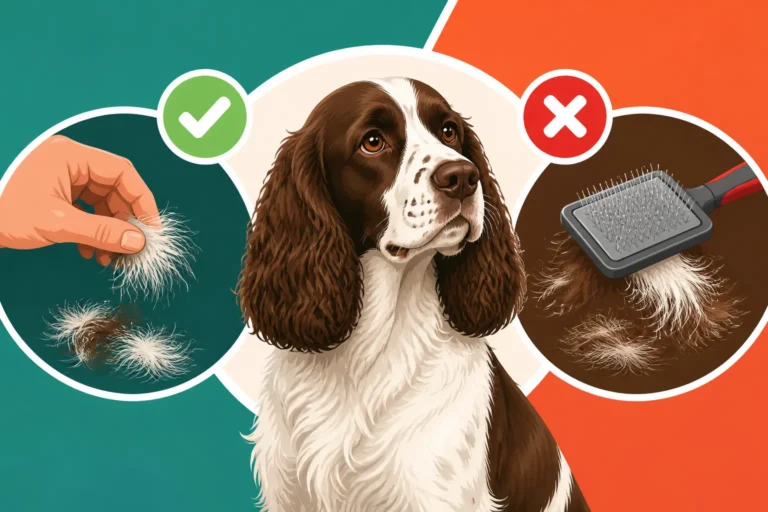
- Softer Brushes: Swap out harsh slicker brushes for softer pin brushes or even a rubber curry comb, especially if their coat is thinning. A good quality, gentle brush like those available on Chewy or Amazon can still effectively remove loose hair without irritating delicate skin. Which Brush Suits a Springer Spaniel might change as they age.
- Frequent, Shorter Sessions: Instead of one long grooming session, aim for shorter, more frequent brushes. A quick 5-10 minute brush several times a week can prevent matting and distribute natural oils without causing discomfort. Turn it into a bonding experience, using gentle strokes and plenty of praise.
- Targeted Mat Removal: If mats do occur, be extremely gentle. Never pull or yank. Use a detangling spray and a wide-toothed comb to carefully work them out. If a mat is too tight or painful, it's better to carefully clip it out with blunt-tipped scissors or seek professional help rather than cause your dog distress.
- Professional Grooming: Consider regular trips to a professional groomer who has experience with senior dogs. They can handle tricky areas, trim nails, and provide a thorough yet gentle bath without you having to lift and maneuver a potentially stiff dog. Just be sure to communicate your Springer's sensitivities and any areas of discomfort.
Dietary Adjustments and Supplements
Nutrition plays an enormous role in skin and coat health at any age, but it’s especially critical for seniors. A dull, dry coat can often be improved with dietary tweaks.
- High-Quality Senior Diet: As mentioned, transition your Springer Spaniel to a senior-specific dog food. These formulas are typically lower in calories to prevent weight gain (a common issue in less active seniors) but higher in essential nutrients that support aging bodies, including skin and coat health. Look for ingredients like salmon oil, flaxseed, and vitamin E.
- Omega Fatty Acid Supplements: These are absolute superstars for skin and coat. Fish oil (rich in EPA and DHA) can significantly improve coat shine, reduce dryness, and even help with inflammation related to allergies or arthritis. You can find excellent quality fish oil supplements at pet stores or online retailers. Always discuss dosage with your vet.
- Joint Supplements: While not directly for the coat, joint supplements containing glucosamine and chondroitin can improve mobility, making it easier for your Springer to self-groom and move around comfortably, which indirectly helps their coat stay healthier.
- Probiotics: A healthy gut often means a healthy skin and coat. Probiotic supplements can support digestive health, which in turn can aid nutrient absorption and boost overall immunity.
Regular Vet Check-ups and Monitoring
This cannot be stressed enough: regular veterinary care is paramount for senior Springer Spaniels. Signs a Springer Spaniel Is Getting Old extend beyond coat changes. Subtle coat and skin changes can be the first indicators of significant health issues.
- Annual (or Bi-Annual) Exams: Your vet can perform routine blood work to check for conditions like hypothyroidism or kidney disease, both of which can impact coat quality. They can also screen for skin infections, allergies, and lumps or bumps that might be hiding under their changed coat.
- Discuss All Changes: Don’t assume a change in coat is "just old age." Mention all observations to your vet: increased shedding, new dryness, itching, lumps, or even subtle shifts in how their coat feels. These details provide crucial clues.
- Medication Management: If your Springer is on medication for other senior issues, ensure you understand any potential side effects that might affect their coat or skin. Sometimes, adjusting medication can make a difference.
Managing Environmental Factors
Your home environment can also play a role in your senior Springer’s coat health.
- Humidifiers: If you live in a dry climate or run heating/air conditioning frequently, the air in your home can dry out your dog's skin and coat. A humidifier can add moisture to the air, helping to keep their skin hydrated.
- Protective Gear: If your older Springer is still active outdoors, especially in cold or wet weather, consider a dog coat or sweater. Their thinning fur won't offer the same protection it once did. For working Springers, a protective vest might be helpful in dense cover to prevent snags and scrapes.
- Comfortable Bedding: Ensure your senior dog has a soft, supportive bed that prevents pressure sores and encourages comfortable rest. This indirectly supports overall health, which reflects in their coat.
Remember, every gray hair, every subtle change in texture, is a part of your Springer Spaniel's unique journey through life. By understanding these transformations and proactively adjusting their care, you can help them enjoy their senior years with a coat that’s as comfortable and healthy as possible.
Disclaimer
This article is for general informational purposes only and does not constitute professional advice. Laws, prices and regulations vary by location and change over time. Consult a qualified professional for guidance on your specific situation.