Whether a Springer Spaniel Shakes Its Head Constantly
It's truly unsettling when you notice your beloved English Springer Spaniel constantly shaking their head. It immediately sends a jolt of worry through you, making you wonder if it's just a funny quirk or a sign of real discomfort or pain. This guide is here to walk you through the common reasons behind this behavior, help you understand what might be going on, and equip you with the knowledge to address it effectively, bringing relief to your furry friend.
Why Your Springer Spaniel Can't Stop Shaking Their Head
That relentless head shaking isn't usually a game; it's a clear signal that something is bothering your Springer Spaniel. Their ears, those beautiful, long, floppy marvels of the breed, are often the culprits. They’re designed for scenting and flushing game, but their very structure makes them magnets for trouble, trapping moisture and debris. Understanding the primary reasons behind this behavior is the first step toward helping your dog.
The Ever-Present Ear Infection
Let's be real, if you own a Springer Spaniel, you've probably had a run-in with an ear infection or two. It feels like an almost inevitable part of their journey. Their long, pendulous ears, while adorable, create a warm, dark, and often moist environment that's just perfect for bacteria and yeast to flourish. When these unwelcome guests set up shop, they cause inflammation and irritation, leading to that tell-tale head shaking. It's their way of trying to dislodge the irritant and relieve the maddening itch and discomfort.
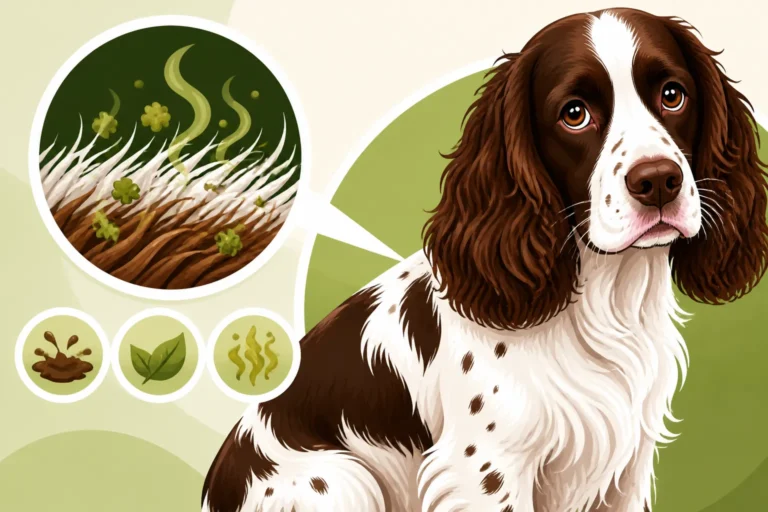
You might also notice other signs alongside the head shaking: your dog pawing at their ear, rubbing it on the carpet, or even a noticeable smell coming from the ear. Sometimes, the ear flap itself might feel warm to the touch, or you might see redness and discharge. It’s a frustrating cycle, especially when you feel like you’re doing everything right. We often talk about Why a Springer Spaniel's Ears Are Never Quite Healthy because this is such a common battle for us Springer parents. This persistent shaking can sometimes be the very first sign you notice, even before a foul odor or visible gunk appears. Catching it early can make a huge difference in treatment and prevent things from escalating.
Allergies: The Itch from Within
Sometimes, the root cause of that head shaking isn't just a localized infection, but a deeper, systemic issue: allergies. Just like humans, dogs can suffer from environmental allergies (atopy) to things like pollen, dust mites, or molds, or even food allergies to certain proteins. When an allergic reaction flares up, it often manifests as itchy skin, and guess where a lot of that itchiness concentrates? You guessed it – the ears!
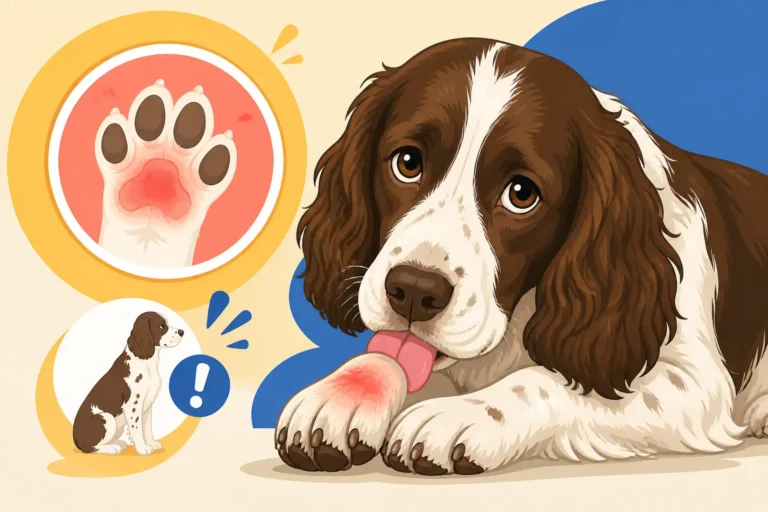
The inner ear canal becomes inflamed, red, and intensely itchy, driving your Springer Spaniel to shake their head furiously in an attempt to alleviate the constant irritation. It’s a full-body discomfort that often funnels into ear issues. You might notice your dog is generally itchier all over, licking their paws, or even experiencing skin rashes. Sometimes, these allergies create the perfect breeding ground for secondary ear infections, making it a double whammy of misery. It's not uncommon for How Often Allergies Drive a Springer Spaniel's Ear Disease, meaning that if your Springer is prone to recurrent ear issues, allergies should definitely be on your radar as a potential underlying cause. Switching to a specialized diet, perhaps something like Ollie or a limited ingredient diet you can find on Chewy, might be something your vet recommends if food allergies are suspected.
Foreign Objects and Irritants
Springers are active, curious dogs with long ears that sweep the ground, making them prone to picking up all sorts of unwelcome hitchhikers. A tiny grass awn (often called a foxtail), a burr, or even a small pebble can easily find its way into the ear canal. Once lodged, these foreign objects act like tiny daggers, causing immense irritation and pain. The immediate reaction? Vigorous, constant head shaking, often accompanied by pawing at the affected ear.
Imagine having something sharp stuck deep inside your ear – that’s pretty much what your Springer is experiencing. Unlike a slow-building infection, foreign objects can cause sudden, intense distress. This is particularly common after a romp through tall grass or dense underbrush. Even small insects can become trapped, causing an intense buzzing sensation and irritation that prompts frantic head shaking. This is one of those situations where your observation skills are key, especially if the head shaking starts abruptly after a specific outdoor activity.
When Head Shaking Becomes More Than Just an Annoyance
While a little head shake now and then is perfectly normal for a dog, constant or violent head shaking is a red flag. It’s not just an annoying habit; it can lead to more serious health complications for your Springer Spaniel if left unaddressed. Understanding the potential secondary problems and knowing when to recognize urgent signs can save your dog a lot of pain and potential long-term issues.
Secondary Problems from Constant Head Shaking
When your Springer Spaniel can't stop shaking their head, they're not just creating a ruckus; they're putting themselves at risk for a cascade of other problems. The most common and alarming of these is an aural hematoma. This happens when the violent flapping and shaking causes tiny blood vessels within the ear flap (pinna) to rupture, leading to a pocket of blood accumulating between the cartilage and the skin of the ear. The ear flap swells up dramatically, feeling like a squishy water balloon. It's incredibly painful for your dog and almost always requires veterinary intervention, often surgery, to drain the blood and prevent permanent disfigurement of the ear. This is why Whether a Springer Spaniel's Ear Hematoma Needs Surgery is such a critical consideration when head shaking becomes severe.
Beyond hematomas, constant head shaking can exacerbate the underlying problem, leading to chronic inflammation and thickening of the ear canal. This narrowing, sometimes referred to as stenosis, makes it even harder for the ear to air out and complicates future cleanings and treatments. It creates a vicious cycle where infections become more frequent and harder to clear. Over time, untreated chronic ear infections and constant head shaking can also lead to rupture of the eardrum, further pain, and even nerve damage, potentially affecting balance or causing facial paralysis. It’s a stark reminder that what starts as a seemingly simple shake can spiral into serious health concerns.
Recognizing Urgent Signs
Knowing when to seek immediate veterinary attention is crucial. While some head shaking might warrant a watchful eye, certain signs scream "emergency." If your Springer Spaniel is shaking their head so violently that they seem disoriented or are losing their balance, it’s time to call the vet. This could indicate a problem deep within the ear affecting their vestibular system, which controls balance, or even a neurological issue.
Look out for any signs of intense pain: crying out when touching their ear, reluctance to be petted around the head, or extreme lethargy. If you see visible blood, pus, or a dark, tar-like discharge oozing from the ear, that's a clear indicator of a severe infection or injury that needs prompt medical attention. A sudden, dramatic swelling of the ear flap, as described with a hematoma, also falls into the urgent category. Remember, your Springer Spaniel can't tell you how much pain they're in with words, so observing their behavior and physical symptoms is your primary guide. Don't wait if you notice Signs a Springer Spaniel Has an Ear Infection alongside severe head shaking, especially if your dog seems miserable.
| Symptom | Possible Cause | Urgency Level | Initial Action |
|---|---|---|---|
| Constant head shaking | Infection, allergies, foreign object | Moderate | Check visible ear, gentle clean, monitor. Call vet if persistent. |
| Pawing/rubbing at ear | Infection, foreign object, intense itch | Moderate | Check visible ear for redness/discharge. |
| Foul odor from ear | Bacterial or yeast infection | Moderate | Schedule vet visit for diagnosis and treatment. |
| Redness/swelling in ear canal | Infection, inflammation, allergic reaction | Moderate | Avoid deep cleaning. Vet visit. |
| Dark discharge | Yeast infection, ear mites | Moderate | Vet visit. |
| Pus or bloody discharge | Severe infection, injury, foreign object | High | Immediate vet visit. |
| Ear flap swollen (hematoma) | Trauma from shaking, ruptured blood vessels | High | Immediate vet visit. |
| Pain when touched | Infection, injury, hematoma | High | Vet visit as soon as possible. |
| Disorientation/loss of balance | Deep ear infection, vestibular issue, foreign object | High | Emergency vet visit. |
| Visible foreign object | Grass awn, burr, insect | High | Do NOT attempt to remove deep objects. Vet visit. |
Taking Action: What You Can Do and When to Call the Vet
When your Springer Spaniel is shaking their head relentlessly, you want to help them, and fast. While some initial steps can be taken at home, knowing when to consult a professional is paramount to resolving the issue and preventing it from spiraling into something more serious.
At-Home Care and Prevention
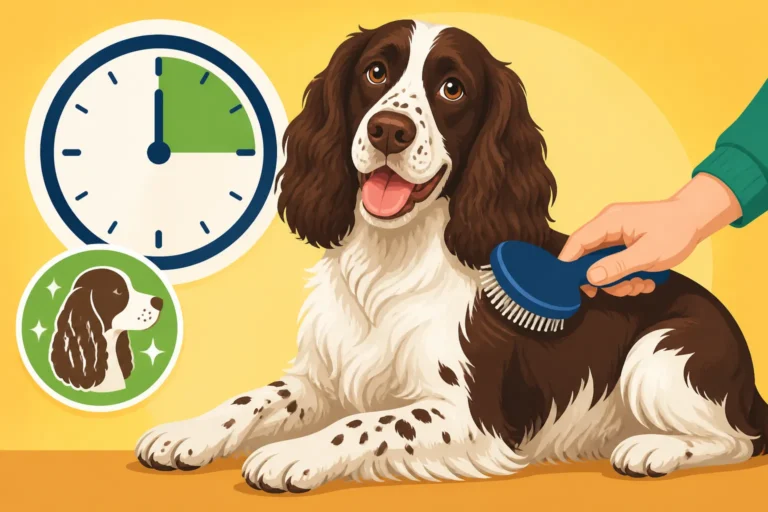
For mild cases, especially if your Springer Spaniel is prone to ear issues but isn't showing severe signs, some diligent at-home care can make a difference. Regular ear cleaning with a vet-approved solution, like those readily available on Amazon or Chewy, is your first line of defense. Remember, with those floppy ears, moisture is the enemy, so gently dry your dog's ears thoroughly after baths or swims. If your Springer loves water, consider a drying solution designed for dogs after every splash. Drying a Springer Spaniel's Ears After Swimming is a vital habit to get into.
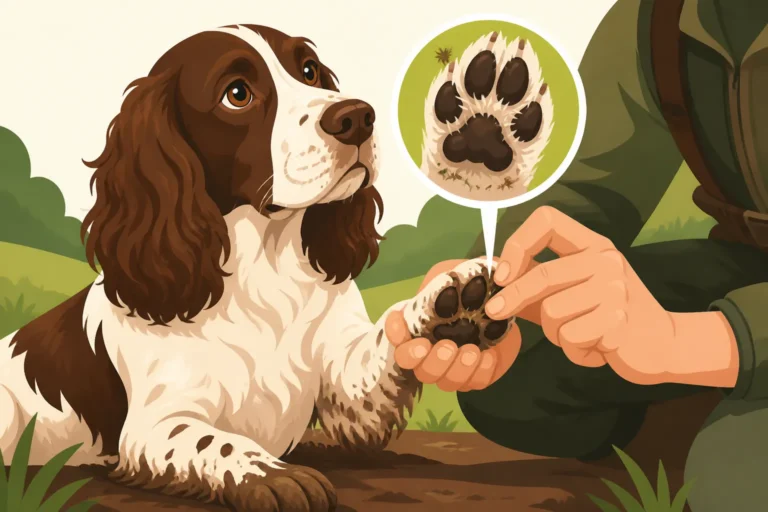
Beyond direct ear care, consider the overall health picture. If allergies are suspected, a food trial might be on the horizon, or your vet might suggest environmental allergy management strategies. Keeping your dog's coat trimmed, especially the feathering around the ears, can help with air circulation and reduce the chances of debris getting trapped. For working Springers or those who love to explore grassy areas, a quick visual check of the ears after every outdoor adventure can help spot foreign objects before they burrow deep. While you can't prevent every single ear problem, proactive care drastically reduces the frequency and severity of issues.
The Vet Visit: Diagnosis and Treatment Options
If the head shaking is constant, severe, or accompanied by any of those urgent signs we discussed, it's time to pick up the phone and schedule a vet appointment. Don't delay. Your veterinarian will perform a thorough examination, often using an otoscope to look deep into the ear canal, checking for foreign bodies, signs of infection, inflammation, or damage to the eardrum. They might also take a swab of the ear canal to check for yeast, bacteria, or mites under a microscope – this is called cytology and it's key to targeting the right treatment. Sometimes, if the ear canal is too swollen or painful, sedation might be necessary for a proper exam and deep cleaning.
Treatment will depend entirely on the diagnosis. For bacterial or yeast infections, medicated ear drops or oral antibiotics/antifungals will be prescribed. If a foreign object is found, your vet will safely remove it, often with specialized tools. For severe inflammation, anti-inflammatory medications might be given. If an aural hematoma has formed, surgical intervention is typically required to drain the blood and prevent permanent ear deformity. This can sometimes feel daunting, especially when considering What Treating a Springer Spaniel's Ear Infection Costs, but addressing the problem promptly is always the best course of action for your dog's long-term health and comfort.
Long-Term Management and Lifestyle Changes
For many Springer Spaniels, ear issues and the accompanying head shaking aren't a one-and-done problem; they can be a recurring challenge. Therefore, long-term management is often necessary. If allergies are the root cause, working with your vet on a comprehensive allergy management plan is key. This could involve hypoallergenic diets, antihistamines, or even allergy injections. Brands like Ollie, known for fresh, limited-ingredient dog food, can be a great option to explore under vet guidance for potential food sensitivities. Regular cleaning with a gentle, non-irritating ear cleaner, perhaps one recommended by your vet and conveniently ordered from Chewy, might become a permanent part of your grooming routine.
You might also need to become vigilant about environmental factors. Avoiding areas with tall grass or foxtails, or ensuring your dog wears a protective snood during outdoor activities, could be part of the solution. Learning the subtle Signs a Springer Spaniel Has an Ear Infection early on will allow you to intervene before it becomes severe, potentially reducing the need for costly and invasive treatments. It's about finding a rhythm that works for you and your Springer, adapting their care to their individual needs, and maintaining open communication with your vet about any recurring issues. Prevention and prompt action are truly your best allies in keeping that beautiful head shaking to a minimum.
Disclaimer
This article is for general informational purposes only and does not constitute professional advice. Laws, prices and regulations vary by location and change over time. Consult a qualified professional for guidance on your specific situation.