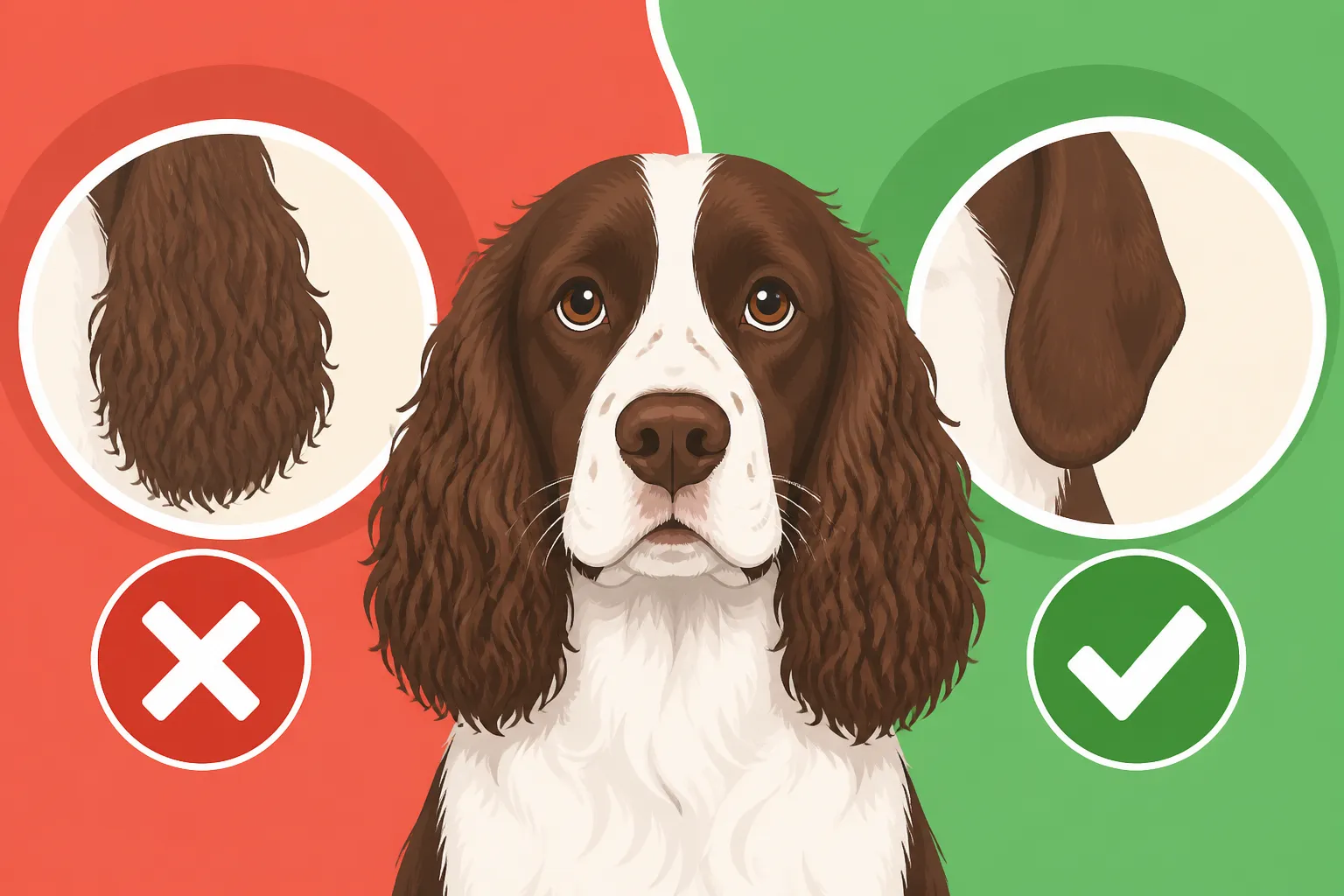
Whether a Springer Spaniel’s Ear Leather Should Be Trimmed
It’s a thought many Springer Spaniel owners have, especially when battling those persistent ear issues: "Should I trim my Springer’s ear leather to help with airflow?" It's a natural question, born from a place of wanting to alleviate discomfort and prevent those dreaded infections. However, there's a crucial distinction between managing the hair on the ear and trying to alter the ear's actual structure, and this guide will walk you through what's truly beneficial for your beloved companion's ear health.
The Distinctive Springer Spaniel Ear: Beauty and Its Challenges
Springers are known for those gorgeous, flowing ears – they frame that sweet, intelligent face beautifully, don't they? They're a hallmark of the breed, giving our dogs that classic, soulful look we all adore. But those very ears, while lovely to behold, are also a major source of frustration and frequent vet visits for many of us. We love their look, but we also know they're often a magnet for trouble, and keeping them healthy feels like a constant vigil.
The Anatomy of a Springer's Ear Flap
Let's talk about what we mean when we refer to "ear leather." When you gently lift your Springer's ear, the actual flap of skin and cartilage that forms the ear itself is what we call the ear leather. It's the underlying structural component, not just the fur. This ear leather is, of course, covered in hair, and that's often where the confusion and the desire to "trim the leather" originates. We see all that glorious feathering, sometimes dense and unruly, and we naturally wonder if managing it or even the underlying ear structure might provide relief from the persistent problems our dogs face. The sheer volume of hair can make it difficult to even see the ear itself, leading to the mistaken belief that the leather is somehow overgrown.
Why Springer Ears Are Prone to Trouble
The long, pendulous nature of a Springer's ears, combined with the dense hair that grows on them, creates a perfect storm for issues. These ears hang down, effectively covering the ear canal and significantly restricting the natural airflow that other breeds with prick or semi-prick ears benefit from. This lack of ventilation creates a warm, moist, dark environment – basically, an ideal spa day for bacteria and yeast, which love to set up shop and multiply in such conditions. It's a struggle many of us know all too well, constantly battling moisture, trapped debris, and those tell-tale head shakes and ear scratching that signal an impending or full-blown infection. Why a Springer Spaniel's Ears Are Never Quite Healthy is a common lament heard in many Springer-owning households, underscoring the breed's predisposition to these challenges.
Understanding "Trimming the Ear Leather": A Crucial Distinction
When people ask about "trimming a Springer Spaniel's ear leather," they almost always have the best intentions. Usually, they're trying to prevent those dreaded ear infections, alleviate discomfort, or simply keep things tidier and cleaner. However, it's absolutely vital to make a clear and firm distinction between trimming the hair that grows on the ear flap and actually trimming or altering the ear leather itself. This distinction is at the heart of responsible Springer Spaniel care.
Hair vs. Ear Leather: What Can and Cannot Be Trimmed
To be absolutely unequivocal, you should never trim, cut, or otherwise alter the actual ear leather – the skin and cartilage of the ear flap. That kind of intervention would constitute a surgical procedure, and it is medically unnecessary and potentially very harmful. It's simply not something a groomer or an owner would ever, or should ever, do. What owners typically mean when they talk about "trimming the ear leather" is actually managing the long hair, or "feathering," that grows on the ear flap and around the ear canal. This is a common and understandable misconception, because the hair can be so dense and thick that it appears to be an integral part of the ear's structure. But think of it this way: when you get a haircut, you're trimming your hair, not surgically altering your scalp. The same principle applies here; the goal is to manage the fur, not the flesh.
The Risks of Altering the Ear's Structure
Attempting to physically alter the ear leather itself through trimming, cutting, or any other method would be a grave error with serious consequences. You could inadvertently damage delicate nerves, rupture blood vessels, or injure the underlying cartilage. This could lead to excruciating pain for your dog, chronic and irreversible infections, significant bleeding, or even permanent disfigurement of the ear. Such an action would not only be cruel but would also likely result in severe medical complications requiring extensive veterinary intervention. Furthermore, the breed standard for English Springer Spaniels specifically calls for long, well-feathered ears, which are part of their distinctive appearance. While a dog's health always trumps aesthetics, surgically altering the ear leather is unequivocally not the answer to ear health issues. It is crucial for every Springer owner to understand that our primary goal should be to improve airflow and maintain hygiene within the existing anatomical structure of the ear, not to attempt to change that fundamental structure.
Effective Grooming for Healthy Springer Spaniel Ears
So, if we're not trimming the ear leather, what can and should we do to keep those magnificent ears healthy, clean, and comfortable for our Springers? The answer lies in smart, strategic, and regular grooming of the hair on and around the ear, combined with diligent hygiene practices. This approach is where we can truly make a positive impact on our Springers' well-being and reduce the frequency of frustrating ear problems.
Strategic Hair Management for Airflow
The key objective with ear grooming is to encourage ample airflow to the ear canal and prevent the dense feathering from becoming a matted, suffocating barrier. This typically involves using thinning shears, rather than blunt clippers, on the underside of the ear flap and very carefully around the entrance to the ear canal. You're aiming to create a lighter, less dense curtain of hair, which allows more air to circulate without completely removing the natural, protective qualities of the ear's covering. Think of it as subtly opening the blinds to let in a breeze, rather than tearing them down. Many dedicated Springer owners find quality thinning shears, available from retailers like Chewy or Amazon, to be an indispensable tool for this task. Some also very carefully trim the longer hairs that hang directly into the ear canal itself, but this should always be done with extreme caution, using blunt-nosed scissors, or ideally, left to a professional groomer who has experience with spaniel ears. The goal is to thin, not to shave bare, which can actually exacerbate problems by irritating the skin.
Regular Cleaning and Drying Routines
Beyond strategic hair trimming, a consistent and thorough cleaning and drying routine is paramount for Springer Spaniel ears. It's a well-known fact that The Springer Spaniel Ear That Never Fully Dries is a battle we fight on an almost daily basis, especially if your dog loves water or damp environments. After swims, baths, or even particularly wet and muddy walks, it is absolutely essential to thoroughly dry your Springer's ears. A soft cotton ball, a gentle cloth, or even specialized pet ear drying wipes can help absorb excess moisture. A gentle, vet-approved ear drying solution can also be a literal lifesaver, helping to wick away moisture from deep within the ear canal. You can find excellent ear cleaners and drying solutions on Chewy, at your local pet store, or recommended by your veterinarian. For general maintenance, we often ask ourselves Whether a Springer Spaniel's Ear Should Be Cleaned When Healthy, and the answer is typically a gentle "yes" – as a preventative measure. Regular, proactive cleaning helps to remove wax buildup and debris before it can create a hospitable environment for infections. Which Ear Cleaner Suits a Springer Spaniel can vary greatly depending on your dog's specific needs and any sensitivities, so always consult your veterinarian for their recommendations to ensure you're using the safest and most effective product.
When to Seek Professional Guidance for Ear Health
Even with the most diligent and loving home care, Springer Spaniel ears can be incredibly tricky to manage. Knowing precisely when to call in the experts – whether it's your trusted veterinarian or an experienced professional groomer – is absolutely crucial for preventing minor irritations from escalating into serious, painful, and often expensive problems. Don't hesitate to reach out when you're unsure; it's always better to be proactive when it comes to ear health.
Recognizing Signs of Trouble and Consulting Your Vet
If you ever notice any signs of irritation, such as redness, swelling, or heat, inside your Springer's ear, or if there's any unusual discharge, a foul odor, or excessive wax buildup, it’s an immediate red flag. Additionally, if your Springer is constantly scratching at their ears, shaking their head vigorously, holding their head tilted to one side, or showing signs of pain when you touch their ears, it is unequivocally time for a vet visit. These are all classic Signs a Springer Spaniel Has an Ear Infection, and prompt veterinary attention is not just recommended, it's essential. Please, do not try to self-diagnose or treat a suspected infection with unproven home remedies; you could inadvertently make the situation significantly worse or mask a more serious underlying issue. Your veterinarian can perform a proper examination, identify the exact cause (whether it's bacterial, yeast, mites, or even a foreign body), and prescribe the correct, targeted treatment. Ignoring these early signs can lead to chronic ear disease, deep-seated infections, and much more invasive – and indeed, more expensive – treatments down the road, including potential surgery. Sometimes, persistent ear problems can even be linked to underlying allergies, and your vet might suggest dietary changes, perhaps even exploring fresh food options like those offered by Ollie, though it's always important to discuss any significant diet changes with your vet first to ensure they're appropriate for your dog's specific health needs. The question of How Often a Springer Spaniel Gets Ear Infections can be a disheartening reality for many owners, and a vet can help develop a comprehensive long-term management plan to minimize recurrences.
The Role of a Professional Groomer
A professional groomer, especially one with extensive experience caring for spaniels and their unique coat and ear needs, can be an invaluable partner in maintaining your Springer's ear health. They possess the specific skills and knowledge to address the particular grooming challenges posed by breeds like the Springer. They can expertly thin the hair on the ear flaps and around the ear canal entrance without causing any damage, using specialized tools and techniques. Beyond just the physical grooming, a good groomer can also often show you how to perform some of these maintenance techniques safely and effectively at home, empowering you to keep up with care between professional appointments. Discussing the nuances of Two Coats, Two Routines: Field and Show Springer Spaniel Grooming with your groomer can help them tailor a grooming plan that is perfectly suited to your dog's lifestyle, whether they are a working field dog, a pampered show dog, or a beloved family pet. Furthermore, professional groomers are often adept at identifying early signs of ear problems – sometimes even before you might notice them – and can advise you to consult your vet if they spot anything concerning. Don't be shy about asking your groomer for their best tips and techniques for Trimming a Springer Spaniel's Feathering specifically to improve ear hygiene and airflow. They are there as a resource to help you keep your dog looking and, most importantly, feeling its absolute best, from the top of its head to the tips of those magnificent ears!
Hair Thinning vs. Ear Leather Trimming: A Clear Comparison
Understanding the difference between appropriate hair management and inadvisable ear leather trimming is paramount for any Springer Spaniel owner. Here's a quick summary to clarify the distinctions:
| Feature | Strategic Hair Thinning (Recommended) | "Ear Leather Trimming" (Not Recommended) |
|---|---|---|
| Purpose | Improve airflow, reduce matting, maintain hygiene, prevent infections | Misguided attempt to improve ear health by altering the ear's structure |
| Method | Using thinning shears to reduce hair density on the ear flap and around the canal opening | Cutting or surgically altering the skin and cartilage of the ear flap |
| Tools | Thinning shears, blunt-nosed scissors, ear powder/cleaner | Surgical instruments (not for home use or general grooming), scalpel |
| Safety | Safe when done correctly, gently, and with appropriate knowledge | Extremely dangerous, highly risky, can cause permanent damage, severe pain, and chronic infection |
| Benefits | Reduced risk of ear infections, increased comfort, neater appearance, better hygiene | No legitimate benefits; only potential for severe and lasting harm |
| Breed Standard Impact | Maintains natural appearance while addressing practical health needs | Violates breed standard, drastically alters natural appearance and function |
| Professional Help | Professional groomers or veterinarians can advise and demonstrate techniques for hair management | Requires veterinary intervention for medical issues or emergencies, never for cosmetic alteration |
Disclaimer
This article is for general informational purposes only and does not constitute professional advice. Laws, prices and regulations vary by location and change over time. Consult a qualified professional for guidance on your specific situation.