Whether a Springer Spaniel’s Ears Trail in Its Water Bowl
If you've ever watched your beautiful English Springer Spaniel take a long, refreshing drink from their water bowl, only to then leave a soaking wet trail across your kitchen floor, you're not alone. It's a common, often frustrating, reality for many Springer owners: those glorious, feathered ears seem to have a magnetic attraction to water. This guide will dive deep into why this happens, the problems it creates, and most importantly, how to manage this persistent challenge, keeping your home cleaner and your Springer healthier.
Why Your Springer Spaniel's Ears Become Water Magnets
It's not just a coincidence; there's a very good reason those long, floppy ears are constantly getting drenched. It comes down to a combination of their unique physical characteristics and their enthusiastic approach to hydrating themselves. Understanding these factors is the first step toward tackling the perpetual wet-ear dilemma.
The Anatomy of a Springer's Ear
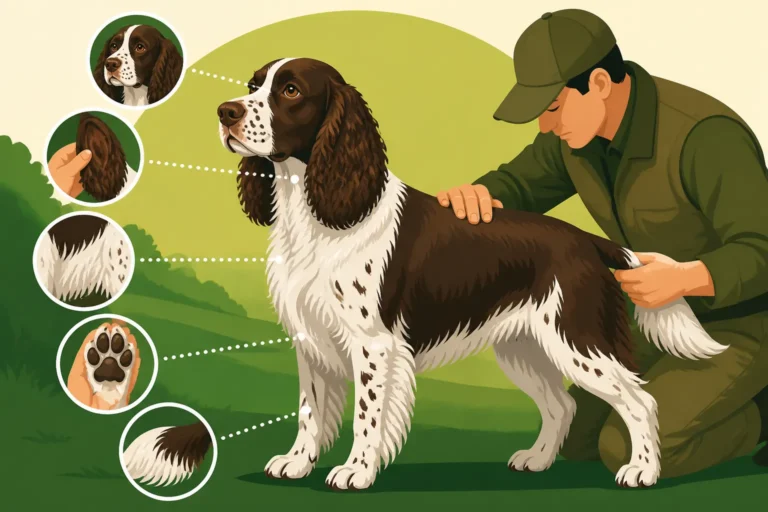
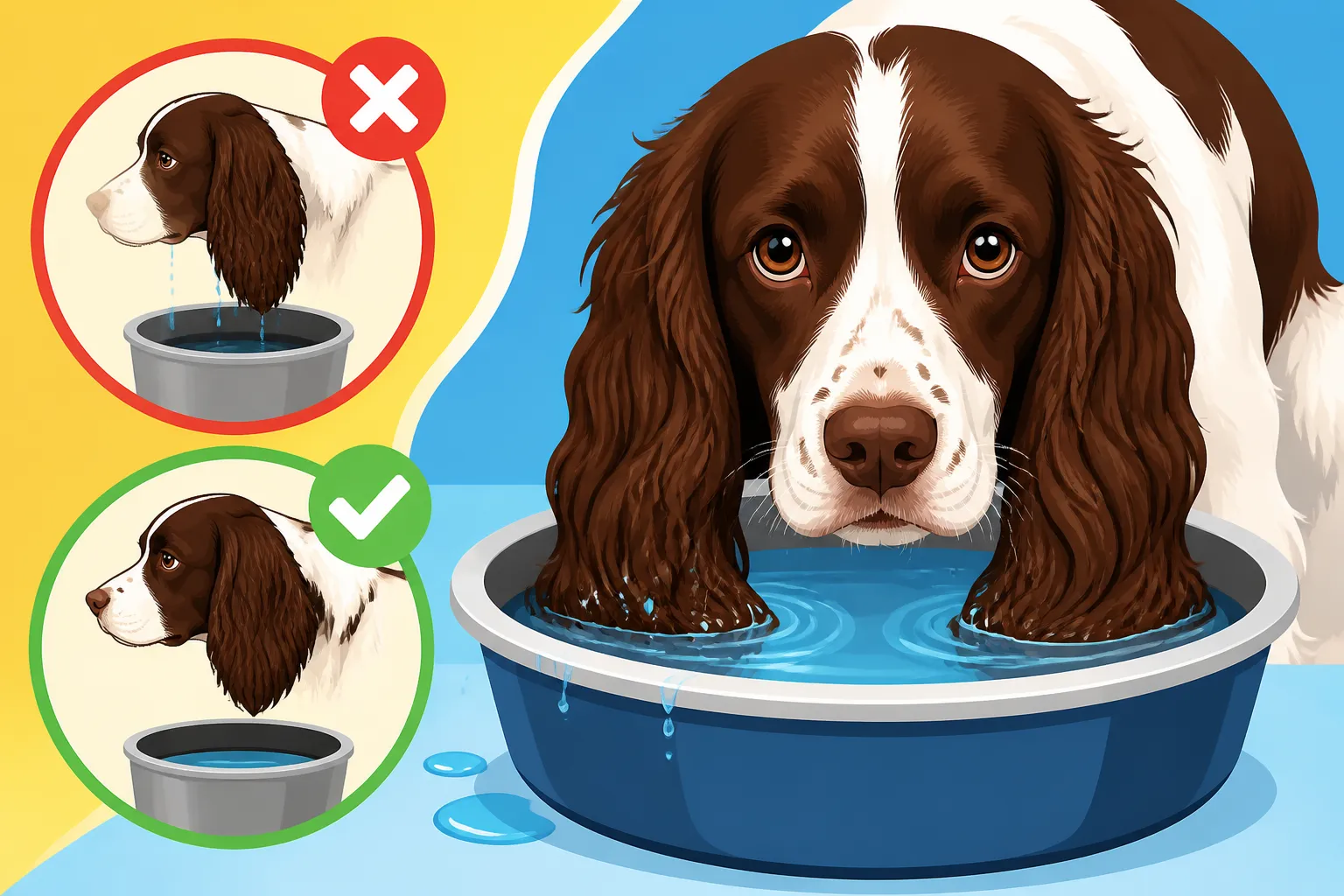
A Springer Spaniel's ears are a hallmark of the breed, giving them that sweet, soulful expression we all adore. However, these very features are also their Achilles' heel when it comes to staying dry. Their ears are low-set and long, often extending past their jawline. This length means that when they lower their head to drink, their ears naturally dip into the bowl. It's almost impossible for them to drink without their ears becoming submerged, even in a wide bowl.
Beyond the length, a Springer's ears are often heavily feathered, especially in the show-bred lines. This soft, silky hair acts like a sponge, wicking up water not just from the tips, but far up the ear leather itself. Imagine trying to drink with two fluffy feather dusters dipping into your glass – that's essentially what your Springer's ears are doing. This feathering also traps moisture against the skin of the ear canal, creating a warm, damp environment that can lead to problems later on.
Their Drinking Style and Enthusiasm
Springers are known for their exuberance, and this zest for life often extends to their drinking habits. They're rarely dainty sippers. Instead, many Springers approach the water bowl with gusto, plunging their muzzles in deeply and often creating a bit of a splash. This deep immersion, combined with their characteristic head-shaking after a good drink, ensures that any water picked up by the ears is thoroughly distributed.
Think about a hot summer day after a long run in the park, or even just after a particularly exciting play session. Your Springer is parched, and they're going to quench that thirst with enthusiasm. The combination of their deep drinking style, the long ears, and the absorbent feathering creates a perfect storm for water-logged ears every single time they visit the water bowl. It’s an adorable, albeit messy, part of their charm.
The Persistent Problems Caused by Wet Ears
It's more than just a bit of a mess; constantly wet ears can lead to a host of health and hygiene issues for your beloved Springer. Ignoring the problem can result in discomfort for your dog and more serious veterinary bills for you. Understanding these potential pitfalls emphasizes why addressing this issue proactively is so important.
Chronic Ear Infections: A Constant Battle
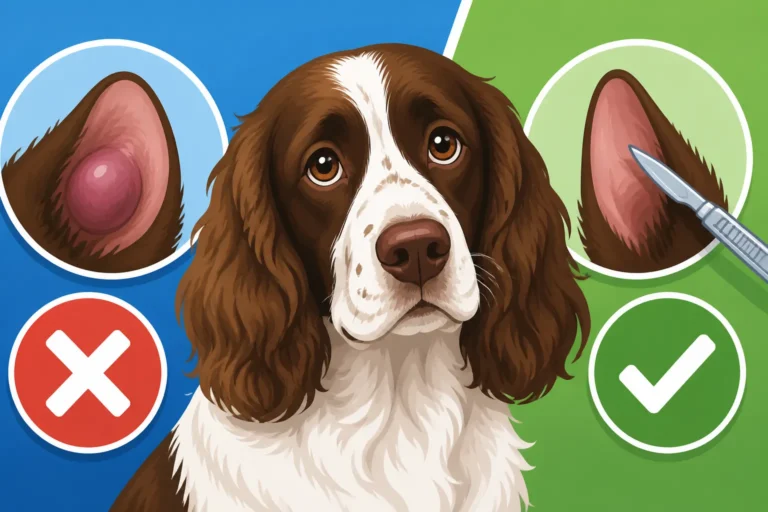
The number one health concern stemming from wet ears is the increased risk of chronic ear infections. Springer Spaniels are already predisposed to ear issues due to their pendulous (floppy) ears, which restrict airflow and create a warm, moist environment naturally. When you add constant water exposure, you're essentially setting up a perfect breeding ground for bacteria and yeast. The trapped moisture allows these opportunistic organisms to proliferate, leading to itchy, painful, and recurring infections.
Symptoms often include your dog shaking their head, scratching at their ears, redness, a foul odor, or a discharge. It's a miserable experience for your dog, and treating them can be a long, drawn-out process involving medicated ear drops, cleaners, and sometimes even oral antibiotics. Many Springer owners find themselves in a constant cycle of treating and re-treating infections, which is why preventive measures are key. You might also want to read Why a Springer Spaniel's Ears Are Never Quite Healthy to get a deeper understanding of this common breed challenge.
Matting and Skin Irritation
Beyond infections, constantly wet ear feathering can lead to severe matting. Water causes hair to clump together, and as it dries, these clumps can tighten into painful mats, especially behind the ear and along the edges. These mats pull on the skin, causing irritation, redness, and even open sores if left unattended. If your Springer runs through brush or plays in the yard with wet ears, they're even more likely to pick up debris, which gets tangled in the wet fur, exacerbating the matting.
The constant dampness against the skin can also cause skin irritation and hot spots, which are localized areas of infection and inflammation. These are incredibly itchy and can develop quickly, becoming painful open wounds if your dog licks and scratches at them excessively. Grooming becomes more difficult, and if the matting is severe, it might even require a trip to the groomer for a complete shave down of the affected areas, which is rarely a pleasant experience for your dog.
General House Mess and Hygiene
Let's be honest, perpetually wet ears are also just plain messy. Every time your Springer takes a drink, they're not just wetting their ears, they're preparing to drip water all over your floors, furniture, and even on you! You'll notice wet streaks on your kitchen floor, damp patches on rugs, and if your dog decides to lean against your leg after a drink, you'll feel the cold, wet reality of Springer ownership.
This constant dampness can also contribute to that distinct "wet dog" smell, even when your dog hasn't had a bath or gone for a swim. The combination of water, ear wax, and general canine odors gets trapped in the damp feathering, making your dog smell less than fresh. It's a hygiene issue that can impact the overall cleanliness of your home and your dog's personal aroma. For further reading on ear care and hygiene, consider checking out How Often a Drop Eared Springer Spaniel Needs Cleaning.
Practical Solutions for Managing Wet Springer Ears
The good news is that while you can't change your Springer's anatomy or their enthusiastic nature, there are many practical steps you can take to minimize the wet ear problem. From choosing the right equipment to establishing a consistent care routine, managing those magnificent ears is entirely possible.
Choosing the Right Water Bowl
One of the most effective strategies starts with the water bowl itself. Forget wide, shallow bowls; these are practically designed to be ear soakers for a Springer. Instead, you want to look for bowls that are narrow and deep. The idea is that your Springer's muzzle can fit inside to drink, but the sides of the bowl are too close together for their long ears to flop in.
Here are a few types to consider:
- Narrow, Deep Bowls: Often called "spaniel bowls," these have a smaller diameter opening but are deep enough to hold plenty of water. They keep the ears out of the liquid. You can find many options on sites like Chewy that are specifically designed for long-eared breeds.
- Elevated Bowls: While not directly preventing ear dipping, elevating the bowl can sometimes encourage a slightly different drinking posture that minimizes immersion. It can also be more comfortable for larger or older Springers.
- Slow Feeder/Drinker Bowls: Some bowls have designs, like a floating disc, that only expose a small amount of water at a time. This slows down enthusiastic drinkers and reduces splashing, indirectly helping to keep ears drier. However, ensure your Springer can still get adequate water, especially after exercise.
| Bowl Type | Pros | Cons | Best For |
|---|---|---|---|
| Narrow, Deep (Spaniel) | Effectively keeps ears out of water, less mess. | May need more frequent refills if smaller capacity. | All Springers, especially those prone to ear issues. |
| Elevated Stand | Comfortable for older/taller dogs, aids digestion. | Does not inherently prevent ear dipping if bowl is wide. | Larger Springers, or dogs with neck/joint issues. |
| Slow Feeder/Drinker | Reduces splashing, slows enthusiastic gulping. | Some dogs find them frustrating, may limit water intake. | Splashing drinkers, or those who drink too fast. |
Daily Ear Care and Drying Routines
Beyond the bowl, a consistent ear care routine is crucial. You can't just rely on the right bowl; daily attention will make a huge difference. After every drink, especially if you see those ears are wet, take a moment to gently blot them dry with a soft towel. Pay particular attention to the underside of the ear flap and the feathering. This quick habit prevents moisture from lingering and setting the stage for problems.
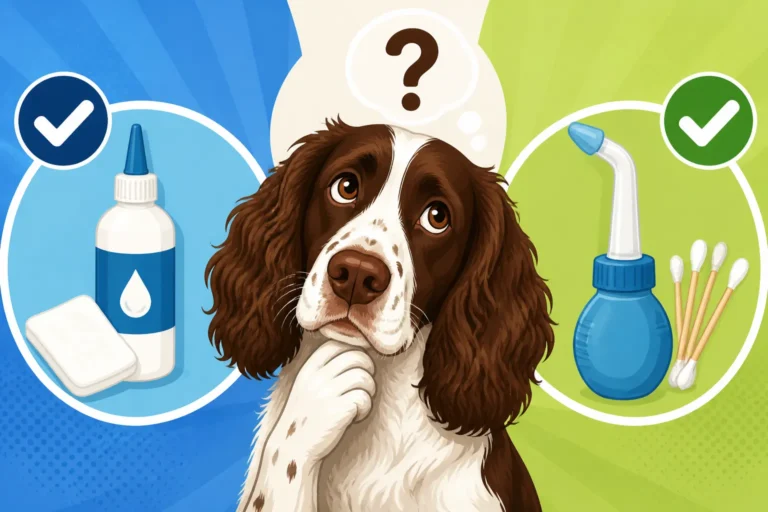
Regular ear cleaning with a vet-approved solution is also vital, even when your Springer's ears appear healthy. This helps remove wax, dirt, and any trapped moisture, keeping the ear canal clean and less hospitable to infections. Ask your vet which cleaner they recommend, as different solutions are suited for different ear health needs. Remember, prevention is far easier and less stressful than treatment. If you notice any signs of infection, such as redness, discharge, or a foul odor, consult your vet immediately. Don't wait; ear infections can escalate quickly. For more details on ear cleaning, check out Whether a Springer Spaniel's Ear Should Be Cleaned When Healthy and Which Ear Cleaner Suits a Springer Spaniel.
Grooming for Wet Ear Prevention
Thoughtful grooming can significantly contribute to keeping those ears drier. While you don't want to completely strip your show-bred Springer of their beautiful feathering, strategic trimming can make a big difference. Many owners opt to trim the feathering on the underside of the ear flap and around the ear canal. This reduces the amount of hair that can wick up water and also improves airflow, both of which are critical for ear health.
For field-bred Springers, or those who spend a lot of time outdoors and in water, some owners choose to keep the ear feathering shorter overall to minimize tangles, mats, and the amount of water they absorb. Discuss these options with a professional groomer who understands the Springer Spaniel coat. They can help you find a balance between maintaining the breed's appearance and practical care for your individual dog's lifestyle. You can also learn about Trimming a Springer Spaniel's Feathering for more specific advice.
Many owners also use "snoods" – fabric tubes that slip over the dog's head and ears – during meal times or when drinking. These keep the ears completely out of the bowl and are a fantastic temporary solution. You can find various snoods on platforms like Amazon or Chewy, sometimes even made by small businesses on sites like Etsy. They might look a bit silly, but they are incredibly effective for keeping ears dry during messy activities. Whether a Springer Spaniel Needs a Snood While Eating is a good resource if you're considering one.
Long-Term Management and Prevention
Managing your Springer Spaniel's wet ears isn't a one-and-done task; it requires ongoing vigilance and a consistent approach. By integrating these strategies into your daily routine, you can foster healthier ears and a cleaner home environment for years to come.
Training for Tidy Drinking Habits
While a Springer's natural inclination might be to enthusiastically dunk their head, you can gently encourage tidier drinking habits through positive reinforcement. Start by praising and rewarding your dog for calmer drinking. When they approach the bowl, if you see them drinking without excessive splashing or plunging, immediately offer a calm "good boy/girl" and perhaps a small, high-value treat.
Consistency is key here. If you use a snood, introduce it calmly and make it a positive experience with treats. Over time, your dog might associate the presence of the water bowl (or the snood) with a calmer approach, reducing the likelihood of a major ear-soaking event. This isn't about eradicating their natural zest, but about channeling it in a way that benefits their health and your home. For general training advice and how a Springer learns, consider How Fast a Springer Spaniel Learns.
When to Seek Professional Help
Even with the best preventive measures, Springer Spaniels can still develop ear issues. It's crucial to know when to stop home remedies and involve your veterinarian. If you notice persistent head shaking, excessive scratching, a strong odor coming from the ears, redness or swelling, or any discharge (yellow, black, or bloody), it's time for a vet visit. These are classic Signs a Springer Spaniel Has an Ear Infection and require professional diagnosis and treatment.
Your vet can examine the ear canal, take samples for microscopic analysis (cytology) to identify the specific type of infection (bacterial, yeast, or both), and prescribe the appropriate medication. They can also discuss underlying causes, such as allergies, which often manifest as chronic ear problems in Springers. Don't hesitate to seek their expertise; delaying treatment can lead to more severe infections, pain for your dog, and more complicated (and costly) interventions down the line. Managing chronic ear issues can become quite expensive, so understanding What Chronic Ear Disease Costs a Springer Spaniel Owner is important for any Springer owner.
Disclaimer
This article is for general informational purposes only and does not constitute professional advice. Laws, prices and regulations vary by location and change over time. Consult a qualified professional for guidance on your specific situation.