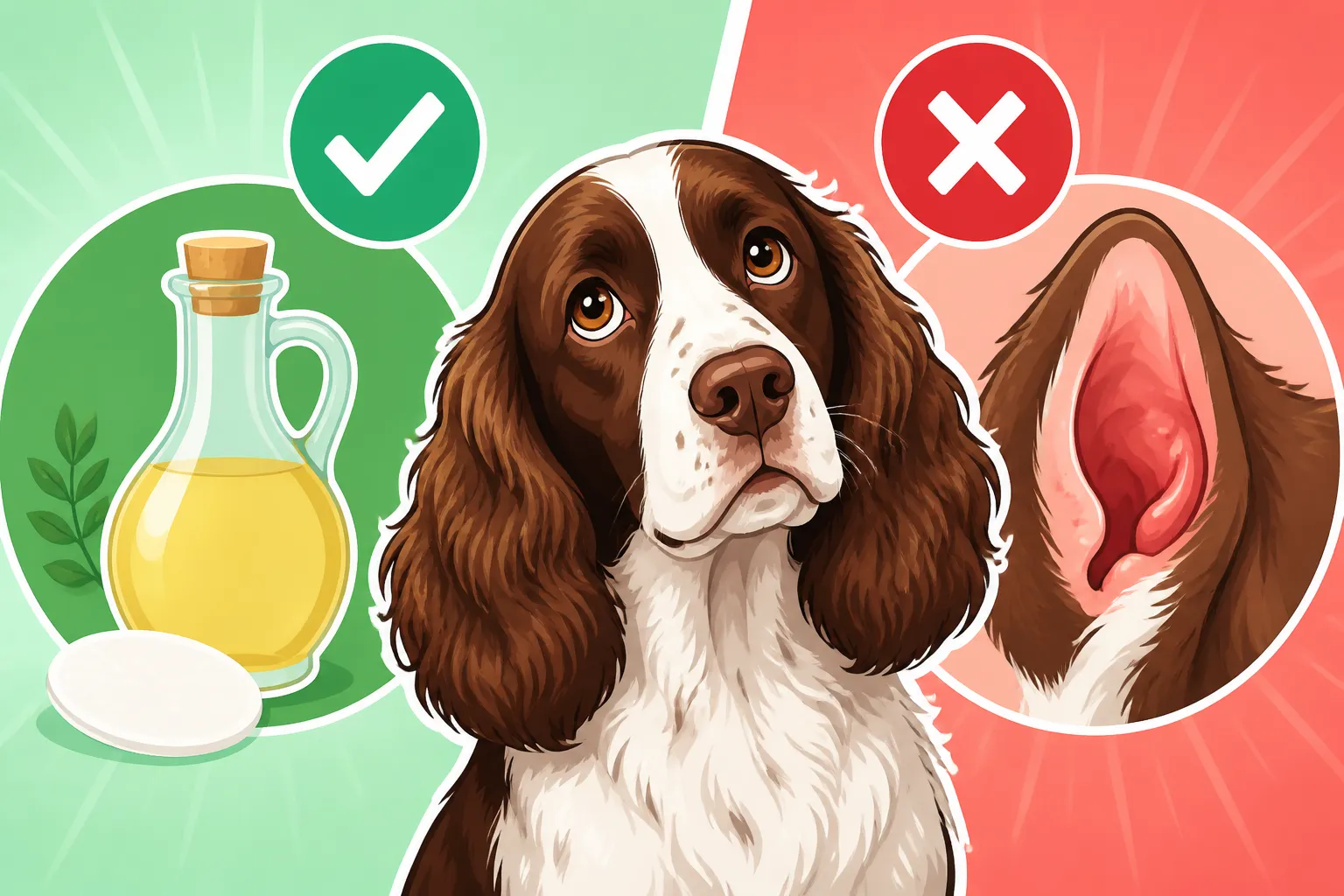
Whether Vinegar Solutions Suit a Springer Spaniel’s Ears
The frustrating reality for many English Springer Spaniel owners is the endless battle with ear infections. Their beautiful, floppy ears, while characteristic, are also notorious for trapping moisture and debris, creating a perfect breeding ground for trouble. When you're constantly dealing with redness, itching, and that tell-tale yeasty smell, it's easy to feel desperate for any solution, and often, home remedies like vinegar solutions pop up as a seemingly simple answer. This guide will thoroughly explore whether vinegar solutions are truly suitable for your Springer Spaniel's ears, examining the potential benefits, significant risks, and, most importantly, safer, more effective alternatives.
The Lure of Home Remedies for Springer Spaniel Ears
It's a tale as old as time for Springer Spaniel owners: one minute your dog is romping happily, the next they're shaking their head, scratching relentlessly, and giving you that sad-eyed look that screams "my ears hurt!" This common scenario often sends us down the internet rabbit hole, searching for quick fixes and natural remedies.
Why Ear Troubles Plague Springer Spaniels
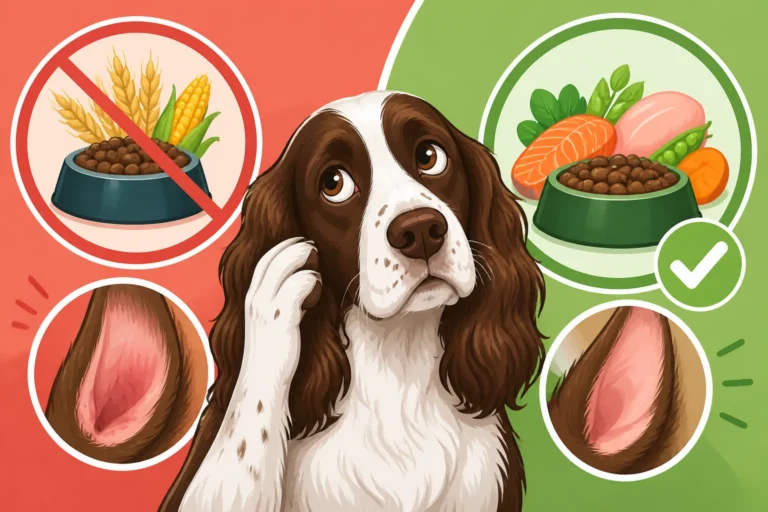
Let's be honest, those long, luxurious ears are part of what makes our Springers so endearing, but they're also their Achilles' heel. Structurally, their pendulous ears hang down, effectively sealing off the ear canal from much-needed air circulation. This creates a warm, moist environment – a veritable spa day for bacteria and yeast. Add to that the copious amount of hair often found inside a Springer's ear canal, which further traps moisture and debris, and you've got a recipe for recurring problems. It's not just the anatomy, though. Many Springer Spaniels are also prone to underlying allergies, both environmental and food-related, which can manifest as chronic ear inflammation and infections. This constant irritation lowers the ear's defenses, making it even more susceptible to secondary infections. It's a vicious cycle that can leave both you and your beloved dog feeling utterly miserable. It's no wonder that many owners find themselves asking Why a Springer Spaniel's Ears Are Never Quite Healthy.
The Appeal of DIY Solutions
When you're facing yet another trip to the vet, the thought of expensive medications, special ear cleaners, and the sheer time commitment, it's completely understandable to look for more affordable or seemingly simpler solutions. The internet is awash with advice on "natural" remedies, and vinegar often features prominently due to its common household availability and purported antimicrobial properties. There's a strong appeal to feeling like you can take matters into your own hands, providing a gentle, natural solution without the hassle or expense of a vet visit. Owners genuinely want to help their dogs, and the idea of a quick, at-home fix can be incredibly tempting when you're watching your Springer scratch their ear raw. We want to believe there's a magic bullet in our pantry that can solve the recurring ear woes.
Understanding Vinegar and Its Potential Effects on Canine Ears
So, what exactly is vinegar, and why do people consider it for ear care? It comes down to its chemical composition and the properties attributed to it. However, what sounds good in theory can often have unintended, and sometimes harmful, consequences in practice, especially when dealing with the delicate tissues of a dog's ear.
The Acidity Factor: What Vinegar Does
Vinegar, particularly white vinegar or apple cider vinegar, is essentially diluted acetic acid. This acidity is the key property that proponents point to for its use as an ear cleaner. Acetic acid is believed to have certain antibacterial and antifungal properties, which might sound promising when you're battling a bacterial or yeast infection in your Springer's ears. The idea is that the acidic environment created by vinegar could inhibit the growth of these troublesome microorganisms. Furthermore, some suggest it can act as a drying agent, which seems beneficial given how much moisture Springer Spaniel ears can trap. Apple cider vinegar, in particular, often gets touted for additional "natural" health benefits beyond just its acidity, though these are largely unproven in canine ear health.
However, here's where we need to pump the brakes. While acidity can kill certain microbes, the ear canal is a sensitive, complex environment. The natural pH balance of a dog's ear is slightly different from human skin, and introducing a strong acid can be more disruptive than helpful. It's not a simple case of "kill the germs, solve the problem."
Risks of Using Undiluted or Incorrect Solutions
This is where the dream of a simple home remedy often turns into a nightmare. Using undiluted vinegar, or even solutions that are too strong, in your Springer Spaniel's ears carries significant risks. First and foremost, vinegar is an acid, and acids can cause irritation or even chemical burns on sensitive skin. Imagine pouring vinegar into an open cut – that's essentially what you could be doing if your dog's ear canal is already inflamed, scratched, or raw from an ongoing infection. The pain this can cause is immense, leading to more head shaking, scratching, and ultimately, worsening the trauma to the ear.
Beyond immediate pain, strong vinegar solutions can strip away the natural protective oils within the ear canal, leading to excessive dryness or, paradoxically, even more irritation and inflammation as the body tries to compensate. It can also severely disrupt the delicate balance of beneficial microorganisms, potentially paving the way for a different, perhaps more resistant, infection to take hold. Perhaps the most critical risk, however, is if your dog has a ruptured eardrum. If there's any compromise to the eardrum, introducing any liquid, especially something acidic like vinegar, can cause severe damage to the middle and inner ear, leading to pain, balance issues, and even permanent deafness. You would never know this without a veterinarian examining the ear with an otoscope. So while you might be looking to save on What Medicated Ear Drops Cost for a Springer Spaniel, you could end up with a much more serious and costly problem.
When Vinegar Might Seem Helpful (and When It's Definitely Not)
There's a very narrow margin where a highly diluted vinegar solution might be considered for very specific, non-infectious scenarios, but for the vast majority of ear issues in Springer Spaniels, it's best avoided. Understanding this distinction is crucial for your dog's well-being.
Mild, Preventative Use: A Cautious Approach
Let's imagine a scenario: your Springer loves to swim, a common trait, and their ears get routinely wet, but they don't currently have an infection. In such a specific case, a very mild, highly diluted vinegar solution (perhaps 1 part white vinegar to 10 parts warm water) might be considered as a very occasional drying agent. The idea here is to help dry out the ear canal and create an environment slightly less welcoming to moisture-loving bacteria before an infection takes hold. This would be used sparingly and only if the ears are perfectly healthy, without any signs of irritation or infection whatsoever. The crucial point here is preventative, not curative. It's about maintaining dryness after a swim, not treating an existing problem. For more on this, consider learning about Drying a Springer Spaniel's Ears After Swimming. However, even in this limited scenario, purpose-made canine ear drying solutions are far safer and more effective, as they are formulated with the correct pH and gentle ingredients to do exactly this job without the risks associated with vinegar.
Red Flags: When to Avoid Vinegar Entirely
Now, for the much longer list of situations where vinegar should be absolutely avoided. If your Springer Spaniel shows any of the following signs, do not reach for the vinegar:
- Redness or Swelling: These are clear indicators of inflammation, meaning the tissue is already compromised and highly sensitive. Vinegar will only exacerbate this.
- Discharge (Waxy, Pus-like, or Dark): Any discharge signals an active infection (bacterial, yeast, or mites). Vinegar cannot effectively treat these and, as mentioned, can make things worse.
- Foul Odor: A strong, unpleasant smell is a classic sign of an infection. Vinegar won't resolve the underlying cause and might just temporarily mask the smell while the infection festers.
- Pain or Sensitivity: If your dog yelps, flinches, or pulls away when you touch their ears, they are in pain. Introducing an acidic substance will be excruciating.
- Excessive Head Shaking or Scratching: These behaviors indicate discomfort and irritation. Using vinegar will likely increase this discomfort.
- Rubbing Ears on Furniture or the Ground: Another sign of intense itching or pain.
- Known or Suspected Eardrum Rupture: This is paramount. If a veterinarian has not recently examined your dog's ears and confirmed the eardrums are intact, you should never put any liquid into them. A perforated eardrum means liquid can enter the middle ear, causing severe neurological problems and hearing loss.
Essentially, if you suspect any kind of active ear problem, your first stop should be the vet, not the kitchen cabinet. Trying to self-diagnose and treat with vinegar for something like Signs a Springer Spaniel Has an Ear Infection is a gamble with your dog's health. Given how common ear infections are, and how often How Often a Springer Spaniel Gets Ear Infections can be a recurring battle, it's vital to rely on expert advice.
Safer Alternatives and Professional Guidance
When it comes to your Springer Spaniel's ear health, guessing games and home remedies can be risky. The best approach is always a combination of effective preventative care and prompt, professional veterinary attention when problems arise.
Vet-Approved Ear Cleaners and Drying Solutions
Instead of resorting to potentially irritating household products, invest in high-quality, vet-approved ear cleaners and drying solutions specifically formulated for dogs. These products are developed with canine ear physiology in mind. They have a balanced pH, contain gentle ingredients, and are designed to effectively clean out debris, wax, and moisture without causing irritation. Many also include ingredients that help to break down wax or provide a mild antiseptic effect.
These specialized solutions are readily available through your veterinarian, and also from reputable online pet retailers like Chewy or Amazon. Look for products that specifically state they are for canine use and follow the instructions carefully. For example, if your Springer loves to swim, a dedicated ear drying solution used immediately after water exposure can be invaluable. This helps to evaporate moisture and restore a healthy environment without the harshness of vinegar. Choosing the right product is key, and you can learn more about Which Ear Cleaner Suits a Springer Spaniel from your vet.
The Importance of Veterinary Diagnosis
This cannot be stressed enough: if your Springer Spaniel has any symptoms of an ear infection, a visit to the veterinarian is non-negotiable. Ear infections might all look similar from the outside (redness, discharge, itching), but the underlying causes can be vastly different. A vet will use an otoscope to thoroughly examine the ear canal and eardrum, checking for foreign bodies, polyps, or a ruptured eardrum. More importantly, they will often take a swab for cytology, which means examining the cells under a microscope. This simple test, covered in more detail in What a Springer Spaniel's Ear Cytology Costs, tells the vet whether the infection is caused by bacteria, yeast, ear mites, or a combination. Each of these requires a different type of medication. Bacterial infections might need antibiotics (topical or oral), yeast infections need antifungals, and ear mites need specific parasiticides. Using the wrong treatment, like vinegar, for a specific pathogen is not only ineffective but can worsen the problem, prolonging your dog's discomfort and making the eventual treatment more difficult. A proper diagnosis from a professional helps ensure your dog gets the right medicine, saving you time, money, and stress in the long run.
Addressing Underlying Causes
Often, ear infections in Springer Spaniels aren't just isolated incidents; they're symptoms of a deeper problem. Chronic, recurring ear infections are frequently linked to allergies. Your vet can help you investigate whether your Springer is suffering from environmental allergies (like pollen, dust mites) or food allergies. Identifying and managing these underlying allergies is crucial for long-term ear health. This might involve dietary changes, such as trying a novel protein or hydrolyzed diet, potentially with the help of specialized dog food providers like Ollie, or exploring options available on Chewy. Some dogs benefit from allergy testing and subsequent immunotherapy (allergy shots or drops).
Managing allergies can be a complex journey, but it's often the key to breaking the cycle of constant ear infections. Without addressing the root cause, you'll likely be stuck treating symptoms repeatedly. This is particularly true if you are concerned about How Often Allergies Drive a Springer Spaniel's Ear Disease. Discussing a thorough What a Springer Spaniel's Allergy Workup Costs and exploring treatment plans with your vet is a proactive step towards lasting relief for your dog.
| Ear Cleaning Approach | Pros | Cons | Recommended Use |
|---|---|---|---|
| Vinegar Solution | Inexpensive, readily available | Can cause severe irritation/burns, ineffective against active infections, dangerous if eardrum is ruptured | Not recommended for routine cleaning or active infections. Extremely limited, cautious use only on healthy ears for drying. |
| Commercial Canine Ear Cleaner | pH balanced, gentle, formulated for dogs, dissolves wax, often has mild antiseptic properties | More expensive than vinegar, must be used correctly | Routine cleaning for maintenance, preventing moisture build-up, gentle cleaning of healthy ears. |
| Vet-Prescribed Meds | Targeted treatment for specific pathogens (bacteria, yeast, mites), addresses inflammation, highly effective | Requires vet visit & diagnosis, can be costly, specific application instructions | Essential for active ear infections. Follow vet instructions precisely for type, dosage, and duration. |
Ultimately, while the desire to find a quick, inexpensive fix for your Springer Spaniel's ear troubles is completely understandable, vinegar solutions generally pose more risks than benefits. Prioritize your dog's comfort and health by relying on veterinary expertise and purpose-made products for their sensitive ears.
Disclaimer
This article is for general informational purposes only and does not constitute professional advice. Laws, prices and regulations vary by location and change over time. Consult a qualified professional for guidance on your specific situation.