Whether Every Springer Spaniel Gets Ear Trouble
It's a question almost every English Springer Spaniel owner finds themselves asking, often with a sigh of resignation, as they reach for the ear cleaner yet again: does every Springer Spaniel get ear trouble? The short answer, unfortunately, leans heavily towards "yes, frequently." These beloved dogs, with their magnificent, floppy ears and boundless energy for all things wet and wild, are predisposed to a lifetime of ear woes. This guide will delve into why this seems to be an inescapable truth for our Springers, what common issues arise, and how you can manage and prevent them to keep your furry friend as comfortable as possible.
Why Springer Spaniel Ears Are So Prone to Trouble
If you own a Springer Spaniel, you've probably noticed their ears are a defining feature: long, heavy, and covered in soft feathering. While undeniably charming, these very characteristics, combined with the breed's active lifestyle, create a perfect storm for ear problems. It's not just bad luck; it's a combination of anatomy and their innate love for adventure.
The Anatomy of a Problem Ear
Let's talk about those gorgeous, pendulous ears. Unlike breeds with pricked, upright ears, a Springer Spaniel's ear flap hangs down, covering the ear canal. This creates a warm, dark, and humid environment that is simply ideal for bacteria and yeast to flourish. It's like a tiny, cozy greenhouse for all the microscopic nasties that love to cause trouble. The air circulation is naturally restricted, making it incredibly difficult for moisture to evaporate once it gets inside.
Beyond the external flap, the internal structure of their ear canal also plays a significant role. Many Springers have relatively narrow ear canals, and these canals are often quite hairy. That fine hair acts like a net, trapping debris, dirt, and even more moisture, compounding the issue. Imagine trying to air out a damp, furry tunnel – it's a losing battle for our dogs. This unique combination means that even a little bit of excess moisture or wax can quickly become a breeding ground for infection. You might find yourself constantly cleaning, only for the problem to resurface. Why a Springer Spaniel's Ear Traps Moisture
An Active Lifestyle and Ear Woes
Springer Spaniels are active, enthusiastic dogs, built for covering ground and plunging into water with gusto. They are retrievers, after all, and their working heritage means they adore fields, woods, and especially any body of water they can find. These activities, while fulfilling for a Springer, expose their ears to a constant barrage of environmental challenges.
Picture your Springer Spaniel crashing through tall grass in a field, nose to the ground. Every stalk of grass, every seed head, every bit of pollen can brush against or even enter their ear canal. Then there's their passion for swimming. Whether it's a lake, a pond, or even a muddy puddle, a Springer will dive in without a second thought. While it's wonderful to see them so happy, that water, dirty or clean, inevitably gets trapped deep inside their ear canals, setting the stage for infection. Even a rainy walk can introduce enough moisture to become a problem. It really does feel like a constant battle against the elements with these dogs. Whether Swimming Causes a Springer Spaniel's Ear Trouble
Common Types of Ear Problems in Springer Spaniels
Given their predisposition, Springer Spaniels are susceptible to several common ear conditions. Understanding these can help you recognize the signs early and seek appropriate treatment. It’s not just one type of "ear infection" you’re dealing with; it can be a variety of culprits causing the discomfort.
Bacterial and Yeast Infections
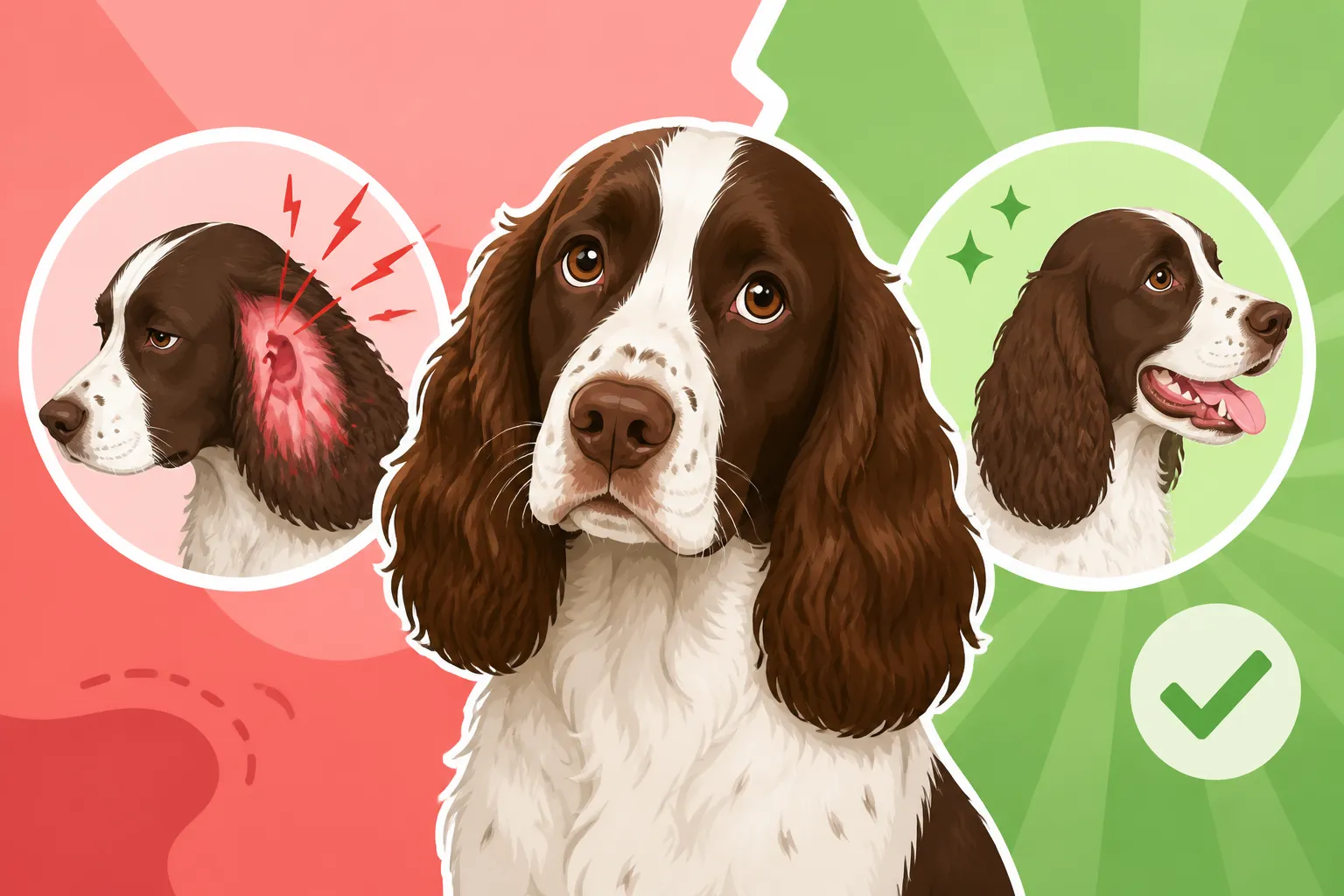
These are by far the most frequent offenders. The warm, moist environment of a Springer's ear canal is a veritable buffet for bacteria and yeast. You might notice a strong, often unpleasant odor emanating from the ear, along with redness, swelling, and a discharge that can range from yellowish-brown to black and waxy. Your dog might be shaking their head incessantly, scratching at their ears, or holding one ear slightly lower than the other due to pain.
A bacterial infection often presents with a pus-like discharge, while a yeast infection (often caused by Malassezia) typically has a distinct sweet, yeasty smell and a dark, waxy, sometimes crumbly discharge. It’s not uncommon for both types of infection to occur simultaneously, making diagnosis and treatment a bit more complex. A trip to the vet is always necessary for proper diagnosis through cytology, where they examine a sample under a microscope to identify the exact organisms at play. Signs a Springer Spaniel Has an Ear Infection
Allergies Manifesting as Ear Issues
What many owners don't realize is that chronic ear infections in Springers can often be a symptom of an underlying allergy. Just like humans can get hay fever, dogs can suffer from environmental allergies (atopy) to things like pollen, dust mites, or mold. These allergies can cause inflammation throughout the body, and often, the skin and ears are primary targets. You might see your Springer scratching their body, licking their paws, or, yes, developing recurring ear infections that just don't seem to go away, no matter how much you clean or medicate.
Food allergies are another common culprit. Certain proteins in their diet, most commonly chicken, beef, dairy, or wheat, can trigger an inflammatory response that leads to itchy skin and irritated ears. If your Springer Spaniel is getting ear infections that come back again and again, even after successful treatment, it's definitely worth discussing an allergy workup with your veterinarian. This might involve an elimination diet trial or specific allergy testing. How Often Allergies Drive a Springer Spaniel's Ear Disease
Foreign Bodies and Injuries
While less common than infections or allergies, foreign bodies can be a serious and sudden cause of ear trouble, particularly for active, outdoorsy Springers. The most notorious culprits are grass awns, also known as foxtails. These barbed seed heads can work their way deep into the ear canal, causing intense pain, irritation, and often leading to a secondary infection. Your dog might suddenly start shaking their head violently, pawing at their ear, or tilting their head to one side.
Other foreign bodies could include small twigs, dirt, or even insects. The barbs on a grass awn make it almost impossible for the dog to shake it out themselves, and they can migrate further into the ear, potentially even perforating the eardrum. This is a veterinary emergency. Similarly, a Springer's long ears can be prone to injury, such as a cut or scrape from brushing against something sharp in the field, or even a hematoma from excessive head shaking. Where a Grass Awn Lodges on a Springer Spaniel
Here's a quick overview of common ear issues:
| Issue Type | Common Symptoms | Underlying Cause(s) | Action Needed |
|---|---|---|---|
| Bacterial/Yeast Infections | Odor, discharge (yellow, brown, black), redness, pain, head shaking, scratching | Warm, moist environment; trapped debris; underlying allergies | Vet visit for diagnosis (cytology) and prescription medication |
| Allergies | Recurrent infections, generalized itching, paw licking, skin irritation | Environmental (pollen, dust mites), food (proteins) | Vet consultation, allergy testing/elimination diet |
| Foreign Body (e.g., Grass Awn) | Sudden, severe head shaking/pawing, head tilt, pain, sudden onset infection | Outdoor activity, specific plant seeds | Emergency vet visit for removal |
| Ear Hematoma | Swollen, fluid-filled ear flap, usually from vigorous head shaking | Trauma from shaking/scratching | Vet visit; may require drainage or surgery |
Preventative Care and Management for Springer Spaniel Ears
While it might feel like an uphill battle, there are many proactive steps you can take to minimize the frequency and severity of ear problems in your Springer Spaniel. Consistent care is key, as is a keen eye for early signs of trouble.
Establishing a Regular Cleaning Routine
Regular ear cleaning is paramount for Springer Spaniels. This isn't just about cleaning when there's a problem, but maintaining a healthy ear environment. A good quality, veterinarian-approved ear cleaner can help remove wax, debris, and excess moisture, keeping the ear canal clear. Brands like those found on Chewy or Amazon often offer a range of effective, gentle solutions. Talk to your vet about which specific type is best for your dog, as some are better for waxy ears, others for general maintenance, and some have drying agents.
Aim to clean your Springer's ears at least once a week, and more frequently if they've been swimming or playing in particularly dirty environments. Gently lift the ear flap, apply the cleaner into the ear canal (don't be shy, you want to fill it!), massage the base of the ear to help break up debris, and then let your dog shake their head. After the shake, use a cotton ball or soft gauze to wipe away any visible discharge from the inner ear flap. Never use cotton swabs down into the ear canal, as this can push debris further in and potentially damage the eardrum. How Often a Drop Eared Springer Spaniel Needs Cleaning
Drying Ears After Water Exposure
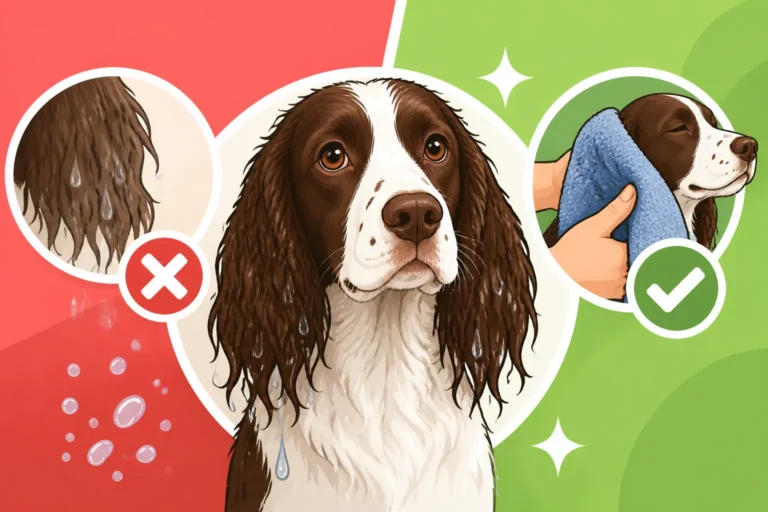
This is a non-negotiable step for any water-loving Springer Spaniel. Every time your dog gets wet – after a swim, a bath, or a run in the rain – their ears must be thoroughly dried. While you can't get deep into the canal, gently drying the outer ear and the visible part of the canal with a soft towel is crucial. A simple cotton ball can help absorb excess moisture.
Consider using a specific ear-drying solution after water exposure. These products are formulated to help evaporate moisture and acidify the ear canal, making it a less hospitable environment for bacteria and yeast. Again, you can find a variety of reputable options on platforms like Chewy or Amazon. Make it part of your routine after any water activity, just like checking for ticks. This one simple habit can drastically reduce the risk of infection. Drying a Springer Spaniel's Ears After Swimming
The Role of Diet and Allergy Management
As we discussed, allergies are often the silent partner in chronic ear infections. If your Springer Spaniel suffers from recurring ear issues, working with your vet on allergy management is critical. This could involve exploring novel protein diets or hydrolyzed protein diets if a food allergy is suspected. Some owners find success with fresh food diets from companies like Ollie, as they often contain fewer processed ingredients and common allergens, but always discuss any dietary changes with your vet first.
For environmental allergies, your vet might suggest antihistamines, special medicated shampoos, or even allergy injections (immunotherapy) to help desensitize your dog to specific allergens. Addressing the underlying allergic response can significantly reduce the inflammation that makes their ears so vulnerable to secondary infections. It's about treating the root cause, not just the symptom. Whether a Springer Spaniel's Ear Infection Is Allergy Driven
When to Seek Professional Veterinary Help
Knowing when to clean and manage at home versus when to call the vet is crucial. While a good home care routine is essential, some ear problems require immediate professional attention to prevent them from worsening and causing long-term damage. Don't hesitate if you're unsure; your vet is your best resource.
Recognizing Warning Signs and Symptoms
Your Springer Spaniel can't tell you their ear hurts, so it's up to you to be vigilant. Look out for any of these signs that indicate an ear problem is brewing:
- Excessive Head Shaking: More than just a normal shake after a swim; persistent, vigorous shaking.
- Constant Scratching: Pawing at their ears or rubbing them on furniture or the ground.
- Redness or Swelling: The inside of the ear flap or the visible part of the ear canal looks inflamed.
- Discharge: Any unusual discharge – waxy, pus-like, dark, or foul-smelling.
- Odor: A strong, sweet, or musty smell coming from the ear.
- Pain or Sensitivity: Your dog yelps or pulls away when you touch their ear.
- Head Tilt: Holding their head consistently tilted to one side.
- Loss of Balance or Disorientation: In severe cases, this could indicate a middle or inner ear infection.
Any of these signs warrant a call to your veterinarian. Early intervention can prevent a minor irritation from escalating into a painful, difficult-to-treat infection. Whether Chronic Ear Disease Deafens a Springer Spaniel
The Veterinary Examination and Treatment Process
When you take your Springer Spaniel to the vet for ear trouble, they will perform a thorough examination. This usually starts with a visual inspection, followed by using an otoscope to look deep into the ear canal, checking for foreign bodies, inflammation, or damage to the eardrum. They will almost certainly take a sample of any discharge for cytology, which involves examining it under a microscope to identify bacteria, yeast, or mites. This is critical for prescribing the correct medication.
Treatment typically involves cleaning the ear thoroughly at the clinic and then prescribing topical ear medications (drops or ointments) that contain antibiotics, antifungals, and/or anti-inflammatory drugs. In some cases, oral antibiotics or anti-inflammatory medications may also be necessary, especially if the infection is severe or has spread. It's absolutely vital to follow your vet's instructions precisely and complete the full course of medication, even if the ear looks better, to ensure the infection is fully cleared. For recurring or severe cases, further diagnostics like allergy testing, sedation for a deeper ear flush, or even surgery might be recommended. What Treating a Springer Spaniel's Ear Infection Costs
Considering Long-Term Solutions
For Springers with chronic, unrelenting ear issues, it can be incredibly frustrating and upsetting. You might feel like you're constantly at the vet. In these situations, your vet might discuss more long-term solutions beyond just treating individual infections. This could include a referral to a veterinary dermatologist for advanced allergy management, or in very severe, end-stage cases where the ear canal has become permanently damaged and narrowed (a condition called proliferative otitis externa), a total ear canal ablation (TECA) surgery might be considered.
TECA is a last resort, but for dogs in constant pain and suffering from intractable infections, it can provide immense relief by removing the diseased ear canal entirely. It’s a big decision, but it's important to know that such options exist for the most challenging cases. The goal is always to provide your beloved Springer Spaniel with comfort and a good quality of life, even if their ears pose a lifelong challenge. Whether a Springer Spaniel Needs a Total Ear Canal Ablation
Disclaimer
This article is for general informational purposes only and does not constitute professional advice. Laws, prices and regulations vary by location and change over time. Consult a qualified professional for guidance on your specific situation.