How Much a Pet Springer Spaniel Should Eat
One of the trickiest things about owning a Springer Spaniel is figuring out just how much food they actually need. You see all those energetic videos and hear tales of tireless working dogs, and it's easy to assume your beloved pet needs a massive fuel load. But the truth is, a cherished family Springer Spaniel living a cozy life has very different caloric requirements than their field-bred cousins who spend hours flushing game. This guide is here to cut through the confusion and help you determine the perfect amount of food to keep your pet Springer Spaniel healthy, happy, and at their ideal weight.
Understanding Your Pet Springer Spaniel's Unique Needs
It's tempting to think all Springer Spaniels are cut from the same cloth, but when it comes to diet, that's simply not true. Your pet Springer, while still full of characteristic zest, likely leads a very different life than a gundog, and their food bowl should reflect that.
The Difference Between a Pet and a Working Springer
Let's be real: the image of a Springer Spaniel often conjures up a whirlwind of energy, nose to the ground, relentlessly searching. And it's true, the breed was absolutely built for that kind of tireless work. However, the world of the "pet" Springer Spaniel is often a far cry from the demanding life of a working gundog. A working Springer might spend six to eight hours a day quartering fields, pushing through thick cover, and retrieving birds, sometimes in challenging weather. Their caloric expenditure is immense, and they need a diet specifically formulated for high performance, often with higher fat content to sustain that energy.
Your pet Springer, on the other hand, likely enjoys a few good walks or runs a day, maybe some enthusiastic play in the yard, and then settles down for cuddles on the couch. While they still require significant exercise to prevent boredom and destructive behaviors – don't ever underestimate their need to move! – their sustained energy output is simply not at the same level as a working dog. Feeding a pet Springer the same amount or type of food as a working dog is a surefire recipe for weight gain, which can lead to a host of health problems down the line. It's about recognizing the reality of your dog's daily life, not just the breed's historical purpose. You might find it helpful to consider How Much a Working Springer Spaniel Should Eat as a comparison to better understand the differences.
Factors Influencing Caloric Needs
Pinpointing the exact number of calories your Springer needs isn't a "one size fits all" calculation. Several individual factors play a huge role in their daily energy requirements:
Firstly, age is a massive differentiator. A rapidly growing Springer Spaniel puppy, for instance, needs a surprising amount of calories to fuel bone, muscle, and organ development. Their little bodies are like tiny furnaces, burning through energy at an incredible rate. Conversely, a senior Springer Spaniel, often slowing down, sleeping more, and moving less due to arthritis or general aging, will need significantly fewer calories to maintain a healthy weight. Their metabolism naturally decreases, and continuing to feed them a younger dog's portion will quickly lead to excess weight.
Secondly, activity level is paramount. This is where the pet vs. working distinction comes into sharp focus. Even among pet Springers, there's a spectrum. A Springer who gets two long, brisk walks a day, plus active playtime in a large yard, will naturally burn more calories than one whose daily exercise consists of a leisurely stroll around the block and indoor games. If your Springer is engaging in dog sports like agility or regular hiking, their needs will also trend higher, but likely not to the extreme of a full-time gundog. It’s all about matching the fuel to the output.
Thirdly, individual metabolism is a silent player. Just like people, some dogs are naturally "easy keepers" who put on weight easily, while others seem to burn calories effortlessly and struggle to keep weight on. This inherent metabolic rate is genetic and can vary greatly even within the same litter. You might have one Springer who looks at food and gains a pound, while another can eat seemingly endless amounts and remain svelte.
Finally, spay/neuter status can also impact metabolism. It's a well-known phenomenon that dogs, both male and female, often experience a decrease in metabolic rate after being spayed or neutered. This makes them more prone to weight gain if their diet isn't adjusted accordingly. It's not uncommon for owners to overlook this subtle shift and wonder why their dog is suddenly gaining weight despite no apparent change in food intake or exercise.
Deciphering Dog Food Labels and Guidelines
Once you understand your dog's individual needs, the next step is to navigate the world of dog food itself. This can be a minefield of conflicting information, but with a few key insights, you can make informed decisions.
Why Bag Recommendations Aren't Always Perfect
You've bought a bag of quality dog food, you've flipped it over, and there it is: a feeding chart, usually broken down by weight. It seems so straightforward, doesn't it? "For a 40lb dog, feed 2.5 cups per day." The problem is, these recommendations are broad strokes, not precision guidance tailored to your unique Springer Spaniel. Think of them as a starting point, a very rough estimate.
These charts are designed by pet food manufacturers to cover a wide range of dogs, often leaning towards the higher end of caloric intake. Why? Because they're catering to a diverse audience, including owners of highly active dogs, and it's generally safer (from their perspective) to recommend slightly more food than too little. They can't possibly know if your 40-pound Springer is a couch potato with a slow metabolism or a lean, athletic dog who runs miles every day. If you blindly follow the bag's recommendations for a less active pet Springer, you're likely to be significantly overfeeding them, setting them up for unhealthy weight gain. It's crucial to understand that these guidelines are a generality, not a prescription.
Understanding "Calories Per Cup" and Nutrient Density
Beyond the number of cups, the actual caloric density of the food is a critical piece of the puzzle that many owners overlook. Not all dog foods are created equal, even if they're both premium brands. One cup of Brand A kibble might contain 350 kilocalories (kcal), while one cup of Brand B might pack in 450 kcal. If you're simply feeding "two cups" without knowing the caloric density, you could be giving your dog a wildly different amount of energy.
Always look for the "kcal/cup" (or kcal/kg) on the nutritional information panel, usually found near the ingredient list. This figure is the most important number for accurately portioning your dog's food. For example, if your 40lb Springer needs roughly 1200 calories a day, and your chosen food has 400 kcal/cup, then you'd feed 3 cups daily. If another food has 300 kcal/cup, that's 4 cups daily for the same caloric intake. This variation is especially true when comparing different formulations, like a standard adult maintenance food versus a performance blend. For example, Whether a Working Springer Spaniel Needs a Performance Formula will typically have a much higher caloric density to support intense exercise. Always check this number, and remember that a "cup" is a measuring cup, not necessarily a coffee mug!
The Role of Your Veterinarian and Body Condition Scoring
When in doubt, your veterinarian is your best resource for personalized feeding advice. They know your dog's medical history, current health status, and can assess their ideal weight. Don't hesitate to bring up concerns about your Springer's weight or feeding regimen during their annual check-up or any visit.
One of the most valuable tools your vet uses, and one you can easily learn to use at home, is Body Condition Scoring (BCS). Instead of relying solely on a number on the scale, BCS assesses your dog's fat reserves and muscle mass. Most vets use a 5-point or 9-point scale. A score of 3/5 or 5/9 is generally considered ideal.
Here’s how to do a quick BCS check at home:
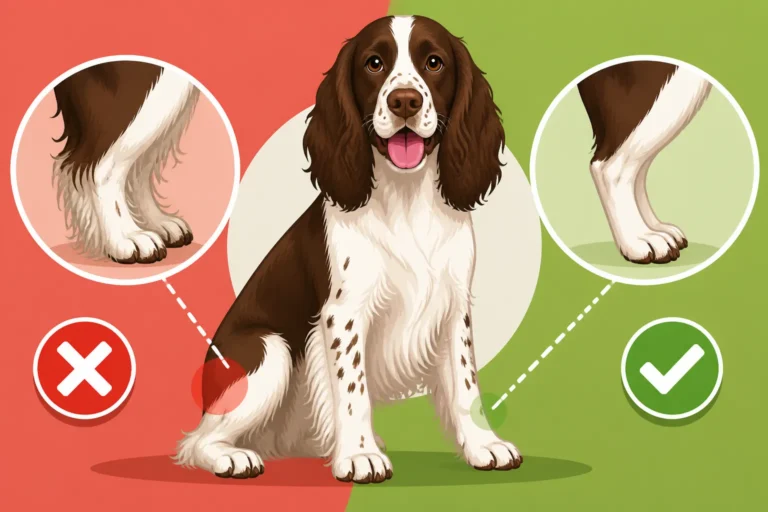
- Feel the Ribs: Gently run your hands along your Springer's sides. You should be able to feel their ribs easily, like the knuckles on your hand, with just a thin layer of fat covering them. If you have to press hard to feel them, or if you can't feel them at all, your dog is likely overweight. If the ribs are visibly prominent with no fat covering, they might be underweight. This can be tricky with a well-feathered Springer, but a firm but gentle touch will tell you a lot. How to Spot a Heavy Springer Spaniel Under Feathering offers more tips on this.
- Check the Waistline: When looking down at your dog from above, you should see a clear "waist" (an hourglass shape) behind their ribs. If they look like a straight line or are wider at the waist than the ribcage, they're likely overweight.
- Observe the Abdominal Tuck: From the side, your Springer's abdomen should tuck up slightly from their chest to their hind legs, not hang low or be straight across.
By regularly performing these checks, you'll become attuned to your Springer's ideal physique and can adjust their food intake proactively before weight issues become significant.
Practical Feeding Guidelines for Adult Pet Springer Spaniels
Now, let's get down to the practical application of all this knowledge. How do you translate these concepts into actual meal portions for your beloved companion?
Starting Point: General Calorie Estimates
For an adult pet Springer Spaniel that is moderately active – meaning they get at least 60-90 minutes of good, brisk exercise daily, perhaps including some off-leash running or retrieving – a good starting point for their caloric intake is typically 25-30 calories per pound of ideal body weight. This is a general guideline, remember, and will need fine-tuning.
Let's use an example. A healthy, adult female Springer Spaniel might weigh around 35-40 pounds, while a male might be closer to 40-50 pounds. Let's assume your adult pet male Springer is 40 pounds and at his ideal body condition. Using our guideline:
- 40 pounds x 25 calories/pound = 1000 calories per day
- 40 pounds x 30 calories/pound = 1200 calories per day
So, for this hypothetical 40lb Springer, a daily intake somewhere between 1000 and 1200 calories would be a reasonable starting point. If your chosen dog food lists 400 kcal per cup, then you'd be looking at roughly 2.5 to 3 cups of food per day. If it's 350 kcal per cup, that would be closer to 2.8 to 3.4 cups. This is why knowing the kcal/cup is so vital! Don't just scoop blindly; use a proper measuring cup. This helps you get a real handle on How Many Cups a Day a Pet Springer Spaniel Eats.
Adjusting for Activity Levels and Lifestyle
The general calorie estimate is just that – a starting point. Now you need to become a keen observer of your own dog and make adjustments based on their real-world energy output and body condition.
If your pet Springer Spaniel is less active than the "moderately active" standard – perhaps an older dog, or one with limited mobility, or simply a true couch potato who prefers short, sniffing walks to vigorous exercise – you will need to reduce their caloric intake by 10-20% from the initial estimate. Continuously feeding them at a level suited for higher activity will inevitably lead to weight gain. Start by shaving off a quarter cup, or adjust their treats significantly, and monitor their weight and body condition over a few weeks.
Conversely, if your pet Springer falls on the higher end of "active" but isn't a working dog – perhaps they regularly go on long hikes with you, participate in weekend dog sports, or have incredibly energetic play sessions every day – you might need a slight increase in their daily calories. This might mean adding an extra quarter cup of food, or ensuring their treats contribute meaningfully to their nutrition rather than just being empty calories. The key is gradual changes and consistent monitoring. If you notice they're losing weight or looking a bit too lean (ribs becoming prominent), slowly increase. If they're gaining weight or looking a little pudgy, slowly decrease. It's a dynamic process, not a static target.
The Impact of Treats and Table Scraps
This is where many well-meaning owners derail their Springer Spaniel's diet. Treats are lovely, and our Springers are masters at looking adorable enough to earn them. However, every treat is a calorie, and those calories must be factored into their daily total. A few seemingly small treats throughout the day can easily add up to hundreds of calories, completely throwing off your carefully calculated meal portions.
Imagine your Springer gets three high-value training treats during a short session, then a dental chew, and then a couple of bits of kibble as rewards for good behavior. These aren't insignificant! If your dog's daily meal allocation is, say, three cups of food, and their treats contribute the equivalent of a whole cup, you're effectively feeding them four cups. This is why consistency with treats is so important. Consider using small, low-calorie training treats, or even pieces of their regular kibble, for rewards.
Table scraps are an even bigger culprit. Not only do they add unknown and often excessive calories, but they can also introduce ingredients that are harmful or upsetting to a dog's digestive system. Many human foods are high in fat, sugar, or spices that dogs don't need and can cause pancreatitis or other digestive issues. The occasional tiny, plain piece of cooked chicken or carrot might be okay, but a regular habit of sharing your dinner will quickly lead to an overweight Springer Spaniel and potential health problems. Be strong! Their begging eyes are powerful, but you're doing what's best for them by saying no.
Feeding Through Life Stages
Just like us, a Springer Spaniel's nutritional needs change dramatically throughout their life. What's appropriate for a bustling puppy certainly won't be for a graceful senior.
Growing Pups: Fueling a Springer Spaniel Puppy
Bringing home a Springer Spaniel puppy is a joyous, energetic whirlwind! These little bundles of fur are growing at an incredible rate, and their bodies require a substantial amount of fuel to support that rapid development. Puppy-specific formulas are crucial because they are specifically balanced with higher protein, fat, and essential vitamins and minerals to support bone, muscle, and brain growth. They are also typically much more calorically dense than adult formulas.
Because of their small stomachs and high energy needs, puppies generally need to eat more frequently than adults. A young puppy (8-12 weeks) might eat three to four small meals a day, gradually reducing to two or three meals a day as they get older. Always follow the guidelines on your puppy food bag for their age and anticipated adult weight, but again, use your eyes and hands for body condition scoring. A healthy puppy should be lean, energetic, and growing steadily. If they look too thin, increase their portions slightly; if they look chunky, decrease. Don't be afraid to consult your vet on a The Feeding Chart a Springer Spaniel Puppy Follows for guidance. Transition them slowly to adult food around 12-18 months of age, depending on their growth rate and the specific food's recommendations.
Senior Springer Spaniels: Changing Metabolism
The golden years bring a different set of nutritional considerations for your Springer Spaniel. As dogs age, their metabolism often slows down, and their activity levels naturally decrease. While some senior Springers remain incredibly active, many become more sedentary, preferring naps to long runs. If their diet isn't adjusted, weight gain can become a significant issue, exacerbating conditions like Arthritis in an Older Springer Spaniel.
Senior dog foods are typically formulated with fewer calories to help prevent weight gain while still providing all necessary nutrients. They often include ingredients like glucosamine and chondroitin for joint support, and sometimes higher levels of antioxidants to support cognitive function. It's vital to monitor your senior Springer's weight and body condition closely. If you notice them gaining weight, even if you feel you're feeding them the "same as always," it's time to reduce their portion sizes or switch to a senior-specific diet. Conversely, some older dogs might actually lose weight due to underlying health issues or decreased appetite. In these cases, your vet might recommend a more calorically dense food or specific supplements. Your vet can provide excellent advice on What an Old Springer Spaniel Should Be Fed to keep them comfortable and healthy in their later years.
Spaying and Neutering: Metabolic Shifts
Spaying or neutering your Springer Spaniel is a common and responsible decision, but it's important to understand its potential impact on their metabolism and appetite. Research consistently shows that neutered and spayed dogs often experience a decrease in their metabolic rate. This means they burn fewer calories at rest. At the same time, many owners report that their dogs seem to have an increased appetite after the procedure.
This combination – decreased calorie burn and increased hunger – is a recipe for weight gain if left unaddressed. It's not uncommon for dogs to put on a significant amount of weight in the months following their surgery if their diet isn't adjusted. To counteract this, it's generally recommended to reduce your Springer Spaniel's daily caloric intake by about 20-30% immediately after their recovery from surgery. This might seem like a drastic cut, but it reflects the physiological changes that occur. Continue to monitor their body condition closely and adjust as needed. Ignoring this shift can lead to an overweight dog, which puts them at higher risk for conditions like diabetes, joint problems, and heart disease. Understanding How a Springer Spaniel's Appetite Changes After Neutering is key to proactive weight management.
Choosing the Right Food and Meal Frequency
Beyond how much to feed, what and when you feed your Springer Spaniel are also important considerations for their overall health and well-being.
Wet vs. Dry vs. Fresh/Raw: Pros and Cons
The dog food aisle (or online pet store) offers a dizzying array of choices, and each type of food comes with its own set of advantages and disadvantages.
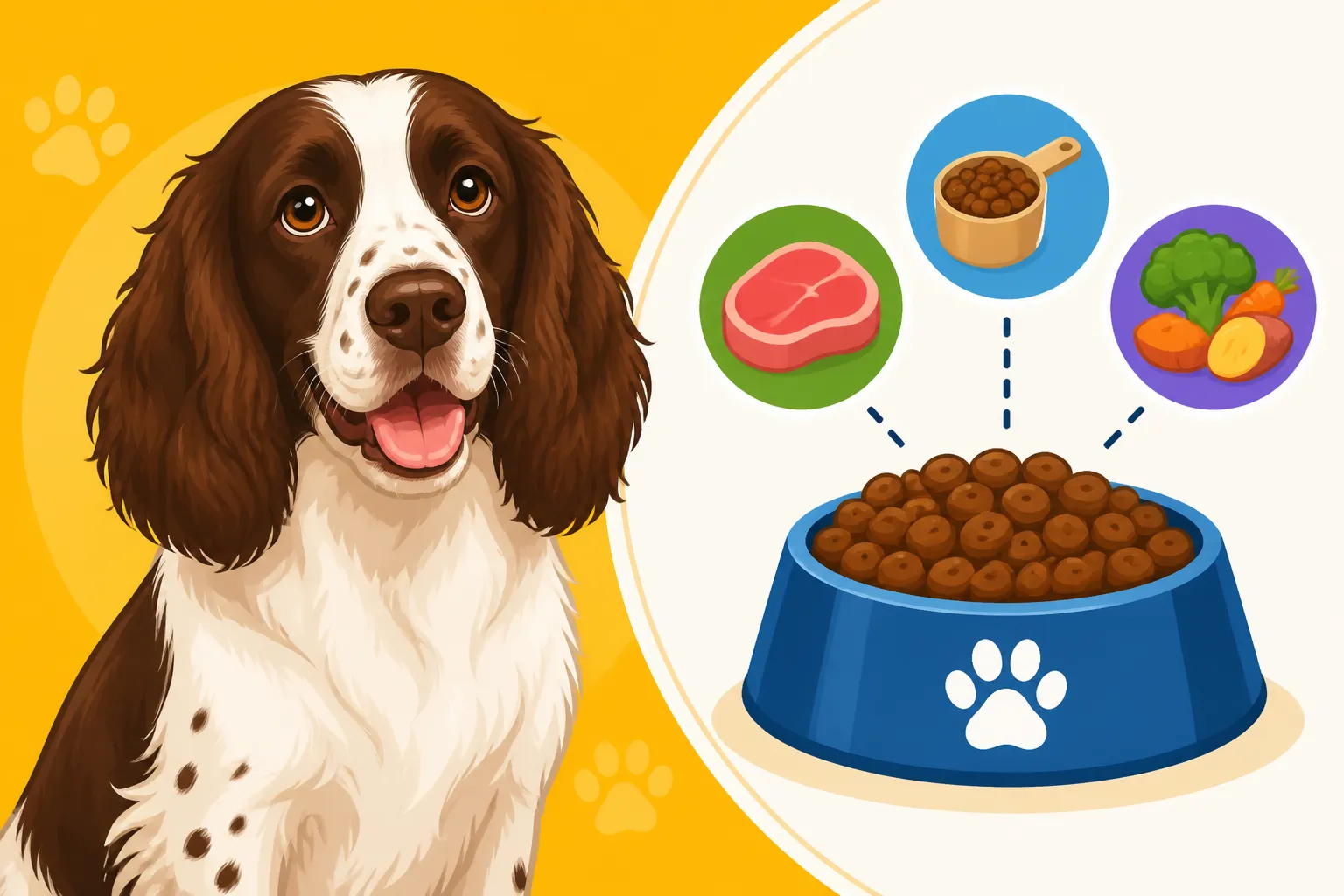
Dry Kibble: This is by far the most popular choice for many owners due to its convenience, cost-effectiveness, and ease of storage. High-quality kibble can provide complete and balanced nutrition. Some argue that the crunchy texture helps scrape plaque off teeth, though for real dental benefits, brushing or dedicated dental chews are usually needed. The main 'con' is that it's often less palatable for picky eaters and has very low moisture content, so you need to ensure your Springer has constant access to fresh water. Many excellent brands are available on Chewy or Amazon.
Wet Food (Canned or Pouches): Often more palatable, wet food offers excellent hydration due to its high moisture content, which can be beneficial for dogs who don't drink enough water or those prone to urinary issues. It's often lower in caloric density by volume than kibble, meaning you can feed a larger portion for the same calories, which can help dogs feel fuller. However, it's typically more expensive, spoils quickly once opened, and can contribute to dental issues if not paired with regular teeth cleaning.
Fresh or Raw Diets: These diets, whether homemade or commercially prepared, have gained popularity for their perceived naturalness and palatability. They often consist of fresh meats, vegetables, and sometimes fruits. Brands like Ollie deliver fresh, human-grade meals tailored to your dog's needs. Proponents claim benefits such as shinier coats, improved digestion, and increased energy. However, they are significantly more expensive, require careful nutritional balancing (especially homemade versions to avoid deficiencies), and there are concerns about bacterial contamination, particularly with raw diets. Whether Raw Feeding Suits a Working Springer Spaniel explores this more in-depth, and it's a decision that requires careful research and often vet consultation, particularly regarding potential bacterial risks and ensuring complete nutritional balance. Some owners find Whether Fresh Food Is Worth It for a Springer Spaniel's Skin for addressing certain skin issues.
| Food Type | Pros | Cons | Considerations |
|---|---|---|---|
| Dry Kibble | Convenient, cost-effective, easy storage | Low moisture, less palatable for some, perceived dental benefits debated | Check kcal/cup carefully; ensure fresh water always available |
| Wet Food | High moisture (hydration), highly palatable, larger portions per calorie | More expensive, quick spoilage, can contribute to dental issues | Good for picky eaters or those needing hydration; higher waste |
| Fresh/Raw | Highly palatable, natural ingredients, perceived health benefits | High cost, storage challenges, bacterial contamination risk, nutritional balance critical | Requires significant research/vet guidance; not for all dogs or owners |
Meal Frequency: Two Times a Day is Often Best
For most adult Springer Spaniels, feeding two meals a day is the optimal approach. Dividing their total daily food allowance into two equal portions – one in the morning and one in the evening – offers several benefits:
First, it helps maintain a more stable energy level throughout the day, preventing that "ravenous hunger" feeling that can lead to gulping food or begging. Second, it can aid in digestion, as the digestive system isn't overloaded with one massive meal. Third, for breeds, including spaniels, that can be prone to bloat (though less common in Springers than some larger breeds), smaller, more frequent meals are often recommended as a preventative measure.
Imagine eating all your day's calories in one sitting; it's not comfortable or healthy for us, and it's often not ideal for our dogs either. Two meals a day keeps them feeling satisfied and provides a steady supply of nutrients. For very young puppies, as discussed, more frequent meals are necessary, but by the time they are adolescents, a twice-daily schedule usually works best.
Dealing with Finicky Eaters or Gulpers
Even though Springers are generally known for their hearty appetites, you might occasionally encounter a finicky eater or, more commonly, a lightning-fast gulper.
For the finicky eater, the first step is always to rule out any underlying medical issues with your veterinarian. A sudden loss of appetite could indicate pain, dental problems, or illness. If your Springer gets a clean bill of health, consider if they are getting too many treats or table scraps, which might be spoiling their appetite for their regular meals. You could try adding a small amount of low-calorie topper, like plain cooked green beans or a spoonful of plain pumpkin puree, to make the kibble more appealing. Sometimes, a change in protein source or food brand might spark their interest, but avoid constant switching, which can upset their stomach.
For the more common scenario, the gulper, who inhales their dinner in mere seconds, this can be more than just annoying – it can lead to digestive upset, gas, and even a higher risk of bloat. The solution here often lies in tools that slow them down. Slow feeder bowls are fantastic for this; they have ridges or mazes that force your dog to eat around obstacles, significantly extending mealtime. Puzzle toys or food dispensing toys can also turn mealtime into a fun, enriching activity. Instead of putting their entire meal in a bowl, put a portion into a KONG or other dispenser and let them work for it. This not only slows them down but also provides mental stimulation. You can find a great selection of these on Chewy or Amazon. Remember, Which Slow Feeder Works for a Springer Spaniel often depends on their individual chewing style and frustration tolerance, so you might need to try a couple of different designs.
Disclaimer
This article is for general informational purposes only and does not constitute professional advice. Laws, prices and regulations vary by location and change over time. Consult a qualified professional for guidance on your specific situation.