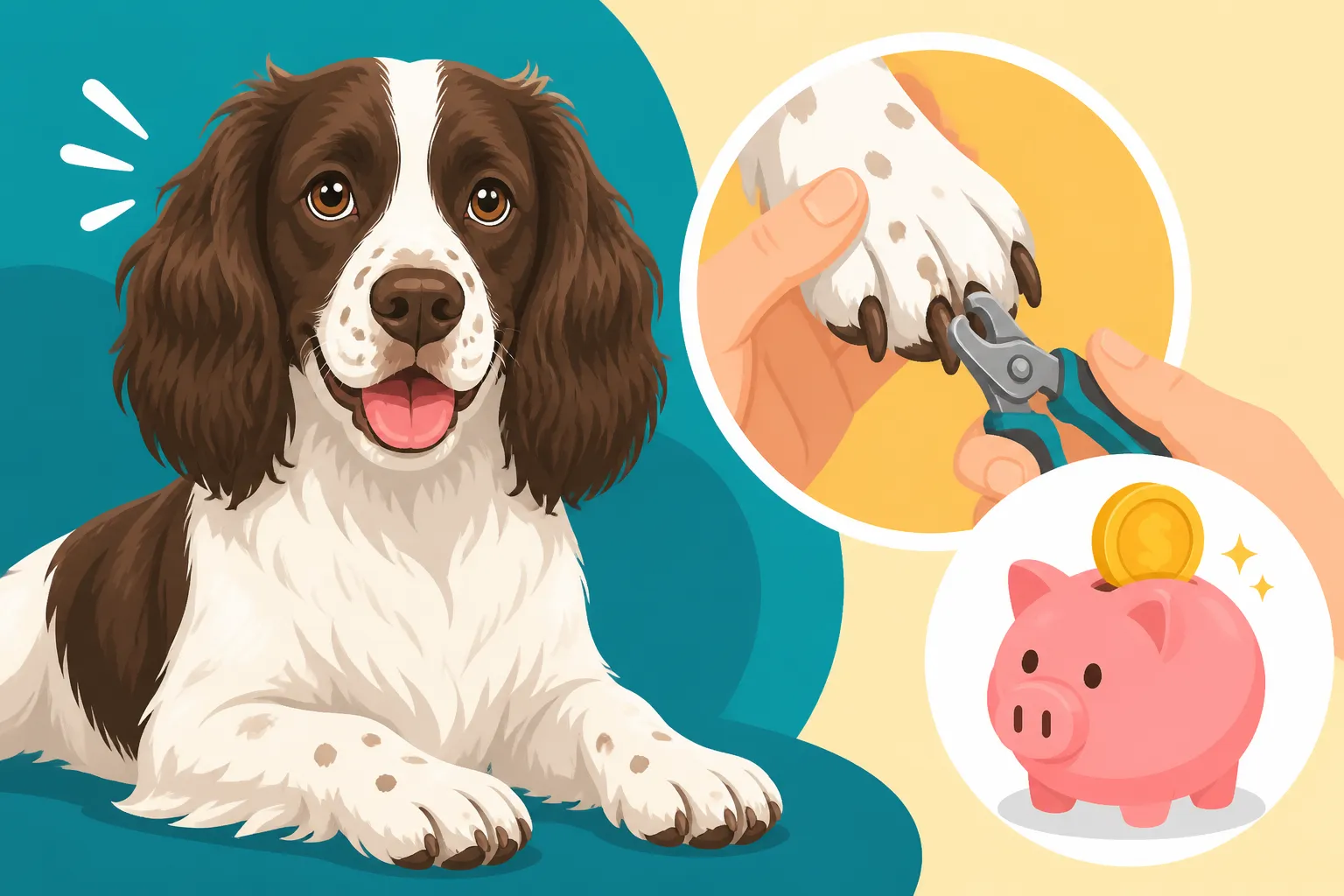
What a Springer Spaniel’s Nail Trim Costs
Keeping your Springer Spaniel's nails trimmed might seem like a small, routine task, but anyone who's wrestled a wiggly spaniel with clippers in hand knows it's often anything but simple. Overgrown nails aren't just an aesthetic issue; they can lead to real discomfort and even serious health problems for your beloved companion, not to mention unexpected costs down the line. This guide will break down what you can expect to pay for a professional nail trim, explore the various factors influencing that price, and offer insights into managing this essential part of your Springer's care budget.
Understanding the "Why": More Than Just a Trim
Before we even talk about costs, let's talk about why nail trims are so incredibly important for your Springer Spaniel. Many people view it as just a cosmetic thing, or something that's only necessary when the nails get really long and start clicking on the floor. But for a highly active breed like the Springer, whose entire life revolves around movement, comfortable paws are paramount. Neglecting nail care can set your dog up for a cascade of health issues and, ironically, higher costs in the long run.
The Hidden Dangers of Overgrown Nails
Imagine trying to walk around all day in shoes that are a size too small, or constantly having pebbles stuck in your footwear. That's a bit like what an overgrown nail feels like for your Springer. When nails get too long, they push back into the nail bed, putting pressure on the sensitive quick (which contains blood vessels and nerves). This constant pressure causes pain and discomfort with every step. Over time, it can even change your dog's gait, forcing them to distribute their weight unnaturally to avoid the pain.
This altered gait isn't just a temporary inconvenience. It can lead to serious long-term orthopedic problems. The continuous pressure on the toes can affect the alignment of the paw, and eventually, the entire leg structure. We're talking about things like joint pain, inflammation, and even exacerbating existing conditions such as Hip Dysplasia in a Springer Spaniel. It’s a bit like a ripple effect: one small issue, left unaddressed, can create much larger waves throughout their musculoskeletal system.
Beyond the structural issues, overgrown nails are also prone to cracking, splitting, or breaking off completely. If a nail tears too far back, it can expose the quick, leading to profuse bleeding and a painful open wound. These injuries are not only excruciating for your dog but are also ripe for infection. What started as a simple need for a trim can quickly escalate into an emergency vet visit, antibiotics, and pain medication, turning a minor cost into a much more significant one.
The Benefit to Your Springer's Overall Well-being
On the flip side, keeping your Springer's nails short and tidy contributes immensely to their overall well-being. When their nails are at the correct length, they can walk, run, and play without any discomfort. Their paw pads, which are designed for gripping and absorbing shock, can make full contact with the ground, providing better traction and stability during all their enthusiastic activities, whether it's quartering a field or simply zooming around the living room.
Proper nail length also prevents a host of behavioral issues that can stem from chronic pain. A dog that is constantly uncomfortable might become reluctant to go for walks, avoid certain surfaces, or even snap or nip when their paws are touched because they anticipate pain. This isn't naughtiness; it's a desperate attempt to communicate their discomfort. Regular, gentle handling during nail trims from an early age can help prevent these reactions and ensure your Springer remains happy and cooperative.
Ultimately, routine nail care is a foundational element of your Springer Spaniel's holistic health regimen. It goes hand-in-hand with regular grooming, dental care, and ear cleaning as crucial preventative maintenance. By investing a little time and effort – and understanding the associated costs – you're safeguarding their mobility, preventing pain, and ensuring they live a full, active, and joyous life for The Twelve to Fourteen Years a Springer Spaniel Lives. It’s a small commitment that yields huge returns in comfort and happiness for your beloved companion.
Where to Get Those Paws Done: Different Avenues and Their Price Tags
So, you've decided those nails need attention. The next question is: where do you go? Just like with human haircuts, there are different options available, each with its own advantages, disadvantages, and, of course, price point. Understanding these choices can help you make an informed decision that best suits your Springer's personality and your budget.
Veterinary Clinics: Convenience Meets Medical Expertise
For many dog owners, the veterinary clinic is the go-to spot for nail trims. This is especially true for anxious dogs, those who have had bad experiences in the past, or if sedation is required due to extreme fear or aggression. Vets and their staff are trained to handle a wide range of temperaments and can perform the trim safely, even if your Springer is less than thrilled about the process. The biggest advantage here is the medical oversight; if there's an underlying paw issue or a nail injury, the vet can address it immediately.
The cost of a nail trim at a vet clinic can vary quite a bit. It might be a standalone fee, ranging from a modest amount for a quick clip to a significantly higher cost if sedation is necessary. Some clinics might offer it as a discounted add-on to a routine check-up, making it more cost-effective if you're already going in for vaccinations or an annual exam. However, if your Springer requires medication to calm down or full sedation, the price will naturally climb due to the additional staff, time, and pharmaceuticals involved. It's always best to call your specific clinic for their current rates.
Beyond the basic trim, having your vet do it offers a layer of peace of mind. During the process, they'll often examine your Springer's paws for any other issues, like infections between the toes, lumps, or signs of discomfort that you might have missed. This proactive approach can catch problems early, potentially saving you from a more expensive veterinary bill down the line for conditions that could be covered by pet insurance like Healthy Paws, should a medical issue arise from neglected nail care.
Professional Groomers: The Styling & Maintenance Experts
Professional dog groomers are another excellent option, often specializing in the art of making dogs look and feel their best. They are generally more efficient and typically more affordable for routine nail trims than a veterinary clinic, particularly for dogs who are already comfortable with being handled. Groomers handle paws all day, every day, so they often have a knack for getting the job done quickly and with minimal fuss.
Many groomers offer nail trims as a walk-in service or as part of a larger grooming package. For a breed like the Springer Spaniel, especially a show-bred type with extensive feathering, a full groom is a regular necessity. Bundling a nail trim with a bath, brush, and other services can often be more cost-effective than getting them done separately. This is particularly true if you have a The Show Springer Spaniel Coat That Adds a Groomer to Your Budget, which demands consistent professional attention to stay tidy and prevent mats.
You might also find mobile groomers or in-home grooming services in your area. These options provide the ultimate convenience, as the groomer comes directly to your home, which can significantly reduce stress for some dogs who dislike car rides or clinic environments. However, this added convenience usually comes with a premium price tag, so be prepared for a slightly higher fee compared to a brick-and-mortar salon. It's a trade-off many owners are willing to make for their dog's comfort and their own busy schedules.
DIY at Home: The Cost-Saving, But Challenging, Option
For the intrepid and patient Springer Spaniel owner, performing nail trims at home is undoubtedly the most cost-effective long-term solution. Once you've purchased the necessary tools, the recurring expense is virtually zero. However, it requires a significant investment of time, patience, and a willingness to learn proper technique. Not every dog (or owner) is cut out for this, and a bad experience can make all future attempts much harder. This is where researching Whether a Springer Spaniel Owner Can Groom at Home becomes vital.
To successfully trim your Springer's nails yourself, you'll need the right equipment. This typically includes a good quality pair of dog nail clippers (guillotine or scissor-style, depending on your preference), or a dremel-style rotary tool for grinding. You'll also absolutely need styptic powder on hand, just in case you accidentally nick the quick – it stops bleeding quickly and can prevent a lot of panic. Many reliable brands of these tools can be found on online pet supply retailers like Chewy, making it easy to stock up. Understanding What Clippers for a Springer Spaniel Cost can help you budget for this initial outlay.
The key to successful DIY trims lies in positive reinforcement and making it a comfortable, even enjoyable, experience for your dog. Start slow, with short sessions, lots of treats, and praise. If your Springer panics or struggles, stop and try again later. Forcing the issue can create a negative association that’s very difficult to overcome, potentially sending you straight to the vet for professional help anyway. It’s a journey of gradual desensitization and building trust, which can be incredibly rewarding, both for your bond with your dog and your wallet.
| Service Type | Pros | Cons | Typical Cost Range (Description) |
|---|---|---|---|
| Veterinary Clinic | Medical oversight, suitable for anxious/aggressive dogs, sedation available, addresses underlying paw issues. | Generally higher cost, may require appointments, less focused on aesthetic grooming. | Modest for a quick trim, significantly higher if sedation or additional medical intervention is needed. |
| Professional Groomer | Efficient, often part of full grooming packages, experienced with routine handling, can be more affordable. | May not accommodate severely anxious dogs, less medical oversight than a vet. | Moderate for a standalone trim, can be more cost-effective when bundled with other grooming services. |
| Mobile Groomer | Convenience, reduces stress for dogs sensitive to travel or clinic environments. | Higher premium due to at-home service, availability might be limited in some areas. | Generally on the higher end of professional grooming options. |
| DIY at Home | Lowest recurring cost, builds owner-dog bond, can be done anytime, frequent touch-ups possible. | Requires owner skill, patience, initial investment in tools, risk of injury if done incorrectly, may be difficult with uncooperative dogs. | Initial tool purchase (clippers, dremel, styptic powder), then virtually no recurring cost beyond tool replacement. |
Factors That Flex the Final Bill: What Makes a Nail Trim Cost More (or Less)
The base price for a nail trim can be just the starting point. Several variables can push that cost up or, if you're lucky, keep it on the lower end. These factors are largely related to your individual Springer Spaniel's needs, your location, and how consistently you manage their paw health. Understanding these elements will help you anticipate the true cost and make choices that benefit both your dog and your budget.
Your Springer's Temperament and Training
This is arguably the biggest cost-driver. A calm, well-socialized Springer Spaniel who tolerates paw handling will almost always incur lower nail trim costs. They're quick, easy, and require minimal staff involvement. On the other hand, a dog that is highly anxious, fearful, or aggressive during nail trims presents a significant challenge. Such a dog requires more time, more staff to assist in holding or distracting, and sometimes even specialized handling techniques. This extra labor and expertise will translate directly into a higher bill.
If your Springer has a history of reactivity or fear regarding their paws, it can escalate quickly. A professional groomer might refuse to work with them, or your vet might recommend sedation for safety – for both your dog and the staff. Sedation is not a trivial expense; it involves pre-sedation checks, the cost of the sedative drugs, monitoring during the procedure, and recovery time. This can turn a basic nail trim into a procedure costing many times the standard fee. It really highlights how important early and consistent positive exposure to paw handling is. A calm dog is truly a cheaper dog to maintain in this regard. This is why addressing issues like The Soft Springer Spaniel That Shuts Down If You Shout during puppyhood is so critical for their long-term care and associated costs.
Neglecting regular trims because your dog is difficult only creates a vicious cycle. The longer the nails get, the more painful and difficult they become to trim, reinforcing the dog's negative association and making future attempts even harder. This can lead to a point where sedation becomes the only safe and humane option, and that’s a cost that really adds up over time, often unexpectedly for owners who didn't plan for it.
Frequency, Location, and Additional Services
How often you get your Springer's nails trimmed directly impacts the long-term cost, but perhaps not in the way you'd expect. Regular, frequent trims (typically every 2-4 weeks) help keep the nails short and encourage the quick to recede. Shorter nails are easier, faster, and less risky to trim, often resulting in a lower per-visit cost or at least preventing complications that would drive costs up. Conversely, waiting until the nails are excessively long makes the job more difficult, riskier, and potentially more expensive, as it might require more time or specialized tools to safely get them back to a healthy length.
Geographic location is another significant factor. Just like human services, the cost of pet care varies dramatically based on your region, city, and even neighborhood. A nail trim in a high-cost-of-living urban center will almost certainly be more expensive than the same service in a rural area. Overhead costs for businesses, including rent and staff wages, are reflected in the prices they charge, so it’s always worth checking local providers.
Finally, consider any additional services. Many groomers offer extras like paw pad trimming (especially useful for keeping debris out of a working Springer's paws), conditioning treatments, or filing/dremeling instead of just clipping. While these can enhance comfort and paw health, each additional service will add to the base price. Evaluate whether these extras are truly necessary for your individual Springer's needs and how they align with your overall budget. Sometimes, the basic clip is perfectly sufficient.
The Dreaded "Quick" and Its Consequences
For anyone who's ever attempted to trim a dog's nails, the "quick" is a familiar and often dreaded word. This is the living part of the nail, containing blood vessels and nerves. If you cut into the quick, it's painful for your dog and will bleed. While having styptic powder on hand usually resolves the bleeding quickly, the experience can be traumatic for both dog and owner, potentially setting back any progress made in desensitization.
A more serious consequence can arise if a quick is cut deeply or becomes infected. A severely bleeding quick might warrant a visit to the vet if you can't stop it at home, adding an unexpected emergency fee. Furthermore, an injured quick, if not kept clean, can become infected, leading to swelling, pain, and the need for antibiotics prescribed by a veterinarian. This type of incident directly translates into unplanned expenses. This is where What an Emergency Vet Visit Costs for a Springer Spaniel can become a very real and unwelcome surprise, all stemming from an otherwise routine procedure.
The good news is that regular, frequent nail trims actually help the quick to recede over time. When nails are kept short consistently, the quick has less reason to extend itself. This makes future trims easier and safer, reducing the risk of accidental nicks and the pain and stress that comes with them. So, while you might incur a small, recurring cost for routine trims, it's an investment that helps prevent larger, more painful, and expensive problems down the road.
Long-Term Savings and Prevention: Keeping Costs Down and Paws Healthy
Navigating the costs of pet ownership means looking beyond the immediate expense and considering long-term strategies. When it comes to nail trims for your Springer Spaniel, prevention and consistent maintenance are your best friends for keeping bills down and your dog happy. It’s all about being proactive rather than reactive.
The Power of Positive Reinforcement and Early Training
The single most impactful thing you can do to keep nail trim costs low over your Springer's lifetime is to start early with positive reinforcement training. From the moment you bring your Springer Spaniel puppy home, begin gently handling their paws. Touch their toes, gently squeeze their nails, and reward them with high-value treats and praise. Make it a fun, positive game, not a chore. This desensitization process, especially during The First Year With a Springer Spaniel Puppy, is invaluable.
Teach your Springer commands like "paw" or "shake," which naturally involve touching their feet. When introducing clippers or a dremel, don't even try to trim at first. Just let them see and smell the tools, give a treat, and put them away. Gradually progress to touching the tools to their paws, then making a clipping sound without actually clipping, all while offering treats. This builds a positive association, so they don't develop fear. The goal is to create a dog who sees nail time as treat time, not torture.
Consistency is absolutely vital here. Short, frequent sessions (even just a minute or two every day) are far more effective than trying to tackle a full trim once a month when your dog is already stressed. By investing this time in training, you're not just saving money on professional trims or potential vet bills for sedation; you're also strengthening the bond with your Springer and making an essential part of their care a calm, cooperative experience. Think of it as investing in your Springer's emotional bank account – a happy, confident dog is always easier (and cheaper) to care for. Addressing your Springer's sensitivity, as discussed in The Soft Springer Spaniel That Shuts Down If You Shout, during these early training phases is crucial.
Equipping Yourself for DIY Maintenance (Even if You Use Professionals)
Even if you prefer to use a professional groomer or vet for the bulk of your Springer's nail trims, equipping yourself with basic DIY tools for home maintenance can save you money and prevent problems. A good quality set of clippers or a dremel, along with styptic powder, is an inexpensive investment that offers flexibility. You can buy these tools from pet retailers like Chewy. Having them on hand means you can perform quick touch-ups between appointments, preventing nails from getting too long and making the professional's job easier when they do visit.
For example, if your Springer's nails grow quickly, or if you notice one nail getting a bit long before the next scheduled trim, a quick snip or grind at home can prevent it from snagging, breaking, or becoming uncomfortable. It also means you can maintain the length achieved by the professional, ensuring the quick continues to recede. Understanding What Clippers for a Springer Spaniel Cost and What Thinning Shears Cost a Springer Spaniel Owner gives you a clear picture of the initial investment.
Learning the basics of nail trimming – how to hold the paw, where to cut, and how to use a dremel – empowers you to take control of a critical aspect of your dog's health. There are plenty of reputable resources available to teach proper technique. Even if you only manage to take off the very tips, you're contributing to their comfort and potentially extending the time between costly professional visits.
Integrating Nail Care into Your Springer's Routine
Ultimately, making nail care a routine part of your Springer Spaniel's life is the most effective way to keep costs down and ensure healthy paws. Integrate a quick paw check into The Daily Routine a Springer Spaniel Actually Needs. Each week, pick up each paw, examine the nails, and gently feel them. Do they click loudly on hard floors? Are they starting to curve? These are cues that a trim is needed.
Consider the surfaces your Springer walks on regularly. Lots of pavement walking can naturally wear down nails, but this isn't always sufficient, especially for the dewclaws (the "thumb" nails on the inside of their front legs, which never touch the ground). Even working Springers who cover varied terrain might need their nails checked diligently, as some surfaces wear them unevenly.
Remember that nail care is not just about aesthetics; it's fundamental to your Springer's comfort, mobility, and long-term joint health. It's a small, consistent effort that prevents much larger, more painful, and expensive problems down the road. By budgeting for regular trims, whether you do them yourself or seek professional help, you're setting money aside for your Springer's ongoing wellness, preventing the need to delve into Setting Money Aside for a Springer Spaniel's Vet Bills for preventable paw issues. This proactive approach ensures your Springer Spaniel can keep springing through life with happy, healthy feet.
Disclaimer
This article is for general informational purposes only and does not constitute professional advice. Laws, prices and regulations vary by location and change over time. Consult a qualified professional for guidance on your specific situation.