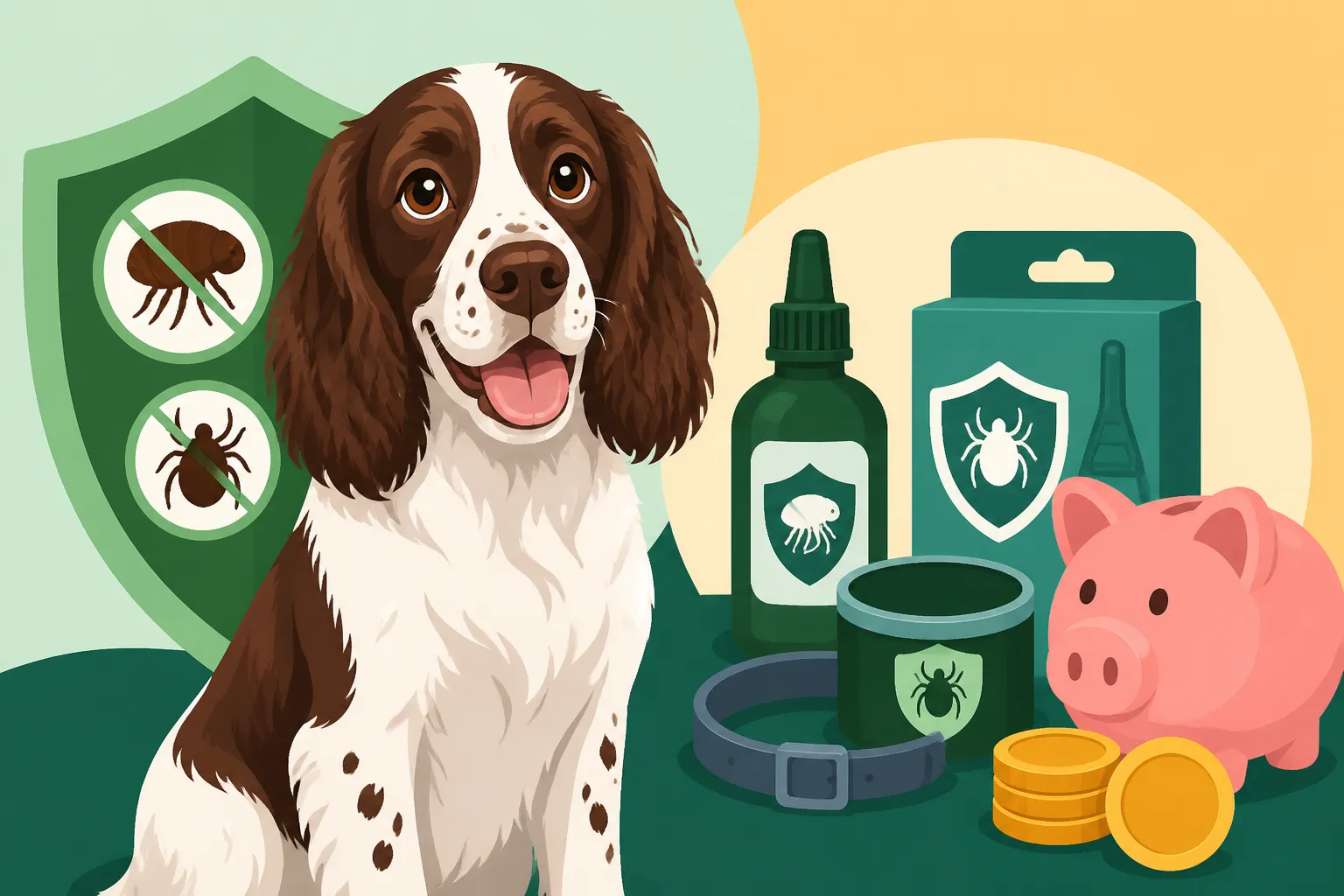
What Flea and Tick Prevention Costs for a Springer Spaniel
The joy of owning a Springer Spaniel is truly unparalleled, isn't it? Their boundless energy, their affectionate nature, and that incredible zest for life can fill your home with so much happiness. But with all that enthusiasm, especially for the outdoors, comes a less glamorous reality: the constant battle against fleas and ticks. These tiny pests aren't just an annoyance; they can lead to serious health issues for your beloved companion, not to mention a significant financial headache if left unchecked. This comprehensive guide will walk you through the various options for flea and tick prevention for your Springer Spaniel, helping you understand the associated costs and make informed decisions to keep your furry friend healthy and your wallet happy.
Understanding the Threat: Why Flea and Tick Prevention Isn't Optional for Your Springer
For anyone who shares their life with an English Springer Spaniel, you know they're not content to just sit on the couch all day. They love to explore, whether it's bounding through tall grass in the park, sniffing every bush on a woodland trail, or splashing happily in a lake. This active, adventurous spirit is one of their most charming traits, but it also makes them prime targets for fleas and ticks. Ignoring prevention is like leaving the back door open for trouble, both for your dog's well-being and your peace of mind.
The Persistent Pests That Love Springer Spaniels
Think about your Springer's beautiful, flowing coat. It's a gorgeous sight, but it's also a fantastic hiding spot for fleas and ticks. Their dense fur, especially the longer feathering on their legs, belly, and ears, offers a cozy, protected environment for these parasites to thrive. Fleas can cause relentless itching, leading to skin irritation, scabs, and even secondary bacterial infections from constant scratching. It's heartbreaking to see your happy-go-lucky Springer constantly gnawing at themselves, uncomfortable and agitated.
Ticks, on the other hand, are stealthier. They latch on, often unnoticed, and can remain attached for days, engorging themselves. Their favorite spots are often hidden: between toes, inside ears, under the collar, or in the armpits. Because Springers love to dive headfirst into brush and tall grasses, they're practically magnets for these hitchhikers. A quick check after every outdoor adventure is crucial, but it's not a substitute for reliable prevention. You might also find it helpful to read about After the Hunt: Checking a Springer Spaniel Over Nose to Tail for a deeper dive into post-outing care.
Beyond the Itch: Serious Health Risks and Costly Treatments
The discomfort from fleas and ticks is just the tip of the iceberg. Fleas can transmit tapeworms if ingested, leading to digestive upset and nutrient loss. More seriously, a severe flea infestation can cause anemia, particularly in puppies or older, weaker dogs.
Ticks are the real silent dangers, capable of transmitting a host of debilitating diseases. Lyme disease, anaplasmosis, and ehrlichiosis are just a few of the tick-borne illnesses that can cause lameness, fever, lethargy, loss of appetite, and in severe cases, kidney damage or even neurological issues. Diagnosing and treating these diseases can be incredibly complex and expensive. We're talking multiple vet visits, diagnostic tests like blood panels, long courses of antibiotics, pain management, and sometimes even specialist referrals. These costs can quickly dwarf the price of consistent prevention.
Consider this: the yearly cost of effective flea and tick prevention is typically far less than a single emergency vet visit or a protracted treatment plan for a tick-borne illness. It's an investment in your Springer's long-term health and your financial peace of mind. You might find some peace of mind knowing that pet insurance providers like Healthy Paws often cover the treatment for these illnesses, but they typically don't cover the preventative medications themselves.
Deciphering the Options: Types of Flea and Tick Prevention and Their Cost Structures
When it comes to protecting your Springer Spaniel from fleas and ticks, you've got a variety of options, each with its own benefits, drawbacks, and price point. Understanding these different methods is the first step to choosing the right one for your dog and your budget. It's important to remember that prices for these products can vary based on your dog's size, the specific brand, and where you purchase them.
Topical Treatments: Spot-Ons and Shampoos
Topical "spot-on" treatments are liquid medications applied directly to your dog's skin, usually between the shoulder blades, once a month. They typically work by spreading across the skin's surface and hair follicles, either killing pests on contact or through absorption into the oil glands.
- How they work: The active ingredients repel or kill fleas and ticks. Some target flea eggs and larvae to break the life cycle.
- Application & Frequency: You part your Springer's fur and apply the small vial of liquid directly to the skin. It's usually a monthly ritual.
- Cost Shape: These treatments are often available without a prescription and come in multi-dose packs, making the per-dose cost seem more manageable. A multi-pack might provide several months of protection. The overall annual cost is generally considered a mid-range option.
- Pros: Easy to apply for many owners, readily available at pet stores or online (like Chewy), and can be a more budget-friendly choice than some oral options.
- Cons: Can leave a greasy residue on the coat for a day or two, some dogs with sensitive skin might experience a localized reaction, and their efficacy can be reduced if your Springer swims frequently or is bathed often, requiring reapplication. Also, if your Springer Spaniel has a habit of getting into water, like many Whether Swimming Causes a Springer Spaniel's Ear Trouble, you'll need to be mindful of the reapplication schedule.
Flea and tick shampoos offer immediate, albeit temporary, relief by killing pests on contact during bathing. These are generally used as a "rescue" treatment for an existing infestation rather than a long-term preventative. Their cost is relatively low per bottle, but they aren't a standalone solution for ongoing prevention.
Oral Medications: Chewables and Pills
Oral medications, usually given as tasty chewables or tablets, are a popular choice for many Springer Spaniel owners. These are systemic treatments, meaning the active ingredient is absorbed into your dog's bloodstream, killing fleas and ticks when they bite.
- How they work: Once ingested, the medication circulates throughout your dog's body. When fleas or ticks bite, they consume the medication and are killed. Many also offer protection against internal parasites.
- Application & Frequency: Typically administered once a month or, for some formulations, once every three months. Your Springer often thinks they're getting a treat!
- Cost Shape: Oral medications almost always require a veterinarian's prescription, which means an annual vet visit to get or renew the prescription. The cost per dose tends to be higher than topical treatments, positioning them as a higher investment annually.
- Pros: Extremely convenient, can't be washed off by swimming or bathing, no residue on the coat, and generally very effective. They're often preferred for Springers who are frequently in water or have skin sensitivities to topical products. They also begin working quickly.
- Cons: Higher upfront cost, requires a vet visit for a prescription, and some dogs might experience mild gastrointestinal upset. However, for a dog prone to severe flea allergy dermatitis, the reliability of oral prevention can be well worth the cost. You can discuss these options with your vet during The Daily Routine a Springer Spaniel Actually Needs discussions.
Collars, Sprays, and Environmental Control
Beyond spot-ons and oral medications, several other products play a role in flea and tick management.
- Flea and Tick Collars: These collars release active ingredients that either repel or kill fleas and ticks. Some older collars only protect the neck area, while newer, advanced collars (often lasting for several months) distribute the active ingredients over the dog's body, similar to a topical.
- Cost Shape: The cost varies significantly, from very inexpensive to a moderate one-time purchase for longer-lasting, more effective collars.
- Pros: Long-lasting protection for some advanced options, no messy application.
- Cons: Can lose effectiveness over time or if frequently wet. Some dogs may experience skin irritation under the collar. There's also the risk of children or other pets coming into contact with the active ingredients. You also need to ensure a secure fit that isn't too tight or too loose, which can be tricky with a Springer's active lifestyle.
- Sprays: Flea and tick sprays offer immediate kill action but are generally not designed for long-term prevention. They can be useful for quick knockdowns of pests on your dog before they come inside, or as a complement to other methods.
- Cost Shape: Low to mid-range per bottle, but frequent use can add up.
- Environmental Treatments: If you're dealing with a serious infestation in your home or yard, you might need to invest in premise sprays, foggers, or professional pest control.
- Cost Shape: This can range from a relatively low cost for DIY products to a significant investment for professional services, adding another layer to the overall expense if prevention fails.
Choosing the right combination often depends on your Springer's lifestyle, your local pest pressure, and your personal preferences. Don't forget that Whether a Field Springer Spaniel Needs More Parasite Cover compared to a show-bred pet can greatly influence your choice.
The Annual Financial Picture: Budgeting for Your Springer's Protection
Understanding the various prevention methods is one thing, but translating that into a realistic annual budget for your Springer Spaniel's protection is another. It’s not just about the sticker price of a single dose; it’s about the consistent commitment over 12 months, factoring in all the variables that might influence your specific costs.
Comparing the Annual Outlay for Different Methods
Let's break down the general annual cost "shape" for a typical Springer Spaniel, keeping in mind that actual figures fluctuate greatly. This table gives you a comparative overview to help you budget.
| Prevention Method | Application Frequency | Typical Cost Impression per Dose/Unit | Annual Cost Impression | Key Considerations |
|---|---|---|---|---|
| Topical Spot-On | Monthly | Moderate | Mid-range | Messy residue possible; efficacy can decrease with swimming/bathing; no vet visit required for purchase. |
| Oral Chewable (Monthly) | Monthly | Higher | Higher investment | Convenient, won't wash off; vet prescription required; potential for mild GI upset. |
| Oral Chewable (Quarterly) | Every 3 months | Highest | Higher investment, but less frequent purchase | Convenient, extended protection; vet prescription required; typically a larger upfront cost per dose. |
| Flea & Tick Collar (Long-lasting) | Every 6-8 months | Moderate to Higher (one-time) | Budget-friendly to Mid-range | Can be effective; potential for skin irritation; careful fit needed; good for those who forget monthly doses. |
| Flea & Tick Shampoo | As needed | Low | Supplemental / Situational | Not a standalone preventative; good for immediate knockdown; short-term effect. |
| Sprays (Preventative) | As needed | Low to Moderate | Variable | Good for immediate application before outdoor activities; not typically for sole prevention. |
This table illustrates that while topical treatments might appear cheaper per dose, an annual commitment to a quality oral preventative might offer superior, hassle-free protection, especially for an active Springer. Many owners choose to purchase these medications from reputable online retailers like Chewy, where they can often find competitive pricing and the convenience of auto-ship subscriptions.
Factors Influencing Your Prevention Costs
Several factors will play a role in the final cost you pay for your Springer Spaniel's flea and tick protection:
- Dog's Weight: Medications are dosed by weight. A larger Springer Spaniel will require a higher dose, which often translates to a higher cost per treatment. Since there can be a size difference even within the breed (for example, between a field-bred and a show-bred Springer), this is worth noting.
- Geographical Location: The prevalence of fleas and ticks varies significantly by region. In areas with year-round pest pressure, you'll need year-round prevention, increasing your annual cost. Some regions also have a higher incidence of specific tick-borne diseases, which might influence your vet's recommendation for broader-spectrum protection.
- Brand Choice: There are many reputable brands on the market, each with its own pricing structure and active ingredients. Your veterinarian can help you navigate these choices, recommending products that are effective for your specific area and your dog's needs. While pet food brands like Ollie focus on nutrition, preventative medications are a distinct and critical budget line item.
- Vet Visit Requirements: Oral preventatives require a veterinary prescription. This means an annual wellness check-up, which has its own costs, to ensure your Springer is healthy enough for the medication and to renew the prescription. This is a crucial part of The Health Tests Both Springer Spaniel Parents Should Have discussion when you're thinking about a puppy, as a responsible breeder will already have established good vet relationships.
- Purchase Location: Vet clinics, brick-and-mortar pet stores, and online pharmacies all offer these products, often at different price points. Buying in bulk or subscribing to an auto-ship program through an online retailer like Chewy can sometimes offer discounts.
It's a balance between cost, convenience, effectiveness, and your Springer's individual needs. Always consult with your veterinarian to determine the best and safest prevention strategy.
Smart Strategies to Manage Prevention Costs for Your Springer Spaniel
The good news is that you don't have to break the bank to provide excellent flea and tick protection for your Springer Spaniel. With a little planning and smart shopping, you can keep those pesky parasites at bay without undue financial stress.
Subscription Services and Online Pharmacies
One of the easiest ways to potentially save money and ensure consistency is by utilizing online pet pharmacies and subscription services. Retailers like Chewy often offer competitive prices, especially if you opt for auto-ship options, which might come with a small discount. This ensures you never run out of medication, which is crucial for continuous protection. Imagine the frustration of realizing you're out of your Springer's monthly dose right before a long weekend! Auto-ship takes that worry away.
When using online pharmacies for prescription medications, always ensure they are reputable and require a valid prescription from your veterinarian. Your vet will often send the prescription directly to the online pharmacy, making the process seamless. This can be a great way to manage costs, which are part of Which Type You Buy Decides What a Springer Spaniel Costs to Keep overall.
Bundling and Wellness Plans
Many veterinary clinics offer wellness plans that bundle essential services like annual exams, vaccinations, and sometimes even a year's worth of flea and tick prevention. These plans can spread out the cost into manageable monthly payments and may offer a discount compared to paying for each service individually. It's worth inquiring with your local vet about any such programs.
While pet insurance (like Healthy Paws) typically doesn't cover routine preventative care like flea and tick medications, it's invaluable for covering the treatment of illnesses these parasites can cause. For example, if your Springer were to contract Lyme disease from an unchecked tick bite, the diagnostic tests and medication would likely be covered, potentially saving you thousands. So, while prevention costs are out-of-pocket, insurance provides a safety net against the much higher costs of treatment. This is an important distinction when considering What Insuring a Springer Spaniel Runs in your overall budget.
Proactive Habits Beyond the Bottle
Beyond purchasing medications, your daily habits play a huge role in minimizing your Springer Spaniel's exposure to fleas and ticks, and potentially lowering your overall costs by preventing problems.
- Regular Grooming and Checks: Make it a habit to thoroughly check your Springer Spaniel after every outdoor excursion, especially if they've been in wooded or grassy areas. Their dense coat means you need to be diligent. A fine-toothed flea comb can help you spot fleas or flea dirt, and running your hands over their body can help you feel for attached ticks. Pay special attention to their ears, paws (especially between the toes), armpits, and groin area. For more tips on this, check out Burrs, Ticks and Grass Awns in a Working Springer Spaniel.
- Yard Maintenance: Keeping your yard tidy can reduce tick habitats. Mow your lawn regularly, trim overgrown bushes, and remove leaf litter. Creating a barrier of wood chips or gravel between your lawn and wooded areas can also deter ticks.
- Discuss with Your Vet: Your veterinarian is your best resource. They know the local parasite prevalence, understand your Springer's health history, and can recommend the most effective and safest products. Don't hesitate to ask questions about generic options, potential discounts, or combining different preventative strategies. This open communication can lead to the most cost-effective and protective plan for your specific situation. Remember, preventing issues like What Chronic Ear Disease Costs a Springer Spaniel Owner due to scratching from fleas, is always cheaper than treating them.
By combining consistent preventative medication with smart shopping and proactive care, you can ensure your Springer Spaniel remains happy, healthy, and itch-free for many years to come, without breaking your budget. It's all part of the rewarding journey of sharing your life with these wonderful dogs!
Disclaimer
This article is for general informational purposes only and does not constitute professional advice. Laws, prices and regulations vary by location and change over time. Consult a qualified professional for guidance on your specific situation.