How Much a Springerdoodle Sheds
A Springerdoodle may leave hair on the sofa, or it may seem to shed very little—but the name alone cannot tell you which. Because this Springer Spaniel and Poodle cross can inherit different coat types, shedding varies from dog to dog. This guide explains what affects it, how to manage loose hair, and what grooming routine to expect.
How much does a Springerdoodle shed
Why shedding varies between Springerdoodles
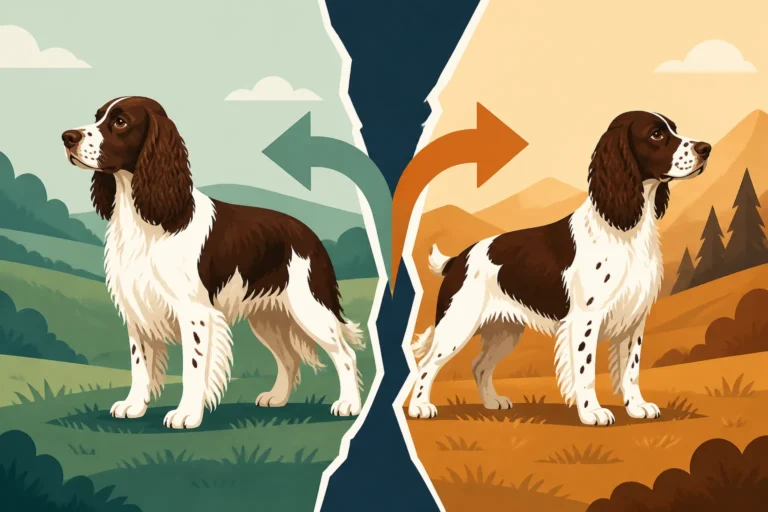
Springerdoodles are not a single, predictable coat type. They can inherit more of the English Springer Spaniel’s straight or wavy double coat, more of the Poodle’s curly coat, or a mix of features from both parents. Even puppies in the same litter may grow up with noticeably different coats.
That variation matters because a curly coat does not automatically mean a dog will not shed. Loose hairs may stay caught in curls until brushing removes them, so you might find less hair drifting around the house while still needing to brush frequently to prevent tangles. A straighter, more spaniel-like coat may release loose hairs more visibly, especially during seasonal changes.
The individual dog’s coat is usually a better guide than the word “Springerdoodle.” Look at the puppy’s parents, ask the breeder what their coats are like, and keep in mind that a puppy’s coat can change as it matures. Those clues can help you prepare, but they cannot promise exactly how much the adult dog will shed. For more context on the Springer Spaniel side of the mix, see What a Springer Spaniel Mix Inherits.
What shedding may look like at home
With a straighter or looser coat, you may notice hair on dark clothing, rugs, car seats, and the dog’s bedding. The amount can vary with coat length, the season, brushing habits, and how much time the dog spends outdoors. A Springerdoodle that runs through fields or trails may also bring home burrs and debris that make loose hair more obvious during grooming.
A curlier coat can give a different impression. Hair may not collect in visible tumbleweeds, but that does not necessarily mean there is no shedding. Loose strands can remain trapped in the coat, where they may combine with dead skin and debris and contribute to tangles or mats if they are not brushed out.
If you already know a Springer Spaniel’s coat, remember that a crossbreed may not behave exactly the same way. The shedding pattern can be different from a purebred Springer Spaniel’s, and two Springerdoodles can differ from one another too. The overview in How Much a Springer Spaniel Sheds Into a House is useful for understanding the parent breed, but treat it as a comparison—not a guaranteed forecast for a mix.
Does low shedding mean allergy friendly
Not necessarily. People often use “low shedding” and “hypoallergenic” as if they mean the same thing, but they do not. Allergic reactions can involve proteins associated with a dog’s skin flakes, saliva, and urine, not only loose fur. A dog that sheds less visibly may still trigger symptoms for someone who is sensitive.
If allergies are a serious concern in your household, spend time around the specific dog and speak with an appropriate health professional before making a decision. A short visit may not reveal how you will react after living with a dog, but it can offer more useful information than relying on a breed-cross label.
It is also worth asking about the adult coats of both parents and whether relatives from earlier litters have developed tighter curls or more spaniel-like coats. Those details can help set expectations, though they still cannot guarantee a particular shedding level or allergy outcome.
What affects a Springerdoodle’s shedding
Coat type and coat changes
A Springerdoodle’s coat can change as the dog grows. Puppy fur may feel softer or look less defined than the adult coat, and the texture can shift during adolescence. That means a puppy who seems easy to maintain may later need more frequent brushing, trimming, or professional grooming.
Coat length also affects what you notice. Longer hair may be more visible on furniture and clothing, while shorter hair can be harder to spot but may still collect in bedding or carpets. Curly hair can hold loose strands within the coat, so the cleanup challenge may involve preventing mats rather than sweeping up hair.
The English Springer Spaniel parent contributes a coat with feathering in areas such as the ears, chest, legs, and underside. These longer sections can catch leaves, burrs, and knots, especially after outdoor activity. A Poodle-influenced coat may curl or wave and can also tangle if loose hair and debris are left in place. Comparing coat features in How a Show Springer Spaniel's Coat Differs can help you understand some of the spaniel traits a Springerdoodle might inherit.
Season, health, and everyday routine
Many dogs seem to shed more at certain times of year, but the pattern is not identical for every dog. Indoor living, climate, coat type, and individual biology can all affect how noticeable shedding is. You may see a gradual increase in loose hair rather than one dramatic seasonal “blow.”
A sudden, substantial change in shedding deserves attention, particularly if it comes with itching, bald patches, redness, sores, a strong odor, or repeated licking. Those signs can have several causes, including skin irritation or other health concerns, so it is better to ask a veterinarian than to assume the dog simply needs a different brush or shampoo.
Routine care can make ordinary shedding easier to manage. Regular brushing removes loose hair before it spreads around the home and gives you a chance to spot tangles, ticks, or skin changes. Washing can help when the coat is dirty, but frequent baths or unsuitable products may irritate some dogs’ skin. Ask your veterinarian or groomer for advice if the coat is persistently greasy, flaky, itchy, or unusually smelly.
How to manage Springerdoodle shedding
Build a brushing routine that fits the coat
Start by checking the coat in sections rather than brushing only the top layer. Pay particular attention behind the ears, under the collar, in the armpits, on the chest, and around the feathering on the legs. These spots can tangle quickly because they rub against the body or collect debris during walks.
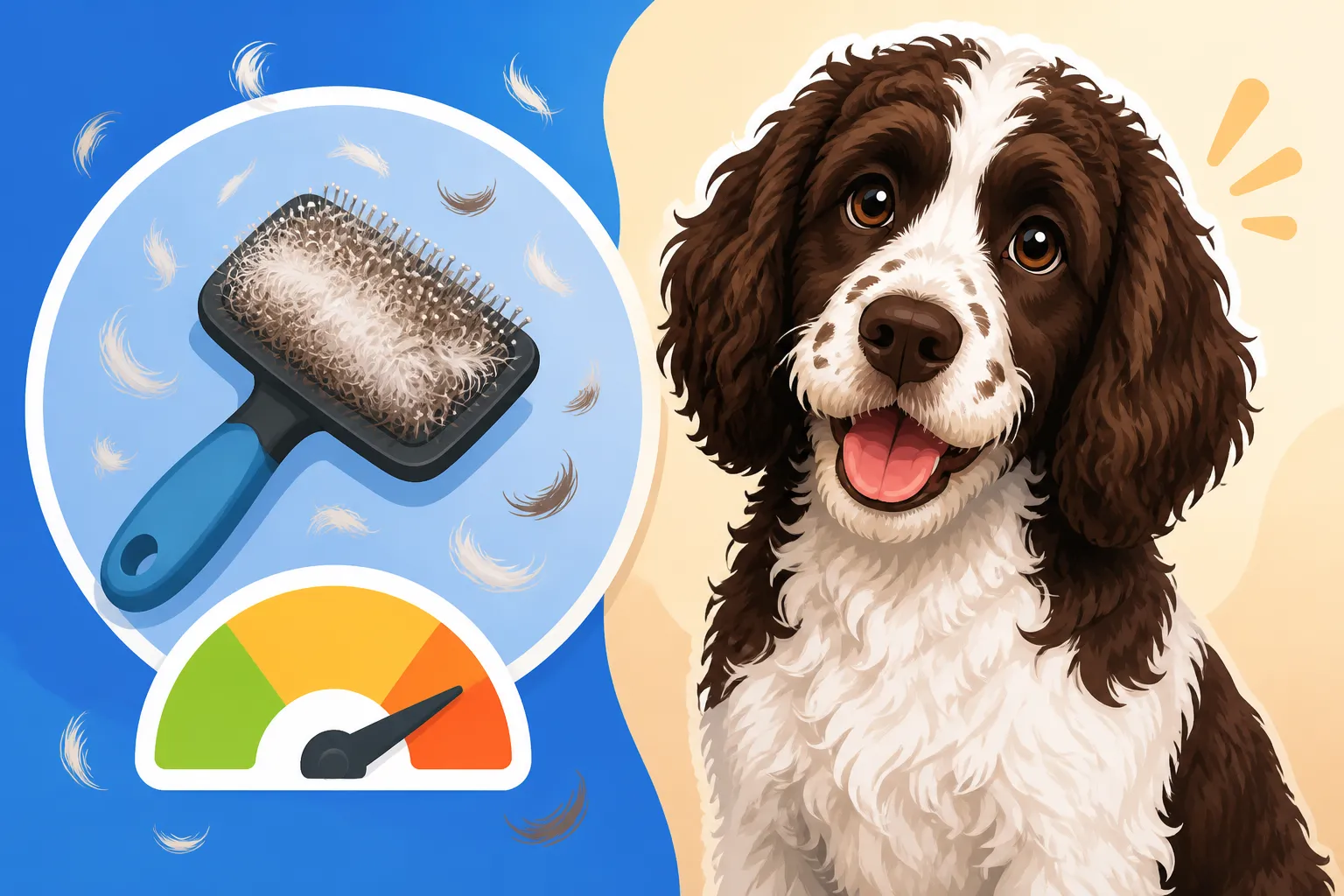
The right tool depends on coat texture and length. A slicker brush or comb may suit some coats, while another dog may need a different combination to reach through curls or feathering without scraping the skin. Use gentle strokes, work through small sections, and stop if the dog seems uncomfortable. If a knot is tight or close to the skin, do not yank it; ask a groomer how to handle it safely.
A practical starting routine is to inspect and brush the coat several times a week, then adjust based on what you find. If the brush brings out loose hair and the coat stays free of tangles, the schedule may be working. If knots return quickly, sessions take a long time, or brushing becomes stressful, a professional groomer can recommend a more suitable routine. The guides Which Brush Suits a Springer Spaniel and How Long Brushing a Springer Spaniel Takes offer useful background for the spaniel-type coat, although a curlier Springerdoodle may need different tools and timing.
Keep the coat comfortable between grooms
Brush before bathing when the coat is tangled, because water can tighten some knots and make them harder to work through. After a bath or a swim, dry the coat thoroughly, especially around the ears and dense feathering. A damp undercoat can stay wet longer than the surface suggests, so check down to the skin rather than assuming the dog is dry because the outer coat feels warm.
After a walk, run your hands and eyes over the coat for burrs, grass seeds, and small tangles. This quick check is especially helpful around the ears, armpits, feet, and tail. If the dog regularly swims, the coat may need extra rinsing and drying; Whether a Springer Spaniel's Coat Is Waterproof explains why a water-repellent appearance does not mean the coat never needs attention.
For basic supplies, choose tools that suit your dog’s coat and introduce them calmly. Chewy is one place owners may browse for brushes, combs, and dog-safe grooming products, but product choice should be based on the dog’s coat and comfort rather than a label promising a particular result. If you are unsure which tool is safe for a tight curl pattern or sensitive skin, ask a groomer or veterinarian before experimenting.
Decide when professional grooming makes sense
Professional grooming can be helpful when a Springerdoodle’s coat is dense, curly, or prone to matting, or when home brushing has become difficult. A groomer can assess the texture, remove tangles safely, and show you how to maintain the coat between appointments. You can also discuss whether the dog needs a trim, how short it should be, and how to keep the ears and feet comfortable.
The right schedule depends on coat growth, activity, brushing at home, and the style you choose. A longer coat may look appealing but can collect more debris and need more frequent attention. A shorter, practical trim can make field walks and everyday cleanup easier, though it does not eliminate shedding or the need for brushing.
When choosing a groomer, explain that your dog is a Springer Spaniel and Poodle mix and describe any sensitivities or past grooming worries. Ask how they handle mats, what tools they plan to use, and how they will keep the dog comfortable. Chewy may be useful for finding everyday grooming supplies, while a local groomer is the person to consult about coat-specific trimming and maintenance. If your dog becomes distressed during brushing or has painful mats, do not force a long session at home.
| What you notice | What it may mean | Helpful next step |
|---|---|---|
| Loose hair on clothes and furniture | A straighter or looser coat may be shedding visibly | Brush regularly and clean bedding and soft furnishings |
| Little hair around the home but frequent tangles | Loose hairs may be caught in a curlier coat | Comb through sections and check mat-prone areas |
| Burrs or knots after walks | Feathering is collecting outdoor debris | Inspect ears, legs, armpits, and feet after outings |
| Sudden shedding with itching or bald patches | A skin or health problem may be involved | Contact a veterinarian rather than treating it as routine shedding |
| Brushing is painful or mats sit close to the skin | The coat may need careful professional attention | Arrange grooming advice and avoid pulling at the knots |
What to expect before bringing home a Springerdoodle
Ask specific questions about the parents
Instead of asking only whether the puppy is “low shedding,” ask how often each parent is brushed and groomed, what their coats feel like, and whether they shed noticeably indoors. If the breeder has raised earlier litters, ask whether those dogs developed different coat textures as adults. Practical answers are more useful than a broad promise based on the crossbreed name.
You can also ask what coat maintenance the breeder recommends for the puppy’s current texture and whether the dog has had a calm introduction to brushing. A puppy that has practiced short, gentle handling sessions may find home grooming easier. That is not a guarantee, but it gives you a better starting point.
Keep expectations flexible. You may be able to predict a range of grooming needs from the parents, but the exact adult coat can remain uncertain until the dog matures. If a household needs a reliably minimal-shedding dog for practical reasons, do not assume that a Springerdoodle will meet that need without considering the individual dog and the uncertainty of coat inheritance.
Plan for hair and grooming together
A realistic routine accounts for both loose hair and coat maintenance. Keep a brush and comb where grooming normally happens, set a regular time for quick coat checks, and use washable throws or bedding in the spots your dog favors. A vacuum designed for pet hair may help with visible shedding, but cleaning tools cannot replace brushing—especially for a curly coat that traps loose strands.
Chewy may also be a convenient place to look for lint rollers, washable bedding, and grooming supplies, but the most important step is choosing items that suit your household and your dog. Avoid buying a collection of tools before you know the adult coat. Start with a basic, gentle setup and ask a groomer to demonstrate what works once the texture becomes clearer.
Finally, remember that shedding is only one part of living with this cross. A Springerdoodle may also inherit the Springer Spaniel’s energy, interest in scent, and love of activity, alongside traits from the Poodle parent. Learning about those possibilities through Whether a Springer Spaniel Suits a First Time Owner and Whether a Springer Spaniel Needs a Job can help you think beyond coat care when deciding whether the mix is right for your home.
Disclaimer
This article is for general informational purposes only and does not constitute professional advice. Laws, prices and regulations vary by location and change over time. Consult a qualified professional for guidance on your specific situation.