What an Old Springer Spaniel Should Be Fed
Senior Springer Spaniel dietary needs change with slower metabolism, joint issues, and sensitive digestion requiring tailored nutrition.
The daily stuff, done right.
Feeding amounts by life stage, coat and skin routines, dental and nail care, exercise needs, and what changes as they age.

Senior Springer Spaniel dietary needs change with slower metabolism, joint issues, and sensitive digestion requiring tailored nutrition.

Working Springer Spaniels that carry birds face unique dental wear, chipped teeth, and gum redness from retrieving game.

Proper nail length for working English Springer Spaniels prevents painful field injuries and protects vital joint health.

Springer Spaniel greasy skin and musty odors stem from excess sebum production, often signaling seborrhea, bacteria, and yeast imbalances.
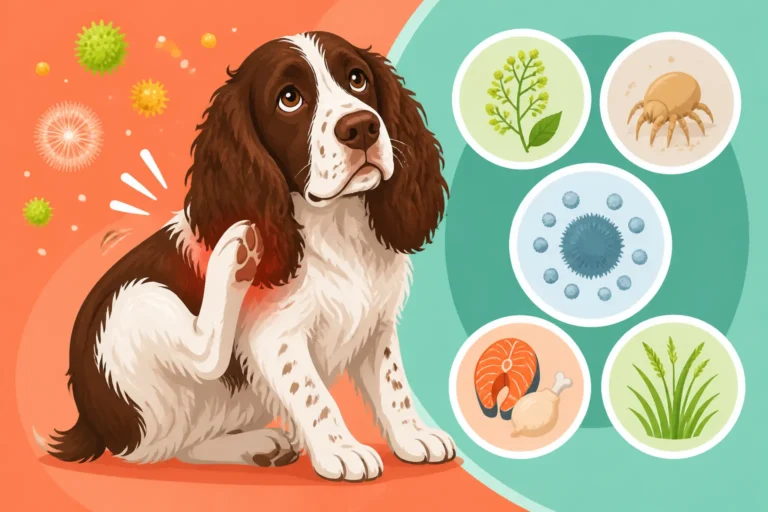
Springer Spaniel environmental and food allergies cause relentless itching, pollen reactions, and painful ear infections.
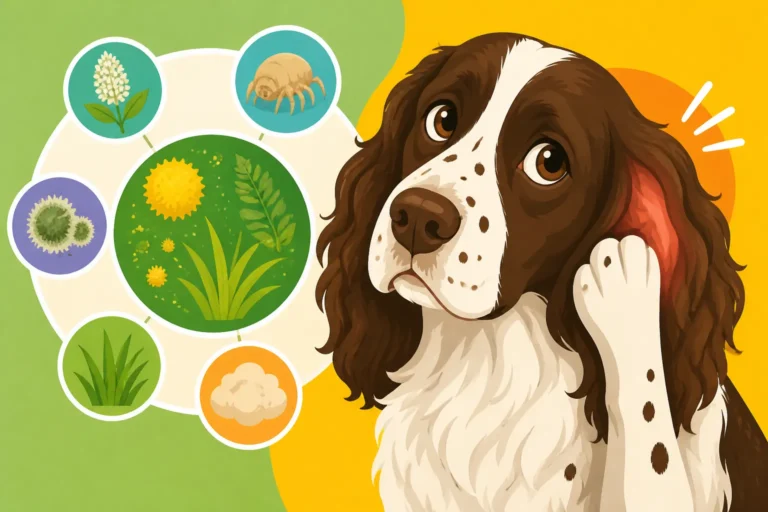
Allergies acting as the primary driver of chronic ear disease in Springer Spaniels and how to break the frustrating cycle.

English Springer Spaniels digestive anatomy, inherited sensitivities, and common gastrointestinal issues like food allergies and inflammatory bowel disease.

Springer Spaniel diet transition timing depends on age and growth, typically occurring between ten and twelve months old.

Springer Spaniel daily meal frequency depends on metabolism, age, and activity levels, ensuring proper nutrition and stable energy.

English Springer Spaniel weight management requires balancing high metabolism, activity needs, and food motivation to prevent extra pounds.