Whether a Springer Spaniel’s Submissive Urination Is Medical
It can be incredibly frustrating and frankly, quite disheartening, when your beloved Springer Spaniel leaves little puddles when they're excited, nervous, or just greeting you. Many owners immediately assume it’s a training issue or a sign of an overly submissive temperament. While that's often the case, it’s absolutely crucial to consider that sometimes, these urination incidents aren't purely behavioral. This guide is dedicated to helping you understand if your Springer Spaniel's submissive urination might actually have an underlying medical cause, how to tell the difference, and what steps you should take.
Understanding Submissive Urination: Behavioral vs. Medical
When your Springer Spaniel dribbles or empties their bladder during greetings, excitement, or when feeling intimidated, it’s easy to label it as "submissive urination." And often, it is. This is a very common canine behavior, particularly in younger dogs, sensitive breeds like our Springers, or those with a history of insecure socialization. But, what if it's not just behavior? What if there's something else going on in their little bodies that makes them unable to hold it? This is where distinguishing between a purely behavioral issue and one with a medical component becomes vitally important for your dog's health and your peace of mind.
Behavioral submissive urination is typically a communication signal. It's your dog saying, "I'm no threat, please don't hurt me," or "I'm so happy to see you, I can't contain myself!" It's often triggered by specific social contexts: a boisterous greeting, a perceived reprimand, or even just eye contact from a tall, imposing stranger. The key here is the trigger and the context. If it almost always happens in these specific situations, and your dog otherwise has excellent bladder control, it leans heavily towards a behavioral origin. You might notice them dropping low, averting their gaze, tucking their tail, or rolling over onto their back as they pee. These accompanying body language cues are strong indicators that it's a communication issue.
On the other hand, a medical issue might mimic submissive urination but have very different roots. For instance, a urinary tract infection (UTI) can cause increased urgency and frequency of urination, leading to accidents that look like submissive peeing. An older dog might experience cognitive dysfunction or a weakening bladder sphincter, resulting in incontinence that happens when they are excited or shift position. It’s not about them trying to communicate submission; it’s about their body failing to retain urine. The challenge lies in the overlap: a dog with a medical issue might also be submissive or anxious, making it even harder to pinpoint the primary cause. This is why a thorough investigation is always warranted.
What Behavioral Submissive Urination Looks Like
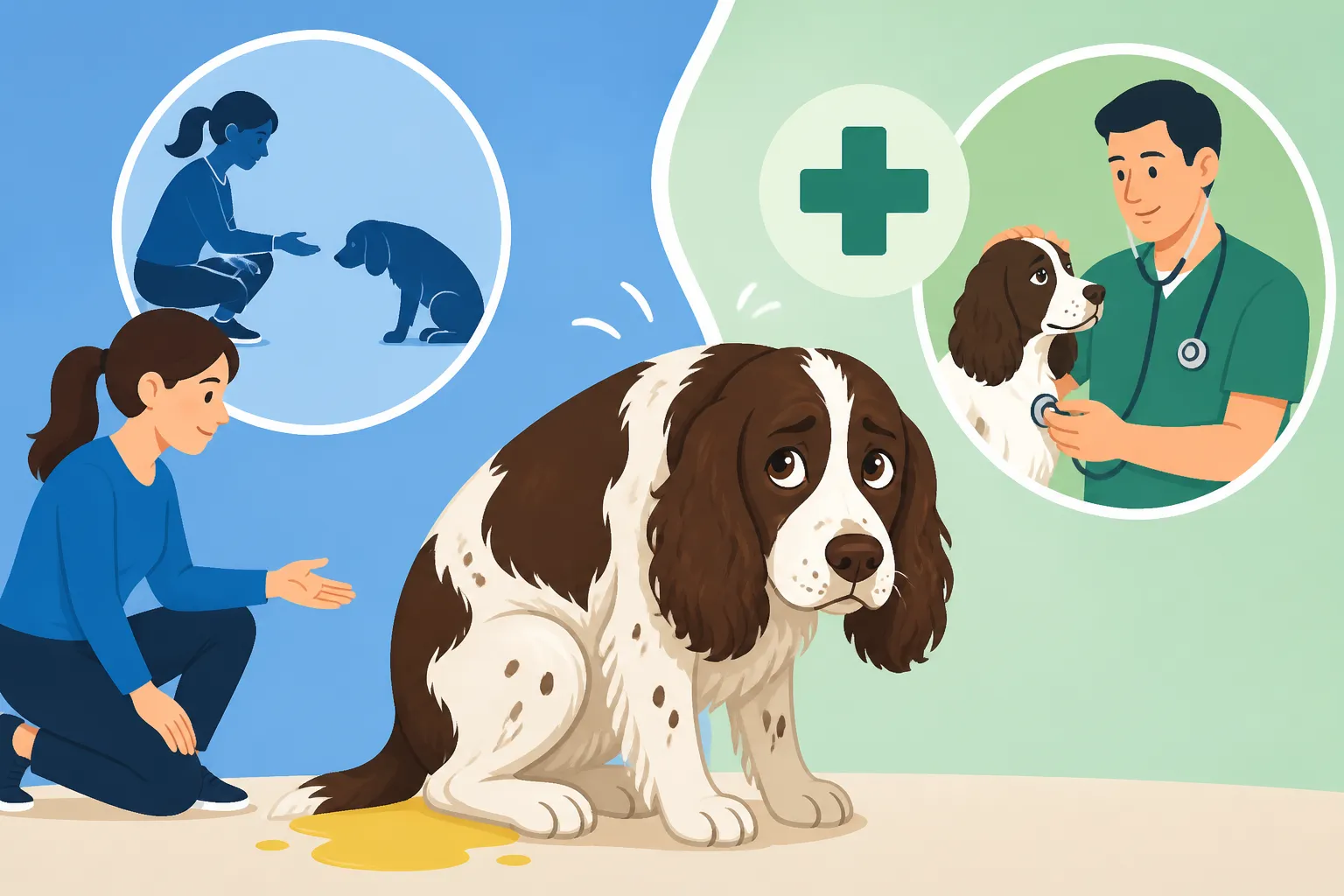
Truly behavioral submissive urination is often a self-deprecating gesture. Imagine your Springer Spaniel, tail tucked low, ears flattened, perhaps even rolling onto their back, exposing their belly, all while a small puddle forms beneath them. They might be trying to appease you or another dog, especially if they perceive you as dominant or overwhelming. This behavior is most prevalent in puppies and adolescent dogs, as they are still learning social hierarchies and how to navigate interactions without causing offense. It’s also more common in sensitive breeds. The Soft Springer Spaniel That Shuts Down If You Shout is a great example of how these dogs can be quite delicate.
Common triggers include overly enthusiastic greetings (especially from tall people bending over them), stern verbal corrections, or even just direct eye contact. Sometimes, it's just pure excitement that overwhelms their bladder control, particularly when you first come home after being away. The key is that outside of these specific, high-arousal or appeasement-driven moments, their bladder control is generally excellent. They don't typically leak urine when sleeping, or during calm periods, or when they're just wandering around the house. If you notice your Springer Spaniel pees when greeted, this is a classic example of a behavioral trigger.
It’s important to understand that this isn’t a dog intentionally soiling your floor out of spite or a lack of house-training. It’s an involuntary physical reaction to an emotional state. Punishment, or even harsh words, can often exacerbate the problem, making your dog even more anxious and likely to pee. Instead, managing the environment, reducing perceived threats, and building confidence are typically the most effective strategies. We want our Springers to feel secure and confident, not constantly on edge. Whether Confidence Training Helps a Springer Spaniel explores techniques that can aid in this.
Potential Medical Conditions That Mimic Behavioral Issues
While submissive urination often has behavioral roots, it’s absolutely critical to rule out medical causes. There are several health conditions that can lead to inappropriate urination, which might be mistaken for submissiveness or excitement-induced peeing. Ignoring these possibilities can lead to prolonged discomfort for your dog and potentially worsen an underlying health issue.
One of the most common culprits is a urinary tract infection (UTI). Just like in humans, a UTI causes inflammation and irritation in the bladder and urethra, leading to increased urgency, frequency, and sometimes, difficulty holding urine. A dog with a UTI might suddenly start having accidents even if they were perfectly house-trained. These accidents might appear to happen during moments of excitement or greeting, simply because that's when you're interacting with them and most likely to notice. However, if your dog is also straining to urinate, passing small amounts frequently, or has discolored/foul-smelling urine, a UTI is very high on the list.
Another consideration, particularly for younger dogs, is ectopic ureters. This is a congenital condition where one or both ureters (the tubes connecting the kidneys to the bladder) don't properly connect to the bladder, but instead, bypass it or connect to another part of the urinary tract or reproductive organs. This results in continuous leaking of urine, which can be present from puppyhood. While not strictly "submissive," the constant dampness and occasional puddles could be mistaken for poor bladder control or behavioral issues. It's a structural problem that requires veterinary intervention.
For older Springer Spaniels, hormone-responsive incontinence (often linked to spaying in females) or age-related weakening of the bladder sphincter can be a factor. As dogs age, their muscles, including those controlling the bladder, can become weaker. This can lead to involuntary urine leakage, especially when they are relaxed, sleeping, or, confusingly, when they get excited and put pressure on their bladder. The Age a Springer Spaniel Counts as a Senior is a good time to start discussing these possibilities with your vet. Other conditions like kidney disease, diabetes, or Cushing's disease can also increase thirst and urination, leading to accidents.
It’s also worth considering that some neurological issues or musculoskeletal problems, particularly in the hind end, could affect a dog’s ability to control their bladder or get to an appropriate potty spot quickly. While less common to mimic submissive urination directly, they can certainly contribute to inappropriate urination.
How to Tell if it's Behavioral or Medical
Distinguishing between behavioral and medical causes for inappropriate urination in your Springer Spaniel can feel like detective work, but it's a critical step. The biggest clue often lies in the circumstances surrounding the urination and any other accompanying symptoms. A careful observation of your dog's patterns, combined with a veterinary check-up, will provide the clearest picture.
Start by being a meticulous observer of your dog's urination habits. Keep a journal for a few days, noting:
- When does the urination occur? Is it only during greetings, excitement, or perceived threats? Or does it happen at other times, like when they're sleeping, calm, or simply walking around the house?
- How much urine is passed? Is it a small dribble, or a full emptying of the bladder?
- What is their body language before and during the urination? Are they showing signs of appeasement (tucked tail, lowered body, averted gaze) or excitement (wiggly body, panting, jumping)? Or are they just leaking without any particular emotional display?
- Are there other symptoms present? This is huge. Look for increased thirst, straining to urinate, frequent licking of their genital area, a change in urine color or odor, or any general lethargy or discomfort. Are they house-trained normally at other times? Do they seem to have good control when calm?
Here's a quick comparison table to help you categorize your observations:
| Feature | Behavioral Submissive Urination | Potential Medical Cause (e.g., UTI, Incontinence) |
|---|---|---|
| Trigger | Excitement, greetings, perceived threat, scolding, direct eye contact | Can be random or during activity/sleep, not always context-specific |
| Volume of Urine | Often a small to moderate amount, sometimes a full bladder if very stressed/excited | Can be dribbling, small frequent puddles, or full bladder |
| Body Language | Tail tucked, ears back, lowered body, cowering, belly exposure, licking lips | No specific appeasement/excitement body language; may just leak |
| Other Symptoms | None (otherwise healthy) | Increased thirst, straining, frequent licking, discolored/smelly urine, lethargy, frequent urge |
| Bladder Control | Good when calm and untriggered | Inconsistent or poor control even when calm |
| Age of Onset | Often puppies/adolescents, sensitive adults | Can be any age (UTI, congenital issues), or older dogs (incontinence) |
Remember, this table is a guide, not a diagnosis. Your vet is the only one who can definitively diagnose a medical condition.
When to Seek Veterinary Attention
If you're noticing any form of inappropriate urination from your Springer Spaniel, especially if it's a new behavior or has worsened, the very first step should always be a visit to your veterinarian. It’s always better to rule out a medical cause first, even if you strongly suspect it's behavioral. Thinking it’s "just behavioral" when there’s an underlying health issue can cause your dog unnecessary suffering and allow a treatable condition to escalate. What a Springer Spaniel's Vet Bills Look Like can give you an idea of potential costs, but delaying a necessary vet visit often leads to more expensive treatments down the line.
During your vet visit, they will likely perform a thorough physical examination. They'll also typically recommend a urinalysis and potentially a urine culture. A urinalysis checks for things like blood, protein, glucose, and crystals in the urine, while a culture identifies any bacteria present and which antibiotics will be most effective. These simple tests can quickly confirm or rule out a urinary tract infection or other kidney/bladder issues. Don't be surprised if your vet asks for a "first catch" or "mid-stream" urine sample, or even performs a cystocentesis (a sterile urine sample collected directly from the bladder with a needle) for the most accurate results.
Be prepared to provide your vet with all the observations you've made, using your journal notes if you kept one. Tell them:
- Exactly when the urination occurs (specific triggers).
- The volume of urine.
- Any accompanying body language.
- Other symptoms you've noticed.
- Your dog's diet, exercise routine, and any changes in their environment.
If medical causes are ruled out, then your vet can help you create a plan to address the behavioral aspects. They might recommend working with a certified professional dog trainer or a veterinary behaviorist who specializes in anxiety and submissive behaviors. Remember, even if it's behavioral, sometimes medication can be used in conjunction with training to help manage severe anxiety, similar to how we might manage Separation Anxiety in a Springer Spaniel.
Managing Behavioral Submissive Urination
Once medical causes have been confidently ruled out by your veterinarian, you can focus on addressing the behavioral aspects of your Springer Spaniel's submissive urination. The core strategy here is to reduce the triggers for anxiety or over-excitement, and to build your dog's confidence. This isn't about punishment, which, as we discussed, will only make things worse. It's about careful management and positive reinforcement.
One of the first things to consider is how you and others interact with your Springer. Many dogs pee submissively when greeted boisterously or when a tall person leans over them, making direct eye contact. To combat this, try changing your greeting routine. When you come home, ignore your dog for the first few minutes until they are calm. Then, greet them in a quiet, low-key manner. Avoid direct eye contact initially, keep your body language relaxed and non-threatening, perhaps even crouch down to their level rather than towering over them. Don't make a big fuss; let them approach you on their terms. This also applies to guests. Instruct visitors to ignore your dog until they're calm, and then engage gently. Why a Springer Spaniel Pees When Greeted directly addresses these scenarios.
Another key component is building your dog’s confidence. Shy or anxious dogs are more prone to submissive urination. Positive reinforcement training for basic obedience can do wonders. Every successful sit, stay, or come command, followed by a tasty treat or praise, builds positive associations and helps your dog feel more in control and capable. Consider enrolling in a positive reinforcement obedience class. Companies like BAXTER & Bella offer online puppy and dog training programs that focus on building confidence and positive behavior, which can be done from the comfort of your home, reducing initial stress for your sensitive Springer.
Reducing Triggers and Managing Greetings
One of the most effective ways to manage behavioral submissive urination is to actively reduce the triggers that cause it. Think about the specific situations where your Springer Spaniel tends to pee. Is it always when you bend down over them? When a stranger reaches out quickly? Or when you come home after a long day and they're just bursting with excitement? Identifying these triggers is the first step toward mitigation.
When you arrive home, instead of rushing to greet your dog, try to be as calm and quiet as possible. Go about your business for a few minutes – put down your keys, take off your coat – completely ignoring your Springer until their initial burst of excitement has subsided. Once they are calm, then you can offer a gentle, quiet greeting. Kneel down, speak in a soft voice, and avoid direct eye contact or overly enthusiastic petting. The goal is to make greetings low-key and stress-free. For guests, place a sign on your door asking them to ignore your dog upon entry, allowing your Springer to approach them when ready. This takes the pressure off your dog to perform or react. You might find that Whether Ignoring a Springer Spaniel Stops the Puddles is a strategy that really helps in these situations.
For dogs who pee when corrected, rethink your training methods. Harsh verbal reprimands or physical corrections can be highly counterproductive for sensitive Springers. They can interpret these as threats, increasing their anxiety and, consequently, their submissive peeing. Focus on positive reinforcement, rewarding desired behaviors, and calmly redirecting undesired ones. If your Springer Spaniel is already house-trained but pees submissively, ensure you don't use punitive measures for accidents. Clean up calmly and reinforce good potty habits when they relieve themselves outside.
Building Your Springer's Confidence
A confident dog is less likely to display submissive behaviors, including urination. Building your Springer Spaniel's confidence is a long-term project that yields significant rewards. It involves consistent positive reinforcement training, structured playtime, and careful socialization.
Start with basic obedience. Every time your dog successfully completes a command like "sit" or "stay" and receives a reward, their confidence grows. They learn that they can understand and influence their environment, and that good things happen when they listen. Keep training sessions short, fun, and positive. Avoid anything that might make your sensitive Springer feel overwhelmed or pressured. BAXTER & Bella's programs can be particularly helpful here, as they often emphasize positive, fear-free training methods that are ideal for building a dog's self-esteem.
Controlled and positive socialization is also crucial. If your Springer is wary of strangers or other dogs, set up successful, low-stress interactions. For example, have a trusted, calm friend sit quietly in your living room, ignoring your dog, while you reward your Springer for calm behavior in their presence. Gradually increase the duration or proximity as your dog becomes more comfortable. Avoid pushing them into situations where they feel overwhelmed or trapped. Exposure to various sights, sounds, and experiences in a positive way helps them feel more secure in the world. This helps to prevent fear-based reactions, which can trigger submissive peeing.
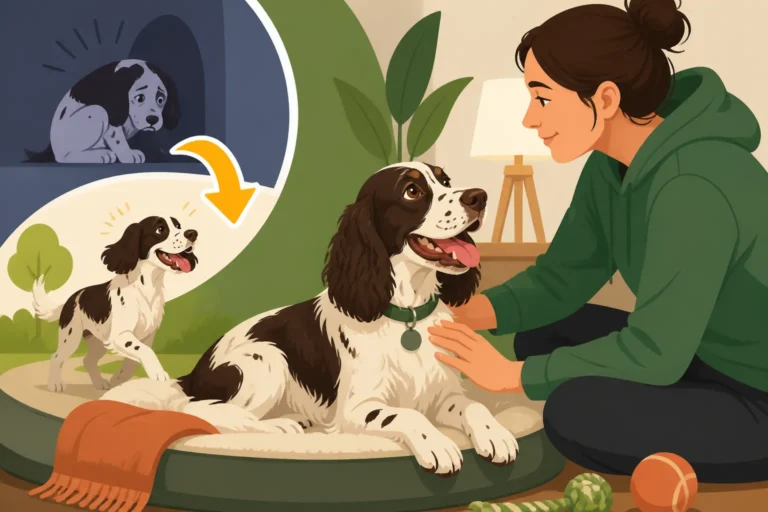
Providing a secure "safe space" can also do wonders. A comfortable crate (covered with a blanket to make it den-like) or a cozy bed in a quiet corner can be a retreat when things get too overwhelming. Never use the crate as punishment, as this will only create negative associations. You can find excellent crates and comfortable bedding on Amazon to create this sanctuary for your dog. A confident Springer Spaniel is a happier, more secure companion, and often, a drier one too.
Long-Term Management and Support
Living with a Springer Spaniel prone to submissive urination, whether it stems from deeply ingrained behavior or a medical condition, requires patience and a proactive approach. This isn't usually a quick fix, but with consistent effort and the right support, you can significantly improve your dog's quality of life and reduce incidents. Remember, you're their advocate, and sometimes that means making ongoing adjustments to their routine, environment, or even medical care.
For those situations where a medical cause has been diagnosed, adherence to the veterinary treatment plan is paramount. Whether it's a course of antibiotics for a UTI, daily medication for incontinence, or management for a chronic condition, consistency is key. Regular follow-up appointments with your vet will ensure the treatment is effective and that any side effects are managed. Keep track of your dog's urination patterns and overall well-being, as this information is invaluable to your vet.
If the issue is primarily behavioral, consistency in your training and management strategies is equally important. Everyone in the household needs to be on board with the low-key greetings, positive reinforcement, and confidence-building exercises. It takes time for new habits to form and for old anxieties to fade. Don't get discouraged by setbacks; they are a normal part of the process. Celebrate the small victories, like a dry greeting or a calm interaction with a new person. Your Springer Spaniel looks to you for guidance and security, and your calm, consistent leadership will make all the difference.
Environmental Adjustments
Making strategic changes to your home environment can significantly support a Springer Spaniel dealing with submissive urination, whether the root is behavioral or medical. The goal is to create a less stressful, more predictable, and easier-to-manage space for your dog.
First, consider areas where your dog frequently has accidents. If your Springer tends to pee during greetings right by the front door, you might want to consider putting down washable rugs or puppy pads from Amazon in that specific area as a temporary measure. This isn't about encouraging indoor urination, but rather about managing the mess while you work on the underlying issue. It can help reduce your stress about cleaning, which in turn can make you calmer, and your dog will pick up on that.
Ensure your dog always has easy access to an appropriate potty area outside. If they are an older dog or a puppy still mastering house-training, more frequent potty breaks can prevent accidents caused by a full bladder. A regular routine helps them learn when and where they are expected to relieve themselves. If you have guests over, consider giving your Springer a "safe space" to retreat to, such as their crate in a quiet room, especially if stranger greetings are a major trigger. This gives them control and reduces potential stress. Whether a Springer Spaniel Panics When Crated Alone is important to consider here to ensure their safe space is truly calming for them.
Finally, invest in good quality enzymatic cleaners. Regular household cleaners might remove the visible stain, but enzymatic cleaners break down the urine at a molecular level, eliminating the odor that can encourage repeat marking behavior. Having these on hand for quick clean-up can reduce your stress and help maintain a clean environment.
Continued Training and Support
Ongoing training and support are paramount for a Springer Spaniel struggling with submissive urination. This isn't a "train once and done" scenario; it requires consistent reinforcement and sometimes, expert guidance.
If your vet has ruled out medical causes, consider working with a certified professional dog trainer or a veterinary behaviorist. These experts can assess your dog's specific triggers and develop a tailored training plan that focuses on positive reinforcement and confidence building. They can also teach you advanced techniques for managing greetings, building focus, and helping your dog feel more secure in various situations. An experienced trainer can also help you understand subtle body language cues you might be missing, allowing you to intervene before your dog becomes overwhelmed. This kind of specialized help can be invaluable, especially for sensitive dogs.
Consider enrichment activities that build confidence and provide mental stimulation. Scent work, puzzle toys, or even simple tricks can boost your Springer's self-esteem and give them a positive outlet for their energy. A mentally tired dog is often a calmer dog. If your Springer needs a lot of exercise, ensure they get it in a way that doesn't increase their anxiety. For example, off-leash romps in a secure area might be better than crowded dog parks if they are nervous around other dogs. The Age a Springer Spaniel Finally Settles reminds us that some behaviors may improve with maturity, but consistent, positive training always helps.
Lastly, be patient and empathetic. Your Springer Spaniel isn't peeing to spite you. They are communicating a feeling, whether it's fear, anxiety, or overwhelming excitement. Your calm, understanding response, coupled with consistent positive training and environmental management, will be the most effective path forward in helping your beloved companion overcome this challenging behavior.
Disclaimer
This article is for general informational purposes only and does not constitute professional advice. Laws, prices and regulations vary by location and change over time. Consult a qualified professional for guidance on your specific situation.