Whether a Springer Spaniel Sulks After a Correction
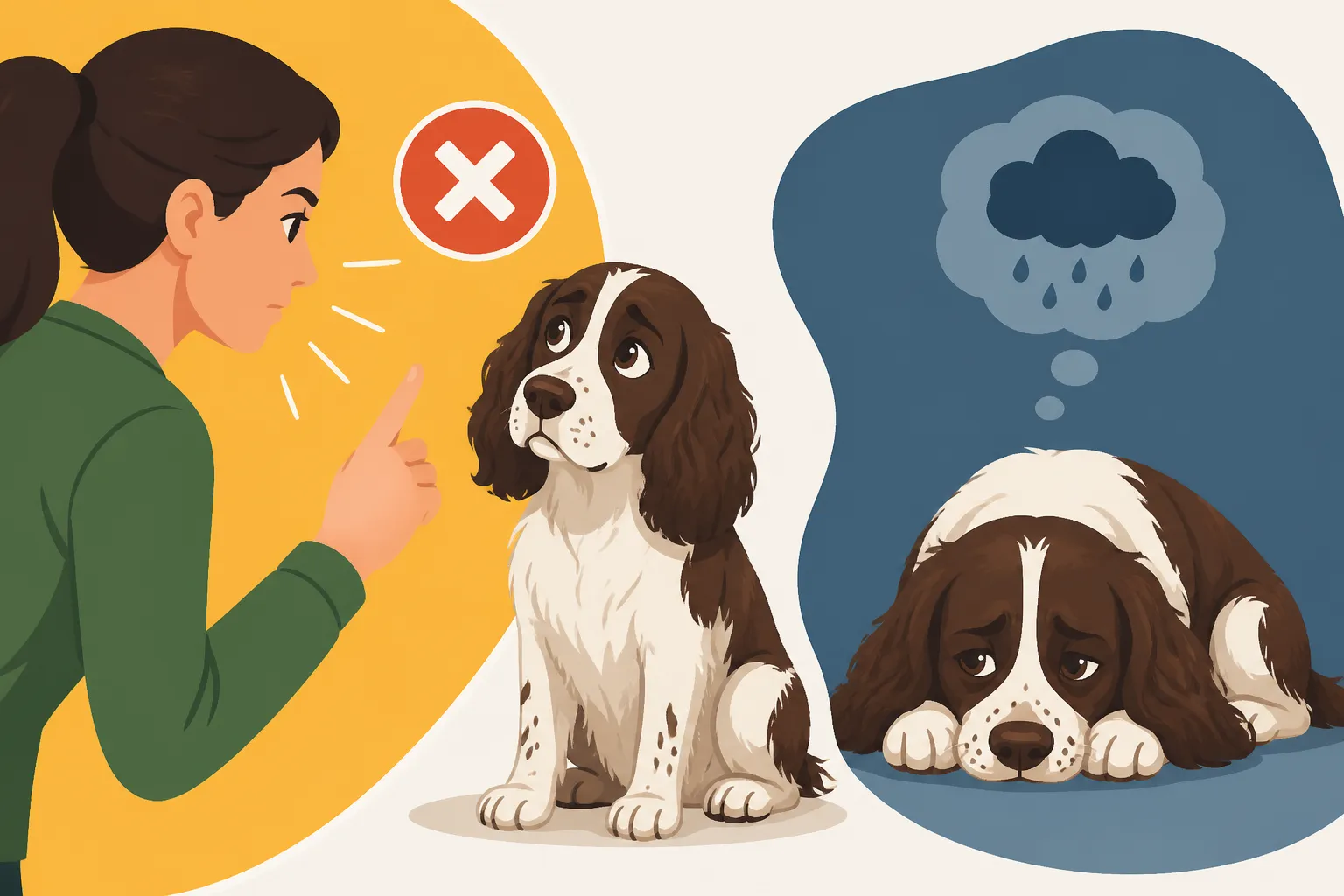
Oh, the classic "puppy dog eyes" after you've had to say "no" or correct a behavior! If you're a Springer Spaniel owner, you've probably witnessed that look of utter betrayal, leading you to wonder if your beloved companion is genuinely sulking. This guide will dive deep into why your Springer might react the way they do after a correction, helping you understand their sensitive nature and offering practical, empathetic ways to ensure your training efforts are effective without breaking their spirit.
Understanding the Springer Spaniel's Sensitive Soul
Springer Spaniels are renowned for their eagerness to please, their unwavering loyalty, and their deep connection with their human families. This wonderful trait, however, comes hand-in-hand with a sensitive disposition. They thrive on praise and positive interaction, and anything that disrupts that harmony can feel significant to them.
Their Innate Desire to Please
From the moment they're tiny pups, Springer Spaniels seem hardwired to make you happy. They watch you, they learn your routines, and they actively seek out your approval. This isn't just a cute quirk; it's a fundamental part of their breed heritage as working gundogs, designed to cooperate closely with their handlers. When they do something "wrong" and receive a correction, it can clash with this deep-seated desire.
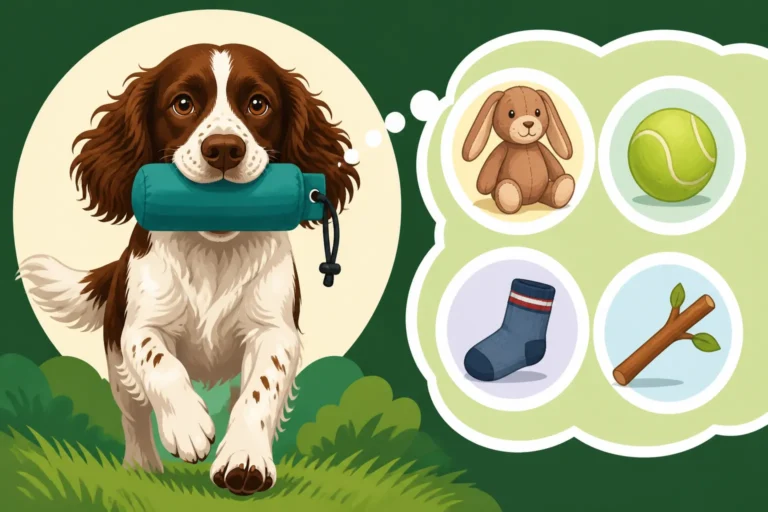
Imagine a scenario: your Springer, let's call him Buddy, has just helped himself to a sock from the laundry pile – a perfectly natural, albeit undesirable, dog behavior. You catch him, gently but firmly say "leave it," and take the sock away. Buddy might immediately drop his ears, lower his head, and retreat to his bed, casting mournful glances your way. He’s not being manipulative; he’s processing a perceived failure to please you. For a dog that lives for your smile, a moment of disapproval can feel like a really big deal. This sensitive response is part of what makes them such a joy to train with positive methods, as they pick up quickly on what earns them praise.
The "Soft" Nature of the Breed
In dog training circles, "soft" doesn't mean weak or cowardly; it refers to a dog's sensitivity to correction and pressure. Springer Spaniels are often described as a "soft" breed. This means they generally respond best to gentle guidance and positive reinforcement, rather than harsh words or physical reprimands. A loud voice or a sharp tug on the leash that might barely register with a more robust breed could cause a Springer to shut down completely.
Consider Luna, a lively Springer puppy learning her recall. If her owner yells "Luna, COME!" in a frustrated tone when she's sniffing something fascinating, Luna might actually freeze or even run further away. Her immediate reaction isn't defiance; it's often fear or confusion. She associates the loud voice with something unpleasant and, rather than complying, tries to avoid the source of discomfort. Over time, repeated harshness can erode her confidence and make her hesitant to engage in training at all. This is why understanding The Soft Springer Spaniel That Shuts Down If You Shout is so crucial for effective training.
Impact of Harsh Corrections
The temptation to shout or be overly stern can be strong when your Springer is being particularly mischievous or stubborn. However, harsh corrections often have the opposite effect of what you intend. Instead of learning what not to do, a sensitive Springer might learn to fear you, become anxious, or simply avoid performing certain behaviors when you're around.
For example, if you consistently scold your Springer, Max, every time he jumps on guests, he might stop jumping when you're watching. But the moment you turn your back, or if guests arrive without you present, the behavior might resurface because he hasn't learned why jumping is inappropriate, only that you dislike it. Worse, he might start to associate your presence with negativity, creating a rift in your bond. This kind of interaction can even lead to other behavioral issues, as fear-based training rarely addresses the root cause of a problem and can sometimes create new ones.
Why 'Sulking' Isn't Always What It Seems
What we perceive as "sulking" in our Springer Spaniels is often a complex display of canine communication, ranging from stress to confusion, rather than genuine resentment or a calculated attempt to make you feel guilty.
Stress and Shut Down
When a Springer Spaniel appears to "sulk" after a correction, they might actually be experiencing stress or shutting down. A correction, especially if it's perceived as strong or confusing, can overwhelm their sensitive nature. This isn't them being dramatic; it's a physiological response. Their body language might include lowered head, averted eyes, a tucked tail, refusal to make eye contact, or a general withdrawal.
Think about a time you felt unfairly criticized or confused by instructions at work. You might have felt a knot in your stomach, your shoulders tensed, and you probably weren't eager to engage further in that task. Dogs experience similar internal states. For your Springer, a correction might trigger a stress response, making them less capable of learning in that moment. They need time to decompress and understand. This is why it’s so important to understand Why Shouting Sets a Springer Spaniel Back and to instead create an environment where they feel safe to learn.
Disengagement vs. Resentment
It's tempting to think your dog is "mad" at you, but dogs don't generally hold grudges or feel resentment in the human sense. What looks like sulking is more likely disengagement. If a Springer Spaniel is confused by a correction or finds it too aversive, they might disengage from the interaction to protect themselves. They learn that engaging in that particular activity or with you in that specific way leads to discomfort, so they stop trying.
Consider a dog named Pip who is learning to walk nicely on a leash. If every time Pip pulls, she gets a harsh jerk on the collar and a sharp "NO!", she might eventually stop pulling, but she might also stop looking at you, stop sniffing with enthusiasm, and simply trudge along. She's not enjoying the walk, and she's not actively participating in the learning process. She's disengaged to avoid the negative consequences. The goal should be to encourage engagement and cooperation, not just compliance driven by avoidance.
Body Language Clues
Learning to read your Springer Spaniel's body language is key to deciphering what's really going on beneath that "sulky" facade. While a lowered head or tucked tail can indicate submission or mild stress, other cues can tell you more. Are their ears pinned back? Are they lip-licking, yawning, or showing the whites of their eyes (whale eye)? These are all signs of stress or anxiety.
A truly "sulking" dog, by human definition, might be trying to elicit a specific response from you, like guilt or attention. Dogs, however, are more concerned with immediate consequences and their emotional state. If your Springer retreats after a correction, observe their entire demeanor. Are they actively avoiding you, or are they simply giving themselves space to process? Often, a short period of withdrawal is followed by a tentative approach, seeking reassurance that all is well. This shows they're not holding a grudge, but rather seeking to re-establish the positive bond.
Effective and Gentle Correction Techniques
Because of their sensitive nature, effective training for Springer Spaniels relies heavily on communication, consistency, and positive reinforcement. Corrections should be minimal, clear, and delivered in a way that doesn't damage their trust or cause them to shut down.
Positive Reinforcement as the Foundation
The bedrock of successful Springer Spaniel training is positive reinforcement. This means rewarding desired behaviors immediately and enthusiastically. When your Springer does something right – sits when asked, comes when called, or walks nicely on a leash – make a big deal about it! Offer high-value treats, joyful praise, or a quick game of fetch. This makes learning fun and builds a strong, positive association with you and the training process.
Instead of focusing on "correcting" unwanted behaviors, try to redirect and reinforce the desired alternative. If your Springer is jumping on guests, teach them to sit for greetings and reward the sit heavily. If they mouth your hands, redirect them to a chew toy and praise them for chewing on it. This approach teaches them what to do rather than just what not to do, which is far more empowering and less confusing for a sensitive dog. Many online platforms like BAXTER & Bella offer excellent positive reinforcement training programs that are specifically designed to build a strong bond and positive habits.
Timing and Clarity
When a correction is necessary, its effectiveness hinges on perfect timing and absolute clarity. A correction should happen the instant the unwanted behavior occurs, or even better, before it fully manifests. If you wait too long, your Springer won't associate the correction with the specific action, leading to confusion and potential stress.
For instance, if your Springer is about to chew on a forbidden object, a sharp, distinct "ah-ah!" or "leave it!" as they open their mouth is far more effective than a scolding minutes later when the item is already destroyed. Follow this immediate interrupter with redirection to an appropriate toy and praise when they take it. Your tone should be firm but not angry or loud. The goal is to interrupt, redirect, and reinforce, not to punish. Remember, How Fast a Springer Spaniel Learns is directly tied to how clear and consistent your communication is.
Redirection and Management
Rather than constantly correcting, often the most effective strategy is redirection and management. Management means arranging your environment to prevent your Springer from practicing unwanted behaviors. If your Springer chews shoes, put the shoes away. If they counter-surf, keep counters clear. This simple act reduces opportunities for them to get into trouble, thus reducing the need for corrections.
Redirection involves guiding your Springer towards an appropriate activity when they're about to do something you don't like. If your puppy is nipping your ankles, immediately offer them a suitable chew toy. If they're digging in the flower bed, get their attention and lead them to a designated digging area or start a game of fetch. This teaches them acceptable outlets for their natural behaviors. Products like long-lasting chew toys or interactive puzzle feeders, readily available on Amazon, can be fantastic management tools to keep your Springer constructively occupied.
| Perceived "Sulking" Behavior | Possible Underlying Reason | Empathetic Response/Solution |
|---|---|---|
| Lowered head, averted eyes | Stress, confusion, submission | Reassure with soft voice, offer a calm touch, then redirect to a positive activity. |
| Retreating to bed/another room | Overwhelm, seeking space, avoiding further perceived negativity | Give space, don't follow immediately. Allow them to approach you when ready. |
| Refusing to engage/listen | Disengagement from perceived punishment, feeling shut down | Re-evaluate correction method. Re-engage with high-value rewards for simple known commands. |
| "Sad" expression, sighing | Processing, potential mild anxiety about displeasing you | Avoid pitying; this can reinforce the behavior. Instead, offer a clear, calm command and reward compliance. |
| Hesitation or slowness to obey | Lack of clarity, fear of making another mistake | Simplify commands, use clearer hand signals, boost confidence with easy "wins" and praise. |
Rebuilding Trust and Moving Forward
A strong bond built on trust is paramount for a happy Springer Spaniel and a harmonious household. If you feel like your corrections have caused a rift or your Springer is frequently "sulking," it's never too late to adjust your approach and strengthen your relationship.
Consistency is Key
Dogs thrive on routine and predictability. If your rules and responses are inconsistent, your Springer Spaniel will become confused, which can lead to anxiety and behaviors that look like "sulking." For example, if jumping on guests is sometimes allowed and sometimes harshly punished, your Springer won't understand what's expected. They'll be constantly guessing, which is stressful.
Establish clear rules and ensure everyone in the household follows them consistently. If "off" the furniture is the rule, it must always be the rule. If "sit" before getting a treat is the expectation, it needs to happen every time. Consistent boundaries provide security and clarity for your Springer, reducing the likelihood of them feeling confused or stressed by your reactions. Remember, your Springer will generally recover quickly from any perceived slight if your overall relationship is strong and positive, as explored in Whether a Springer Spaniel Recovers From Rough Handling.
Repairing a Setback
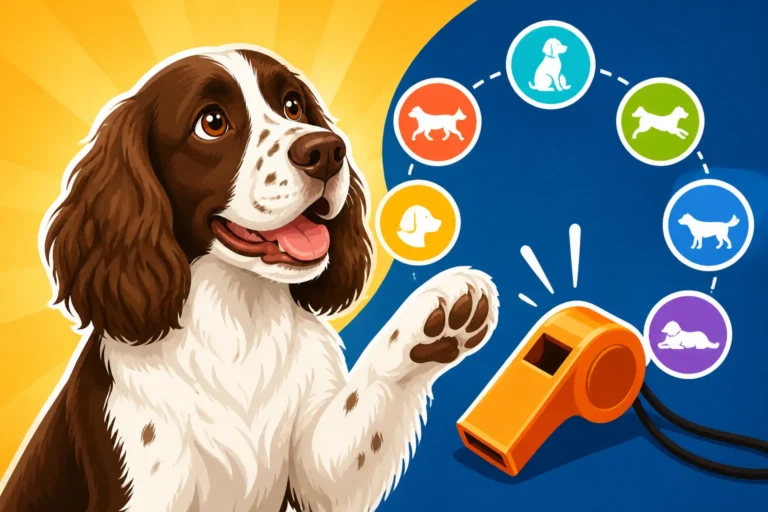
If you've had a moment of frustration and feel you've been too harsh with your Springer, or if they've clearly shut down, take steps to repair the bond. First, take a deep breath yourself. Then, calmly approach your Springer, offering a soothing tone and gentle touch. Engage them in a simple, fun activity they love – a quick game of tug, a short retrieve with their favorite toy, or practicing a command they know perfectly, like "sit" or "paw."
The goal is to end the interaction on a positive note. Shower them with praise and affection for the desired action. This helps them reset and reconnect with you in a positive way. It teaches them that even if there was a brief moment of displeasure, your overall relationship is loving and supportive. Consistent positive experiences will quickly overshadow any minor setbacks.
When to Seek Professional Help
Sometimes, despite your best efforts, you might feel stuck. Perhaps your Springer Spaniel's "sulking" seems more like genuine anxiety, or their unwanted behaviors are escalating, or you just can't seem to make headway with a particular training challenge. This is when seeking professional help is a wise and proactive step.
A certified professional dog trainer or a veterinary behaviorist can observe your Springer's behavior, assess your training methods, and provide tailored guidance. They can help you identify underlying causes of behavioral issues, create a positive training plan, and teach you how to communicate more effectively with your sensitive Springer. Finding a trainer who specializes in positive, force-free methods is crucial for this breed. They can help you build confidence in both yourself and your dog, making the training journey a rewarding one for you both. Don't hesitate to consider if Whether a Springer Spaniel Needs a Gundog Trainer or a general obedience trainer is right for your specific situation.
Disclaimer
This article is for general informational purposes only and does not constitute professional advice. Laws, prices and regulations vary by location and change over time. Consult a qualified professional for guidance on your specific situation.