Whether a Springer Spaniel Makes a Therapy Dog
Many Springer Spaniel owners wonder if their incredibly affectionate and energetic companion could bring comfort to others as a therapy dog. It's a lovely thought, given how much joy these dogs bring into our lives, but the path to becoming a certified therapy dog is more nuanced than simply having a sweet disposition. This guide will delve into what truly makes a great therapy dog and evaluate how the unique traits of a Springer Spaniel measure up to those important requirements, offering realistic insights into their potential for this special role.
What Makes a Great Therapy Dog?
When we think of therapy dogs, we often picture a calm, gentle soul patiently receiving pets. While that image is certainly part of it, the reality is that a truly effective therapy dog needs a robust set of traits and training that goes far beyond basic good manners. It's about resilience, adaptability, and an inherent desire to connect with people, even in unfamiliar or challenging environments.
Temperament Traits
At the heart of any great therapy dog is an unwavering, bomb-proof temperament. This isn't just about being friendly; it's about being consistently stable, predictable, and tolerant. A therapy dog will encounter people of all ages, abilities, and emotional states. They might meet someone in a wheelchair, a child who is overly exuberant, or an elderly person with unsteady hands. The dog needs to remain calm and accepting through all of these interactions. They should actively seek out interaction, but in a gentle, appropriate way. Loud noises, sudden movements, or strange smells should not faze them. They should be able to recover quickly from any minor startling events, rather than becoming fearful or agitated. Think of a dog that can lie quietly at your feet during a busy family gathering, unfazed by dropped food or excited chatter, and still offer a comforting nudge when needed. That's the kind of steady temperament we're looking for.
Obedience and Manners
Beyond a fantastic temperament, solid obedience is non-negotiable for a therapy dog. We're not talking about fancy tricks, but rather a rock-solid foundation of basic commands that can be performed reliably in any setting, under distractions. A therapy dog must be able to "sit," "stay," "down," and "come" instantly, every single time. They need to walk politely on a loose leash, without pulling, lunging, or reacting to other dogs or people. "Leave it" is crucial for ignoring dropped medications, food, or tempting objects on the floor in hospitals or nursing homes. They must also have impeccable house manners, which means no jumping on people, no mouthing, and no uncontrolled barking. Imagine visiting a patient in a small hospital room; you need your dog to settle quietly beside the bed, not investigate medical equipment or try to jump onto the patient. Organizations like BAXTER & Bella offer comprehensive online training programs that can help lay this essential foundation, teaching you how to build these reliable behaviors step-by-step.
Handling Stressful Situations
Therapy work isn't always peaceful cuddles. It can involve busy, noisy environments, strange equipment, strong smells (like antiseptics or different foods), and people who may react in unexpected ways. A therapy dog must be resilient and adaptable. They need to be comfortable with being touched awkwardly, perhaps by someone with limited motor skills, or by multiple people at once. They might be in a place where people are crying, laughing loudly, or making sudden movements. Dogs that become easily stressed, anxious, or overstimulated in new situations are not suitable. It requires a dog that can take all of this in stride, process it, and still maintain its calm, affectionate demeanor. It's about being robust enough to offer comfort without absorbing the stress of the environment themselves.
The Springer Spaniel Temperament: A Deep Dive into Suitability
Now, let's turn our attention to our beloved Springer Spaniels. They possess many wonderful qualities, but also some inherent traits that require careful consideration when it comes to therapy work.
Affectionate and People-Oriented Nature
One of the Springer Spaniel's most endearing qualities is their boundless affection and intense desire to be with their people. They truly are "velcro dogs," often following you from room to room, eager to be involved in whatever you're doing. This strong bond and inherent people-pleasing drive are fantastic assets for a therapy dog. A Springer will naturally gravitate towards human interaction, often offering a soft nudge or a warm lean. They thrive on positive reinforcement and genuinely enjoy making their humans happy, which translates well into wanting to make others feel good too. This loving disposition means they're usually quick to offer comfort and connection, which is precisely what therapy recipients often need. They usually love attention and are very receptive to petting and gentle interaction from strangers, often melting into a pile of happy wiggles when receiving affection. This natural inclination towards human connection is a huge plus.
High Energy and Enthusiasm
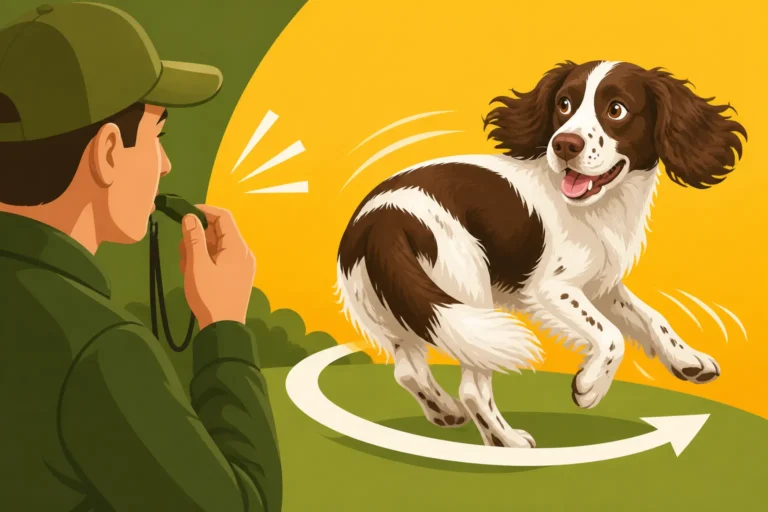
Here's where the Springer Spaniel's DNA can present a significant hurdle. These dogs were bred to work tirelessly in the field, springing game for hunters all day long. They have an immense amount of energy and an inherent enthusiasm for life that can be overwhelming in a quiet therapy setting. While a well-exercised Springer can certainly settle down, their default mode is often one of eager readiness, a busy mind, and a constantly wagging tail that can knock over a cup of water or a small child.
Imagine taking a Springer Spaniel, even a well-trained one, into a quiet hospital room. Will they be able to lie calmly for an extended period, or will their eyes constantly scan for action, their tail thumping a rhythm on the floor, ready to spring up at a moment's notice? While a certain amount of joyful enthusiasm is good, excessive energy can be distracting or even intimidating for vulnerable individuals. The key here is exceptional off-switch training and sufficient prior exercise, which can be a daily commitment. This breed often needs a good run or a stimulating Whether a Springer Spaniel Needs a Job before they are truly ready to be calm.
Sensitivity and Softness
Springer Spaniels are generally known for being quite sensitive dogs. They respond best to positive reinforcement and can shut down if handled harshly. The Soft Springer Spaniel That Shuts Down If You Shout describes this perfectly. This sensitivity, while making them incredibly trainable and eager to please, also means they can be more susceptible to stress in certain environments. In a therapy setting, where unexpected noises or reactions from people might occur, a highly sensitive dog could become anxious or overwhelmed.
While their gentle nature means they are typically very careful with children and fragile individuals, this sensitivity needs to be balanced with resilience. A therapy dog needs to be able to shrug off a clumsy pat or a loud cough without internalizing it as a threat or a reason to retreat. It's a fine line between being gentle and being too fragile for the emotional demands of the work.
Training and Socialization for a Therapy Springer Spaniel
If you believe your Springer Spaniel has the foundational temperament for therapy work, the next step is a dedicated commitment to advanced training and extensive socialization. This is where you transform a good dog into a reliable, confident therapy partner.
Foundation Obedience and Public Access
Before even considering therapy certification, your Springer needs to be a master of basic obedience. This goes beyond commands learned in your living room; it means performing them flawlessly in novel environments with distractions. Enroll in advanced obedience classes, potentially even competitive obedience or rally classes, to hone these skills. A structured online program, such as those found on Amazon, might offer clickers, training pouches, and long lines to help reinforce positive behavior.
Additionally, your dog must be comfortable and well-behaved in public spaces. This means trips to pet-friendly stores, parks, and busy urban areas. They need to learn to ignore other dogs, children, strange smells, and loud noises. This "public access" training ensures they can navigate different environments without becoming distracted or reactive. A therapy dog shouldn't be pulling on the leash, sniffing every corner, or barking at passing strangers. They need to be focused on you and their mission. Consider earning a Canine Good Citizen (CGC) title, as it's often a prerequisite for therapy dog organizations and demonstrates a solid foundation of manners. Whether a Springer Spaniel Passes the Canine Good Citizen Test is a great resource on this.
Exposure to Diverse Environments and Stimuli
Therapy dogs encounter a vast array of situations. They might visit nursing homes with walkers and wheelchairs, schools with excited children, or hospitals with strange equipment and medical scents. Your Springer Spaniel needs to be exposed to as many of these scenarios as possible in a controlled, positive way.
- Sounds: Play recordings of alarms, crying babies, loud talking, or sudden bangs at a low volume and gradually increase it, always pairing it with treats and praise.
- Sights: Expose them to people in uniforms, hats, wheelchairs, or using crutches. Arrange controlled introductions to these items and individuals.
- Textures and Surfaces: Walk them on different flooring – tile, carpet, linoleum, grates – and up and down ramps or stairs.
- Different Touches: Gently practice handling their paws, ears, tail, and muzzle, and have trusted friends practice petting them in various ways, simulating accidental clumsy touches they might receive.
This comprehensive desensitization and socialization will build their confidence and ensure they are unfazed by the unpredictable nature of therapy visits.
Ongoing Practice and Assessment
Becoming a therapy dog isn't a "one and done" process; it requires ongoing commitment. Even after certification, you'll need to regularly practice your dog's obedience skills and keep them exposed to new situations to maintain their composure and confidence. Therapy organizations often require annual re-evaluations to ensure the dog still meets the required standards.
It's also important to be honest with yourself about your dog's comfort level. Not every dog, regardless of breed or training, enjoys therapy work. Watch for signs of stress: lip-licking, yawning, turning away, tucked tail, or excessive panting. If your Springer Spaniel isn't enjoying the work, it's not fair to them to continue. Their well-being must always come first. Some Springer Spaniels find their calling in other activities like Whether a Springer Spaniel Can Do Agility or Whether a Springer Spaniel Competes in Obedience, which might suit their energy better.
Realities of Therapy Work: It's Not Just Cuddles
While the idea of a therapy dog conjures images of heartwarming connections, the reality of therapy work involves significant emotional demands on the dog and a substantial time commitment from the handler. It's truly a calling for both ends of the leash.
Emotional Demands on the Dog
Being a therapy dog means consistently giving emotional support, often to people in distress. Dogs, being empathetic creatures, can pick up on human emotions. This means a therapy dog might spend hours in an environment filled with anxiety, sadness, or pain. While they offer comfort, they also absorb some of that emotional weight. It's crucial that your Springer Spaniel has a strong "off switch" and the ability to decompress after a visit. They need to be able to leave the stress of the environment behind and return to their normal, happy selves. Without this ability, therapy work can take a toll on a dog's mental and emotional well-being, potentially leading to burnout or behavioral changes. Regular breaks, fun activities, and plenty of "just being a dog" time are essential for their emotional health.
Commitment for the Handler
Becoming a therapy dog team is a commitment for the human handler just as much as it is for the dog. You'll need to dedicate time to continuous training, scheduling visits, traveling to facilities, and managing your dog during interactions. You are your dog's advocate, protecting them from over-handling and ensuring their comfort. This means being able to politely intervene if someone is touching your dog inappropriately or if your dog needs a break. There's also paperwork, coordination with facilities, and sometimes specialized equipment, like a vest or a specific type of leash, often available on Amazon, to identify your dog as a working therapy animal. It's not just showing up; it's being prepared, professional, and attentive to both your dog and the people you are visiting.
Finding the Right Program
If you've assessed your Springer Spaniel and feel they have what it takes, the next step is to find a reputable therapy dog organization. These organizations provide training, conduct rigorous evaluations, and often facilitate placements with hospitals, schools, or nursing homes. Each organization will have specific requirements regarding temperament, obedience skills, health clearances, and minimum age. They will often require proof of a Canine Good Citizen certification or an equivalent.
Do your research and choose an organization that aligns with your values and your dog's personality. They will guide you through the certification process and ensure that both you and your Springer Spaniel are well-prepared for the rewarding, yet demanding, world of therapy work. Remember, while a Springer Spaniel's affectionate nature is a huge plus, their energy and sensitivity need to be meticulously managed through dedicated training and careful observation.
Here's a quick comparison of Springer Spaniel traits against ideal therapy dog traits:
| Trait | Ideal Therapy Dog | Springer Spaniel Tendency | Suitability for Therapy Work |
|---|---|---|---|
| Affection | High, seeks out interaction | Very High, loves people | Excellent |
| Energy Level | Calm, settles easily | High, enthusiastic, active | Moderate (needs careful management) |
| Obedience | Flawless, reliable in distractions | High intelligence, eager to please | Excellent (with consistent training) |
| Tolerance | Unflappable, accepts all handling | Generally good, but can be sensitive | Good (needs extensive socialization) |
| Recovery from Startle | Quick, returns to calm | Generally good, but sensitivity varies | Good |
| Vocal Tendencies | Quiet, rarely barks | Can be vocal (excitement/alert) | Moderate (needs training for quiet behavior) |
| Adaptability | Thrives in novel environments | Curious, generally adaptable | Good |
| Decompression | Able to switch off and relax | Needs physical/mental outlet to decompress | Moderate (crucial for well-being) |
Ultimately, a Springer Spaniel can make a wonderful therapy dog, but it truly depends on the individual dog's specific temperament and the immense dedication of their handler. It requires more than just a wagging tail; it demands a calm, resilient, and impeccably trained companion who genuinely enjoys bringing comfort to others. The First Year With a Springer Spaniel Puppy is an important time to start laying the groundwork for any future goals, including therapy work.
Disclaimer
This article is for general informational purposes only and does not constitute professional advice. Laws, prices and regulations vary by location and change over time. Consult a qualified professional for guidance on your specific situation.