Why a Springer Spaniel Cannot Bear to Be in Another Room
It can be truly endearing, and frankly, sometimes a little overwhelming, when your Springer Spaniel absolutely insists on being your shadow. Many owners find themselves navigating life with a furry companion who simply cannot bear to be in another room, following them from the kitchen to the bathroom, then back to the living room, sometimes even just to watch them fold laundry. This deeply ingrained behavior, while often a testament to their loving nature, can also hint at underlying needs or anxieties that, if left unaddressed, can become a significant challenge for both you and your beloved dog. This guide will delve into why your Springer Spaniel might be exhibiting this "Velcro dog" tendency, how to differentiate between normal devotion and genuine separation distress, and practical strategies to foster a sense of security and independence in your ever-present companion.
Understanding the Springer Spaniel's Innate Clinginess
There's a reason so many Springer Spaniel owners affectionately call their dogs "Velcro dogs." It's not just a cute nickname; it’s a deeply accurate descriptor of a breed that feels a profound need to be physically close to their people. This isn't a flaw in their character; it's a testament to centuries of selective breeding and their inherent desire for connection.
The 'Velcro Dog' Tendency: A Historical Perspective
When you feel like you can't even get up for a glass of water without your Springer Spaniel lifting their head, giving you those soulful eyes, and then promptly following you, know you're not alone. This constant companionship is rooted deeply in the breed's history. Springer Spaniels were developed not as independent hunters who would range far and wide, but as close-working gundogs whose primary role was to "spring" game from dense cover directly for the hunter. This meant they needed to be highly attuned to their human partner, constantly checking in, responding to subtle cues, and remaining within a relatively short distance.
Imagine a chilly, damp day out in the fields, the rustle of pheasants in the undergrowth. The hunter relies entirely on their Springer to work meticulously, quartering the ground, pushing birds forward, and then retrieving them directly to hand. This requires an incredibly strong bond, an innate desire to please, and an almost constant awareness of their handler's presence and intentions. They weren't just working alongside you; they were working with you, in a shared endeavor that demanded mutual trust and constant communication. This deep-seated drive for partnership has translated into a profound need for proximity in their daily lives as beloved family pets.
So, when your Springer Spaniel is under your feet as you prepare dinner, or settles with a sigh by your chair while you read, they're not just being nosy. They're fulfilling an ancient, hardwired instinct to be part of your world, observing, anticipating, and feeling secure in their connection to you. It's their way of saying, "I'm here for you, partner."
A Breed Designed for Partnership
Beyond their historical role, Springer Spaniels simply thrive on being involved. They are intelligent, eager to please, and have a remarkable capacity for learning. This combination means they actively seek opportunities to participate in whatever you're doing. If you're gardening, they want to "help" by digging (perhaps not always in the right spots!). If you're on the computer, they want to be close enough to feel your presence, occasionally nudging your hand for a quick scratch behind the ears.
This desire to be a partner means they are often happiest when they feel they have a "job," even if that job is simply being your devoted companion. They find immense satisfaction in observing your routine, learning your habits, and even predicting your next move. For a Springer, being near you isn't just about comfort; it's about engagement. They are active participants in the household, and being relegated to another room can feel like being excluded from the most important activity of all – spending time with their human. This inherent drive makes them incredibly loyal, but also means they can struggle when that desired proximity is suddenly taken away.
The Field vs. Show Line Nuance
It's worth noting that while both lines of English Springer Spaniels share this fundamental desire for companionship, there can be subtle differences in how it manifests. Field-bred Springer Spaniels, often bred for intense working drive and stamina, tend to have higher energy levels and a more pronounced need for mental and physical stimulation. If these needs aren't adequately met, their natural clinginess can sometimes intensify, as they seek an outlet for their energy and desire to engage. A bored field-bred Springer might be more insistent on following you, constantly nudging for attention, or even resorting to mischievous antics to get a reaction. How Much Exercise a Field Bred Springer Spaniel Needs will give you more insight into their requirements.
On the other hand, show-bred Springer Spaniels, while still active and devoted, may sometimes exhibit a slightly mellower temperament due to their breeding focus. However, even these dogs retain that core "Velcro" characteristic. They are still highly affectionate and deeply attached to their families, preferring to be in the same room, perhaps curled up on a dog bed rather than constantly pacing behind you. Regardless of their lineage, the underlying truth is that a Springer Spaniel is, at heart, a dog that wants to be wherever you are, soaking up your presence and feeling like an integral part of your life. And sometimes, Why a Springer Spaniel Follows You Everywhere can feel a bit intense.
Distinguishing Between Clinginess and Separation Anxiety
It’s crucial for any Springer Spaniel owner to understand the difference between a dog that genuinely loves to be near you and one that experiences true distress when left alone. While both might result in your dog following you from room to room, the emotional drivers are vastly different, and so are the solutions.
Normal Clinginess: Devotion vs. Distress
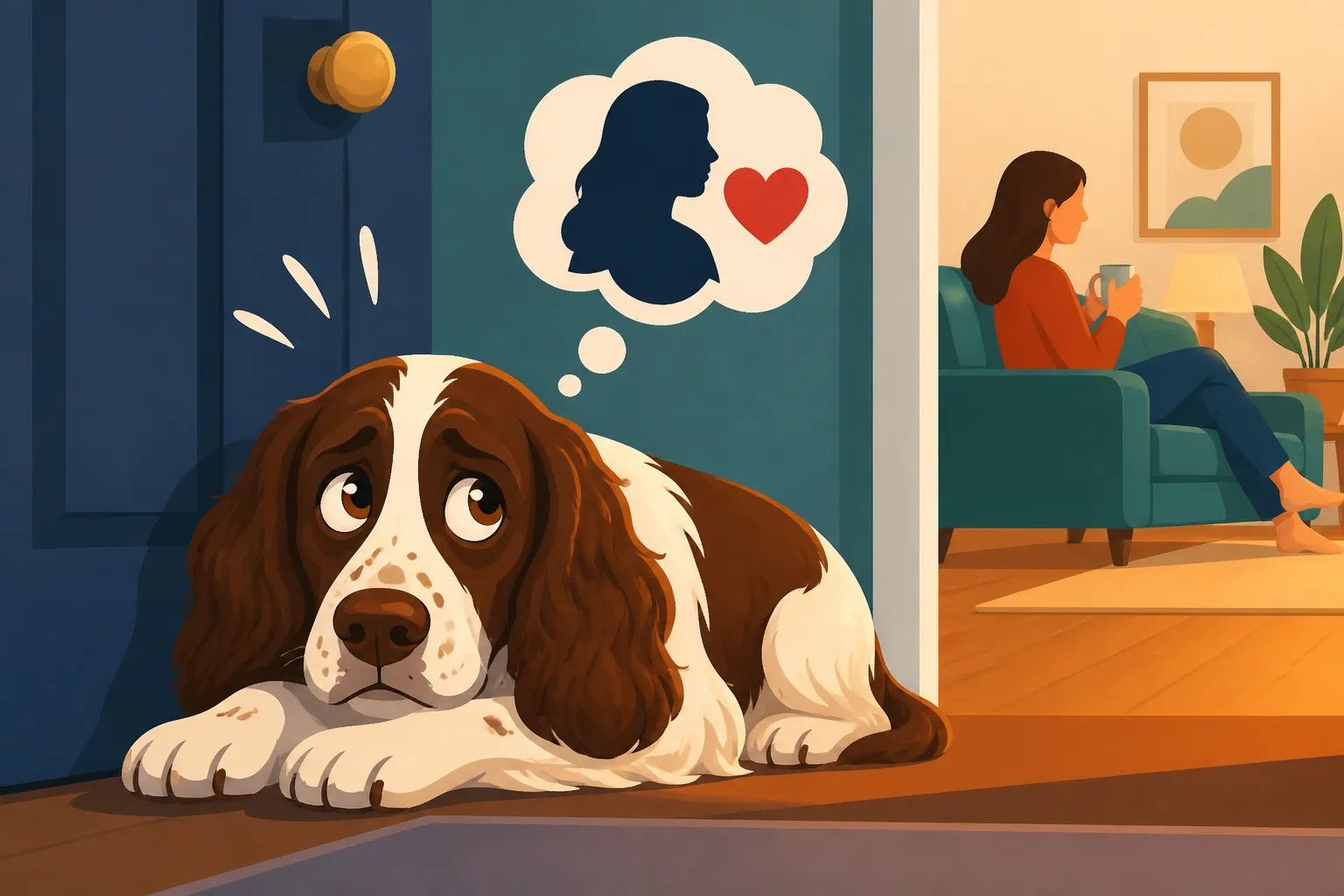
A naturally clingy Springer Spaniel is a joy to behold. They are happy to be in the same room, often settling contentedly at your feet, on their bed, or even just in a doorway where they can keep an eye on you. When you move to another room, they might casually get up and follow, settling again once you do. This is devotion. They enjoy your presence, but they aren't panicking at the thought of you disappearing.
In a scenario of normal clinginess, if you step out of sight briefly—say, to grab something from the garage or another part of the house—your dog might wait by the door, maybe give a soft whine, but they won't engage in frantic behavior. When you return, they'll greet you happily, perhaps with a wagging tail and a happy bark, but not with an over-the-top, desperate relief. This indicates a secure attachment where they trust you'll come back. They’re happy to see you, but the brief absence wasn't a traumatic event.
The key here is that a truly devoted Springer Spaniel can settle and relax even when you’re not directly interacting with them. They might be napping in the same room, chewing on a toy, or simply observing. Their need for proximity comes from a place of contentment and connection, not anxiety. They feel secure in your bond and aren't constantly worried about being abandoned. This type of bond is what makes them such wonderful companions for active families.
Red Flags: When It Becomes Separation Anxiety
True separation anxiety in a Springer Spaniel is a genuine panic disorder, and it's far more intense than simple clinginess. When a dog suffers from separation anxiety, being left alone (or even just anticipating being left alone) triggers a profound flight-or-fight response. This isn't about being naughty or spiteful; it's pure, unadulterated fear and distress. The symptoms typically begin before you even leave, as they pick up on your pre-departure cues like grabbing keys or putting on shoes.
Common red flags for separation anxiety include destructive chewing, particularly on doorways, windows, or furniture that smells strongly of you, or on items that represent your departure (like shoes or remote controls). You might come home to house soiling even if your dog is otherwise perfectly house-trained, which occurs solely when they've been left alone. Excessive barking, howling, or whining that persists throughout your absence is another clear indicator, often picked up by neighbors or verified by a home camera.
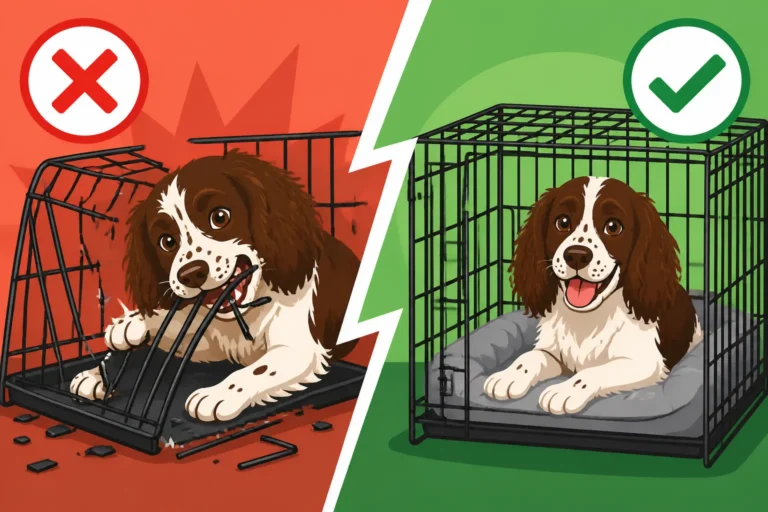
Beyond destructive behavior and vocalizations, you might observe pacing, excessive drooling, or frantic panting, even when the temperature is cool. Some dogs will make desperate attempts to escape, potentially injuring themselves trying to get out of crates, breaking through windows, or scratching at doors. This isn't just a dog missing you; it's a dog experiencing profound psychological distress that can be heartbreaking to witness and extremely challenging to manage. Separation Anxiety in a Springer Spaniel goes into much more detail on this topic.
The Impact on Your Home and Your Dog
Living with a Springer Spaniel experiencing separation anxiety takes a heavy toll on everyone involved. For you, the owner, it can mean coming home to damaged property, constant worry about your dog's well-being, and even feelings of guilt or frustration. You might find yourself dreading departures, unable to run errands, or feeling trapped in your home due to the anticipated chaos your dog will unleash. This can severely restrict your lifestyle and impact your own mental well-being.
For your Springer Spaniel, the impact is far more profound. They are not merely misbehaving; they are suffering immensely. Every time you leave, they experience a full-blown panic attack, often lasting the entire duration of your absence. This constant state of extreme stress can lead to physical issues, changes in appetite, and a general decline in their quality of life. The dog is not choosing to destroy your couch out of spite; they are lashing out in a desperate attempt to cope with an overwhelming flood of fear hormones. It’s a vicious cycle that creates deeper anxiety, further reinforcing their distress with each departure. Recognizing this distinction is the first, most critical step toward finding effective solutions and restoring peace to your home and your dog's mind.
Strategies for Managing Your Springer Spaniel's Need for Proximity
Once you understand whether your Springer Spaniel is merely devoted or truly suffering from anxiety, you can implement targeted strategies. The goal isn't to make your Springer Spaniel stop loving you, but to help them feel secure and content, whether you're in the same room or not.
Building Independence, Step by Painful Step
Teaching your Springer Spaniel to be okay with you being in another room starts with very small, almost imperceptible steps. The key here is gradual desensitization and positive reinforcement. Begin by teaching a strong "settle" or "stay" command in the same room as you. Reward heavily for calm behavior, even if it's just a few seconds of quiet relaxation. You can use a designated mat or bed for this, making it their special "chill out" spot.
Once they can settle calmly near you, start moving slightly out of sight for mere seconds. For instance, walk around a corner, wait for a count of one or two, then immediately return and reward their calm demeanor. Don't make a big fuss about leaving or returning. The idea is to normalize your absence. Gradually increase the duration – three seconds, five seconds, ten seconds – building up slowly. If your dog shows signs of distress, you've gone too far, too fast; backtrack to where they were successful. This slow, steady progress helps them understand that your absence is temporary and not a cause for panic. Consider investing in an online training program like BAXTER & Bella, which offers structured lessons that can guide you through these initial steps in building independence.
Another helpful technique is "doorway games." Walk to a door, open it, step through, close it, then immediately reopen and return. Repeat this many times, varying the length of time you're on the other side. This desensitizes them to the actions that typically precede your departure, stripping them of their predictive power. The goal is to make your coming and going so unremarkable that they barely notice it, or at least, don't associate it with distress. For a clingy Springer Spaniel, mastering these small increments can feel like a huge victory, paving the way for more relaxed alone time. This is especially important for dogs who struggle with How Long a Springer Spaniel Can Be Left Alone.
Creating a Safe Space for Alone Time
Every dog, especially one prone to clinginess or anxiety, benefits immensely from having a personal, comfortable, and safe space where they can retreat and feel secure. For many Springer Spaniels, this is a crate. When introduced positively, a crate becomes their den – a warm, secure haven. Cover the crate with a blanket to make it feel more den-like, and place soft bedding inside. Never use the crate as punishment; it must always be associated with positive experiences.
Fill their safe space with high-value, long-lasting chews or puzzle toys when you need to step away, even if it’s just to another room. A KONG stuffed with peanut butter or a West Paw Toppl filled with frozen treats can keep them happily occupied for a significant period. These distractions provide positive associations with being alone and help to redirect their energy from anxiety into constructive chewing or problem-solving. You can find a wide variety of these enrichment toys on Amazon, and they can be a real game-changer.
The goal is to teach your Springer Spaniel that being in their safe space, even when you're not right there, is a pleasant and rewarding experience. Practice having them relax in their crate or designated bed while you're still in the house but occupied with something else, like cooking dinner or watching TV. This helps them learn that "alone time" isn't always tied to your complete absence from the home, which is a critical step in addressing separation concerns. It also helps to prevent issues like Whether a Springer Spaniel Panics When Crated Alone.
Mental and Physical Stimulation is Key
A tired dog is often a well-behaved dog, and nowhere is this truer than with a high-energy breed like the Springer Spaniel. Both field-bred and show-bred Springers possess incredible stamina and intelligence, and if these needs aren't met, their excess energy and mental under-stimulation can manifest as increased clinginess, anxiety, or destructive behaviors. Daily, vigorous exercise is non-negotiable. This isn't just a quick walk around the block; it means off-leash running, fetch sessions, long hikes, or even swimming. How Much Exercise a Show Bred Springer Spaniel Needs also emphasizes this point for their type.
Beyond physical exertion, Springer Spaniels thrive on mental stimulation. They love to learn and solve problems. Incorporate short, frequent training sessions throughout the day, teaching new tricks or refining old commands. Scent work, where they use their incredible noses to find hidden treats or toys, is particularly fulfilling for them and can be incredibly tiring. Interactive puzzle toys, snuffle mats, or even just rotating their toy selection can keep their minds engaged when you can't actively play with them.
By channeling their natural drive and intelligence into appropriate activities, you're helping to reduce their overall stress levels and fulfill their intrinsic needs. A dog that is mentally and physically satisfied is much more likely to settle calmly when you need to be out of sight or in another room. They'll have less pent-up energy to manifest as anxious following, making it easier for them to cope with periods of independence. This is also why many owners find that Whether a Springer Spaniel Needs a Job is a crucial question.
The Power of Predictable Routines
Dogs are creatures of habit, and Springer Spaniels are no exception. A predictable routine provides a framework of security and understanding for your dog. When they know roughly when they'll eat, when they'll go out, when they'll exercise, and when you'll be leaving and returning, it reduces uncertainty, which is a major contributor to anxiety. Consistency is your best friend when managing a clingy or anxious dog.
Try to keep feeding times, exercise outings, and training sessions as consistent as possible each day. This predictability helps your Springer Spaniel understand the rhythm of their life and trust that their needs will be met. When it comes to your departures and arrivals, try to make them as low-key as possible. Avoid lengthy goodbyes or overly enthusiastic greetings. A quick, calm "Be back soon!" and a quiet return helps normalize these transitions, reducing the emotional roller coaster your dog might experience.
A consistent routine, coupled with adequate mental and physical stimulation, lays the foundation for a more independent and well-adjusted Springer Spaniel. They learn to anticipate the positive aspects of their day and can better manage the quieter, alone periods because they trust that their normal schedule will resume. This structure fosters a sense of calm and competence, allowing your dog to relax rather than constantly monitoring your every move.
When to Seek Professional Help
While many cases of clinginess can be managed with consistent effort and the strategies outlined above, there are times when a Springer Spaniel's anxiety or inability to cope with being alone escalates to a level that requires expert intervention. Recognizing these moments is not a sign of failure, but rather a responsible step towards ensuring your dog's well-being.
Recognizing When You're Out of Your Depth
It's natural to feel like you should be able to handle your dog's behavior on your own, especially when it comes to something as seemingly simple as not wanting to be alone. However, if you've tried various strategies consistently for weeks or months, and your Springer Spaniel's symptoms of distress persist or even worsen, it's a clear sign that you might be out of your depth. This is particularly true if the destructive behavior is severe, leading to significant damage to your home, or if your dog is injuring themselves in their attempts to escape.
You might also find yourself experiencing significant emotional strain, feeling overwhelmed, frustrated, or guilty. The constant worry about your dog, the stress of coming home to destruction, or the inability to leave your house for normal activities can take a serious toll on your own quality of life. At this point, it's crucial to understand that separation anxiety is a complex behavioral issue, akin to a panic disorder in humans. It's not something that can always be "fixed" with basic obedience or simple enrichment. Asking for help from a professional is a proactive and compassionate choice for both you and your dog.
Consulting Your Veterinarian
The very first professional you should consult is your veterinarian. There are several medical conditions that can either mimic or exacerbate anxiety and clinginess in dogs. Pain, thyroid imbalances, hormonal issues, or even neurological problems can manifest as behavioral changes, including increased neediness or an inability to settle. Your vet can perform a thorough physical examination and recommend diagnostic tests to rule out any underlying medical causes for your Springer Spaniel's distress.
Even if there are no physical health problems, your vet can be an invaluable resource. They can offer initial advice on management strategies, discuss potential short-term calming aids, or, in more severe cases, explore behavioral medications. These medications aren't a "cure" for separation anxiety, but they can significantly lower your dog's overall anxiety levels, making them more receptive to behavior modification training. Your vet can help you weigh the pros and cons of such interventions and guide you through the process of finding the right approach, often referring you to a specialist if needed.
The Role of a Certified Professional Dog Trainer or Behaviorist
If your veterinarian rules out medical issues, or if your Springer Spaniel's anxiety is severe, the next crucial step is to seek the expertise of a certified professional dog trainer specializing in separation anxiety, or a veterinary behaviorist. These professionals have specialized knowledge and experience in diagnosing and treating complex behavioral disorders. They don't just offer generic advice; they will conduct a detailed assessment of your dog's specific triggers and behaviors, then develop a tailored, step-by-step behavior modification plan designed to systematically desensitize your dog to your absence.
When looking for a professional, seek out those with specific certifications and experience in dealing with separation anxiety. A Certified Professional Dog Trainer (CPDT-KA) or a Certified Separation Anxiety Trainer (CSAT) are excellent starting points. A veterinary behaviorist (DACVB) is a veterinarian who has completed advanced training in animal behavior and can prescribe medication if necessary, working in conjunction with behavior modification. Be prepared for a commitment; successful treatment of separation anxiety is often a long process that requires consistency, patience, and dedication from the owner. However, with the right professional guidance and your unwavering commitment, your Springer Spaniel can learn to cope with being alone, transforming their panic into peace. What a Behaviorist Costs a Springer Spaniel Owner will give you an idea of what to expect for this specialized help.
| Feature | Normal Clinginess (Devotion) | Separation Anxiety (Distress) |
|---|---|---|
| Primary Emotion | Contentment, connection, companionship | Fear, panic, acute distress |
| Behavior When You Move | Casually follows, settles quickly | Frantically follows, whines, paces |
| Behavior When You're Briefly Gone | Waits, maybe soft whine, then settles | Paces, whines, barks, drools, pants, attempts escape |
| Response to Your Return | Happy, wagging tail, calm greeting | Frantic, over-the-top, desperate relief |
| Destructive Behavior | No (unless bored/under-exercised, not anxiety-driven) | Yes, often focused on exit points, property damage |
| House Soiling | No (if otherwise house-trained) | Yes, only when left alone |
| Vocalizations | Minimal, greeting barks, or soft whines | Excessive barking, howling, persistent whining |
| Appetite When Alone | Normal (might ignore food if excited upon return) | Often refuses food/treats, even high value |
| Underlying Cause | Breed trait, strong bond | Panic disorder, fear of abandonment |
Disclaimer
This article is for general informational purposes only and does not constitute professional advice. Laws, prices and regulations vary by location and change over time. Consult a qualified professional for guidance on your specific situation.