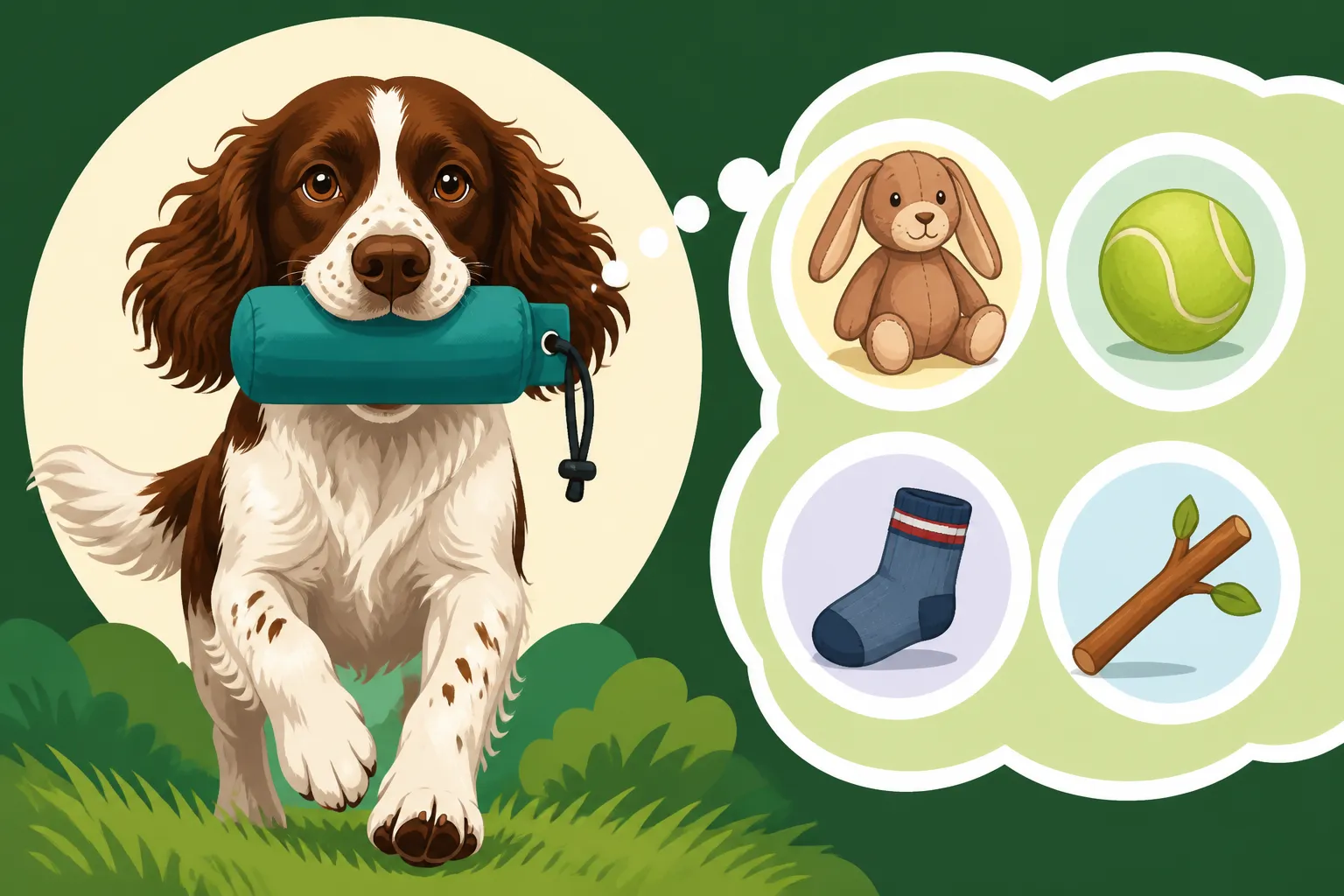
Whether a Springer Spaniel Carries Things in Its Mouth Constantly
If you've ever lived with an English Springer Spaniel, you know that their mouths seem to be in perpetual motion, often carrying, mouthing, or just plain holding something. It's an endearing quirk for many, but for others, it leads to endless games of 'what's in your mouth now?' and the occasional destruction of prized possessions. This guide will dive deep into why your Springer is so oral, whether it's normal behavior, and how you can manage this deeply ingrained trait.
The Instinctual Drive: Why Springers Are Mouthy Marvels
Let's be honest, seeing your Springer Spaniel parade around with a favorite toy, a stray sock, or even an entire throw pillow in their mouth can be both adorable and a bit baffling. But this isn't just a random habit; it's deeply rooted in their history and purpose. English Springer Spaniels are, at their very core, gundogs, bred for a specific job: flushing game and retrieving it gently.
A History of Soft Mouths and Carrying
Think about what a Springer Spaniel was selectively bred to do: locate game birds, "spring" them into the air for the hunter, and then, after the shot, retrieve the fallen bird. This last part is crucial. A good gundog must have a soft mouth. They're meant to bring back the bird undamaged, ready for the table, not chewed or mangled. This genetic predisposition means they instinctively want to carry things carefully in their mouths. It's not about destroying; it's about holding.
For generations, the most valued Springer Spaniels were those that naturally understood this gentle retrieval. This instinct is still very much alive in your family pet today. So, when your Springer brings you a slipper, tail wagging, they're not trying to be naughty; they're often performing a deep-seated behavioral pattern, a vestige of their working heritage. It's their way of interacting with the world, much like a herding dog might try to "herd" your children or a scent hound might follow an interesting smell indefinitely. This isn't just about play; it's about fulfilling a deep genetic need. You might notice this especially with The Springer Spaniel That Cannot Be Left Alone, as carrying objects can also be a self-soothing mechanism.
The Need for a "Job"
Beyond simple instinct, Springers are intelligent, active dogs with a strong desire to be involved and useful. They thrive when they have a "job" to do, and carrying objects often becomes their self-assigned task. If a Springer doesn't have enough mental stimulation or physical exercise, that carrying instinct can manifest in less desirable ways. They might pick up anything and everything in the house, not just because it's there, but because it gives them a sense of purpose.
Imagine a bored Springer Spaniel in a quiet house. Suddenly, they spot a remote control. "Aha!" their brain signals, "Something to carry!" They pick it up, carry it around, perhaps even bring it to you, hoping for interaction or praise. This isn't malicious, but it can certainly be inconvenient. Providing them with appropriate outlets, like regular training sessions, scent work, or even just consistent games of fetch, can channel this energy. Puzzle toys, readily available on platforms like Amazon, can also keep their minds engaged, diverting that carrying instinct to appropriate items. This is especially true for field-bred Springers, whose drive is often higher.
Distinguishing Normal Behavior from Potential Problems
While a Springer Spaniel's love for carrying things is often charming, it's important for owners to understand the line between normal, healthy expression of breed traits and behaviors that might indicate boredom, anxiety, or a need for better management.
Appropriate vs. Inappropriate Carrying
A Springer carrying their favorite squeaky toy from room to room, proudly presenting a tennis ball, or gently mouthing a designated chew toy is generally considered appropriate. These actions are often accompanied by relaxed body language, a wagging tail, and a clear intention of interaction or self-entertainment. It's part of their character and a testament to their heritage. This is a dog finding satisfaction in a natural behavior, directed towards suitable objects. Think of it as their equivalent of doodling or humming – just something they do when content or thoughtful.
| Behavior Type | Examples | Underlying Motivation | Management Strategies |
|---|---|---|---|
| Appropriate Carrying | Favorite toy, designated chew, bringing you a ball for fetch. | Instinctual drive, seeking interaction, self-soothing, contentment. | Encourage with praise, provide plenty of appropriate toys, engage in play. |
| Inappropriate Carrying/Mouthing | Stealing socks, chewing furniture, carrying dangerous objects, frantic destruction. | Boredom, anxiety (e.g., Separation Anxiety in a Springer Spaniel), lack of mental/physical exercise, seeking attention, stress. | Redirection, training, structured playtime, enrichment, consistent boundaries, professional help if severe. |
However, when the carrying turns into destructive chewing of household items, frantic collecting of forbidden objects, or becomes a clear sign of stress or attention-seeking, it veers into problematic territory. For instance, if you come home to find your couch cushion torn apart and your Springer looking guilty, that’s different from them gently parading a soft toy. Similarly, if they are Whether a Springer Spaniel Chews Furniture or Whether a Springer Spaniel Steals Socks repeatedly, it signals a need for intervention. The key is observing the context and the intensity of the behavior. Is it a calm, self-directed activity, or a frantic, potentially destructive one?
Signs of Boredom or Anxiety
A Springer Spaniel that constantly carries inappropriate items or engages in excessive mouthing might be telling you something. Boredom is a huge factor. These intelligent dogs need engagement, and if they're not getting it, they'll create their own "fun" – which often involves their mouth. This could manifest as chewing on baseboards, destroying shoes, or simply moving every single item from one room to another. Whether a Bored Springer Spaniel Destroys Things is a common concern for Springer owners, and often the answer lies in providing more mental and physical stimulation.
Anxiety, particularly separation anxiety, can also manifest as excessive carrying or destructive chewing. A dog left alone for too long, especially one as bonded to their people as a Springer, might channel their distress into their mouth. They might destroy items that smell like you, like clothing, or frantically chew at crate bars. This isn't just "being naughty"; it's a coping mechanism for intense stress. Look for other signs like pacing, excessive drooling, vocalization, or house-soiling when left alone. If you suspect anxiety, it's a much deeper issue than simply redirecting chewing.
Managing the Mouthiness: Training and Enrichment Strategies
Understanding why your Springer is always carrying things is the first step; the next is implementing strategies to manage this behavior constructively. The goal isn't to stop them from using their mouth entirely – that's impossible and undesirable for this breed – but to direct it towards appropriate outlets.
Providing Appropriate Chew Toys and Outlets
This might sound obvious, but it's often overlooked: does your Springer have a wide variety of engaging, safe, and appropriate chew toys? Not all chew toys are created equal, and what one dog loves, another might ignore. Experiment with different textures, shapes, and durability. Some dogs love soft plush toys they can carry around, others prefer durable rubber toys for serious chewing, and many enjoy puzzle toys that dispense treats. Brands like Kong or Nylabone offer a range of options that can stand up to a Springer's enthusiasm. You can find a vast selection of these on Amazon.
Rotate toys regularly to keep things interesting. A toy that's been ignored for weeks might suddenly become a favorite again after a "break." Also, consider providing long-lasting chews (appropriate for your dog's size and chewing style) to satisfy that oral fixation. This gives them a sanctioned target for their mouthing instincts, reducing the likelihood of them turning to your shoes or furniture. Remember, Whether a Springer Spaniel Needs to Retrieve Every Day is less about fetching a ball and more about having that "job" to do, which can include carrying and interacting with toys.
Redirection and Consistent Boundaries
When your Springer picks up something they shouldn't, the key is calm redirection, not punishment. Instead of yelling "No!" and chasing them (which can turn it into a fun game for them), calmly approach, offer an appropriate toy, and when they drop the forbidden item to take the toy, praise them lavishly. This teaches them what you want them to do, rather than just what not to do. Consistency is absolutely vital here. Everyone in the household needs to be on the same page.
Establishing clear boundaries is also important. If you don't want them on the couch, or if certain rooms are off-limits, enforce those rules consistently from day one. Puppy-proofing your home is also essential, especially during The First Year With a Springer Spaniel Puppy. Put away shoes, remote controls, children's toys, and anything else that might be tempting. If it's not available, they can't carry or chew it. For advanced training, you might look into programs like BAXTER & Bella, which offer online resources for teaching 'leave it' and 'drop it' commands, crucial for managing a mouthy Springer.
Mental and Physical Enrichment
A tired Springer Spaniel is usually a well-behaved Springer Spaniel. These dogs need a significant amount of exercise, not just a quick walk around the block. They thrive on activities that engage both their bodies and their minds. Daily long walks, runs, fetch sessions, or even hikes are crucial. If you have a field-bred Springer, they'll likely need even more. Activities like scent work (hiding treats for them to find), agility, or obedience training can be fantastic mental outlets. Whether Puzzle Toys Settle a Springer Spaniel is often true because they engage their problem-solving skills, tiring them out mentally.
Incorporating short, frequent training sessions throughout the day can also make a huge difference. Whether Short Sessions Suit a Springer Spaniel is a resounding yes; Springers learn quickly but can get bored if sessions are too long. Use these sessions to practice commands like "drop it," "leave it," and "take it," all of which directly relate to managing their carrying behavior. A dog that feels engaged and has its natural instincts fulfilled is far less likely to resort to stealing your underwear out of boredom.
When to Seek Professional Help
While a Springer's mouthiness is often a normal breed trait that can be managed with consistent training and enrichment, there are times when it might indicate a deeper issue that requires professional intervention. It's important to recognize these signs and not hesitate to reach out for help.
Recognizing Red Flags
Not all carrying or mouthing is benign. If your Springer's behavior escalates to intense destruction, self-mutilation (licking or chewing paws excessively until raw), or aggressive guarding of stolen items, it's time to take a closer look.
Other red flags include:
- Constant, frantic chewing: Beyond a normal desire to mouth, if your dog is compulsively destroying items, especially when left alone, it could point to severe anxiety.
- Ingesting non-food items: If your Springer is not just carrying but eating things like fabric, plastic, or dirt, this can be a serious health risk (pica) and a sign of underlying issues like nutritional deficiencies, gastrointestinal problems, or extreme anxiety.
- Resource Guarding: If your Springer becomes aggressive (growling, snapping, biting) when you try to take a forbidden item from them, this is a serious behavioral problem that needs immediate attention.
- Self-harm: Excessive licking, chewing, or biting at their own body can indicate pain, allergies, or severe anxiety and should always be investigated by a veterinarian.
If you observe any of these behaviors, documenting them (even with short video clips) can be incredibly helpful for a professional.
Consulting a Veterinarian
Your first stop should always be your veterinarian. They can rule out any underlying medical conditions that might be contributing to the behavior. For example, dental pain can sometimes lead to excessive mouthing or chewing. Gastrointestinal issues or nutritional deficiencies could contribute to pica. Allergies can cause intense itching, leading to self-mutilation.
Your vet can perform a thorough physical exam, blood work, or other diagnostics to ensure there isn't a medical reason for the behavior. If they find no physical cause, they can then recommend behavioral support or refer you to a specialist. They might also discuss anti-anxiety medications if the problem is severe enough, especially in cases of profound Separation Anxiety in a Springer Spaniel.
Working with a Certified Professional Dog Trainer or Behaviorist
If medical issues are ruled out, working with a qualified professional dog trainer or a certified veterinary behaviorist is highly recommended. These experts can assess your dog's specific situation, identify triggers, and develop a tailored behavior modification plan. A good trainer will use positive reinforcement methods to teach appropriate behaviors and address the root cause of the problematic carrying or mouthing.
A certified veterinary behaviorist is a veterinarian who has specialized in animal behavior and can diagnose and treat behavioral disorders, sometimes including medication in conjunction with behavior modification. This is particularly useful for complex cases involving severe anxiety or aggression. Don't be afraid to seek help; canine professionals are there to guide you and your Springer toward a happier, healthier relationship. While What a Behaviorist Costs a Springer Spaniel Owner can seem significant, the investment in resolving serious behavioral issues is often priceless for both your dog's well-being and your peace of mind.
Conclusion
The Springer Spaniel's inherent desire to carry things in their mouth is a charming, deeply ingrained trait that speaks volumes about their historical purpose. It's part of what makes them such unique and lovable companions. By understanding the instinctual drives behind this behavior, providing ample mental and physical stimulation, and consistently redirecting them to appropriate outlets, you can enjoy this characteristic without the frustration of ruined belongings. Remember, a happy Springer is an engaged Springer, and by working with their natural tendencies, you'll strengthen your bond and ensure a harmonious home.
Disclaimer
This article is for general informational purposes only and does not constitute professional advice. Laws, prices and regulations vary by location and change over time. Consult a qualified professional for guidance on your specific situation.