How Far a Springer Spaniel Can Hike
Thinking about taking your energetic Springer Spaniel out on the hiking trails? It’s a fantastic idea, but many owners underestimate just how far these dogs can truly go, or what they need to thrive on a long trek. You might worry about overdoing it, or perhaps you're frustrated that your dog seems to have limitless energy when you’re flagging. This guide will help you understand your Springer's incredible hiking potential, the factors that affect their endurance, and how to safely prepare them for an adventure that satisfies both their body and their incredible nose.
The Springer Spaniel's Natural Aptitude for the Trail
Let's be honest, Springer Spaniels weren't just "bred" to be active; they were designed for it, right down to their sturdy build and tireless drive. When you look at your Springer, you're seeing generations of carefully selected traits that make them exceptional companions for long days in the field, and by extension, on the hiking trail. They’re not just going for a walk; they're fulfilling an instinct.
Built for Endurance and Exploration
Springers are medium-sized dogs with a well-muscled body and a gait that covers ground efficiently. Their ancestors spent entire days flushing game through dense cover, navigating varied terrain, and retrieving. This means they possess a natural endurance that far exceeds what many other breeds can manage. A leisurely stroll around the block is often just a warm-up for a Springer. They thrive on having a "job" to do, and for many pet Springers, exploring a trail, sniffing every interesting scent, and navigating obstacles becomes their personal mission. It’s not just about physical exertion; it’s mental stimulation that truly engages them. They want to be out there, discovering.
When you hit the trail with a Springer, you're tapping into that deep-seated desire to explore. Their nose is constantly working, painting a vivid picture of the environment, long after your own senses have moved on. They process information through scent in a way we can barely comprehend, and a new trail is like reading a fascinating novel for them. This intense engagement actually fuels their stamina, making them less likely to tire quickly because their minds are so active and satisfied.
Instinct to Range and Hunt
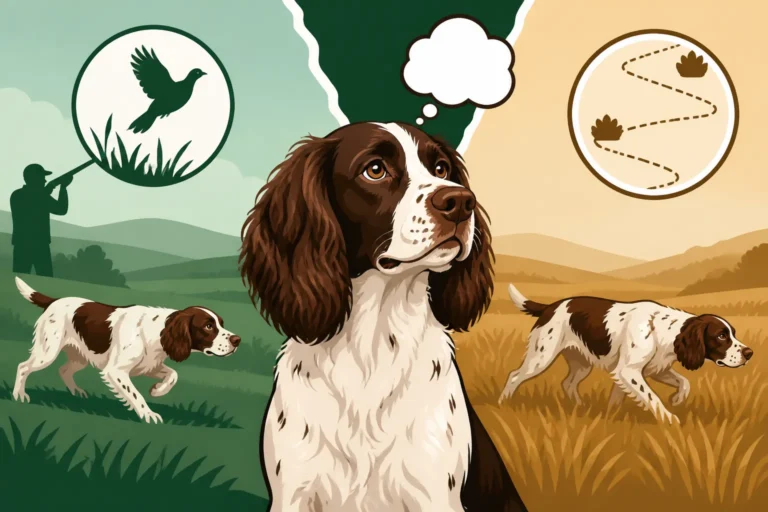
Part of their charm, and sometimes their challenge, is their instinct to "spring" game – to burst into cover, flush birds, and bring them back. This means they naturally want to quarter, moving back and forth in front of you, covering ground thoroughly. While hiking, this translates into a dog that isn't just sticking to the path but is constantly veering off to investigate that interesting clump of bushes or the rustle in the leaves. This adds mileage to their day, often significantly more than your own steps. You might walk five miles, but your Springer, quartering and investigating, could easily cover eight or ten.
This ranging instinct is fantastic for keeping them engaged and burning energy, but it also means their recall needs to be absolutely rock-solid, especially if you plan to let them off-leash in appropriate areas. Why a Springer Spaniel Puts Its Nose to the Ground and Vanishes is a common frustration for owners who haven't quite grasped the depth of this instinct. If they catch a compelling scent, their focus can narrow, and your voice might become background noise. Training in varied environments, away from high distractions, is crucial before trusting them off-leash on a busy trail.
Key Factors Influencing Your Springer's Hiking Distance
While Springers are built for the long haul, "how far" isn't a single answer. It depends on a multitude of factors, much like with human hikers. Ignoring these can lead to an exhausted, injured, or simply unhappy dog. We want adventures to be positive, right?
Age and Physical Condition
A young, healthy adult Springer Spaniel (typically between 18 months and 7-8 years old) will have the greatest capacity for long hikes. Puppies and very young dogs (under a year) shouldn't be pushed on long, strenuous hikes as their growth plates are still developing, and too much impact can cause long-term joint issues. For these youngsters, shorter, more frequent walks on varied but soft terrain are better. On the flip side, senior Springers, generally considered "old" around The Age a Springer Spaniel Counts as a Senior, might still love to hike but will have less stamina and could be prone to arthritis. Their pace will slow, and you'll need to adjust expectations accordingly.
A dog's overall physical condition also plays a huge role. An overweight Springer, or one that's a couch potato during the week, isn't going to suddenly become a marathon hiker. Just like us, they need to be conditioned gradually. Start with shorter, easier trails and progressively increase the distance and difficulty. This helps build muscle, strengthen joints, and improve cardiovascular fitness. Remember that even a seemingly healthy dog can have underlying issues. Hip Dysplasia in a Springer Spaniel or elbow problems can significantly limit their endurance and comfort on trails. A pre-hike vet check is always a good idea, especially if you're planning to significantly increase their activity level.
Terrain and Weather Conditions
The type of terrain you're hiking on makes a massive difference. A flat, groomed path is far less taxing than a steep, rocky ascent or a muddy, root-filled trail. Rough terrain forces your dog to use more muscles, balance more, and navigate carefully, which is more demanding. Similarly, thick brush, like the kind a working Springer might power through, significantly increases their effort due to resistance and the need to push through obstacles. Burrs, Ticks and Grass Awns in a Working Springer Spaniel are also real considerations on such trails, adding discomfort and potential health risks.
Weather is another critical factor. Springers, with their double coats, can overheat quickly in warm or humid weather, even if the air temperature seems mild to you. Signs of overheating include excessive panting, drooling, a dark red tongue, weakness, and stumbling. Always carry plenty of water for both of you. On the other hand, extremely cold weather can also be challenging, especially if they are getting wet and then resting, or if the ground is icy. Consider a protective vest in harsh conditions. A good rule of thumb: if you're uncomfortable, your dog probably is too.
Training and Recall Reliability
This cannot be stressed enough: a well-trained Springer is a safer, happier hiking partner. Their natural curiosity and powerful nose mean they will find something interesting off-trail, whether it's a deer scent, a squirrel, or another hiker's dropped snack. Without a rock-solid recall, you risk them getting lost, running into wildlife, or encountering dangerous situations. Whether a Springer Spaniel's Recall Can Be Trusted is not a question you want to answer negatively when you're miles from the trailhead. Many online training resources, including those found through platforms like BAXTER & Bella, offer excellent foundational obedience programs that can be vital for developing a reliable recall.
Beyond recall, basic leash manners are essential. If your Springer pulls constantly, neither of you will enjoy the hike, and you'll both tire more quickly. Loose-leash walking, "leave it," and "stay" commands are invaluable. A "wait" command before crossing a stream or steep section can also prevent accidents. The soft nature of Springers, as discussed in The Soft Springer Spaniel That Shuts Down If You Shout, means positive reinforcement methods are usually most effective, building a willing partner rather than a cowed one.
Here's a quick comparison of hiking capacity based on factors:
| Factor | Optimal Hiking Scenario | Challenging Hiking Scenario | Impact on Distance |
|---|---|---|---|
| Age | Adult (1.5 – 7 years) | Puppy (<1 year) or Senior (>9 years) | High |
| Fitness Level | Well-conditioned, active | Overweight, sedentary | High |
| Terrain | Flat, groomed dirt path | Steep, rocky, thick brush, snow | High |
| Weather | Cool (40-60°F / 5-15°C), low humidity | Hot (>75°F / 24°C), high humidity, icy cold | High |
| Training | Excellent recall, leash manners, "leave it" | Poor recall, pulls on leash, easily distracted | Moderate |
| Hydration | Consistent water access | Limited water, dog not offered water frequently | High |
| Paws | Conditioned, healthy pads | Tender, overgrown nails, small cuts | High |
Preparing Your Springer for Longer Treks
Thinking about that epic weekend hike? Fantastic! But just like you wouldn't run a marathon without training, your Springer needs some preparation to truly enjoy and safely complete longer, more strenuous hikes.
Conditioning and Hydration Strategy
The key to increasing your Springer's hiking distance is gradual conditioning. Start with familiar trails and shorter distances, gradually adding length and complexity over weeks or months. Pay attention to how your dog recovers. Are they still energetic the next day, or are they unusually stiff or tired? This feedback will help you gauge their fitness level. For working Springers or those aiming for very long treks, consider a diet formulated for active dogs. What a Working Springer Spaniel's Food Bill Runs in Season might be higher, but the proper nutrition is crucial for sustained energy and recovery.
Hydration is paramount. Always carry more water than you think you'll need, for both yourself and your dog. Collapsible water bowls, widely available on Amazon, are incredibly useful and take up minimal space. Offer water frequently, especially in warmer weather. If you're hiking near streams or lakes, be cautious about letting your dog drink directly, as stagnant water can contain harmful bacteria or parasites. Some portable water filters can even be used to purify water for both of you.
Essential Gear and Pre-Hike Checks
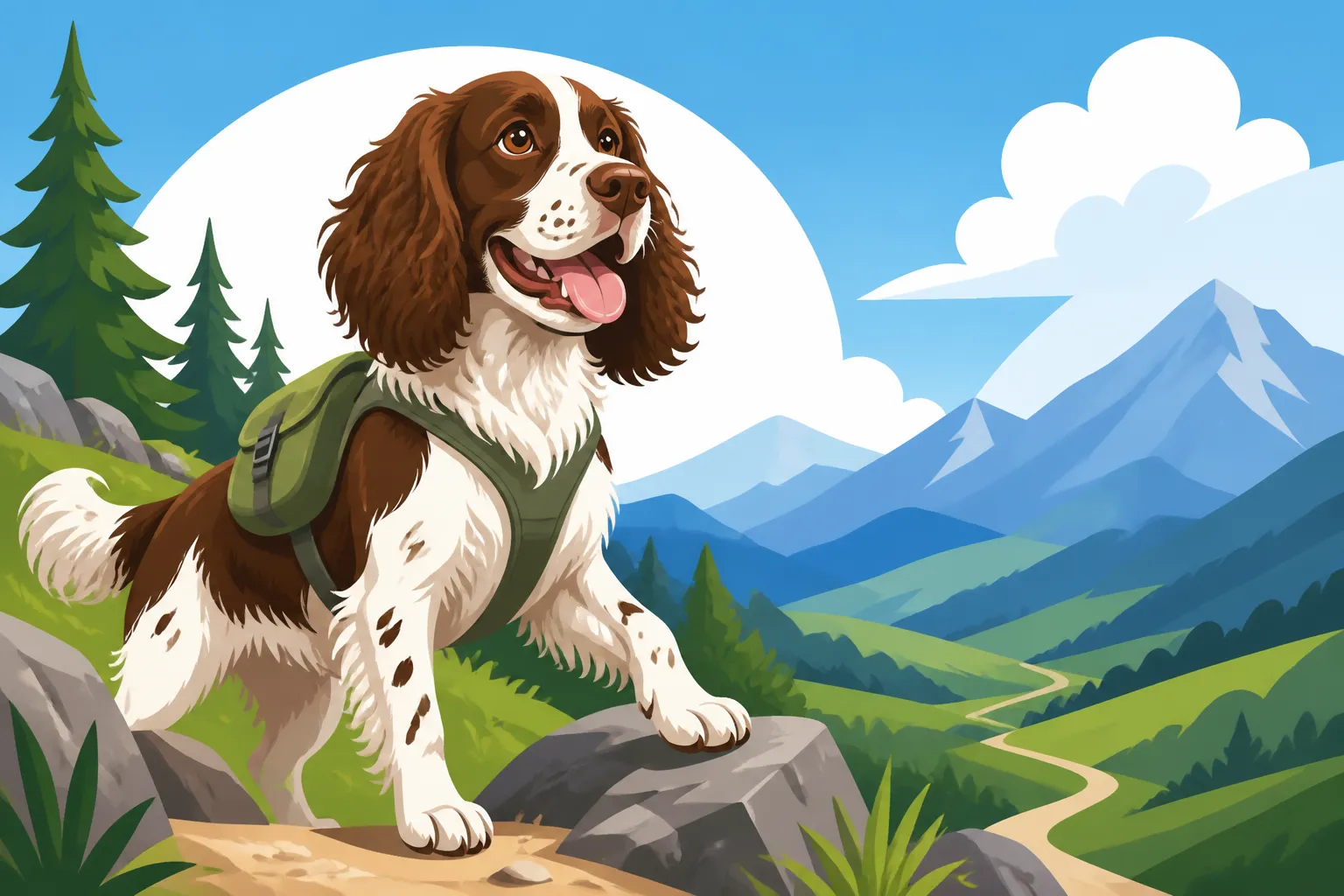
Before you hit the trail, a little preparation goes a long way. Beyond water and a bowl, consider a good quality, comfortable harness that distributes pressure evenly, rather than just a neck collar, especially if your dog pulls or if you need to help them over an obstacle. A sturdy leash, preferably one that allows you some hands-free operation while maintaining control, is also a smart investment. For Springers who might range, a Whether a Springer Spaniel Should Wear a GPS Collar is an invaluable safety net, offering peace of mind if they momentarily get out of sight on a scent.
Don't forget their paws! Rough terrain can be hard on paw pads. Products like paw balms can help condition them, and dog boots, while they take some getting used to, can offer protection against sharp rocks, thorns, or extreme temperatures. After the hike, always perform a thorough check of your dog from nose to tail. Checking a Springer Spaniel's Feet After Working is critical to catch any cuts, thorns, or burrs that could lead to infection or discomfort. And don't forget those long ears; Water Work and What It Does to a Springer Spaniel's Ears can make them prone to infection if not dried properly after a dip.
Safety and Considerations While Hiking with Your Springer
Hiking with your Springer Spaniel should be a joyous adventure, but it’s essential to prioritize safety to ensure both of you have a positive experience and return home sound.
Trail Etiquette and Wildlife Encounters
Part of being a responsible dog owner on the trail is practicing good trail etiquette. Always know the leash laws of the area you're hiking in. Even if your Springer has perfect recall, some trails require dogs to be on a leash at all times, to protect wildlife or simply out of respect for other hikers who might be fearful of dogs. When you encounter other hikers, especially those with small children or other dogs, it's always best to leash your Springer and move to the side to allow them to pass comfortably. A friendly greeting is one thing, but an overly enthusiastic Springer can sometimes overwhelm people.
Wildlife encounters are a very real possibility, especially with a dog like a Springer who is so driven by scent and prey drive. Teach a strong "leave it" command, which can be invaluable for preventing your dog from chasing deer, squirrels, or worse, encountering a snake or larger predator. If your dog does get on the scent of something, How Far a Springer Spaniel Will Go on a Scent can be surprising, and they might become completely deaf to your calls. This is where that GPS collar comes in handy, giving you a chance to track them down quickly and safely.
Post-Hike Recovery and Health Monitoring
After any significant hike, your Springer will need time to recover. Offer them a small meal and plenty of fresh water. Check their body for any scrapes, cuts, or bumps, paying special attention to their paws, ears, and under their "feathering" where burrs or ticks can easily hide. A quick brush can also help remove loose dirt and debris. Watch for signs of excessive stiffness or lameness in the days following the hike, which could indicate a strain or injury. If you notice persistent limping, swelling, or unusual lethargy, a vet visit is in order.
Don't forget mental decompression either. While the hike was stimulating, they also need quiet time to rest and process all the new sensory input. A comfortable, quiet spot to sleep is essential. For those with particularly active Springers, remember that even after a long hike, they might still have a little residual energy. A quiet chew toy or a puzzle feeder from Amazon can help them wind down and engage their minds without over-exerting their bodies. The goal is a truly satisfied, well-exercised, and healthy hiking companion who is ready for the next adventure.
Disclaimer
This article is for general informational purposes only and does not constitute professional advice. Laws, prices and regulations vary by location and change over time. Consult a qualified professional for guidance on your specific situation.