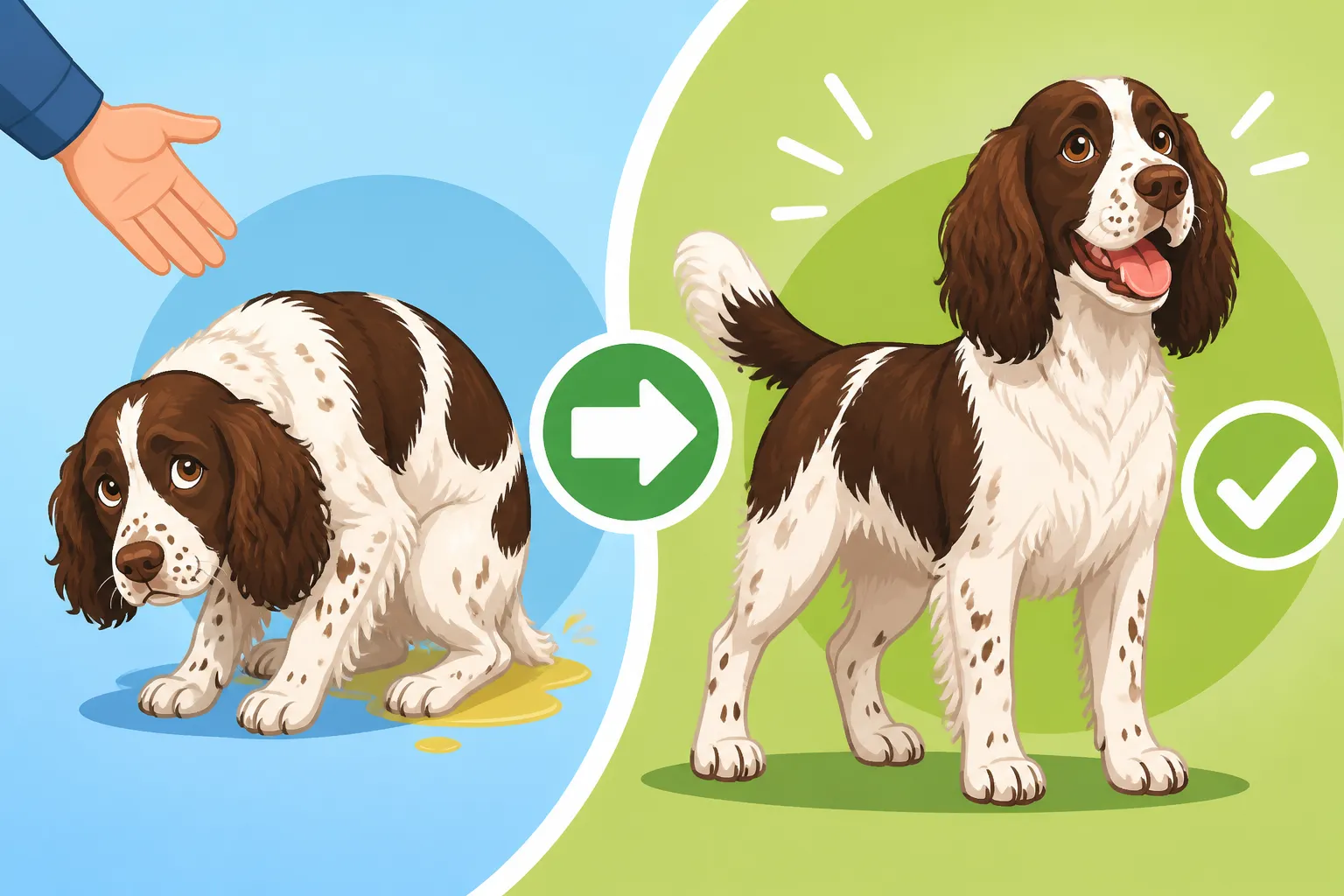
Whether a Springer Spaniel Grows Out of Submissive Urination
One of the most disheartening things for any Springer Spaniel owner is when your otherwise delightful, enthusiastic companion suddenly leaves a puddle, often when they’re just trying to say hello or show they care. It's a common, often misunderstood behavior known as submissive urination, and it leaves many folks wondering if their beloved pup will ever truly outgrow it. This guide is here to shed light on why your Springer might be doing this, what you can realistically expect as they mature, and, most importantly, how you can proactively help them overcome this rather messy habit.
Understanding Submissive Urination in Your Springer Spaniel
It’s easy to feel frustrated, maybe even a little embarrassed, when your Springer Spaniel dribbles or empties their bladder every time a guest walks through the door or you simply bend down to pet them. You might even feel like they're doing it on purpose, but believe me, they aren't. This isn't a deliberate act of defiance or a lack of house-training; it's a deeply ingrained canine communication.
What Exactly Is Submissive Urination?
Submissive urination is a natural, involuntary response in dogs, particularly puppies and young dogs, when they feel overwhelmed, excited, or perceive a situation as intimidating or threatening. It’s a way for them to signal non-aggression and deference, essentially saying, "Please don't hurt me, I'm no threat!" They might also crouch, tuck their tail, avert their gaze, or roll onto their back, exposing their belly. These are all classic appeasement gestures, meant to de-escalate potential conflict in a canine social setting. Your dog isn't choosing to urinate; their bladder simply relaxes due to their emotional state. It’s a reflex, not a choice. Understanding this can be a huge first step in approaching the problem with patience and empathy, rather than anger.
Why Springer Spaniels Are Prone to It
Springer Spaniels, with their famously sensitive and enthusiastic natures, can often be more prone to submissive urination than some other breeds. Think about it: they are incredibly eager to please, intensely bonded with their families, and often possess a boundless energy and excitement that can quickly tip over into emotional overload. When you combine this high level of emotional reactivity with a desire to avoid conflict and a natural "softness" to correction, you have a recipe for submissive puddles. A field-bred Springer, for instance, is often bred for a keen sensitivity to handler cues, which can translate into being easily overwhelmed by perceived pressure. A show-bred Springer might be equally sensitive, though perhaps less overtly "bouncy" in their general demeanor. Both types, however, share that deep desire to please and can easily find themselves in a state where their body takes over. They often wear their emotions on their sleeves, or in this case, in their bladder. For more on their sensitive nature, consider The Soft Springer Spaniel That Shuts Down If You Shout.
Common Triggers and Scenarios
Identifying the specific situations that trigger your Springer Spaniel's submissive urination is crucial for managing and ultimately overcoming the behavior. It’s rarely a random act; there’s almost always an underlying cause connected to their emotional state.
Greetings and Over-Excitement
This is, by far, the most common trigger that most Springer Spaniel owners report. Imagine you’ve been gone all day, and you walk through the door to the joyous, full-body wag of your Springer. They’re thrilled to see you, bouncing, maybe whimpering with excitement, and then – splish – a small puddle appears at your feet. It's not because they didn't want to hold it or aren't house-trained. It's simply that the sheer rush of emotion, the unbridled joy of your return, overwhelms their tiny bladder control. The same can happen when a new guest arrives. The doorbell rings, the visitor steps inside, and your Springer, eager for attention and perhaps a little unsure of this new person, might resort to this appeasement behavior. They're trying their best to convey, "I'm happy you're here, please like me, I mean no harm!" This is a classic manifestation of Why a Springer Spaniel Pees When Greeted. The key here is that their system goes into overdrive, and bladder control becomes secondary to their emotional response.
Perceived Intimidation or Correction
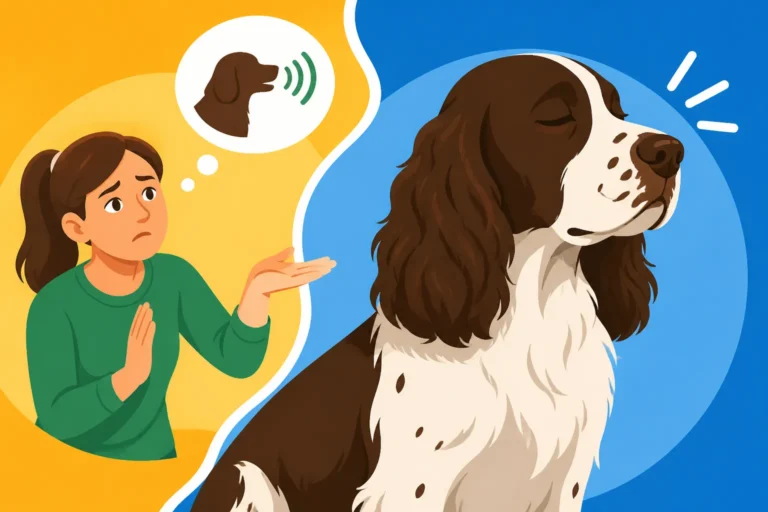
While we never want to intentionally intimidate our dogs, certain human behaviors can be perceived as such by a sensitive Springer Spaniel, especially a young one. Loud voices, stern gazes, hovering over them, reaching directly over their head, or any form of physical correction can all inadvertently trigger submissive urination. For example, if your puppy has an accident inside and you approach them with a frustrated tone, pointing a finger, they might urinate again as a response to your perceived anger, not as an admission of guilt. They're trying to communicate, "I understand you're upset, I'm sorry, I'm submitting." This is where the "soft" nature of the Springer really comes into play. They are not built for harsh handling. Instead of learning not to pee inside, they learn that your approach or tone is scary, leading to more involuntary urination. Understanding The Soft Springer Spaniel That Shuts Down If You Shout is vital in these moments.
New Environments or People
Introducing your Springer Spaniel to novel situations can also bring on a submissive puddle. A trip to the vet, for instance, is often a minefield of new sights, smells, and sensations. The clinical environment, the strangers handling them, and perhaps even some discomfort can all contribute to them feeling overwhelmed and anxious. Similarly, if you bring your young Springer to a friend’s house for the first time, or they encounter someone completely new on a walk, that novelty can be enough to trigger an appeasement pee. They might be unsure of the new smells, the different sounds, or the way new people interact. Even adult Springers can sometimes revert to this behavior in particularly stressful or unfamiliar circumstances, highlighting that while some might improve with age, the underlying sensitivity often remains.
The "Growing Out" Myth vs. Reality
Many new puppy owners are told, "Oh, they'll grow out of it!" when they mention submissive urination. While it's true that many dogs do show improvement with age, it's not a magical transformation that happens purely by waiting. It's more complex than that, and a passive approach often leaves owners frustrated and dogs stressed.
Why It Might Seem Like They Grow Out of It
For some Springer Spaniels, it genuinely seems like they just "grow out of" submissive urination. What's often happening, however, is a combination of factors related to maturity and consistent, albeit perhaps unconscious, management by their owners. As a puppy matures into adolescence and adulthood, their bladder control naturally improves. They can physically hold their urine for longer periods, and their nervous system becomes more robust, making them less easily overwhelmed by excitement or mild stress. Coupled with this, most owners, without even realizing it, often adapt their behavior. They might start using calmer greetings, be less prone to scolding, or simply provide more opportunities for their dog to relieve themselves outdoors. These subtle changes in management, combined with the dog's natural maturation, can create the impression that the dog has simply outgrown the behavior. They develop more confidence, learn better coping mechanisms, and their physical ability to hold it becomes stronger. But without intentional effort, especially for more sensitive Springers, the underlying tendency can persist or resurface under stress. This also ties into The Age a Springer Spaniel Finally Settles, as a more mature dog is generally more emotionally stable.
The Importance of Proactive Management
Relying solely on your Springer Spaniel to "grow out of" submissive urination is often a recipe for ongoing frustration and can actually set your dog back. Instead, proactive management and specific training are essential. Think of it less as a phase to endure and more as a communication style that needs gentle redirection and confidence-building. If you consistently greet your dog in an overly enthusiastic manner that triggers urination, or inadvertently intimidate them with harsh corrections, you're reinforcing the very behavior you want to stop. You're teaching them that these situations do warrant an appeasement response.
The reality is that while the frequency might decrease with age, the propensity for submissive urination can remain, especially in sensitive breeds like Springers, unless actively addressed. Ignoring it can also lead to secondary problems, like your dog becoming more anxious around people or avoiding greetings altogether. It's about teaching your dog new, more confident ways to interact and cope, rather than just hoping they'll spontaneously change. This proactive approach is particularly important during The First Year With a Springer Spaniel Puppy.
Strategies for Managing and Reducing Submissive Urination
Dealing with submissive urination effectively requires a multi-pronged approach that focuses on reducing triggers, building confidence, and implementing consistent positive reinforcement. It’s not a quick fix, but with patience and consistency, you can significantly reduce or even eliminate the behavior.
Calming Greetings and Interactions
This is perhaps the most impactful change you can make. Your Springer Spaniel's excitement at seeing you or a guest can be overwhelming for them.
Here's how to adjust your interactions:
- Low-Key Homecomings: When you arrive home, resist the urge to immediately engage your dog with effusive greetings. Instead, ignore them for the first minute or two. Walk in calmly, put your keys down, and go about your business. Once they've settled a bit and are no longer bouncing off the walls, then you can quietly acknowledge them. Get down to their level, avoid direct eye contact initially, and offer a calm, gentle pet on the chest or side, rather than reaching over their head.
- Outdoor Potty First: Before anyone interacts with your Springer, take them straight outside for a potty break, especially if you've been away for a while or a guest is about to arrive. This ensures their bladder is empty, reducing the chances of an accident.
- Educate Guests: Explain to visitors that your Springer is a sensitive soul. Ask them to ignore your dog initially, letting the dog approach them. If the dog approaches, have them offer a treat calmly, keeping their body language relaxed and avoiding leaning over the dog. A good resource for understanding this concept and finding tools like long lines for outdoor potty breaks can be found on Amazon, where you can browse various training aids.
- Avoid Direct Stares and Hovering: For many dogs, direct eye contact or a person towering over them can feel intimidating. Teach everyone to approach your Springer from the side, crouch down, and let the dog initiate contact.
Building Confidence and Positive Reinforcement
A dog that feels more confident is less likely to resort to appeasement behaviors like submissive urination.
Focus on building your Springer's self-assurance:
- Positive Reinforcement Training: Enroll in a positive reinforcement training class. This type of training builds confidence and trust between you and your dog, teaching them what to do, rather than punishing what they shouldn't. Using treats and praise for desired behaviors makes your dog feel successful and secure. Online platforms like BAXTER & Bella offer excellent puppy training programs that focus on positive methods, which can be invaluable for sensitive Springers. Whether Positive Training Alone Works on a Springer Spaniel delves deeper into this topic.
- Confidence-Building Activities: Engage your Springer in activities where they can succeed and feel good about themselves. Scent work, agility (even just a backyard course), or learning new tricks can all boost their confidence. Success in these areas transfers to other parts of their life, making them generally more secure. For more ideas, read Whether Confidence Training Helps a Springer Spaniel.
- Avoid Punishment and Harsh Corrections: As mentioned before, scolding or punishing a Springer for submissive urination will only exacerbate the problem. It confirms their fear that you are upset and reinforces the need for appeasement. It creates a cycle of anxiety and urination. Focus on managing the environment and reinforcing calm behavior instead.
Environmental Management
Sometimes, simply managing your Springer's environment can make a world of difference.
- Frequent Potty Breaks: Ensure your Springer has ample opportunities to relieve themselves outdoors, especially before anticipated triggers like visitor arrivals or your return home.
- Crate Training: A properly introduced crate can be a safe, den-like space for your Springer. If a guest is particularly overwhelming, or if you know your dog is prone to accidents during greetings, crating them with a favorite chew toy until the excitement dies down can be beneficial. They should never be punished in their crate, but it can be a management tool. Learn more about Whether a Springer Spaniel Puppy Should Be Crated.
- Easy-to-Clean Areas: Until the behavior is under control, consider restricting your Springer to areas of the house with easily cleaned flooring when guests are over or during times of high excitement. This reduces stress for both you and your dog when accidents happen.
- Leash Management: When expecting visitors, keep your Springer on a leash initially. This allows you to gently guide them outside immediately if you see signs of impending urination or if they become overly excited. This gives you more control over the situation and prevents accidents indoors.
Here’s a quick overview of triggers and management strategies:
| Trigger | Dog's Internal State | Behavioral Cue | Management Strategy |
|---|---|---|---|
| Owner/Guest Arrival | Over-excitement | Bouncing, tail wagging, low crouch | Calm, ignore initially; outdoor potty; low-key greetings; educate guests |
| Perceived Intimidation | Fear, anxiety | Tail tuck, averted gaze, crouch | Avoid direct eye contact, towering; gentle voice; no punishment for accidents |
| New Environment/People | Uncertainty, stress | Hesitation, low posture | Gradual introductions; positive associations (treats); frequent outdoor breaks |
| Reaching/Petting Over Head | Deference, submission | Licking lips, rolling over | Pet on chest/side; approach from side; let dog initiate contact |
When to Seek Professional Help
While many cases of submissive urination can be managed with the strategies outlined above, there are times when it’s best to bring in the experts. Don't feel like a failure if you need to; every dog is unique, and sometimes an outside perspective or deeper investigation is necessary.
Ruling Out Medical Causes
The very first step if you’re dealing with any type of inappropriate urination is to rule out a medical problem. It’s absolutely critical. Sometimes, what looks like submissive urination or even house-training issues can actually be a sign of an underlying health condition.
- Urinary Tract Infections (UTIs): A common culprit for accidents is a UTI. These are painful and can make it difficult for your Springer to hold their urine. They might urinate more frequently, strain to urinate, or have blood in their urine.
- Bladder Stones or Crystals: These can irritate the bladder and urethra, leading to increased urgency and difficulty holding urine.
- Hormonal Imbalance or Incontinence: In older or spayed female dogs, sometimes hormonal changes can lead to incontinence, which might be mistaken for behavioral issues.
- Other Health Issues: Less common, but kidney disease or even certain neurological conditions could potentially affect bladder control.
A quick trip to your veterinarian for a thorough check-up, including a urinalysis, is always the best first step. It's important to differentiate between a physical inability to hold urine and a behavioral response. Your vet can confirm if Whether a Springer Spaniel's Submissive Urination Is Medical is a concern for your dog. If there’s a medical issue, it needs to be treated before any behavioral training can truly be effective.
Consulting a Professional Trainer or Behaviorist
If medical causes have been ruled out and you've diligently applied the management and training strategies without significant improvement, it's time to seek professional help. This doesn't mean you've failed; it means you're being a responsible owner who understands the limits of their own knowledge and experience.
- Certified Professional Dog Trainer (CPDT): A certified trainer specializing in positive reinforcement can help you refine your techniques, identify subtle triggers you might be missing, and develop a customized training plan. They can provide hands-on guidance and work with you and your Springer to build confidence and new coping mechanisms.
- Veterinary Behaviorist (Dip ACVB): For more severe or persistent cases, especially if your Springer Spaniel exhibits other signs of anxiety, fear, or over-arousal, a board-certified veterinary behaviorist can be incredibly helpful. These professionals are veterinarians who have gone on to specialize in animal behavior. They can prescribe medication if necessary (often in conjunction with behavior modification) to help reduce anxiety levels, making your dog more receptive to training. They look at the whole picture – medical, environmental, and behavioral – to create a comprehensive plan.
- When to Consider Professional Help:
- If the submissive urination is frequent, severe, or happening in many different contexts despite your efforts.
- If your Springer Spaniel also exhibits other concerning behaviors like excessive shyness, fear, or aggression alongside the urination.
- If the behavior is causing significant stress for you or your dog, impacting their quality of life or your bond.
- If you're finding it difficult to implement consistent strategies on your own.
Remember, seeking professional help is a sign of commitment to your dog's well-being. A good trainer or behaviorist won't judge you; they'll partner with you to help your sensitive Springer Spaniel feel more secure and confident in the world. It’s an investment in a calmer, happier future for both of you. You might also want to explore concepts discussed in Separation Anxiety in a Springer Spaniel if your dog shows related anxious behaviors when left alone, as overall anxiety can contribute to submissive urination. Also, if you have children, understanding A Springer Spaniel in a House With Children can help tailor interactions to prevent over-excitement or perceived intimidation.
Disclaimer
This article is for general informational purposes only and does not constitute professional advice. Laws, prices and regulations vary by location and change over time. Consult a qualified professional for guidance on your specific situation.