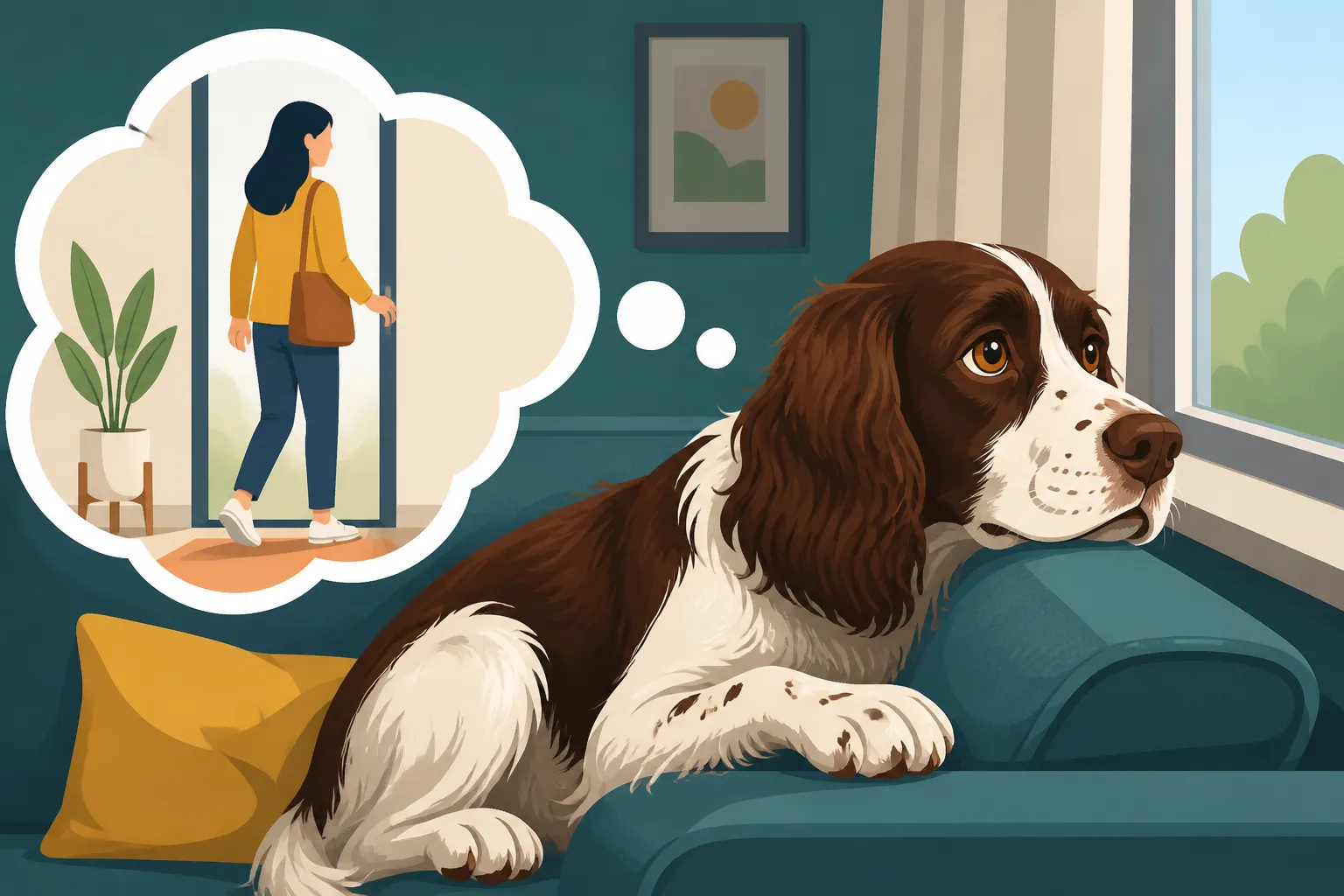
How Long a Springer Spaniel Can Be Left Alone
It’s a common scenario: you’re a loving Springer Spaniel owner, and you adore your dog, but sometimes life calls. Whether it's a workday, an errand, or a social commitment, the nagging question often arises, "How long is too long to leave my Springer Spaniel alone?" This can be a real source of guilt and anxiety for owners, especially given their breed's famously clingy nature. This guide is here to provide realistic expectations and practical strategies to help your beloved Springer cope with your absence, ensuring their well-being and your peace of mind.
Understanding Your Springer Spaniel's Inherent Need for Companionship
English Springer Spaniels are not just pets; they are deeply social, intelligent, and highly energetic dogs bred for partnership. They thrive on interaction, purpose, and being an integral part of their family unit. This strong desire for companionship is one of their most endearing qualities, but it also means that extended periods of solitude can be particularly challenging for them.
Why Your Springer Spaniel Becomes Your Shadow
If you own a Springer, you know this feeling well: you move from the kitchen to the living room, and there they are, right on your heels. Pop to the bathroom? They’re waiting at the door. It’s not just a cute quirk; it’s a manifestation of their deep-seated need to be with their people. Why a Springer Spaniel Follows You Everywhere is rooted in their history as working dogs, meant to stay close to their handler in the field. This instinct translates into a strong attachment at home, making them prone to feeling anxious when that connection is broken. They genuinely prefer to be involved in whatever you're doing, even if it's just watching you fold laundry. Their world revolves around your presence, and they notice when you're not there.
This constant companionship, while lovely, can set them up for difficulties when they must be left alone. They don't naturally understand that you'll always come back; they just perceive your absence. This isn't a sign of a poorly trained dog; it's just how many Springers are wired. Recognizing this intrinsic trait is the first step in managing alone time effectively.
The Realities of Separation Anxiety in Springer Spaniels
Given their close bond with their owners, it’s no surprise that Springer Spaniels can be particularly susceptible to Separation Anxiety in a Springer Spaniel. This isn't just a dog being "naughty" or "stubborn"; it's a genuine panic disorder. Symptoms can range from mild whining and pacing to destructive chewing, inappropriate urination or defecation, excessive barking, and even self-harm. Imagine feeling utterly alone and abandoned, with no concept of when, or even if, your loved ones will return. That's often what a Springer experiencing separation anxiety feels.
It's a distressing situation for both dog and owner. Coming home to chewed furniture, a soiled floor, or a dog that is clearly distraught is heartbreaking and frustrating. Many owners feel trapped, unable to leave their homes without anticipating destruction or a distressed pet. This anxiety often escalates when left alone for longer periods, turning what should be a peaceful time into a traumatic experience for the dog.
Realistic Expectations for How Long a Springer Spaniel Can Be Left Alone
There's no magic number that applies to every Springer Spaniel, as each dog is an individual with unique needs and training. However, we can establish some general guidelines based on age, temperament, and training. It’s crucial to understand that pushing these limits can have detrimental effects on your dog's mental health and behavior.
Puppyhood: Short Stints and Frequent Breaks
Bringing home a Springer Spaniel puppy is a joyous, but demanding, experience. Their bladders are tiny, their attention spans even shorter, and their need for interaction is constant. Expecting a young puppy to hold it for hours or entertain themselves for long periods is simply unrealistic and unfair.
| Age of Springer Spaniel Puppy | Maximum Recommended Alone Time (Approx.) | Key Considerations |
|---|---|---|
| 8-10 Weeks | 1-2 hours | Tiny bladder, high need for supervision, very new to routine |
| 10-12 Weeks | 2-3 hours | Still needs frequent potty breaks, learning self-soothing |
| 3-4 Months | 3-4 hours | Growing bladder, but still needs structured breaks |
| 5-6 Months | 4-5 hours | Approaching adult bladder control, but still a "baby" |
| 6-12 Months | 5-6 hours | Adolescence can bring new challenges, testing boundaries |
These are maximums, not targets. Ideally, you want to fall well within these limits, especially for very young puppies. During the first year, consistency and positive experiences with alone time are paramount. This phase is critical for teaching them that being alone isn't scary. Owners often ask The First Year With a Springer Spaniel Puppy requires significant time commitment, and alone time should be built up very gradually.
Adult Springer Spaniels: The Ideal vs. The Reality
Once your Springer Spaniel reaches adulthood, typically around 12-18 months, they will have better bladder control and, hopefully, a more robust ability to cope with solitude. However, "better" doesn't mean "perfect" or "indefinite."
For a well-adjusted, well-exercised, and properly trained adult Springer Spaniel, 4-6 hours is often a reasonable and manageable period of alone time during the day. This assumes they have had a good walk or strenuous play session beforehand, a potty break, and access to engaging, safe enrichment toys. For some highly independent Springers, you might stretch this to 7-8 hours on occasion, but this should not be a daily routine.
The reality for many working adults is an 8-9 hour workday, plus commute. This means a dog might be alone for 9-10 hours or more. This is generally too long for a Springer Spaniel on a regular basis, even a well-trained one. It leads to boredom, pent-up energy, and often, behavioral issues. Whether a Springer Spaniel Suits a Full Time Worker is a question many ponder, and the answer often involves creative solutions like dog walkers, doggy daycare, or flexible work schedules. While a Labrador might manage longer, a Springer's intense need for activity and human interaction means they're often not suited to long, solitary days.
The Pitfalls of Overextending Alone Time for Your Springer
Leaving your Springer Spaniel alone for too long isn't just about discomfort; it can lead to a host of behavioral problems and a diminished quality of life for your dog. These issues are often symptoms of underlying stress, boredom, or anxiety.
The Emergence of Destructive Behavior
A bored Springer Spaniel is a destructive Springer Spaniel. When their considerable energy and intelligence aren't channeled appropriately, they will find their own outlets, and those outlets rarely align with your household rules. Whether a Bored Springer Spaniel Destroys Things is less a question of "if" and more a question of "what and how badly." They might chew on furniture, doors, shoes, or anything they can get their paws on. This isn't malice; it's their way of relieving stress, stimulating their minds, or simply burning off excess energy. Imagine being stuck in a room with nothing to do for hours on end; you'd probably start poking around too!
This behavior is incredibly frustrating for owners, but it's vital to remember that the dog isn't trying to punish you. They are communicating distress or unmet needs. Punishing them upon your return for something they did hours ago is ineffective and can damage your bond, as they won't connect the punishment to the act. Instead, it teaches them to fear your return.
Potty Training Regressions and Accidents
Even a perfectly house-trained adult Springer Spaniel can start having accidents indoors if left alone for too long. Their bladder capacity, while larger than a puppy's, is still finite. Expecting them to hold it for 8, 9, or even 10 hours is asking for too much. When a dog has no choice but to relieve themselves indoors, it can cause immense stress and shame for them, leading to a breakdown in their housetraining. How Long a Springer Spaniel Puppy Takes to House Train emphasizes establishing good habits early, but these can easily be undone by prolonged absences.
Beyond the physical need, some dogs with separation anxiety will urinate or defecate as a stress response, even if they theoretically could hold it. This is not defiance; it's a physiological manifestation of their panic, similar to a human experiencing a panic attack. Addressing the underlying anxiety is key to resolving these issues, rather than simply cleaning up the mess and hoping it doesn't happen again.
The Silent Suffering of Panic and Anxiety
While some Springer Spaniels manifest their distress through destructive behaviors or accidents, others suffer more quietly. They might pace endlessly, drool excessively, or engage in self-licking, leading to hot spots. Some dogs just shut down, lying by the door for hours, waiting. This silent suffering is no less harmful. Whether a Springer Spaniel Panics When Crated Alone is a real concern, and a crate, while beneficial for training, can become a source of immense terror if associated with prolonged, anxious confinement.
A dog living with chronic separation anxiety or extreme boredom experiences ongoing stress that can impact their overall health and lifespan. It affects their immune system, their appetite, and their joy in life. When you return home, they might be overly excited, almost frantic, to see you, which is another sign they’ve been struggling. It's not just about a few hours of boredom; it's about the cumulative effect on their mental and physical well-being.
Proactive Strategies for Preparing Your Springer for Alone Time
The good news is that there are many steps you can take to help your Springer Spaniel develop a healthy relationship with alone time. It requires patience, consistency, and a thoughtful approach to their needs.
Mastering Crate Training and Safe Spaces
A crate, when introduced and used correctly, can be a fantastic tool for managing alone time. It provides a den-like, secure space where your dog feels safe and contained, rather than exposed and vulnerable. The key is to make the crate a positive place. Start with very short periods, with you in the room, offering high-value treats or a special chew toy only given in the crate. Gradually increase the time and your distance. Never use the crate as punishment.
Beyond the crate, consider creating a "safe zone" or dog-proofed room for your Springer. This might be a laundry room or a part of the living area where they can't get into trouble, but still have space to move. Ensure it's comfortable, with their bed, water, and appropriate toys. The goal is for them to associate this space with calm and safety, not abandonment. This can be especially helpful if Whether a Springer Spaniel Chews Furniture is a concern.
The Power of Routine and Gradual Departures
Dogs thrive on routine. Establishing a predictable schedule for feeding, exercise, and potty breaks helps them feel secure. When it comes to alone time, make your departures and arrivals low-key. Avoid long, emotional goodbyes or overly enthusiastic welcomes. A simple "Be right back!" and a calm pat is sufficient. When you return, wait until your dog is calm before engaging fully.
Practice "mock departures." Grab your keys, put on your coat, and then sit back down. Repeat this several times a day without actually leaving. This desensitizes them to your pre-departure cues. Then, start leaving for very short durations – 1 minute, 5 minutes, 10 minutes – gradually increasing the time. This slow, incremental approach helps them build confidence that you always come back.
Mental and Physical Enrichment Before You Go
A tired Springer Spaniel is a happy Springer Spaniel. Before you leave, provide ample physical exercise. A vigorous walk, a run, or a solid game of fetch can work wonders in burning off that boundless energy. For a field-bred Springer, this might mean a more intense session to truly wear them out. How Much Exercise a Field Bred Springer Spaniel Needs is significant, and skipping it before alone time is a recipe for trouble.
Equally important is mental enrichment. Springers are smart dogs and need to use their brains. Offer them puzzle toys stuffed with treats, a frozen Kong, or a long-lasting chew. These types of activities can keep them engaged and focused on something positive for a good chunk of your absence. Many excellent options are available from retailers like Amazon that can provide hours of distraction. For instance, a snuffle mat or a KONG Wobbler can turn mealtime into a stimulating game.
Leveraging Tools and Resources to Support Alone Time
Modern technology and specialized services offer invaluable support for Springer Spaniel owners navigating alone time. These resources can provide peace of mind and concrete solutions.
Monitoring Your Dog with Technology
Pet cameras have become a game-changer for owners dealing with alone time concerns. Placing a camera where your Springer hangs out allows you to observe their behavior, identify triggers for anxiety, and gauge how they truly cope when you’re not there. Many cameras offer two-way audio, treat dispensers, and even motion alerts. Whether a Camera Helps a Springer Spaniel Owner is a resounding yes, as seeing is believing, and it can help you understand if your current strategies are working or if you need to adjust your approach. You can find a wide range of reliable pet cameras on Amazon that integrate with your smartphone for real-time monitoring.
Beyond cameras, consider GPS trackers if your dog has a tendency to bolt or you fear they might escape in a panic. While not directly related to alone time in the house, it's an important safety net for escape artists.
Enlisting External Help
If your schedule truly doesn't allow for short alone times or frequent breaks, don't feel guilty about seeking external help. Professional dog walkers can break up long days, providing much-needed exercise and a potty break. This can make a huge difference in your Springer’s well-being. Look for walkers who understand the needs of energetic breeds and can provide mental stimulation as well as physical exercise.
Doggy daycare is another excellent option for highly social and energetic Springer Spaniels. It offers structured play, socialization, and supervision, ensuring your dog is mentally and physically tired when you pick them up. This can prevent boredom and separation anxiety from developing or escalating. Make sure to choose a reputable facility with experienced staff and appropriate play groups for your dog's temperament.
Professional Training and Support
Sometimes, despite your best efforts, separation anxiety can be deeply ingrained. This is where professional help becomes invaluable. A certified professional dog trainer or a veterinary behaviorist can assess your dog's specific situation, identify triggers, and develop a tailored behavior modification plan. They can teach you techniques to counter-condition your dog's anxiety and build their confidence. Many trainers now offer virtual consultations, making access easier.
For puppies, a good puppy class can lay the groundwork for a well-adjusted adult. Programs like BAXTER & Bella offer online resources and courses that guide owners through crucial early training, including desensitization to alone time. They provide structured lessons that can be a fantastic foundation for any new Springer owner, helping to prevent issues like separation anxiety before they take root. Whether a Springer Spaniel Owner Needs a Private Trainer often depends on the individual dog and the severity of their challenges.
When to Consult a Professional for Your Springer Spaniel's Alone Time Issues
It's natural for a dog to miss you, but there's a point where normal longing crosses into problematic anxiety that requires expert intervention. Recognizing these signs and acting quickly can prevent the problem from worsening.
Recognizing Severe Separation Anxiety Symptoms
If your Springer Spaniel exhibits any of the following behaviors consistently when left alone, it's time to seek professional help:
- Excessive and continuous vocalization: Non-stop barking, howling, or whining that indicates distress.
- Destructive behavior: Consistently chewing, scratching, or digging at doors, windows, or walls, especially near exit points.
- Inappropriate elimination: Urinating or defecating indoors, despite being reliably house-trained and having had recent potty breaks.
- Self-mutilation: Licking paws raw, chewing at their fur, or other self-injurious behaviors.
- Panic attacks: Visible trembling, drooling, pacing, or extreme restlessness.
- Attempting escape: Causing injury to themselves by trying to break out of crates, rooms, or the house.
These are not just "bad behaviors"; they are clear cries for help from a dog experiencing intense emotional distress. Ignoring them will not make them go away; often, they will escalate.
The Role of Your Veterinarian and Behaviorist
Your first stop should always be your veterinarian. They can rule out any underlying medical conditions that might be contributing to the behaviors, such as a urinary tract infection causing accidents or pain leading to destructive chewing. Once medical issues are excluded, your vet can often recommend a certified veterinary behaviorist or a professional dog trainer specializing in separation anxiety.
A veterinary behaviorist is a veterinarian with specialized training in animal behavior. They can diagnose severe anxiety disorders and, if necessary, prescribe medication to help manage the panic, often in conjunction with a behavior modification plan. This isn't a "quick fix" but a tool to help your dog learn more effectively by reducing their extreme stress levels. A skilled, positive reinforcement-based trainer can also be invaluable in guiding you through the step-by-step process of desensitization and counter-conditioning, helping your Springer to gradually become more comfortable with solitude.
Remember, addressing alone time issues in a Springer Spaniel is a marathon, not a sprint. It requires patience, consistency, and a deep understanding of your dog's unique needs. With the right strategies and support, you can help your devoted companion cope confidently with your absences, allowing both of you to lead happier, more integrated lives.
Disclaimer
This article is for general informational purposes only and does not constitute professional advice. Laws, prices and regulations vary by location and change over time. Consult a qualified professional for guidance on your specific situation.