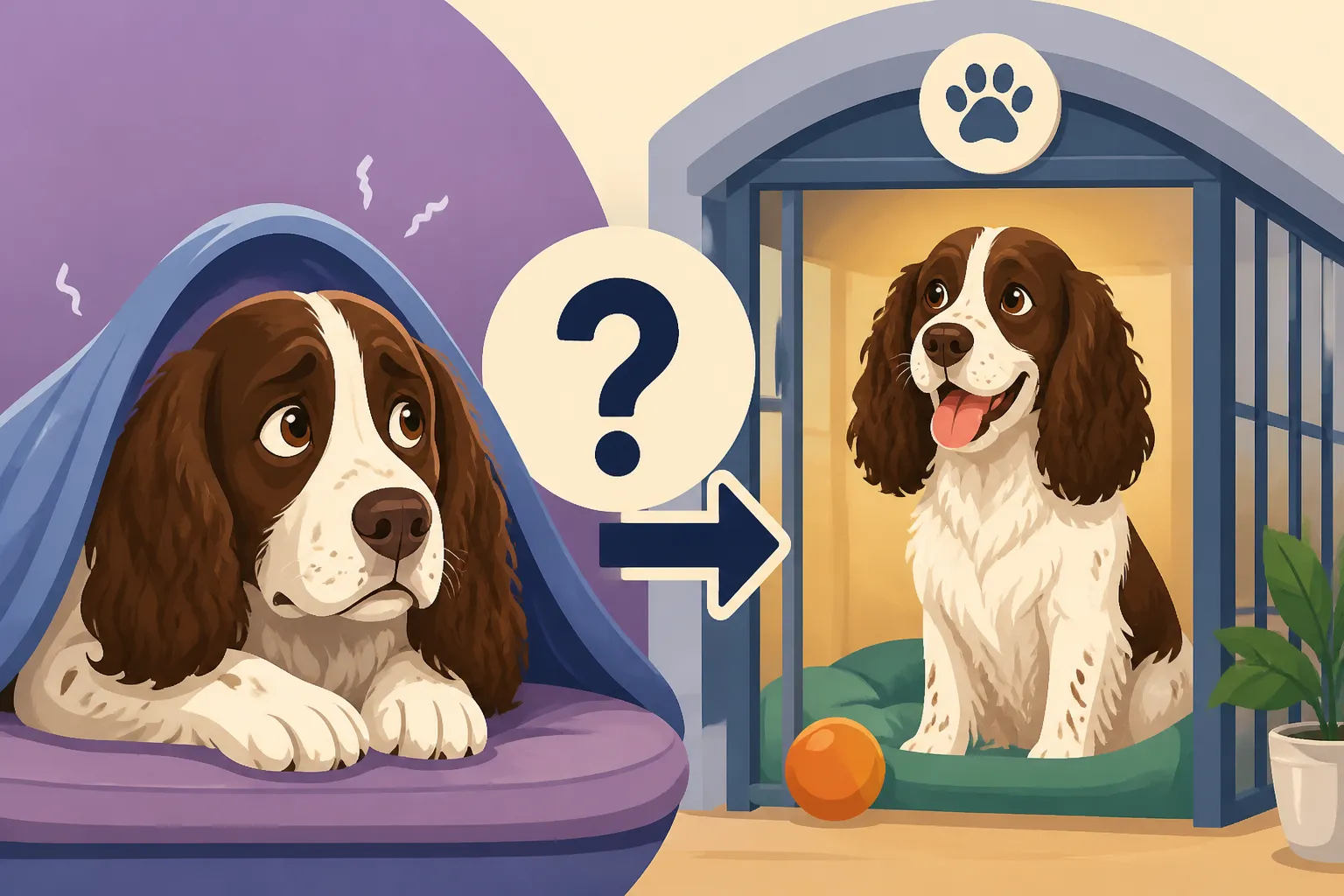
Whether a Kennel Will Take an Anxious Springer Spaniel
It's incredibly stressful when you have an anxious English Springer Spaniel and need to leave them for a period, making the idea of traditional boarding feel like a recipe for disaster. You might worry about incessant barking, destructive behaviors, or even your dog becoming withdrawn and depressed in an unfamiliar environment. This comprehensive guide is here to help you navigate the complexities of boarding an anxious Springer Spaniel, exploring various options and strategies to ensure your beloved companion is as comfortable and secure as possible while you're away.
Understanding Springer Spaniel Anxiety and Boarding Challenges
Springer Spaniels are renowned for their effervescent personalities, their unwavering loyalty, and their deep desire to be close to their human companions. However, these very traits can also predispose them to anxiety, particularly when separated from their family or placed in new, overwhelming situations. This isn't just a touch of "missing you"; for many Springers, it can manifest as genuine distress, making the prospect of standard boarding a formidable challenge for owners. You've likely seen the signs: the pacing, the excessive panting, the frantic chewing on household items, or the persistent vocalizations that scream discomfort when they perceive themselves as alone.
Common Causes of Anxiety in Springer Spaniels
At their core, Springer Spaniels are highly intelligent, sensitive souls who thrive on routine, companionship, and having a clear "job" to do alongside their people. Their heritage as close-working gundogs means they were bred to operate in tandem with a handler, never straying far from their side. This inherent drive for proximity and partnership translates directly into their domestic lives, making them prone to intense attachment. When this bond is disrupted, or they experience a lack of predictability or security, anxiety can quickly take root.
One of the most widespread forms of anxiety in Springers is separation anxiety. This isn't merely being sad that you're gone; it's a profound, panic-driven response to being isolated from their primary attachment figure. Symptoms can range from mild whining to severe destructive behaviors, house soiling, and incessant barking. Other triggers can include loud, unexpected noises like thunderstorms or fireworks, changes in their daily routine, moving to a new home, or even feeling overstimulated in a busy environment. For instance, a Field Bred Springer Spaniel Is a Different Dog to Live With due to their higher energy and drive, which, if not properly channeled, can contribute to restlessness or anxiety when faced with confinement or boredom. It's crucial to remember that anxiety is a real emotional state for dogs, and understanding its specific triggers in your individual Springer is the foundational step towards managing it effectively.
Why Kennels Might Hesitate with Anxious Dogs
Traditional boarding kennels typically operate on a model designed for dogs who are relatively adaptable to a temporary shift in environment and routine. This often involves individual runs, set feeding times, and structured group play sessions. For a truly anxious Springer Spaniel, this standard setup can be overwhelming, potentially exacerbating their stress. The environment can be a cacophony of sounds – other dogs barking, staff moving about, unfamiliar smells – all of which can be incredibly stimulating and frightening to a dog already prone to distress. A Springer Spaniel suffering from Separation Anxiety in a Springer Spaniel might react to these cumulative stressors by barking for hours on end, attempting to chew through kennel doors, engaging in frantic pacing, or even causing self-inflicted injuries.
From the kennel's perspective, accepting a severely anxious dog is a significant responsibility and can pose several challenges. Such a dog can create a disruptive environment for other boarders, requiring disproportionate attention from staff members. There's also the risk of property damage or, in extreme cases, injury to the dog or staff. Consequently, many reputable kennels have screening processes in place, sometimes requiring a trial day or an overnight stay to assess a dog's suitability. They might ask detailed questions about your Springer's behavior when left alone, their past boarding experiences, and any known triggers. It's always best to be completely transparent about your dog's anxiety; it ensures you find a facility that is truly equipped to handle their needs, rather than discovering a mismatch when it's too late.
Strategies for Boarding an Anxious Springer Spaniel
If traditional kennel boarding is your only or preferred option, especially for a Springer with milder anxiety, a proactive and thoughtful approach can significantly improve the experience for everyone. The key lies in thorough preparation, open communication with the facility, and making an informed choice about where your dog will stay. Your goal should always be to minimize stress and maximize comfort for your cherished companion.
Preparing Your Springer Spaniel for Kennel Stays
Preparation should begin weeks, if not months, before your planned departure. First and foremost, if your Springer Spaniel exhibits severe anxiety when left alone, addressing this underlying issue with the help of a certified professional dog trainer or veterinary behaviorist is crucial. Without addressing the core Whether Medication Helps a Springer Spaniel's Separation Anxiety and behavioral patterns, any boarding situation will be challenging. For milder anxiety, gradual desensitization and counter-conditioning techniques can be beneficial. This involves slowly increasing the time your Springer spends alone, ensuring that each absence ends positively before they become overly stressed, thereby building their confidence.
Familiarizing your Springer with aspects of a kennel environment can also help. Some kennels offer doggie daycare services; enrolling your Springer for a few half or full days can help them get accustomed to the new sights, sounds, smells, and routines, as well as the staff. When it's time for the actual stay, pack familiar items: their favorite blanket or bed, a comfort toy, and an old T-shirt or pillowcase that carries your scent. These objects provide a reassuring link to home. Ensure all vaccinations are current, including the kennel cough vaccine, and discuss with your veterinarian any anti-anxiety medications or supplements that might help ease the transition. Products from Chewy, such as calming chews or pheromone diffusers, can sometimes offer subtle support for mild anxiety, but always consult your vet for personalized advice.
Finding the Right Boarding Facility
Selecting the correct facility is paramount. Not all kennels are equipped or willing to handle dogs with significant anxiety. You'll need to research thoroughly and ask pertinent questions. Look for facilities that specifically mention experience with anxious or "special needs" dogs. When you call or visit, inquire about:
- Their specific protocols for managing anxious dogs.
- The staff-to-dog ratio, as a lower ratio often means more individual attention.
- The amount and type of human interaction dogs receive daily.
- Whether they have quiet, isolated areas for dogs who become overwhelmed.
- Their ability to administer any prescribed medications.
- If they offer webcam access or regular updates (photos/videos) to help ease your mind.
Visiting several facilities in person is non-negotiable. Observe the overall environment: Is it clean? Does it smell pleasant or strongly of disinfectant? Are the dogs calm, or do they seem highly stressed? Trust your instincts. A reputable facility will be transparent, eager to answer your questions, and might even suggest a trial overnight stay to ensure your Springer will cope well. Don't be afraid to Whether a Springer Spaniel Owner Should Test Their Own Dog by asking for references or checking online reviews. Prioritizing a facility that focuses on individual well-being over sheer capacity can make all the difference for a sensitive Springer.
Alternatives to Traditional Kenneling for Anxious Dogs
For many anxious Springer Spaniels, the environment of a traditional kennel, no matter how well-run, simply isn't suitable. The good news is that there are excellent alternatives available that can provide a much calmer, more familiar, and less stressful experience, benefiting both your dog and your peace of mind.
In-Home Pet Sitters and Dog Walkers
One of the most effective solutions for an anxious Springer Spaniel is allowing them to remain in the comfort and familiarity of their own home. This is where a dedicated in-home pet sitter or a trusted dog walker can be invaluable. A pet sitter will come to your house, stay overnight, and maintain your Springer's regular routine – including feeding, walks, playtime, and administering any medications. This option completely removes the stress of a new environment, keeping your dog surrounded by their familiar scents, sights, and comforts. It's particularly beneficial for Springers who are deeply attached to their home territory and find novelty unsettling.
If you have family or friends who can check in on your dog for morning and evening care, supplementing this with a professional dog walker for midday exercise can be a perfect combination. For a Springer Spaniel, sufficient exercise is not just about physical health but also a critical component in managing anxiety. A professional walker who understands the breed's need to "quarter" and explore can provide much-needed mental and physical stimulation. Remember that How Much Exercise a Field Bred Springer Spaniel Needs is substantial, and a lack of appropriate activity can exacerbate anxious behaviors. Always thoroughly vet any sitter or walker, checking references, insurance, and ensuring they have proven experience with anxious dogs. A pre-departure meet-and-greet is essential to ensure your Springer forms a positive bond with them.
Specialised Boarding Facilities and Daycares
Beyond the conventional kennel, a growing number of specialized boarding facilities cater specifically to dogs who don't thrive in typical settings. These might include smaller, boutique operations that offer a more home-like environment, often with fewer dogs, private suites, soundproofing, and significantly more one-on-one human interaction. Some facilities are even staffed by individuals with training in canine behavior, allowing them to proactively manage and mitigate stress in anxious boarders. While these specialized options often come with a higher price tag, the tailored care and reduced stress for your Springer can be well worth the investment.
Another excellent alternative is a doggie daycare that also offers overnight boarding, especially if your Springer enjoys supervised group play but still requires a quiet retreat space. Many daycares are designed with various zones, allowing dogs to play, rest, or simply observe, preventing overstimulation. If your Springer benefits from canine companionship, a carefully selected, smaller-scale daycare with attentive staff could be an ideal compromise. For owners who manage specific dietary needs, mentioning brands like Ollie can ensure continuity in their diet, which also contributes to overall well-being and can indirectly influence anxiety levels. Always inquire about their overnight arrangements, how they separate dogs, and how they cater to individual temperaments. Taking steps to address What a Springer Spaniel's Vet Bills Look Like for anxiety-related issues, such as behavioral consultations or medication, can often be supported by pet insurance providers like Healthy Paws, although specific coverage details should always be reviewed with your chosen provider.
Here's a comparison of common boarding options to help you decide:
| Boarding Option | Pros | Cons | Best for… |
|---|---|---|---|
| Traditional Kennel | Often most cost-effective, widely available, structured routine. | Can be noisy, high-stress, limited individual attention. | Social, confident dogs without significant anxiety. |
| Specialized Boarding Facility | Quieter, personalized attention, staff experienced with anxious dogs, often home-like. | Higher cost, fewer locations, may have strict intake requirements. | Anxious, shy, senior, or medically fragile dogs needing a calm, tailored environment. |
| In-Home Pet Sitter | Dog stays in familiar home, maintains routine, one-on-one care. | Can be expensive, requires careful vetting, less social interaction (unless multiple pets). | Highly anxious dogs, those with complex medical needs, or multi-pet households. |
| Doggie Daycare (with O/N) | Combines social play during day with overnight stay, familiar if already attending. | Can still be overstimulating if not properly managed, not suitable for all anxious dogs. | Social dogs with mild anxiety who thrive on structured group interaction. |
Ultimately, finding the right care for your anxious Springer Spaniel while you're away involves understanding their unique needs and diligently exploring all available options. Don't feel pressured to use a traditional kennel if it's not the right fit. By being proactive, open, and thorough in your search, you can ensure your Springer receives the care and comfort they deserve, leading to a much more relaxed experience for everyone involved.
Disclaimer
This article is for general informational purposes only and does not constitute professional advice. Laws, prices and regulations vary by location and change over time. Consult a qualified professional for guidance on your specific situation.