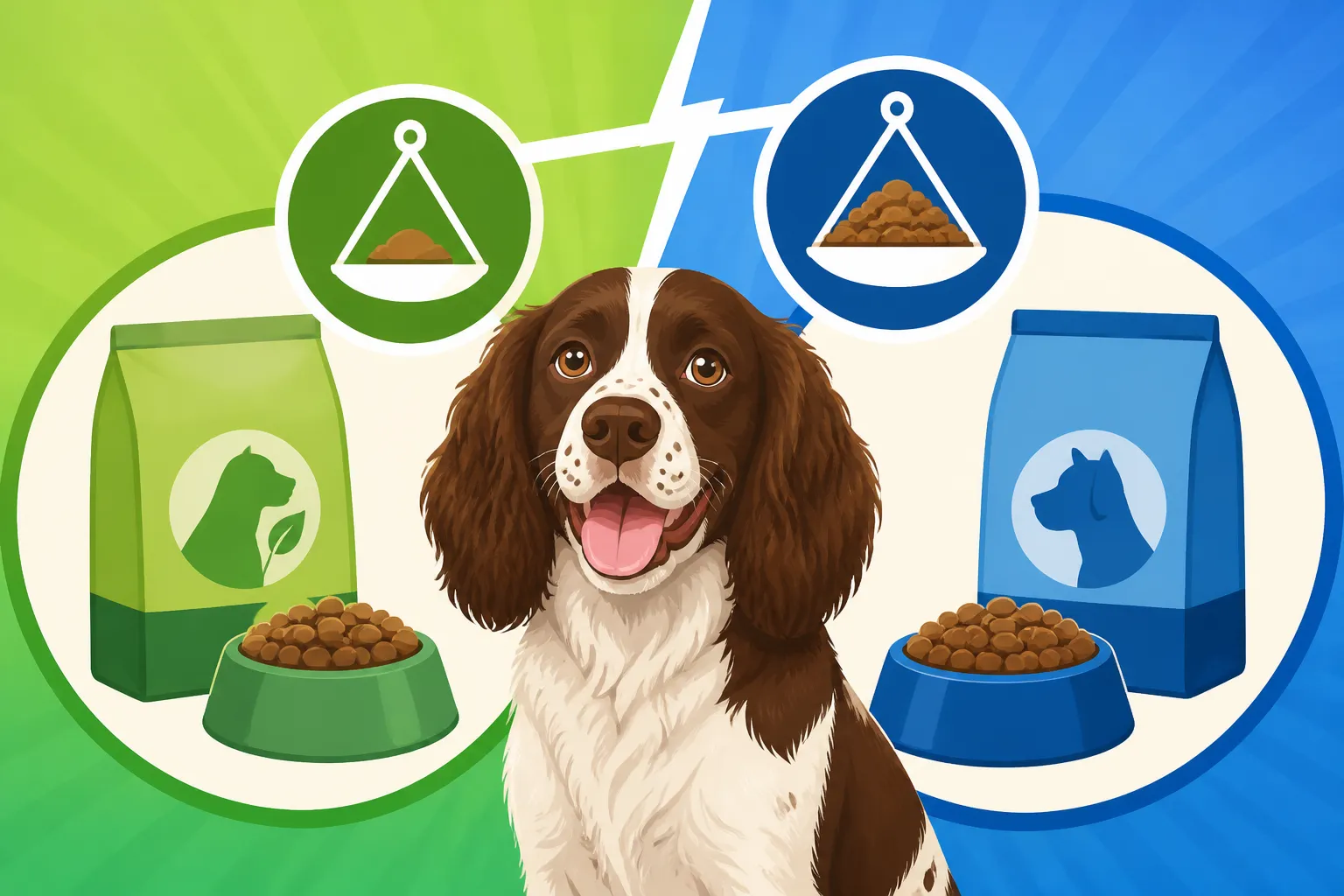
How a Springer Spaniel’s Feed Bill Compares Between Types
One of the most common questions new Springer Spaniel owners, or even seasoned ones, find themselves pondering is not just "What should I feed my dog?" but "How much is this actually going to cost me?" It’s a perfectly valid concern, especially when you consider that Springer Spaniels come in two distinct types – the field-bred and the show-bred – and their energy levels and needs can vary wildly. This guide will help you understand how these differences influence your monthly feed bill, breaking down the factors that truly impact your wallet.
Understanding the Fundamental Differences in Springer Spaniel Types
Before we even begin talking about kibble bags and weekly meals, it’s essential to grasp the core differences between the field-bred and show-bred English Springer Spaniel. These aren't just aesthetic distinctions; they translate directly into how much energy your dog expends and, by extension, how much fuel they need to consume.
The Field-Bred Springer: A High-Octane Athlete
Imagine a dog bred for generations with one primary purpose: to work tirelessly in the field, flushing game, retrieving birds, and navigating challenging terrain for hours on end. That's your field-bred Springer Spaniel. These dogs are finely tuned athletes, built for endurance, speed, and agility. Their metabolism is often incredibly efficient, burning through calories at an impressive rate.
A field-bred Springer isn't just "active"; they are often intensely active. A typical day for a working field Springer during hunting season might involve several hours of high-intensity running, jumping, and swimming. Even in an active pet home, if they're engaged in dog sports like agility, flyball, or advanced scent work for a significant portion of their week, their caloric demands will skyrocket. This constant expenditure means they need a diet that can keep up, providing sustained energy without causing them to lose condition. If you own a field-bred Springer and they're truly living up to their potential, you'll find yourself reaching for the food scoop more often than you might anticipate.
The Show-Bred Springer: Graceful Companion, Still Active
On the other side of the spectrum is the show-bred Springer Spaniel. These dogs are bred to conform to a specific breed standard, emphasizing conformation, temperament, and a beautiful, flowing coat. While they are still very much spaniels – meaning they possess a strong desire to please and a good deal of energy – their daily activity level is generally not as extreme as their field-bred counterparts.
A show-bred Springer, even one from champion lines, typically thrives on a routine that includes vigorous daily walks, playtime in the yard, and perhaps some lighter obedience or casual retrieving. They might not be covering miles of rough cover every day, but they certainly aren't couch potatoes. However, their metabolic rate and overall caloric needs will usually be lower than a full-throttle working field Springer. Owners of show-bred Springers often need to be more mindful of portion control to prevent weight gain, as their energy output might not always match their hearty appetites. It’s a balancing act: providing enough fuel for their joyful, active nature without overfeeding.
Factors Influencing a Springer Spaniel's Food Bill
Beyond the general "field vs. show" distinction, several specific factors contribute to the ultimate cost of feeding your beloved Springer. It's not just about how much they eat, but what they eat and why.
Activity Level and Caloric Density
This is arguably the most significant driver of your Springer's food bill. A dog that spends hours each week hunting, competing in trials, or engaging in strenuous exercise simply needs more calories. But it's not just about quantity; it's about quality. Highly active dogs, particularly those that work hard, benefit immensely from "performance" or "sporting dog" formulas. These diets are typically higher in protein and fat, providing concentrated energy and supporting muscle recovery. Think of it like a human athlete needing specific nutrition compared to someone with a more sedentary lifestyle.
These performance diets, while offering superior nutrition for high-energy dogs, often come with a higher price tag per bag. You're paying for the specialized ingredients and the higher caloric density. For example, a working field Springer might easily consume a 30-pound bag of premium performance kibble in three weeks or less during peak season. A show-bred Springer living as a beloved family pet, receiving regular walks and playtime, might stretch that same bag to five or six weeks. This difference in consumption volume and the cost per serving of specialized food formulas directly impacts your budget. When you're looking for these specialized foods, reputable online retailers like Chewy often have a wide selection, making it easier to compare options.
Food Quality and Ingredients
The quality of the ingredients in your Springer Spaniel's food profoundly influences its price. There’s a vast spectrum out there, from budget-friendly kibbles with fillers and by-products to premium formulations featuring whole, identifiable meat sources, healthy fats, and a rich array of vitamins and minerals.
Higher-quality foods, whether they are kibble, raw, or fresh-cooked options like those offered by Ollie, generally cost more per pound. This is because they use better ingredients, often sourced responsibly, and may involve more complex manufacturing processes. While the upfront cost might be higher, many owners find that their dogs thrive on these diets. They may experience better coat health, improved digestion, and more stable energy levels. Some argue that investing in higher-quality food can even lead to fewer vet visits for certain issues down the line, potentially offsetting some of the initial expense. For instance, skin and coat issues or digestive sensitivities can sometimes be managed or improved with a switch to a higher-quality, more digestible diet. This also ties into the concept that Whether Fresh Food Is Worth It for a Springer Spaniel's Skin can be a significant factor for some owners seeking to address specific health concerns through diet.
Age and Life Stage Considerations
A Springer Spaniel's dietary needs change throughout its life, and so too will your feed bill. Puppies, especially during their rapid growth phases, require specialized puppy food formulated with higher protein, fat, and specific nutrient ratios to support their development. They also tend to eat more frequently and often in larger quantities relative to their size than an adult dog, especially if they are a growing field-bred puppy destined for a big build. The cost of puppy food can be similar to adult formulas, but the sheer volume consumed during those intense growth periods means your bags might empty faster.
As they mature, around The Age a Springer Spaniel Finishes Growing, they transition to adult maintenance food. Then, as your Springer ages and becomes a senior, their metabolism naturally slows down. They might become less active, requiring fewer calories to maintain a healthy weight. Senior diets are typically lower in calories and sometimes contain added joint support ingredients. This could mean a slight decrease in the overall feed bill, assuming no new health conditions require specialized, potentially more expensive, therapeutic diets. It’s a good idea to consider What an Old Springer Spaniel Should Be Fed as your Springer approaches their golden years.
Comparing the Monthly Feed Bills: Scenarios and Expectations
Let’s get down to the nitty-gritty and imagine some scenarios to illustrate how these differences translate into actual monthly costs. Remember, these are generalized examples, and individual dogs will always vary.
The Field Springer's High-Performance Diet
Consider "Dash," a spirited 3-year-old field-bred Springer Spaniel who lives to hunt. During hunting season, he's out with his owner four to five days a week, covering miles, retrieving in thick cover and cold water. Off-season, he's still running daily, training for upcoming events, and swimming regularly. Dash needs a diet that fuels this constant output.
His owner likely opts for a high-quality, high-protein, high-fat performance kibble specifically designed for active sporting dogs. This type of food is calorie-dense, meaning a smaller volume delivers more energy, but it's often more expensive per pound. Dash will be eating a substantial amount daily – probably on the higher end of the feeding guidelines for his weight, possibly even more on heavy workdays. His food bill would easily reflect this, possibly being 20-40% higher than a less active dog simply due to the combination of higher-priced, specialized food and the sheer volume he consumes. His owner might also add supplements for joint health or coat conditioning, further adding to the monthly outlay. You can delve into How Much a Working Springer Spaniel Should Eat to get a clearer picture of the daily requirements.
The Show Springer's Balanced Maintenance Diet
Now, meet "Daisy," a lovely 4-year-old show-bred Springer Spaniel who enjoys regular walks, visits the dog park a few times a week, and loves playing fetch in her suburban backyard. She might go to a dog show occasionally, but her primary role is cherished family companion.
Daisy's owner feeds her a high-quality, but not necessarily "performance," adult maintenance kibble. This food provides excellent nutrition but with a calorie content suited to a moderately active dog. Daisy eats a consistent amount each day, typically within the recommended range for her ideal weight. Her owner is careful to measure portions to prevent her from becoming overweight, a common concern for less intensely active dogs. While her food is still a significant investment, the cost per serving is likely lower than Dash's performance diet, and she consumes less overall. Her monthly feed bill would be notably lower than Dash's, reflecting her activity level and the type of food chosen. How Much a Pet Springer Spaniel Should Eat provides a good baseline for dogs like Daisy.
The "Pet" Springer Spaniel: A Middle Ground
Many Springer Spaniels, regardless of whether they descend from field or show lines, live as beloved family pets. Their daily routine often falls somewhere in the middle: good long walks, enthusiastic play, perhaps a weekly hike, but not the intense, sustained work of a field trial champion.
For these "pet" Springers, the feed bill is highly dependent on the owner's choices and the dog's actual energy expenditure. A field-bred Springer in a pet home might eat a performance diet if they're still getting ample exercise (e.g., daily runs with their owner, active dog sports). However, if their activity is more moderate, a good quality all-life-stages or adult maintenance formula might suffice. Similarly, a show-bred Springer who gets daily vigorous exercise might benefit from a slightly more calorie-dense food. The key here is matching the food to the individual dog’s needs, not just its lineage. This flexibility means their food bill can vary, but it will generally be less than a truly working field dog, and potentially similar to a show-bred dog, depending on the chosen food quality and specific activity.
Here's a simplified comparison of hypothetical monthly food bills for different Springer Spaniel scenarios:
| Factor | Field-Bred (High Activity) | Show-Bred (Moderate Activity) | Pet Springer (Varied Activity) |
|---|---|---|---|
| Diet Type | Performance/Sporting Formula | Quality Adult Maintenance | Quality Adult Maintenance / Light Performance |
| Caloric Density | High | Moderate | Moderate to High |
| Volume Consumed | Higher Daily Intake | Moderate Daily Intake | Moderate to Higher Intake |
| Cost per Serving | Higher | Moderate | Moderate |
| Monthly Cost | Significantly Higher | Moderate | Moderate to Higher (depending on activity) |
| Key Consideration | Fueling peak performance | Maintaining ideal weight, coat | Balancing activity with diet |
Smart Feeding Strategies and Cost Management
No matter which type of Springer Spaniel you share your life with, there are always smart ways to manage your food budget without compromising on quality or your dog’s health.
Buying in Bulk and Subscription Services
One of the easiest ways to reduce your feed bill is to buy larger bags of food. The cost per pound almost always decreases as the bag size increases. However, make sure you have appropriate storage (airtight containers are a must) to keep the food fresh, especially if your Springer doesn't go through a bag quickly. Stale food loses nutritional value and palatability.
Many online retailers, like Chewy, offer subscription services (often called "Autoship"). These typically provide a discount on each order and ensure you never run out of food. Services like Ollie, which deliver fresh-cooked meals, also operate on a subscription model, offering convenience and often a personalized meal plan. While fresh food might be a higher upfront cost, the convenience and potential health benefits can make it worthwhile for some owners. This is a fantastic way to smooth out your spending and avoid last-minute, full-price purchases.
Monitoring Weight and Adjusting Portions
This cannot be stressed enough: an overweight Springer Spaniel is an unhealthy and potentially more expensive Springer Spaniel in the long run. Excess weight puts strain on joints, can exacerbate conditions like hip dysplasia, and increases the risk of other health issues, all of which lead to hefty vet bills. It also means you’re literally overfeeding your dog, throwing money away by giving them more calories than they need.
Regularly assess your Springer’s body condition. You should be able to feel their ribs easily without seeing them, and they should have a discernible waist when viewed from above. If your Springer is gaining weight, don't just switch to a "diet" food immediately; first, try reducing their current food portions by 10-15%. You’d be surprised how often a slight adjustment makes all the difference. Knowing Keeping a Springer Spaniel at a Working Weight is crucial for their long-term health and your budget.
Additionally, factors like spaying or neutering can impact a dog's metabolism. It's common for dogs to gain weight after the procedure because their hormonal balance shifts and their metabolic rate can slow. Be mindful of How a Springer Spaniel's Appetite Changes After Neutering and adjust their food accordingly to prevent unnecessary weight gain.
Treats, Chews, and Supplements
It's easy to overlook the cost of treats and chews, but they can quickly add up! While essential for training and enrichment, especially for a smart, food-motivated Springer, consider their caloric content and how they fit into the overall diet. High-value training treats are great, but don't let them make up too large a portion of daily calories.
Many owners, especially those with working Springers, also invest in supplements like glucosamine for joint health or fish oil for coat and skin health. While these can be beneficial, they are an added expense. Always discuss supplements with your veterinarian to ensure they are appropriate and necessary for your individual dog. Healthy Paws (a pet insurance provider) can be a good consideration for covering unexpected health issues, which can sometimes be exacerbated by poor diet choices or simply happen despite the best care. While good nutrition is foundational, a robust insurance plan can offer peace of mind against unforeseen medical costs.
Ultimately, your Springer Spaniel's feed bill will be a dynamic figure, influenced by their genetics, their lifestyle, and your choices as an owner. By understanding these factors and making informed decisions, you can ensure your beloved companion receives the best possible nutrition without breaking the bank.
Disclaimer
This article is for general informational purposes only and does not constitute professional advice. Laws, prices and regulations vary by location and change over time. Consult a qualified professional for guidance on your specific situation.