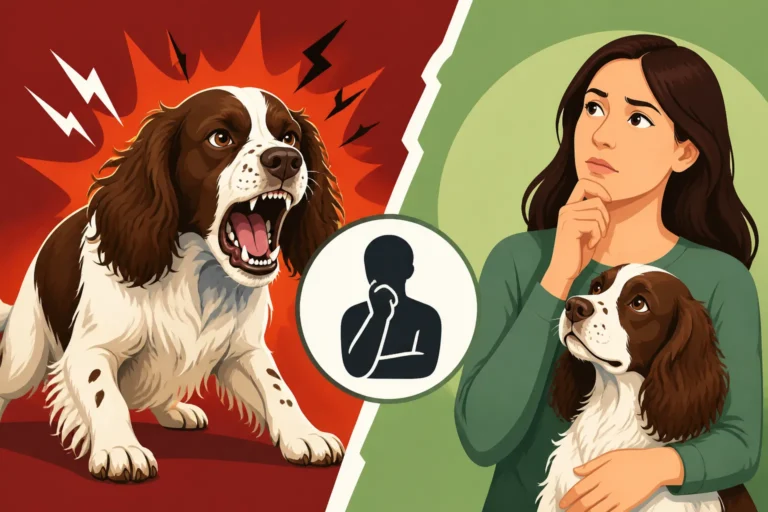
Whether Chronic Ear Disease Deafens a Springer Spaniel
Battling persistent ear infections in your beloved English Springer Spaniel can feel like a never-ending cycle of vet visits, medicated drops, and that distinctive yeasty smell. It's frustrating, expensive, and heartbreaking to see your dog in discomfort. A common and deeply worrying question many owners eventually ask is: can this chronic ear disease eventually deafen my Springer Spaniel? This comprehensive guide will explore the mechanisms behind ear disease, its progression, and whether hearing loss is an inevitable outcome for these wonderful, but often ear-challenged, dogs.
Why Springer Spaniels Are So Prone to Ear Troubles
If you own a Springer Spaniel, you're likely intimately familiar with their glorious, floppy ears. While undeniably charming, this very feature is a primary culprit in their predisposition to ear infections. It’s not just about their ears, though; their active lifestyles and genetic predispositions play a huge role, too.
The Anatomy of a Trapped Ear Canal
Imagine trying to keep a dark, warm, and damp cave clean and dry. That’s essentially what a Springer Spaniel’s ear canal is like. Their long, pendulous ear flaps, or pinnae, hang down, effectively covering the ear canal opening. This design severely restricts airflow, creating a humid, poorly ventilated environment. Couple that with the abundant hair that often grows deep within the ear canal, and you have a perfect breeding ground for bacteria, yeast (like Malassezia), and even ear mites.
The reduced air circulation means that any moisture that enters the ear, whether from swimming, a bath, or just humidity, stays trapped for much longer. This persistent dampness alters the natural pH balance of the ear canal, weakening its natural defenses and allowing opportunistic pathogens to thrive. It’s a design flaw, in a way, that evolution hasn’t quite fixed for these beautiful dogs. This is why you often hear that Why a Springer Spaniel's Ears Are Never Quite Healthy is a common lament among owners.
Active Lifestyles and Environmental Exposure
Springer Spaniels are renowned for their boundless energy and their love for adventure. They are field dogs at heart, whether they're actively hunting, competing in agility, or simply exploring every puddle and patch of tall grass in the park. This enthusiasm, while endearing, further exacerbates their ear vulnerability. Their ears often drag through mud, water, dense brush, and thick undergrowth, picking up all sorts of debris.
When they plunge into lakes, rivers, or even their own water bowls, water invariably gets into their ear canals. As mentioned, the floppy ear traps this moisture, setting the stage for infection. Furthermore, foreign bodies like grass awns (those sneaky little plant seeds), dirt, and burrs can easily lodge deep within the ear canal. These foreign invaders can cause irritation, inflammation, and even puncture the eardrum if left unchecked, creating entry points for bacteria. It's a constant battle, especially if your Springer enjoys water work, making you wonder Whether Swimming Causes a Springer Spaniel's Ear Trouble.
Underlying Allergic Predispositions
Beyond anatomy and lifestyle, many Springer Spaniels carry a genetic predisposition to allergies, often referred to as atopy. These allergies can be environmental (pollen, dust mites, molds) or food-related. When a Springer Spaniel experiences an allergic flare-up, one of the most common manifestations is inflammation and itchiness in their ears and skin. This isn't just an external itch; the allergic reaction causes the lining of the ear canal to become inflamed, swollen, and often triggers an overproduction of wax.
This allergic inflammation further narrows the ear canal, making it even harder for air to circulate and for natural secretions to drain. The inflamed, moist, and waxy environment then becomes an ideal buffet for secondary bacterial and yeast infections. So, while you might be treating the visible infection, the underlying allergy is a continuous trigger, often causing recurrent problems. Understanding Whether a Springer Spaniel's Ear Infection Is Allergy Driven is crucial for effective long-term management.
The Insidious Progression of Untreated Chronic Ear Disease
It’s easy to dismiss a mild ear itch or a bit of head shaking as just "being a Springer." But the truth is, a seemingly minor ear issue can quickly spiral into a debilitating chronic condition if not properly addressed. The progression from acute infection to chronic disease is a slow, destructive march that can have serious implications for your dog's health and comfort.
From Acute Infection to Persistent Problem
An acute ear infection often starts with clear symptoms: your dog might be shaking its head, scratching at its ear, or you might notice a discharge or odor. A trip to the vet, a course of antibiotics or antifungals, and a few weeks of ear drops usually clear it up. The problem arises when the infection isn't completely resolved, or when the underlying causes (like allergies or trapped moisture) are not managed.
If treatment is stopped too soon, or if the wrong medication is used, the bacteria or yeast can develop resistance or simply lay dormant, ready to flare up again. Each subsequent infection, especially if it's not thoroughly treated, leads to more inflammation and scar tissue formation. This cycle of infection and inflammation makes the ear canal increasingly vulnerable, turning what was once an acute issue into a persistent, chronic battle. It's a frustrating reality that many owners face, constantly fighting a recurring issue and asking Whether a Springer Spaniel's Ear Infection Recurs.
Structural Changes Within the Ear Canal
The ear canal isn't designed to withstand constant inflammation. Over time, chronic irritation triggers a series of irreversible changes in the ear's structure. The delicate skin lining the ear canal thickens, a condition known as hyperplasia. This thickening, combined with swelling, causes the ear canal to narrow significantly – a process called stenosis. Imagine trying to clean a tube that's gradually getting smaller and smaller; it becomes incredibly difficult.
Furthermore, the glands within the ear canal that produce wax become overactive, churning out more and more cerumen (ear wax), which combines with dead skin cells and inflammatory debris to form a thick, pasty plug. In severe, long-standing cases, the cartilage of the ear canal itself can become calcified, turning hard and rigid. These changes create a self-perpetuating cycle: the narrowed, thickened canal traps more moisture and debris, making it even harder for medications to penetrate and for the ear to self-clean, thus fueling further infection.
The Threat to the Middle and Inner Ear
The external ear canal ends at the eardrum (tympanic membrane). This delicate membrane separates the outer ear from the middle ear, which contains tiny bones (ossicles) that transmit sound vibrations. If a chronic infection in the outer ear canal continues unchecked, the persistent inflammation and pressure can eventually damage or even perforate the eardrum.
Once the eardrum is compromised, the infection gains access to the middle ear, leading to a condition called otitis media. This is a much more serious infection and can cause intense pain, balance issues, and significantly impair hearing. From the middle ear, the infection can, in extreme cases, spread to the inner ear (otitis interna), which houses the vestibular system (responsible for balance) and the cochlea (responsible for hearing). Inner ear infections are severe, often causing profound balance problems (head tilt, circling, nystagmus) and, critically, the potential for permanent hearing loss. Promptly recognizing Signs a Springer Spaniel Has an Ear Infection is vital to prevent this escalation.
How Chronic Inflammation Steals Hearing
Yes, chronic ear disease can absolutely deafen a Springer Spaniel. It's not usually a sudden event, but rather a gradual deterioration that occurs as the prolonged inflammation and infection cause irreversible damage to the delicate structures responsible for hearing. Understanding how this happens is crucial for appreciating the importance of vigilant ear care.
Damage to the Eardrum and Ossicles
The pathway for sound begins when sound waves enter the ear canal and cause the eardrum to vibrate. These vibrations are then transferred to three tiny bones in the middle ear: the malleus, incus, and stapes, collectively known as the ossicles. These ossicles amplify and transmit the vibrations to the inner ear. This entire process is incredibly delicate.
When chronic ear infections lead to severe inflammation, persistent fluid accumulation, or recurrent perforations of the eardrum, this vital pathway is disrupted. The eardrum itself can thicken, scar, or rupture, preventing it from vibrating efficiently. The ossicles can become stiff, fused, or even damaged by the infection, hindering their ability to transmit sound. This type of hearing loss, where sound waves cannot effectively reach the inner ear, is called conductive hearing loss. While sometimes reversible if the underlying cause is treated, long-standing damage can render it permanent.
Inner Ear Nerve Damage and Irreversible Changes
The most devastating impact on hearing occurs when the infection or inflammation spreads to the inner ear. The inner ear contains the cochlea, a spiral-shaped, fluid-filled structure lined with thousands of tiny hair cells. These hair cells convert the mechanical vibrations received from the middle ear into electrical signals, which are then sent to the brain via the auditory nerve. This process is how your Springer Spaniel actually "hears."
Severe or chronic otitis interna can cause irreparable damage to these delicate hair cells and the auditory nerve itself. The inflammation can destroy these sensory cells, or the toxins produced by bacteria can directly attack the nerve tissue. Once these hair cells or nerve fibers are damaged, they cannot regenerate. This results in sensorineural hearing loss, which is typically permanent. The dog may become partially or completely deaf in the affected ear. This permanent damage is the stark reality that can arise from unchecked, long-term ear issues.
End-Stage Ear Disease and Surgical Solutions
In the most extreme cases of chronic ear disease, the ear canal becomes so severely diseased that it's beyond medical repair. This is often referred to as "end-stage ear disease." The ear canal might be completely calcified, severely narrowed (stenotic), and constantly infected, causing the dog immense pain and often, significant hearing loss. At this point, even aggressive medical treatment offers little relief, and the dog's quality of life is severely compromised.
For these dogs, the only viable solution to alleviate pain and chronic infection is often a surgical procedure called a Total Ear Canal Ablation (TECA). During a TECA, the entire diseased ear canal, including the eardrum and sometimes parts of the middle ear, is surgically removed. While this surgery is highly effective at resolving pain and infection, it inevitably results in complete and permanent deafness in the operated ear. It's a life-changing decision for both dog and owner, highlighting the severe consequences of letting ear disease progress. The financial implications of such a complex surgery can be significant, making a robust pet insurance plan, like one from Healthy Paws, an invaluable asset.
Here's a table illustrating the progression and potential impact on hearing:
| Stage of Ear Disease | Characteristics | Symptoms (Owner May Notice) | Potential Impact on Hearing |
|---|---|---|---|
| Acute Otitis Externa | Initial infection of the outer ear canal (bacteria, yeast, mites). | Head shaking, ear scratching, redness, discharge, odor. | Mild or temporary conductive loss. |
| Recurrent/Chronic Otitis Externa | Repeated infections; inflammation, thickening, narrowing of outer ear canal. | Persistent symptoms, increased wax, pain on touching ear. | Moderate conductive loss, increasing. |
| Otitis Media | Infection spreads to the middle ear (behind the eardrum). | Severe pain, head tilt, balance issues, facial nerve paralysis. | Significant conductive hearing loss. |
| Otitis Interna | Infection spreads to the inner ear (cochlea, vestibular system). | Severe balance loss, nausea, profound pain, nystagmus. | Permanent sensorineural hearing loss. |
| End-Stage Ear Disease | Irreversible structural changes: calcification, complete occlusion. | Constant pain, head shaking, rubbing, unresponsiveness. | Severe to complete deafness. |
Proactive Management and Prevention to Preserve Hearing
The good news amidst the grim realities of chronic ear disease is that much can be done to prevent its progression and safeguard your Springer Spaniel's hearing. It requires a proactive approach, consistent care, and a strong partnership with your veterinarian.
Consistent Ear Cleaning and Drying
This is the cornerstone of prevention, especially for a breed like the Springer Spaniel. Regular ear cleaning helps remove excess wax, debris, and moisture, preventing the build-up that leads to infection. After every bath, swim, or romp in wet conditions, it's crucial to thoroughly dry your dog's ears. A soft towel can be used to gently blot the ear flap and the outer part of the canal. For deeper drying, an ear-drying solution specifically formulated for dogs can be used.
Your veterinarian can recommend an appropriate ear cleaner for routine use, often one that contains a drying agent or an acidifier to help maintain a healthy ear environment. It's important not to use cotton swabs deep inside the ear canal, as this can push debris further in or even damage the eardrum. Instead, a cotton ball or pad with cleaner is generally used to wipe the visible parts of the ear. Learning Which Ear Cleaner Suits a Springer Spaniel and Drying a Springer Spaniel's Ears After Swimming are key skills for any Springer Spaniel owner.
Regular Veterinary Check-ups and Early Intervention
Never underestimate the power of early detection. At the first sign of an ear issue – be it head shaking, scratching, redness, or an unusual smell – schedule a vet visit. Don't wait to see if it "gets better on its own." Your veterinarian can perform an otoscopic exam to look inside the ear canal, and often a cytology (microscopic examination of a sample from the ear) to identify whether bacteria, yeast, or mites are present.
Prompt and appropriate treatment, administered for the full duration prescribed by your vet, is essential to completely clear an infection. This prevents it from becoming chronic. If your Springer Spaniel experiences frequent ear infections, discuss a preventative cleaning schedule and regular check-ups with your vet. Catching issues early can prevent the destructive cascade of inflammation and structural changes that lead to hearing loss. The cost of frequent vet visits and medications can add up, but a solid pet insurance plan from Healthy Paws can provide welcome financial relief, covering a significant portion of diagnostic tests and treatments.
Addressing Underlying Causes
For many Springer Spaniels, ear infections are a symptom of a deeper problem, most commonly allergies. If your dog suffers from recurrent ear issues, your vet might recommend further investigation into underlying allergies. This could involve trying a prescription elimination diet to rule out food allergies or discussing environmental allergy testing (blood tests or intradermal skin tests) to identify specific allergens.
Once identified, allergy management can involve various strategies:
- Dietary changes: For food allergies, a hypoallergenic diet.
- Medications: Antihistamines, corticosteroids, or newer medications like Apoquel or Cytopoint injections, which target the itch and inflammation associated with allergies. These can be transformative for dogs suffering from chronic allergic otitis. Many owners find effective relief with options like Apoquel for a Springer Spaniel's Itch.
- Environmental controls: Reducing exposure to identified environmental allergens where possible.
Managing the underlying allergy reduces the inflammation in the ear canals, making them less hospitable for secondary infections and giving them a chance to heal properly.
Advanced Diagnostics and Specialist Care
If your Springer Spaniel's ear disease is complex, severe, or simply not responding to conventional treatment, your veterinarian might recommend a referral to a veterinary dermatologist or surgeon. These specialists have advanced training and equipment to tackle difficult cases. A veterinary dermatologist can delve deeper into allergy testing, perform video otoscopy (using a tiny camera to get a clear view of the ear canal and eardrum, and even retrieve foreign bodies), and develop a tailored long-term management plan.
For cases where structural changes are significant or middle ear infection is suspected, advanced imaging like CT scans or MRIs might be necessary to assess the extent of the damage. A veterinary surgeon would be consulted if surgery, such as a TECA, becomes the only option to provide relief from pain and infection. Investing in specialized care, though potentially costly, can often be the only way to prevent irreversible damage and profound deafness in severe cases. It's in these situations that the comprehensive coverage offered by companies like Healthy Paws can truly make a difference, helping owners afford the best possible care for their beloved companions.
Disclaimer
This article is intended for informational purposes only and does not constitute medical advice. Always consult with a qualified veterinarian for any health concerns or before making any decisions about your pet's health or treatment plan.