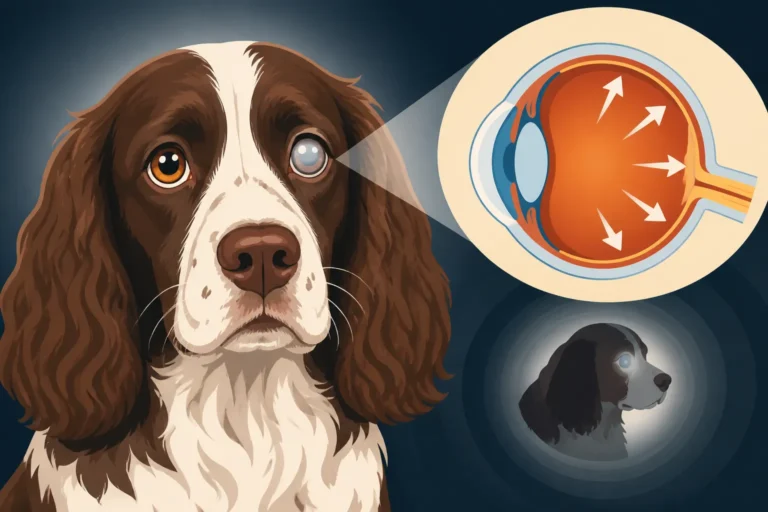
Whether a Springer Spaniel Remembers a Rage Episode
It's an incredibly frightening and confusing experience for any Springer Spaniel owner to witness a rage episode. You see your loving, goofy companion suddenly transform into a rigid, snarling animal, seemingly without warning or reason, and then just as quickly, they return to their normal selves, often looking bewildered. The question that haunts every owner who has lived through such an event is: did they remember what just happened? Did my dog remember that terrifying moment? It’s a natural, heartbreaking concern, and this guide aims to delve into the current understanding of canine memory and rage syndrome to help you find some answers and comfort.
Understanding Rage Syndrome in English Springer Spaniels
Rage Syndrome, often more accurately termed Sudden Onset Aggression (SOA) or sometimes referred to as 'Springer Rage,' is a challenging neurological condition that can affect English Springer Spaniels, among other breeds. It's not simply a behavioral issue; it's believed to be a form of focal seizure activity in the brain.
What an Episode Actually Looks Like
Imagine your sweet Springer, perhaps curled up on the rug or gently interacting with you, when suddenly, their body tenses. Their eyes might glaze over, pupils dilate, and a low growl begins, escalating rapidly into a furious snarl and even a bite, often directed at the closest person or object, even their beloved owner. The dog appears unresponsive to commands, as if in a trance. Their movements can be stiff, almost robotic, and the aggression seems completely unprovoked and out of character. This isn't your dog making a choice to be aggressive; it's a physiological event. The episode itself is typically very short, usually lasting only a minute or two, sometimes even less. But to those witnessing it, it feels like an eternity. Afterward, the dog often seems confused, disoriented, and may even appear apologetic or fearful, as if they've just woken from a strange dream. This post-episode behavior is key to understanding whether they remember the event. For a deeper dive, check out What Sudden Onset Aggression Looks Like in a Springer Spaniel.
The Neurological Basis of Rage Syndrome
The leading theory among veterinary neurologists is that rage syndrome is a form of complex partial seizure. This means that unlike a grand mal seizure where the entire brain is affected and the dog typically loses consciousness and convulses, a partial seizure involves abnormal electrical activity in a specific area of the brain. In the case of rage syndrome, this activity is thought to occur in parts of the brain responsible for emotion, fear, and aggression. This isn't something the dog can control any more than a person can control an epileptic seizure.
During a complex partial seizure, the dog may not fully lose consciousness but will be in an altered state of awareness. They might be able to move and react, but their actions are not under conscious control. Think of it like a short-circuit in the emotional control center. Neurotransmitter imbalances, often associated with epilepsy, are believed to play a role. Because it's a neurological event, the typical behavioral modification techniques used for aggression don't apply in the same way, and indeed, can be detrimental. This understanding is crucial because it removes the blame from the dog and shifts the focus to medical management and environmental control. It's why many reputable breeders and vets now acknowledge Whether Rage Syndrome in Springer Spaniels Is Real as a distinct medical condition.
The Science of Canine Memory and Trauma
To understand if a Springer Spaniel remembers a rage episode, we first need to explore how dogs process and retain information. Canine memory isn't identical to human memory, particularly when it comes to complex emotional events or episodes of altered consciousness.
How Dogs Form Memories
Dogs definitely have memory, but it operates differently from ours. They primarily excel at associative memory and spatial memory. Associative memory means they learn to associate certain cues (sounds, smells, words, situations) with outcomes (rewards, punishments, comfort, fear). This is how they learn commands, house training, and even who their family members are. If you say "walkies," they associate the word with the leash and a pleasant outing. If you always give them a treat after they sit, they associate "sit" with a treat.
They also possess a strong episodic-like memory, meaning they can recall specific past events, like where they buried a bone or the route to the park, suggesting they have some capacity to remember "what, where, and when." However, whether this translates to remembering complex emotional states or periods of unconsciousness is a different question. They don't typically re-live past events with the same narrative detail or self-awareness that humans do. Their memory is often more about connections and sensory experiences than a linear story.
Dissociation and Post-Episode Behavior
The concept of dissociation is really important here. When a dog is experiencing a complex partial seizure, which rage syndrome is believed to be, they are effectively in a state of altered consciousness. Their brain is not functioning normally, and they are not fully aware or in control of their actions. This state is very much like dissociation, where the mind separates from reality or from aspects of conscious experience.
After such an episode, dogs often exhibit behaviors that strongly suggest they have no conscious memory of the event itself. They might look dazed, confused, and need a moment to reorient themselves. They might sniff around, blink rapidly, or even shake their head, as if clearing cobwebs. Owners frequently report their Springer looking utterly bewildered, sometimes even cowering or seeking comfort, which is vastly different from a dog who has knowingly acted aggressively. If they remembered the rage, you might expect sustained fear or a continuation of the aggressive posture, or even a deep-seated apprehension that doesn't usually manifest in the confused, "where am I?" demeanor often observed. This post-ictal (after seizure) confusion is a strong indicator that the event was not consciously processed or stored in long-term, retrievable memory.
Do Springer Spaniels Remember Rage Episodes?
Based on current veterinary understanding and owner observations, the answer to whether a Springer Spaniel remembers a rage episode is generally no, not in the way humans would remember a traumatic event.
The Lack of Conscious Recall
Veterinarians and animal behaviorists who specialize in neurological disorders largely agree that during a rage episode, your Springer Spaniel is not consciously aware of their actions. It's similar to how a human experiencing a complex partial seizure often has no memory of the event. They might perform automatic, seemingly purposeful actions, but when they "come to," they have no recollection of what occurred.
Think of it like sleepwalking or having a vivid dream that you can't quite piece together. Your dog's brain is essentially having an electrical storm in the areas controlling aggression and emotional regulation. During this storm, the parts of the brain responsible for forming and retrieving conscious, narrative memories are likely offline or severely disrupted. When the episode passes, the brain essentially resets, and the dog emerges from it without a clear memory of the aggressive outburst. Owners often describe their dog as "coming back to themselves" with a look of confusion, as if waking from a deep sleep, and sometimes even showing signs of remorse or fear, which is a reaction to the confusion and perhaps the owner's distressed reaction, rather than recalling the aggressive act itself. This is why you shouldn't punish your dog for a rage episode; they weren't in control.
Learning from Triggers, Not the Event Itself
While your Springer Spaniel likely doesn't remember the rage episode itself, they can absolutely form associations with the triggers or environmental cues that often precede an episode. This is a crucial distinction. For example, if an episode is consistently triggered by a sudden loud noise, a specific interaction, or being touched in a particular way, the dog's associative memory might link that cue with a feeling of impending distress or a neurological "warning."
So, your dog might start showing anxiety or avoidance behaviors around those specific triggers, not because they remember the aggressive outburst they had, but because their brain has learned to anticipate the unpleasant or disorienting feeling that often follows that trigger. This is a form of classical conditioning. They learn to associate X with Y (e.g., specific touch with feeling unwell), even if they don't consciously recall the "unwell" part. This highlights the importance of identifying and managing triggers as a key part of living with a Springer Spaniel affected by rage syndrome. Understanding these triggers is paramount for effective management, as discussed in Whether Medication Controls a Springer Spaniel's Rage.
Living with a Springer Spaniel Prone to Rage
Discovering your Springer Spaniel has rage syndrome can be incredibly isolating and distressing. However, with understanding and proper management, many dogs can live good, if carefully managed, lives.
Managing Triggers and Environment
The first step in living with a Springer Spaniel prone to rage episodes is to become a detective of triggers. Keep a detailed log of every episode, noting the time, location, what was happening just before, during, and after, and any sounds, people, or objects present. This information can reveal patterns that will help you identify and avoid triggers. Common triggers can include:
- Sudden touch or restraint: Some dogs react to being petted when asleep, having their nails trimmed, or being held.
- High-arousal situations: Over-excitement, busy environments, or intense play can sometimes overload their system.
- Specific sounds or visual stimuli: Certain frequencies, flashing lights, or even specific colors might be an issue.
- Fatigue or hunger: Just like in humans, these can lower a dog's seizure threshold.
Once you identify potential triggers, the goal is to manage the environment to minimize exposure. This might mean creating a quiet, safe space where your dog can retreat, avoiding crowded public places, or altering your routine to prevent overstimulation. For instance, if your dog reacts to being woken, establish a clear warning system, like gently calling their name from a distance before approaching. Ensure your home is a calm, predictable environment. While they don't remember the episode, they learn from the lead-up, so creating a stable routine is beneficial. Consider reading more about The Push to Breed Springer Spaniels for Temperament to understand the genetic implications.
The Role of Veterinary Care and Medication
If you suspect your Springer Spaniel is experiencing rage episodes, the absolute first step is a comprehensive veterinary evaluation. It's crucial to rule out other medical conditions that can cause similar aggressive outbursts, such as pain, hypothyroidism, or other types of epilepsy. Your vet might recommend blood tests, a neurological exam, and potentially an EEG to diagnose the condition. For more on diagnosis, see Whether an EEG Diagnoses Springer Spaniel Rage.
Medication is often a cornerstone of managing rage syndrome. Anti-epileptic drugs (AEDs) are frequently prescribed, as rage syndrome is considered a seizure disorder. These medications work by stabilizing brain activity and raising the seizure threshold, making episodes less frequent and less severe. Finding the right medication and dosage can take time and may involve trial and error, so patience and close communication with your vet are essential. Regular follow-up appointments and blood work to monitor medication levels and liver function will be necessary. Insurance providers like Healthy Paws can be incredibly helpful in mitigating the ongoing costs associated with diagnostic testing, specialist consultations, and long-term medication for a chronic condition like rage syndrome. Thinking about What Insuring a Springer Spaniel Runs early on is a smart move.
| Aspect of Memory | Human (Seizure/Trauma) | Canine (Rage Episode) |
|---|---|---|
| Conscious Recall | Often partial or full recall, can be traumatic. | Generally no conscious recall of the aggressive act itself. |
| Awareness During | Varied, from full to none (blackout). | Altered state of consciousness, not fully aware. |
| Emotional Impact | Can lead to PTSD, anxiety, fear of recurrence. | Confusion, disorientation, may react to owner's distress. |
| Learning from Event | Remembers incident, learns to avoid triggers consciously. | Learns to associate triggers with impending "unwell" feeling (associative). |
| Post-Episode Behavior | May seek comfort, express fear or distress, or be disoriented. | Typically confused, dazed, disoriented; may seek reassurance. |
Supporting Your Dog and Your Family
Living with a Springer Spaniel affected by rage syndrome is a significant commitment. It requires immense understanding, patience, and often a shift in lifestyle. Your dog isn't acting out of malice; they are battling a neurological disorder. Provide a safe, consistent environment, avoid identified triggers, and adhere strictly to medication schedules. Remember, positive reinforcement training methods are vital. This breed is known for being soft and sensitive, and harsh corrections can be counterproductive and even dangerous, potentially triggering an episode. This is why understanding The Soft Springer Spaniel That Shuts Down If You Shout is crucial for their overall well-being.
It’s also crucial to remember that this condition can be emotionally taxing for owners. You might feel fear, frustration, sadness, or even guilt. Don't hesitate to seek support for yourself, whether it's through online forums for owners of dogs with rage syndrome, a pet loss and bereavement counselor, or discussions with friends and family who understand. Ensuring your dog's quality of life and safety, as well as the safety of those around them, is paramount. In some severe cases where episodes are frequent, unpredictable, and uncontrollable despite medication, and the risk to safety remains high, owners may face the agonizing decision of euthanasia. This is a topic no one wants to consider, but it's important to know the gravity of the condition and the extreme measures sometimes required to prevent harm. Knowing Whether a Springer Spaniel With Rage Can Be Kept is a difficult question with no easy answers, emphasizing the need for professional guidance.
Dealing with a Springer Spaniel with rage syndrome is a journey that underscores the deep bond we share with our canine companions and the lengths we go to care for them through their challenges. Pet insurance, such as plans from Healthy Paws, can be an invaluable resource to cover the often significant veterinary costs associated with diagnosing and managing chronic conditions like rage syndrome, offering peace of mind during a stressful time.
Disclaimer
This article is intended for informational purposes only and does not constitute veterinary advice. If you suspect your English Springer Spaniel is experiencing rage syndrome or any other health issue, please consult with a qualified veterinarian for accurate diagnosis and treatment.