When the Welsh Springer Split From the English
It’s easy to get a little mixed up when we talk about Springer Spaniels, isn't it? Many folks wonder about the relationship between the English Springer Spaniel and the Welsh Springer Spaniel – are they the same breed, or just different versions? You might be surprised to learn that while they share a common ancestor, these two distinct breeds forged their own paths many, many years ago. This guide will take a stroll through history to uncover precisely when and how the Welsh Springer Spaniel officially branched off from its English cousin, helping you appreciate their unique journeys.
The Deep Roots of the Spaniel Family Tree
Before we can truly understand when the Welsh Springer Spaniel split from the English, we need to go back, way back, to the origins of spaniels themselves. These wonderful dogs have a long, storied history, primarily as hunting companions, and their family tree is intertwined with the very development of gun dogs. For centuries, dogs were classified more by their job than by a rigid breed standard as we know it today.
Early Spaniel Types and Their Roles
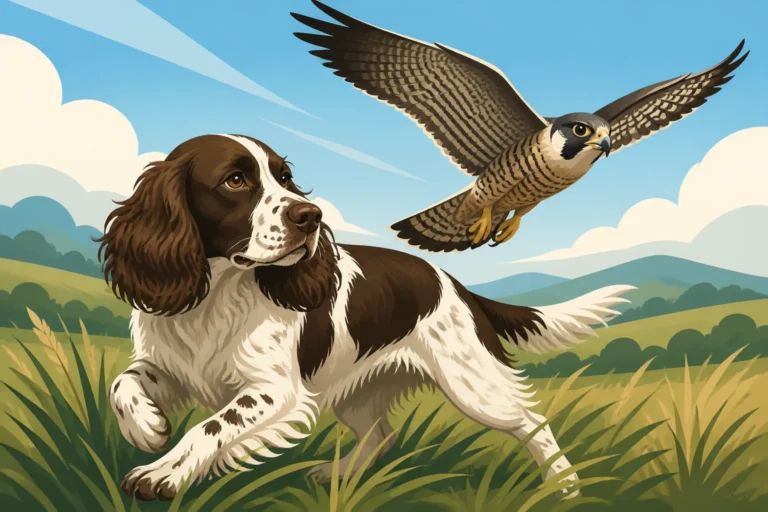
Imagine a time when there weren't "breeds" like we categorize them now, but rather types of dogs. In medieval Europe, spaniels were broadly recognized for their ability to work in thick cover, flushing game for nets, falcons, or early firearms. They were divided more by their size and the kind of game they pursued, or sometimes simply by the terrain they worked. A smaller spaniel might have been called a "cocker" (from woodcock), while a larger one performing a similar job might have been a "springer." This fluid classification meant that puppies from the same litter could even be sorted into different categories based on their eventual size and suitability for specific tasks. It’s fascinating to think how How Springer Spaniels Were Sorted by Size Before 1902 actually worked.
The very word "spaniel" is thought to derive from "Spain," suggesting their origins or popularization on the Iberian Peninsula before making their way across Europe, eventually reaching the British Isles. These early spaniels were invaluable to hunters, acting as eager, tireless partners. Their soft mouths and keen noses made them perfect for finding game hidden in dense undergrowth. As hunting methods evolved and firearms became more prevalent, the need for dogs that could not only find and flush game but also retrieve it intact grew stronger.
The Emergence of "Springing" Dogs
Within this diverse spaniel population, certain dogs became particularly adept at "springing" game—that is, flushing birds or small mammals from cover into the air, making them visible targets for the hunter. This specific skill set gave rise to the term "springer." These were active, robust dogs, built for endurance and keen on scent. Their method of working, often in a forward-and-back pattern, systematically covered ground to locate hidden quarry. This "springing" trait was highly prized and naturally led to breeders focusing on selecting dogs that excelled at it. Understanding How Old the Springer Spaniel Is as an English Gundog really puts things into perspective.
Over generations, the dogs performing this springing action developed a distinct type, often larger and leggier than their "cocker" counterparts. They were dogs that could navigate tough terrain for hours, with powerful drive and an innate desire to please their handler. While still considered part of a broader spaniel group, the specialization of their role was a significant step towards the eventual formalization of breeds. It was all about utility and effectiveness in the field, shaping their physical and mental attributes long before kennel clubs ever drew up a standard.
The Divergence: When Welsh and English Went Their Own Ways
So, how did these generally recognized "springing spaniels" eventually split into two distinct breeds: the English Springer Spaniel and the Welsh Springer Spaniel? It wasn't an overnight decision, but rather a gradual process influenced by geography, local preferences, and, eventually, formal recognition.
The Role of Geographic Isolation and Breeding Practices
The separation largely began due to geographical isolation and the preferences of breeders in different regions of Great Britain. In Wales, a distinct type of spaniel developed, favored by local hunters and nobility. These Welsh dogs were known for their striking red and white coats, their slightly more compact build compared to some of the burgeoning English types, and their enduring hardiness in the rugged Welsh landscape. They were bred true to type within their region, meaning breeders focused on maintaining their specific characteristics without much cross-breeding with dogs from other areas. This natural isolation allowed for the consolidation of traits unique to the Welsh dogs.
Meanwhile, across the border in England, a different set of preferences and breeding lines were at play. English breeders were developing their own "springing spaniels," which would eventually become the English Springer Spaniel. These dogs often sported black and white or liver and white coats, and while equally adept in the field, they developed slightly different conformational characteristics due to different breeding choices. This isn't just about their looks; it's about generations of selective breeding by dedicated enthusiasts who saw distinct virtues in their local lines. It's truly fascinating to see How British and America Diverged on Springer Spaniel Type even later on.
Formal Recognition and Breed Standards
The pivotal moment for the official split came with the rise of formal dog shows and kennel clubs in the late 19th and early 20th centuries. Before this, "spaniels" were somewhat interchangeable based on function. But as dog breeding became more systematized, there was a drive to standardize breeds, define their characteristics, and register them.
The Kennel Club in England, a hugely influential body, played a crucial role. In 1902, the English Springer Spaniel was officially recognized as a distinct breed by The Kennel Club, separating it from other spaniel types. However, the Welsh Springer Spaniel had already gained its own separate recognition earlier, around 1900, establishing its independence as a breed. This formal recognition meant that breeders now had specific standards to adhere to for each breed, solidifying their physical and temperament differences.
This table illustrates the approximate timeline of their formal recognition:
| Breed Name | Approximate Year of First Formal Recognition | Dominant Coat Colors | Key Distinguishing Features |
|---|---|---|---|
| Welsh Springer Spaniel | Early 1900s (e.g., 1900) | Red & White | More compact, slightly longer body, gentle expression |
| English Springer Spaniel | Early 1900s (e.g., 1902) | Black & White, Liver & White | Often larger, slightly stockier, typically higher set ears |
This period marked a definitive split, moving from regionally distinct "types" to officially sanctioned "breeds." It highlights how deeply ingrained these dogs were in the hunting cultures of their respective regions, leading to their unique evolutionary paths.
Key Differences That Solidified the Split
Once formally recognized, the distinct characteristics of the Welsh and English Springer Spaniels became even more pronounced as breeders worked to perfect their lines according to the new breed standards. While both are incredible flushing spaniels, understanding their differences helps appreciate why the split was necessary.
Physical Distinctions
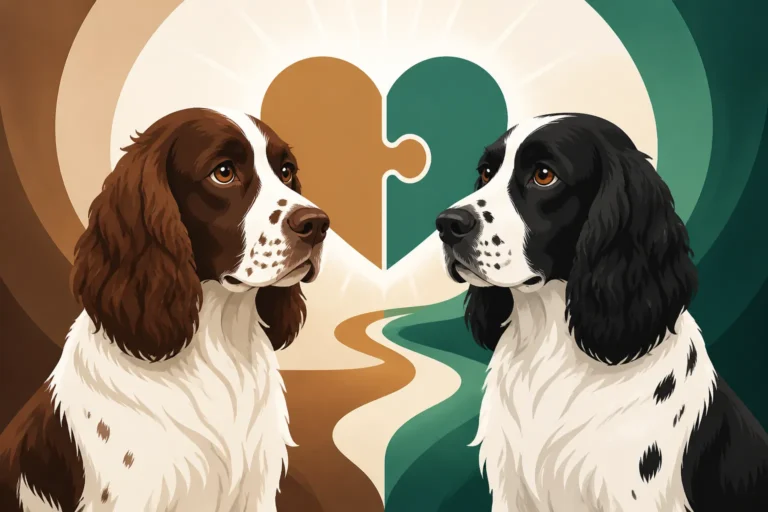
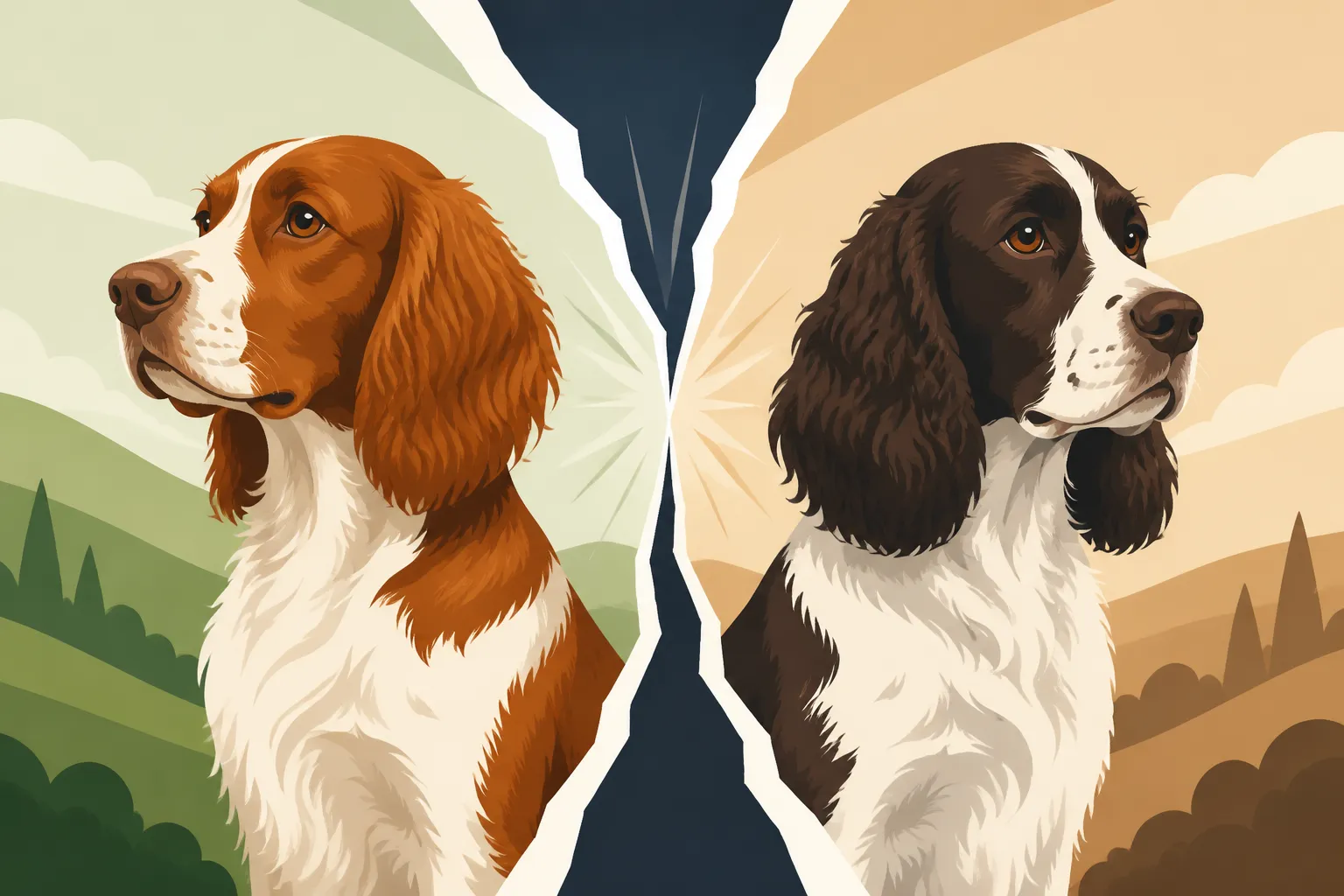
The most obvious difference between the Welsh and English Springer Spaniel lies in their appearance. The Welsh Springer Spaniel is exclusively red and white. Their rich, deep red markings against a crisp white background are their hallmark. They tend to have a slightly longer body proportion compared to the English Springer, giving them a more rectangular outline. Their ears are typically smaller and set higher than those of the English Springer Spaniel. If you’re ever wondering, Whether a Welsh Springer Spaniel Is Always Red and White, the answer is a resounding yes in the breed standard!
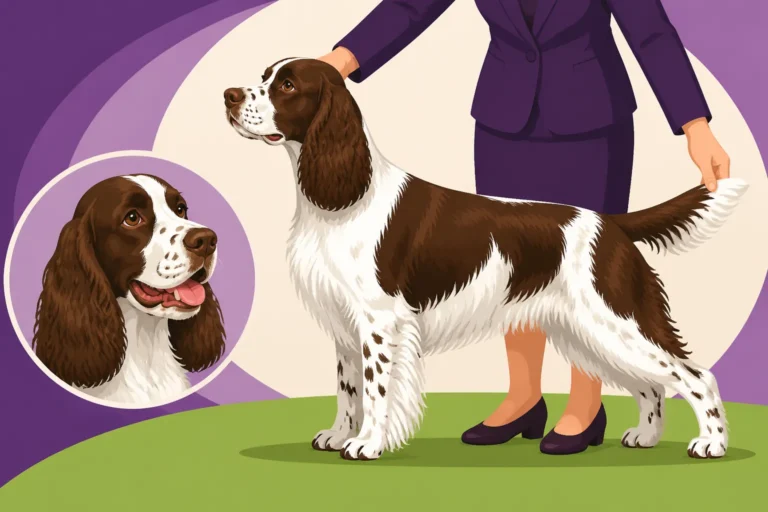
The English Springer Spaniel, on the other hand, comes in liver and white, or black and white, often with tan markings (tricolor). They are generally a bit larger and heavier boned, with a more square, compact body. Their ears are typically longer and set lower, framing their expressive faces. The coat texture can also vary slightly, with the English Springer often having a heavier, denser coat, especially in show lines, which can require more grooming. For pet parents, the specific grooming needs for a show-bred English Springer versus a Welsh Springer could even influence your choices when looking for a brush or shampoo on a site like Chewy.
Temperament and Working Style Nuances
While both breeds are high-energy, intelligent gundogs at heart, there are subtle differences in their temperaments and working styles that have been cultivated over generations. The Welsh Springer Spaniel is often described as being a bit more reserved, perhaps a tad less boisterous than its English cousin, though still incredibly eager to please and affectionate with its family. They can be a bit sensitive and thrive on positive reinforcement, much like The Soft Springer Spaniel That Shuts Down If You Shout. Their working style tends to be diligent and focused, demonstrating great endurance in the field.
The English Springer Spaniel is often characterized by its boundless enthusiasm, exuberance, and an almost clownish joy for life. They are renowned for their incredible drive and tenacity in the field, fearlessly plunging into the thickest cover. While equally intelligent and trainable, their energy levels can be quite intense, making them a fantastic fit for active families or dedicated hunters. When considering The Springer Spaniel Against a Welsh Springer Spaniel, it’s these nuances in personality and energy that often sway potential owners. Both breeds excel in various dog sports and make wonderful companions, but their distinct attributes certainly cater to different lifestyles and preferences. You can find all sorts of interactive toys on Chewy to help channel the energy of either breed, whether they're reserved or exuberantly bouncing off the walls.
In essence, the split wasn't just about a change in name; it was a recognition of unique developments in appearance, working ability, and temperament that had been nurtured in different parts of Britain. This separation has allowed both breeds to flourish, each cherished for its distinct qualities while carrying the proud legacy of the "springing spaniel" tradition.
Disclaimer
This article is for general informational purposes only and does not constitute professional advice. Laws, prices and regulations vary by location and change over time. Consult a qualified professional for guidance on your specific situation.