What a Springer Spaniel Did for a Gun Before Retrievers
It’s easy to look at a sleek, agile English Springer Spaniel today and appreciate their boundless energy and sweet nature, perhaps envisioning them as a beloved family pet or a dedicated hunting companion in the modern sense. However, many owners don't realize the critical, almost foundational, role these dogs played in the history of hunting with firearms, long before the specialized retrievers we know today ever stepped onto the scene. This guide will take a fascinating journey back in time, exploring precisely what a Springer Spaniel did for a gun before the age of dedicated retrievers, and how that legacy still shapes them.
The Dawn of Gundogs: Early Hunting Practices
Before the bang of a shotgun became synonymous with game bird hunting, the methods were quite different, and so was the role of the dog. The idea of a "gundog" as we understand it now simply didn't exist in the same way. Dogs were certainly partners in the hunt, but their tasks were tailored to the available technology and techniques of the era. Understanding this earlier context is crucial to appreciating the Springer Spaniel's original purpose.
Hunting Before Firearms: Nets and Hawks
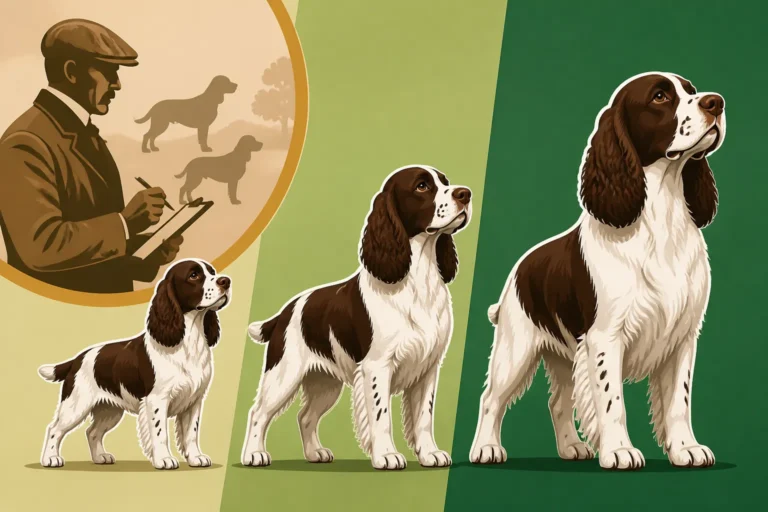
Imagine a time when the primary tools for catching game birds weren't firearms, but rather nets or birds of prey. In medieval and Renaissance Europe, hunting was often a sophisticated affair, involving falconry or intricate netting systems. Dogs, even then, were indispensable. They weren't just running around; they had specific jobs. Spaniels, the ancestors of our modern Springer, were often tasked with locating game hidden in dense cover. Their keen noses and tireless energy made them perfect for finding birds that had hunkered down, perhaps in tall grass or thickets. Once found, the dog would flush the bird, sending it skyward, presenting an opportunity for a falcon to strike or to be driven into strategically placed nets. It was a partnership of immense skill and coordination. Without a dog to locate and "spring" the game, many hunts would have been far less productive, making the spaniel type invaluable long before the invention of reliable firearms. It speaks volumes about their inherent talent that their role was so central to these ancient practices. How Springer Spaniels Worked With Nets and Hawks offers a deeper look into this fascinating period.
Early Firearms and the Need for a "Springer"
The introduction of early firearms revolutionized hunting, but these were crude, single-shot affairs, often inaccurate and slow to reload. They certainly weren't the fast, repeater shotguns of later centuries. This meant that the shot was precious and opportunities fleeting. A hunter couldn't just spray pellets; they needed a clear, close shot at a bird that was moving predictably. This is where the "springer" dog truly came into its own. The spaniel's job transitioned from flushing birds for nets or hawks to flushing them for the gun. The dog needed to work relatively close to the hunter, finding birds in cover, and then, on command or instinct, "springing" them into the air. This action, a controlled burst from cover, gave the hunter the best possible chance to take a shot. The dog wasn't expected to retrieve the fallen bird, as that skill set was yet to be fully developed and emphasized in dog breeding. Their value was almost entirely in their ability to locate hidden game and present it for the shot.
The Springer's Special Skill: Flushing Game
The very name "Springer Spaniel" is a direct nod to their original, primary function. It's not about how they look, or even their fetching ability, but the unique way they interacted with game birds in the field. This singular skill was the cornerstone of their existence as gundogs.
The Act of "Springing" Game
So, what exactly does "springing" game entail? Imagine a dense field, full of tall grasses, reeds, or tangled undergrowth. A covey of pheasants or a brace of partridge could be hidden just feet away, invisible to the human eye. This is where the Springer Spaniel excelled. With their exceptional noses to the ground, working in a methodical, zigzag pattern often called "quartering," they would diligently search every inch of cover. What Quartering Means in a Springer Spaniel delves into this distinctive hunting pattern. When a bird was located, instead of pointing or freezing, the Springer would burst forward, often with a joyful, excited energy, causing the bird to "spring" or fly up vigorously from its hiding spot. This sudden, explosive flush was precisely what the hunter needed. It was a controlled chaos, a carefully honed instinct that allowed the hunter to anticipate the bird's flight path and prepare for the shot. This was not a random chase; it was a purposeful, trained act, crucial for successful hunting with early firearms.
Why Flushing Was Paramount
In an era of less efficient firearms, flushing was not just a preference; it was a necessity. Without a dog to get the birds airborne, many would simply remain hidden, running through cover or staying camouflaged until the hunter passed by. A well-flushed bird, rising predictably, offered a much better target than one attempting to sneak away. The ability of the Springer to consistently find and flush game directly contributed to the hunter's success and, by extension, their food supply or sporting pleasure. These dogs were quite literally putting dinner on the table. The hunter relied on the dog to bring the game into play, understanding that their own role began once the bird was in the air. This division of labor made the Springer an indispensable partner. They were the engine of the hunt, igniting the action.
The Springer's Distinctive Working Style
The working style of the early Springer Spaniel was a beautiful ballet of instinct and cooperation. Unlike pointers, who freeze to indicate game, or setters, who 'set' or crouch, the Springer's job was active and energetic. They had to be bold enough to plunge into the thickest cover, yet responsive enough to stay within a reasonable range of the hunter – usually within gun range. Teaching a Springer Spaniel to Stay in Range was, and still is, a fundamental part of their training. Their tails would be constantly wagging, a clear indicator of their intense focus and excitement, and their bodies would often vibrate with anticipation as they neared scent. This close-working, flushing style meant the hunter was always engaged, always ready. It wasn't about sending a dog far out to retrieve; it was about orchestrating the encounter from start to finish, with the dog as the primary catalyst. This inherent drive to work closely and enthusiastically with their handler is something still deeply embedded in the breed's character today.
Before the Retrieve: What Happened Next
While modern gundog training often emphasizes the retrieve as much as, if not more than, the flush, this wasn't always the case. For early Springer Spaniels, once the bird was "sprung" and the shot taken, their primary role in that particular moment was largely complete. The subsequent actions were a blend of the hunter's skill and, sometimes, the dog's secondary instincts.
The Role of the Hunter After the Flush
Once the Springer had flushed the bird and the hunter had fired, the immediate responsibility shifted entirely back to the human. Hunters developed keen skills in marking where a bird fell, or at least the general area. This was a critical part of the process, as dense cover could easily swallow a downed bird. Without a dog specifically trained for retrieval, the hunter would then set about locating the game themselves. This often involved a meticulous search, sometimes using the dog's nose to help, but not in the specialized "go get that bird" manner we associate with modern retrievers. It was more of an aid to finding, rather than an independent act of bringing back. This phase could be time-consuming and frustrating, especially if the bird fell in a tricky spot or was only wounded and ran.
Marking the Fall and Collection
The art of marking the fall was a high-level skill for the early gundog hunter. They had to watch the bird intently after the shot, noting any landmarks—a distinctive tree, a clump of bushes, a change in terrain—to pinpoint where it landed. This visual tracking was their primary method. The Springer might stay near the hunter, observing, or might continue to hunt for new game, depending on their training and the immediate needs of the hunt. Once the general area was identified, the hunter would then wade into the cover to physically pick up the bird. Sometimes, a cooperative Springer might be encouraged to help sniff out the bird once the hunter was in the vicinity, leveraging their natural scenting abilities to aid in the final location. This was less about a trained "retrieve" command and more about an extension of their general hunting instinct. You might find a good dog training dummy on Chewy to practice these foundational concepts today, even if you’re just teaching basic fetch.
Early "Retrieving" — A Different Skill Set
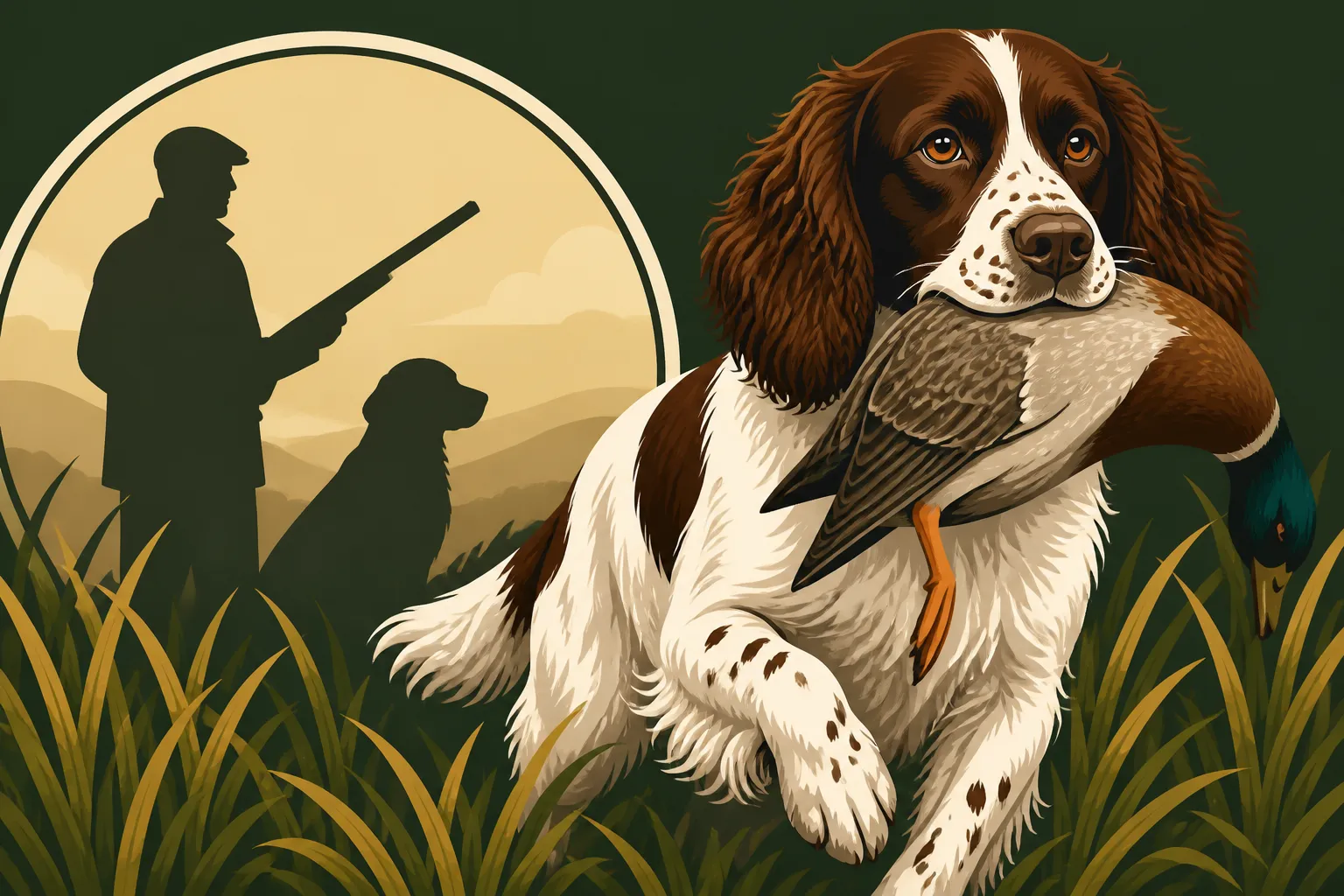
It’s not that spaniels never retrieved. They certainly had a natural tendency to pick things up in their mouths, and some undoubtedly brought fallen game back to their masters. However, this was often a natural inclination rather than a formally trained, consistent behavior. The focus in breeding and training was overwhelmingly on the flush. The concept of a "soft mouth"—the ability to carry game without damaging it—was not yet the paramount trait it would become with dedicated retrieving breeds. Early retrievals were often basic, direct, and sometimes involved a less gentle grip than modern standards demand. What a Springer Spaniel Retrieves can still be quite varied today, showcasing their adaptability. The crucial distinction is that the spaniel’s primary value wasn't derived from its retrieving prowess. It was an added bonus, not the main event.
The Rise of Retrievers and the Springer's Evolving Role
The hunting landscape eventually shifted dramatically with advances in firearm technology and the development of specialized retrieving breeds. This evolution changed the dynamics of the hunt and, consequently, the roles of different gundog types.
The Specialization of Retrievers
As firearms became more efficient, capable of quicker reloads and multiple shots, the volume of fallen game increased. This created a new problem: how to efficiently collect many birds, especially from water or dense cover where a hunter couldn't easily go. This need spurred the development and refinement of dedicated retrieving breeds, such as Labradors and Golden Retrievers. These dogs were bred specifically for their exceptional marking abilities, their tireless drive to fetch, and crucially, their "soft mouths" that could carry birds gently without leaving a mark. Their primary job was simple: find and bring back every single fallen bird. This specialization allowed hunters to maximize their take and minimize lost game, transforming the efficiency of the hunt. This era marked a divergence where the flush and the retrieve became distinct, often handled by different types of dogs working in tandem or by highly versatile individuals.
How the Springer Adapted to the New Era
The rise of dedicated retrievers didn't render the Springer Spaniel obsolete; rather, it allowed the breed to refine and, in many cases, add retrieving to its already formidable skillset. Instead of being solely a flusher, many Springers were now trained to be competent, if not exceptional, retrievers as well. Their natural drive, intelligence, and desire to please made them highly trainable. In many hunting scenarios, particularly in rough shooting or walked-up hunts, a single versatile Springer could still perform both functions: finding and flushing game, and then retrieving it after the shot. This adaptability ensured their continued relevance and popularity. They simply expanded their job description. Today, you'll often see active Springers happily retrieving balls or dummies from Chewy, showcasing this inherent drive even in non-hunting contexts.
Modern Springer Spaniel Versatility
Today, the English Springer Spaniel is celebrated for its incredible versatility. While some lines, particularly those bred for field trials, remain fiercely dedicated flushers with powerful retrieving abilities, others are bred with a greater emphasis on companion qualities while still retaining those core instincts. They can excel in a wide array of roles:
- Hunting: Still top-tier flushers and retrievers for upland game.
- Dog Sports: Agility, obedience, scent work, and dock diving are all natural fits for their athleticism and intelligence.
- Detection Work: Their superb noses make them excellent candidates for police, military, and conservation detection roles.
- Therapy and Assistance: Their friendly, eager-to-please nature makes them wonderful therapy dogs, bringing comfort to many.
This broad spectrum of abilities is a testament to their inherent intelligence, biddability, and the foundational instincts honed over centuries. A Field Bred Springer Spaniel Is a Different Dog to Live With highlights how these traits manifest in different breeding lines today.
Why This History Matters Today
Understanding the historical context of the Springer Spaniel isn't just a fascinating dive into the past; it provides crucial insights into the breed's temperament, needs, and enduring appeal. For any current or prospective owner, grasping their origins helps in providing the best possible home and training.
Understanding the Breed's Instincts
The Springer Spaniel’s history as a flushing gundog explains so much about their innate behaviors. That boundless energy? It comes from generations of dogs bred to cover vast amounts of ground tirelessly. Their keen nose, constantly to the ground, sniffing out every interesting scent? That's their flushing instinct, still present whether they're looking for pheasants or just a dropped cookie crumb. Their intense focus and desire to work closely with you? That's the legacy of a dog bred to be a partner, always checking in, always ready for the next command. When a Springer follows you from room to room, it's not just clinginess; it's a residual working trait, wanting to be involved in whatever "hunt" you're on. Recognizing these deep-seated instincts helps owners provide appropriate outlets, like regular exercise, a job to do (Whether a Springer Spaniel Needs a Job), and mental stimulation through scent games or training. Ignoring these needs can lead to frustration for both dog and owner.
Appreciating the Field vs. Show Divide
The historical evolution of the gundog also helps us understand the distinct lines within the Springer Spaniel breed today – the field-bred and the show-bred types. While both are English Springer Spaniels, they have, over time, been selectively bred for different attributes. Field-bred Springers more closely embody the intense working drive of their ancestors, prioritizing stamina, nose, and flushing prowess. Show-bred Springers, while still active, have often been bred for conformation standards, resulting in a heavier build and sometimes a slightly mellower temperament, though their ancestral instincts are still very much alive. The Seventy Year Gene Pool Divide Inside One Springer Spaniel Breed explains this divergence. This divide isn't about one being "better" than the other, but about different emphases on the traits that made the Springer such an effective gundog. Understanding this helps prospective owners choose the right type of Springer for their lifestyle.
Connecting to the Springer's Core Purpose
Ultimately, the history of the Springer Spaniel reminds us that these are dogs with a deep-seated purpose. They were bred to partner with humans, to engage their minds and bodies in a meaningful task. Even if your Springer Spaniel never sets foot in a hunting field, acknowledging this heritage allows you to connect with their true nature. Providing them with opportunities to use their nose, to "work" for rewards, to be an active part of your life, honors their lineage. Whether it's through obedience training, agility, long hikes, or simply playing fetch in the yard with toys from Chewy, you're tapping into the very essence of what made the Springer Spaniel an indispensable companion to the hunter, long before retrievers dominated the field.
| Historical Role Aspect | Pre-Firearms Era (Nets/Hawks) | Early Firearms Era (Springer's Prime) | Post-Retriever Era (Modern) |
|---|---|---|---|
| Primary Dog Task | Locate & flush game for nets/hawks | Locate & flush game for the gun | Locate, flush & retrieve game |
| Hunting Equipment | Nets, birds of prey | Crude, single-shot firearms | Efficient, multi-shot firearms |
| Retrieving Emphasis | Minimal, incidental | Minimal, hunter collected | High, specialized breeds developed |
| Working Range | Close to hunter/net | Close, within gun range | Can be further out for retrieves |
| Key Dog Trait | Nose, energy, flushing instinct | Nose, energy, controlled flush, biddability | Versatility, biddability, soft mouth |
| Hunter's Main Effort | Setting nets, handling birds of prey | Aiming, reloading, marking fall | Shooting, directing retriever |
This table illustrates the progression of hunting techniques and how the Springer Spaniel's role evolved and solidified its place as a truly essential gundog, even as other specialized breeds emerged.
Disclaimer
This article is for general informational purposes only and does not constitute professional advice. Laws, prices and regulations vary by location and change over time. Consult a qualified professional for guidance on your specific situation.