What a Springer Spaniel Actually Weighs
One of the first things many prospective owners wonder about a beautiful, energetic breed like the English Springer Spaniel is their size and, naturally, their weight. You might envision a sturdy, medium-sized dog, but what does "medium" truly mean on the scale? It's easy to get caught up in numbers, especially when you’re trying to picture this lively companion in your home, but understanding a Springer’s weight is more nuanced than just looking at a single figure. This guide will walk you through everything you need to know about a Springer Spaniel's weight, from breed standards to healthy assessment, and the many factors that can tip the scales.
Understanding the Breed Standard: A Look at Official Weights
When we talk about what a Springer Spaniel should weigh, we often start with the breed standard. These aren't just arbitrary numbers; they are carefully crafted guidelines developed by breed clubs to describe the ideal physical characteristics that allow a dog to perform its historical function or fit a certain aesthetic. For Springer Spaniels, this means a weight that allows them to be agile, powerful, and enduring working dogs, whether they’re flushing game or performing in the show ring.
The AKC and UK Kennel Club Standards
Both the American Kennel Club (AKC) and the Kennel Club (KC) in the UK provide guidelines for the English Springer Spaniel. These standards are foundational for breeders and judges, defining the expected size, proportion, and general appearance of the breed. While they give a clear picture of the ideal, it's important to remember that they represent a range, not a rigid single number.
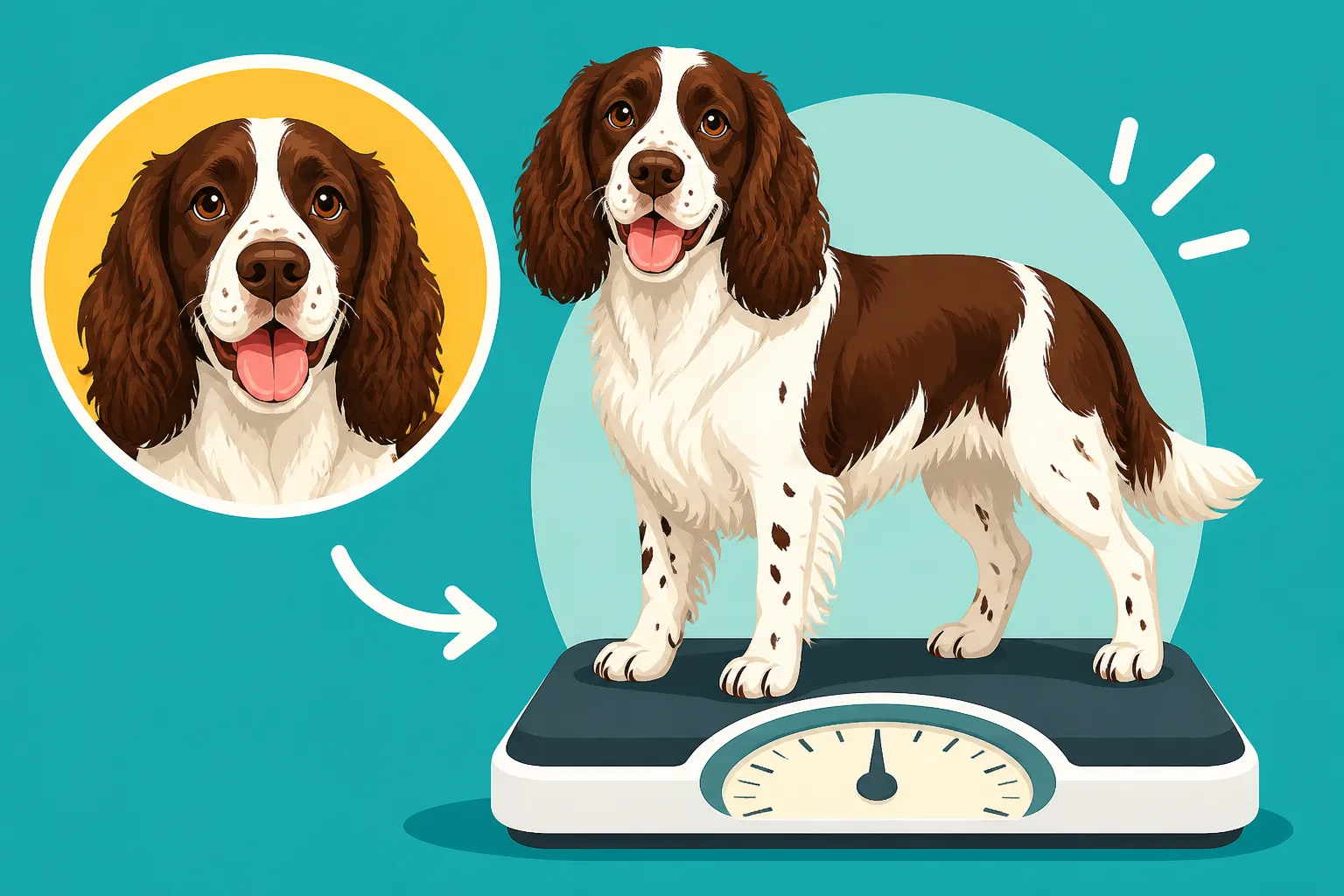
For instance, the AKC standard generally describes male Springer Spaniels as standing around 20 inches tall at the shoulder and weighing between 50-55 pounds. Females are typically a bit smaller, often around 19 inches tall and weighing 40-50 pounds. The UK Kennel Club standards are quite similar, emphasizing a "well-balanced, compact, strong, active, and eager dog" with weight in proportion to height. These numbers reflect a dog built for stamina and speed, capable of spending a long day in the field.
However, these are ideals. In the real world, individual dogs within the breed can fall slightly outside these ranges and still be perfectly healthy and sound. A dog might be a few pounds heavier or lighter due to their specific lineage, diet, or activity level. The key is balance and overall proportion. A Springer should look neither dainty nor cumbersome; it should present as a robust, athletic package. These standards exist to maintain the breed's integrity and ensure that dogs are bred to remain fit for purpose, whether that purpose is working or simply being a beloved family pet. It's about preserving the essence of the Springer Spaniel.
Why Breed Standards Matter for Weight
You might wonder why these standards are so important beyond the show ring. Well, for working breeds like the Springer Spaniel, weight standards are intrinsically linked to function and health. An English Springer Spaniel was historically bred to "spring" game from dense cover, meaning they need to be powerful enough to push through thickets, agile enough to turn quickly, and light enough to sustain activity for hours without tiring themselves out. An excessively heavy Springer would struggle with agility and endurance, while one that's too light might lack the necessary substance to navigate challenging terrain.
Think of it this way: if a dog deviates significantly from the standard weight, it could indicate a structural issue or an unhealthy body condition. For example, a Springer that is too heavy might be carrying excess fat, putting undue strain on its joints and increasing the risk of conditions like Hip Dysplasia in a Springer Spaniel later in life. Conversely, a Springer that is consistently underweight could be facing nutritional deficiencies or an underlying health problem.
Breed standards also help maintain genetic consistency, ensuring that future generations of Springer Spaniels continue to embody the traits that make them unique and suitable for their intended roles. Responsible breeders use these standards as a guide, not just for appearance, but for breeding dogs that are structurally sound and healthy. When considering a puppy, understanding these standards helps you appreciate the breeder's efforts in producing well-conformed dogs and gives you a benchmark for your dog’s growth. It's about striving for a balanced dog that moves efficiently and feels comfortable in its own skin, ready for whatever adventure you throw its way.
The Great Divide: Field vs. Show Springer Spaniel Weights
If you've spent any time researching English Springer Spaniels, you've likely come across the discussion of "field bred" and "show bred" lines. This isn't just a casual distinction; it describes two distinct types that, despite being the same breed, have diverged significantly in appearance, temperament, and yes, even weight. Two Breeds Registered as One: the Field and Show Springer Spaniel is a good way to describe how pronounced this difference has become. This divergence means that when we talk about a Springer Spaniel's weight, it's crucial to consider which type we're referring to, as their builds and ideal weights can vary quite a bit.
The Leaner, More Athletic Field Springer
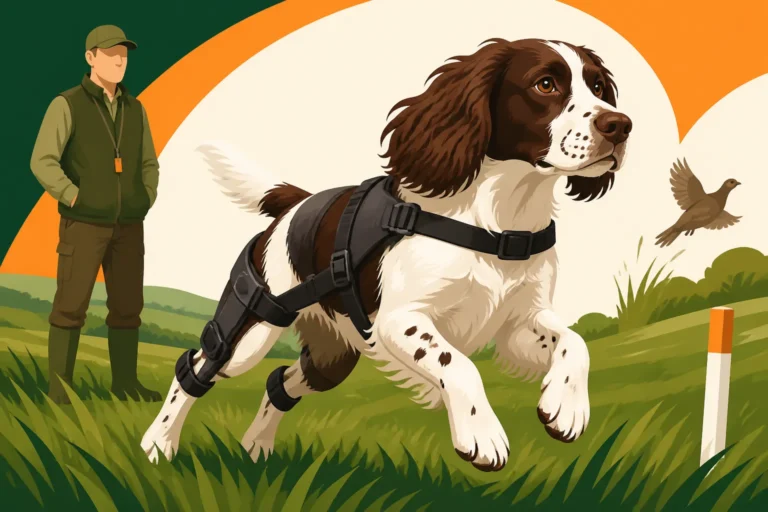
Field-bred Springer Spaniels, often simply called "field Springers," are dogs whose lineage has been selectively bred for performance in hunting and field trials. Their appearance is dictated by efficiency and stamina. They are built for a purpose: to work tirelessly in demanding conditions, flushing game, and retrieving in all sorts of cover. This selective breeding has resulted in a dog that is generally leaner, more compact, and exquisitely athletic.
Typically, a field-bred Springer Spaniel will fall on the lower end, or even slightly below, the official breed standard weight ranges. Males might weigh in the 45-50 pound range, with females often being 35-45 pounds. They tend to have a lighter bone structure, a shorter, coarser coat that is less prone to snagging in brambles, and a more energetic, intense disposition. Their musculature is tight and well-defined, built for explosive bursts of speed and sustained effort. You'll notice their frames are more visible, with a clearly defined waist and ribs easily palpable without being prominent. This is the ideal weight for a dog that needs to cover ground quickly and efficiently, often for many hours a day. Their entire physique screams "athlete," and their weight reflects this functional focus. How Different the Two Springer Spaniel Types Look is really evident when you compare their weights.
The More Substantial Show Springer
In stark contrast, show-bred Springer Spaniels, sometimes referred to as "bench Springers," have been bred to conform to the breed standard's aesthetic ideals as interpreted for the show ring. While still athletic, their emphasis is on a more substantial, heavier-boned appearance. These dogs are judged on their conformation – how closely they match the breed standard's description of ideal structure, movement, and coat.
Show-bred Springers tend to be heavier, often reaching the upper end of the breed standard, or sometimes even exceeding it slightly, while still being considered healthy within their type. Males might comfortably sit in the 55-65 pound range, and females between 45-55 pounds. They typically possess a heavier bone structure, a more abundant and longer coat with extensive feathering, and a generally more sedate, though still active, temperament compared to their field cousins. Their build is more "square" and powerful, designed to make an impressive picture in the show ring. This heavier build contributes to a more majestic presence, but it's important that this substance doesn't turn into obesity. A well-conditioned show Springer is still muscular and fit, just with a different aesthetic emphasis. Their weight reflects a more robust presence, still agile but with a greater sense of power. Whether a Field Springer Spaniel Is Lighter is a question that highlights these differences, and the answer is almost always yes.
Overlap and Exceptions Between Types
While the distinctions between field and show Springer Spaniels are quite clear, it's important to understand that there can be overlap and exceptions. Not every field Springer will be 35 pounds, and not every show Springer will be 60. These are general tendencies, and individual dogs will always vary. Genetics are complex, and even within a specific line, there can be a range of sizes and weights.
Sometimes, a breeder might occasionally cross a field line with a show line, attempting to bring in desired traits from both sides, though this is less common now given the significant divergence. These "dual-purpose" or "blend" Springers might fall somewhere in the middle of the weight spectrum, inheriting characteristics from both types. For example, you might find a show-bred Springer with a slightly leaner build than average, or a field-bred Springer that carries a bit more bone.
Furthermore, a dog's individual lifestyle will always play a role. A show Springer who lives a very active life, perhaps participating in dog sports or regular, vigorous hikes, might naturally carry less weight than a less active kennel mate. Conversely, a field Springer who is mostly a pet and doesn't get the intense daily exercise they're bred for could easily put on excess weight. It's never just about their genetic type; it's also about their environment, diet, and activity. The table below illustrates the general differences you might expect:
| Characteristic | Field-Bred Springer Spaniel | Show-Bred Springer Spaniel |
|---|---|---|
| Typical Male Weight | 45-50 lbs | 55-65 lbs |
| Typical Female Weight | 35-45 lbs | 45-55 lbs |
| Bone Structure | Lighter, more refined | Heavier, more substantial |
| Coat | Shorter, coarser, less feathering | Longer, more abundant, extensive feathering |
| Build | Lean, athletic, compact | More square, powerful |
| Energy Level | Very high, intense drive | High, but often calmer |
| Primary Focus | Working, hunting, field trials | Conformation, show ring |
Ultimately, whether your Springer is field or show bred, the goal is to maintain them at a healthy, functional weight for their specific build and lifestyle. The numbers are guides, but the dog in front of you is the most important indicator.
Puppyhood to Adulthood: Weight Progression in Springer Spaniels
Watching a Springer Spaniel puppy grow is an absolute joy, but it also comes with questions about their development. One of the most common concerns for new owners is whether their puppy is growing at a healthy rate. It's a journey from a tiny, adorable fluffball to a powerful, medium-sized adult, and understanding this progression is key to ensuring your Springer reaches its full, healthy potential. They don't just grow evenly; there are spurts and plateaus, all perfectly normal parts of their development.
From Wee Pup to Gangly Adolescent
Springer Spaniel puppies start incredibly small, usually weighing just a few pounds at birth. They grow rapidly during their first few months, often doubling or tripling their birth weight in the first few weeks alone. By 8 weeks old, when they typically go to their new homes, they might weigh anywhere from 8 to 15 pounds, depending on their gender and whether they are from field or show lines. This is a period of intense development, where nutrition plays a vital role.
During the adolescent phase, typically from 4 to 12 months, growth continues at a fast pace, though it might start to slow down a little compared to the very early weeks. This is often the "gangly" stage, where puppies look a bit uncoordinated as their legs and bodies grow at different rates. They might appear taller and leaner, not yet filling out to their adult proportions. A male Springer at 6 months could be anywhere from 30 to 40 pounds, while a female might be 25 to 35 pounds. It’s during this time that owners really need to monitor their puppy's food intake and exercise to support healthy bone and muscle development without putting undue stress on their still-developing joints. You want controlled growth, not excessively fast growth, which can sometimes lead to orthopedic issues. A good quality puppy food, appropriate for medium to large breeds, is essential, and many people find excellent options readily available on Chewy.
The Plateau and Maturity: When Growth Slows
Most Springer Spaniels reach their full adult height by about 10-12 months of age, but they often continue to "fill out" and gain muscle mass until they are about 18 months to two years old. This is the plateau phase, where the rapid vertical growth stops, and their body begins to mature horizontally, broadening in the chest and gaining depth.
For field-bred Springers, this means achieving their lean, athletic adult weight, usually settling into their fighting fit range around 15 months. Show-bred Springers, with their heavier bone structure, might take a bit longer to fully mature and fill out, often not reaching their peak adult weight until closer to two years of age. During this period, their weight might fluctuate slightly as their muscle mass increases and puppy fat disappears. It's crucial to transition them from puppy food to an adult formula during this time, usually around 12-18 months, depending on their growth rate and energy needs.
Once they reach full maturity, their weight should stabilize. Monitoring their weight as adults becomes about maintaining that healthy balance, adjusting their food and exercise as needed through various life stages. The Age a Springer Spaniel Counts as a Senior will bring new considerations for weight management, but for now, focus on appreciating the journey from that tiny pup to the magnificent adult.
Beyond the Scale: Assessing a Healthy Weight for Your Springer
While the number on the scale gives us a starting point, it doesn't tell the whole story. Two Springer Spaniels of the same breed type and gender might weigh the exact same, but one could be perfectly lean and muscular, while the other might be carrying too much fat. This is where moving "beyond the scale" becomes critical. What truly matters is your dog's body condition, which is a visual and tactile assessment of their fat and muscle levels. This holistic approach ensures you're aiming for optimal health, not just a number.
The Body Condition Score (BCS) Method
The Body Condition Score (BCS) is a universally recognized tool used by veterinarians and informed owners to assess a dog's ideal weight and physical condition. It’s a simple, non-invasive method that involves looking at and feeling your dog, assigning a score typically on a 5-point or 9-point scale. The goal is to hit the middle of that scale (e.g., a 3 out of 5, or a 4-5 out of 9), indicating an ideal body condition.
Here's how you can perform a basic BCS assessment on your Springer Spaniel:
- Ribs: Gently run your hands along your dog’s side. You should be able to easily feel their ribs without pressing hard, like feeling the knuckles on the back of your hand. If you can see the ribs prominently without touching, your dog might be too thin. If you have to press firmly to feel them, they’re likely overweight.
- Waist: Look at your dog from above. They should have a distinct "tuck" or hourglass shape behind their ribs. If they look like a straight line or are wider in the middle, they're likely carrying too much weight.
- Abdominal Tuck: Look at your dog from the side. Their abdomen should tuck up behind the rib cage, not hang low or be straight across. This is especially noticeable in active breeds like Springers.
- Spine and Hips: You should be able to feel the tops of their vertebrae and hip bones without them being sharply prominent. If they protrude, your dog is too thin. If you can't feel them at all, they're likely overweight.
An ideal Springer will have a good amount of muscle tone, and you should be able to feel those ribs and that defined waist. This assessment is far more accurate than just weight, as it accounts for individual variations in bone structure and muscle mass. Many people find a Body Condition Score chart online a useful visual guide.
Why Your Vet's Eye Is Best
While you can certainly learn to assess your Springer’s body condition yourself, nothing beats the experienced eye of your veterinarian. They are trained to identify subtle changes and accurately assign a BCS, and they can factor in your dog's specific health history, age, and breed type. Regular veterinary check-ups are not just for vaccinations; they are crucial opportunities for your vet to monitor your Springer’s weight and overall health.
During these visits, your vet will not only weigh your dog but also perform a thorough physical examination, assessing their muscle mass, fat distribution, and joint health. If they notice your Springer is getting a little pudgy, or perhaps too lean, they can offer tailored advice on diet and exercise. They can help you determine How Much a Pet Springer Spaniel Should Eat or if your working dog needs a different caloric intake.
Furthermore, if your Springer Spaniel experiences unexplained weight loss or gain, your vet can investigate underlying medical conditions. Sometimes, a sudden change in weight isn't just about food; it could be a symptom of thyroid issues, digestive problems, or other health concerns. Having a trusted vet as a partner in your dog's health journey ensures that any weight-related issues are addressed promptly and effectively, keeping your beloved Springer feeling their best for The Twelve to Fourteen Years a Springer Spaniel Lives.
Factors Influencing a Springer Spaniel's Weight
A Springer Spaniel's weight isn't a static number; it's a dynamic reflection of various interconnected factors. Understanding these influences is paramount for any owner dedicated to maintaining their dog's optimal health and vitality. It's not just about what goes in the bowl, but a complex interplay of genetics, lifestyle, and physiological processes.
Genetics and Lineage
As we've touched upon, the genetic lineage of your Springer Spaniel plays a significant role in determining their inherent size and build, and thus their ideal weight range. Whether your dog comes from field or show lines will largely dictate their bone structure, muscle density, and overall frame.
Field-bred Springers are genetically predisposed to be lighter and more finely boned, built for speed and endurance. Their genes are geared towards an athletic, lean physique that excels in covering vast amounts of ground efficiently. So, expecting a field-bred male to hit 60 pounds without being overweight would be unrealistic and unhealthy. Conversely, show-bred Springers are genetically inclined to have a heavier bone structure and a more substantial build, designed for a powerful presence in the show ring. Their genetic blueprint allows them to carry more weight and muscle, making a 55-pound female show Springer perfectly normal, while a field female at that weight would likely be obese.
Even within these two types, individual parentage matters. Just like in human families, some lines naturally produce larger or smaller, heavier or lighter individuals. A good breeder will be able to discuss the typical size and weight of the parents and their lineage, giving you a better idea of your puppy's likely adult dimensions. How Healthy the Springer Spaniel Gene Pool Is is often a reflection of how well breeders manage these genetic considerations.
Diet and Nutrition
This is perhaps the most obvious and controllable factor influencing your Springer's weight. What, how much, and how often you feed your dog directly impacts their caloric intake and nutrient absorption. Springer Spaniels are known for their enthusiastic appetites – they often act like bottomless pits – which means portion control is absolutely crucial.
Feeding a high-quality, balanced diet appropriate for your dog's age, activity level, and breed size is essential. A working field Springer will require a much higher calorie intake, often a performance formula, to sustain their energy levels compared to a show Springer who is primarily a family pet with regular walks. Feeding a Springer Spaniel That Works and One That Does Not clearly highlights this difference in nutritional needs. Overfeeding, even by a small amount daily, can lead to gradual but significant weight gain over time. Those extra treats, table scraps, and slightly-too-generous scoops of kibble quickly add up for an energetic dog.
It's not just the quantity, but the quality of food too. A diet rich in appropriate protein, healthy fats, and complex carbohydrates provides the necessary building blocks for muscle and energy without excessive fillers. When you’re looking for options, reputable online retailers like Chewy offer a vast selection of high-quality dog foods, allowing you to compare ingredients and formulations to find the best fit for your Springer’s specific dietary needs. Understanding your dog's energy expenditure and adjusting their food accordingly is a continuous process.
Exercise and Activity Level
Springer Spaniels are renowned for their boundless energy and require a significant amount of physical activity to stay fit and mentally stimulated. Their high drive means they need to move, and regular, vigorous exercise is a non-negotiable part of their daily routine. This activity directly impacts their metabolism and calorie expenditure.
A Springer who doesn't get enough exercise will inevitably gain weight, even on a perfectly reasonable diet. Think about a field Springer, bred to quarter fields for hours on end; if that dog is relegated to a few short leash walks a day, their unused energy quickly converts to fat. Even show-bred Springers, while often having a slightly less frantic energy level, still demand robust exercise to maintain their muscular build and prevent obesity. How Much Exercise a Field Bred Springer Spaniel Needs compared to How Much Exercise a Show Bred Springer Spaniel Needs will show a difference, but both still need a lot!
Daily long walks, runs, fetch sessions, swimming, or engagement in dog sports like agility or dock diving are excellent ways to keep a Springer fit. Consistent exercise not only burns calories but also builds and maintains lean muscle mass, which is crucial for a healthy metabolism and joint support. Without it, your Springer will not only gain weight but also likely become bored, frustrated, and potentially destructive, proving that physical activity feeds both their body and their mind.
Age and Metabolic Changes
Just like humans, a Springer Spaniel's metabolism changes throughout its life. Puppies have incredibly fast metabolisms to fuel their rapid growth, requiring more calories per pound of body weight than adults. As they mature into adulthood, their growth slows, and their metabolism stabilizes, requiring a consistent, balanced diet.
However, as a Springer enters its senior years, typically around The Age a Springer Spaniel Counts as a Senior (7-9 years old), their metabolism naturally begins to slow down. They may also become less active due to age-related changes, such as arthritis or decreased stamina. This combination makes older Springers particularly susceptible to weight gain. What worked for a 5-year-old Springer might be too much for an 11-year-old.
Owners of senior Springers need to be extra vigilant about monitoring weight. Adjusting their diet to a senior formula, which often has fewer calories and sometimes added joint supplements, and ensuring they still get appropriate, gentle exercise is vital. While they might not be able to run miles anymore, daily walks and mental stimulation are still important. Maintaining a healthy weight in old age can significantly improve their quality of life and help manage conditions like Arthritis in an Older Springer Spaniel.
Spaying/Neutering and Hormonal Shifts
Spaying or neutering a dog, while offering numerous health and behavioral benefits, is a known factor that can influence weight gain. The removal of reproductive organs causes hormonal shifts that can lead to a decrease in metabolic rate. Many dogs, including Springer Spaniels, tend to require fewer calories after being spayed or neutered.
This doesn't mean spaying/neutering automatically leads to an overweight dog, but it does mean owners need to be proactive. After the procedure, it's a good time to reassess your Springer's food intake. Often, a slight reduction in calories – perhaps 10-20% – and continued attention to exercise is all that's needed to prevent unwanted weight gain. If you notice your Springer starting to put on pounds in the months following their surgery, consult your vet or a pet nutritionist. They can help you adjust their diet and ensure they remain at a healthy weight. Ignoring these changes can lead to chronic obesity, which brings its own set of health problems.
Managing Weight for a Healthy, Happy Springer Spaniel
Maintaining a healthy weight for your Springer Spaniel is one of the most impactful things you can do for their long-term health and happiness. It’s not a one-time fix but an ongoing commitment that adapts as your dog moves through different life stages. Given their energetic nature and propensity for enjoying food, proactive weight management is especially important for this breed.
Tailoring Diet to Activity
This is perhaps the most crucial aspect of weight management for a Springer Spaniel. You cannot feed a highly active, working field Springer the same amount of food as a more sedentary show Springer who spends most of their time cuddling on the couch. Their caloric needs are vastly different.
-
For the Working Dog: A Springer Spaniel actively participating in hunting, field trials, or intense dog sports will burn an incredible number of calories. They often require a high-quality "performance" or "active dog" formula, which is denser in calories and nutrients, particularly fats and proteins. Even then, you might need to adjust portions based on the intensity and duration of their work. On days they are working hard, they'll need more. On rest days, a slightly smaller portion might be appropriate to prevent overfeeding. Consistent access to fresh water is also critical, especially when they’re expending a lot of energy. Keeping a Springer at a Keeping a Springer Spaniel at a Working Weight is an art form that requires careful monitoring.
-
For the Companion Dog: A Springer who is primarily a family pet, even with regular walks and play, will have lower caloric needs than a working dog. A good quality "adult maintenance" formula is typically suitable. It’s vital to stick to recommended portion sizes based on their ideal weight, not their current weight if they are overweight. Measure food accurately; don't just eyeball it. Remember that treats count towards daily calories! If you use treats for training or rewards, account for them by slightly reducing their mealtime portions. Again, Chewy offers a wide range of formulas designed for different activity levels, making it easier to find the right fit.
Regularly assess your Springer’s Body Condition Score (BCS) and adjust their food portions accordingly. If you notice a bit of a spare tire forming, cut back slightly. If they look too lean, increase their food a touch. This iterative process is key.
The Importance of Consistent Exercise
For a breed like the Springer Spaniel, exercise isn't just a recommendation; it's a fundamental need. Their heritage as tireless hunting dogs means they possess immense stamina and a drive to be active. Consistent, vigorous exercise is the bedrock of weight management for a Springer, regardless of their lineage.
- Daily Activity is Key: Aim for at least 1-2 hours of vigorous exercise every single day. This isn't just a leisurely walk around the block. It means running, chasing a ball, swimming, long hikes, or engaging in activities that truly get their heart rate up. For field-bred Springers, this might mean off-leash running in a safe, open area, allowing them to quarter naturally. For show-bred Springers, while still needing plenty of activity, structured play sessions and longer walks may suffice.
- Mental Stimulation: Don't forget that exercise also includes mental stimulation. A bored Springer can become destructive, and their pent-up energy can contribute to unhealthy habits. Scent work, puzzle toys, and training sessions all burn mental calories and can complement physical exercise.
- Adjust to Age and Health: As your Springer ages, their exercise routine will need to adapt. An older Springer might not be able to handle the same intensity, but they still need daily movement to keep their joints supple and their weight in check. Short, frequent walks or gentle swimming might be more appropriate. Always consult your vet if you’re unsure about the appropriate level of exercise for your dog, especially if they have any health conditions. Caring for a Springer Spaniel Past Nine will offer specific advice for senior dogs.
Regular Monitoring and Adjustments
Weight management is not a set-it-and-forget-it task. It requires consistent attention and a willingness to make adjustments.
- Weekly Weight Checks: Weighing your Springer weekly or bi-weekly at home (if feasible) or at your vet's office can help you catch any upward or downward trends early. Many vet offices have scales in their waiting rooms you can use anytime.
- Monthly BCS Checks: Perform a Body Condition Score assessment monthly. This tactile and visual check is invaluable for understanding if your dog is gaining fat or muscle, or losing either.
- Be Responsive: Don't wait until your Springer is visibly overweight or underweight to take action. If the scale starts creeping up, or you can no longer easily feel their ribs, it's time to adjust their food portions and/or increase their exercise. The earlier you intervene, the easier it is to correct.
- Seasonal Adjustments: Consider seasonal changes. In colder months, your outdoor-active Springer might burn more calories staying warm, or they might be less active due to weather. In summer, intense heat might limit their outdoor exercise, requiring a temporary caloric reduction.
- Consult Professionals: If you're struggling to manage your Springer's weight, don't hesitate to seek professional help. Your veterinarian can rule out medical causes for weight gain or loss, and they can provide a precise caloric recommendation. A certified canine nutritionist or trainer can also offer tailored advice on diet and exercise plans specific to your Springer’s needs.
By being proactive and consistent, you can help your Springer Spaniel maintain a healthy weight, which directly translates to a more active, comfortable, and longer life.
Common Weight-Related Health Concerns
Weight isn't just about aesthetics; it's fundamentally linked to your Springer Spaniel's health. Both being overweight and underweight can lead to a host of medical problems, some of which can be quite serious and significantly impact their quality of life. Understanding these risks can motivate you to keep your beloved companion within a healthy weight range.
The Risks of Being Overweight
Unfortunately, obesity is a growing problem in dogs, and while Springers are naturally active, a sedentary lifestyle combined with overfeeding can quickly lead to excess weight. Being overweight puts immense strain on a dog's entire system.
- Joint Problems: This is one of the most common and debilitating issues. Extra weight puts increased stress on joints, exacerbating conditions like Hip Dysplasia in a Springer Spaniel and elbow dysplasia, and accelerating the onset and severity of arthritis. This can lead to pain, reduced mobility, and a significant decrease in their enjoyment of life.
- Cardiovascular Disease: Carrying excess fat can strain the heart and lungs, leading to conditions like high blood pressure and other heart-related issues. An overweight dog will tire more easily and have less stamina.
- Diabetes: Obesity is a significant risk factor for developing diabetes mellitus in dogs, which requires lifelong management with insulin injections and dietary changes.
- Respiratory Issues: The extra weight can make breathing more difficult, especially in warm weather or during exercise. This is particularly problematic for dogs with already high energy levels.
- Reduced Lifespan: Studies consistently show that overweight dogs live shorter lives than their lean counterparts. Every extra pound your Springer carries can shave months or even years off their lifespan.
- Increased Surgical Risk: Overweight dogs face higher risks during anesthesia and surgery due to the added strain on their organs and the difficulty in accessing surgical sites.
- Skin Problems: Excess skin folds can develop, trapping moisture and creating an ideal environment for bacterial or yeast infections.
- Decreased Quality of Life: Beyond specific medical conditions, an overweight Springer simply can't enjoy life to the fullest. They'll be less inclined to play, struggle to keep up on walks, and generally have less zest for life. Whether an Overweight Springer Spaniel Gets More Ear Infections is a question worth considering, as obesity can impact their overall immune system and make them more prone to various issues.
The Dangers of Being Underweight
While less common than obesity in pet Springers (due to their healthy appetites), being underweight also poses serious health risks. If your Springer Spaniel is consistently too thin despite adequate feeding, it's a red flag that needs immediate veterinary attention.
- Nutritional Deficiencies: A lack of sufficient calories or nutrients can lead to deficiencies, affecting skin and coat health, immune function, and overall vitality.
- Lack of Energy: An underweight dog will lack the energy for normal activities, appearing lethargic and disinterested in play or work. This is particularly noticeable in a high-energy breed like a Springer.
- Weakened Immune System: Being underweight can compromise the immune system, making your Springer more susceptible to infections and illnesses.
- Muscle Wasting: Severe underweight often means muscle mass is being lost, which impacts strength, mobility, and overall physical integrity.
- Underlying Medical Conditions: Persistent underweight is often a symptom of an underlying health problem such as parasites, gastrointestinal issues, metabolic diseases (like hyperthyroidism), kidney disease, or even cancer. This is why immediate veterinary consultation is crucial.
- Poor Wound Healing: Malnourished dogs may have slower wound healing times and be less resilient to injuries.
- Temperature Regulation Issues: A lack of body fat can make it harder for your dog to regulate their body temperature, especially in colder climates.
Seeking Veterinary Guidance
Any significant or unexplained weight change in your Springer Spaniel warrants a trip to the veterinarian. Don't try to self-diagnose or implement drastic dietary changes without professional advice. Your vet can perform a thorough examination, run diagnostic tests if necessary, and help you develop a safe and effective plan to get your Springer back to a healthy weight.
Whether your dog needs to lose a few pounds or gain some healthy mass, your vet is your best resource. They can recommend appropriate diets, portion sizes, exercise regimens, and rule out any medical reasons for the weight issue. Remember, preventative care and early intervention are always the best approach to ensure your Springer Spaniel enjoys a long, healthy, and happy life by your side. Whether a Springer Spaniel Owner Should Budget for Two Types of Care means thinking about both preventative and reactive health measures, including weight management.
Disclaimer
This article is for general informational purposes only and does not constitute professional advice. Laws, prices and regulations vary by location and change over time. Consult a qualified professional for guidance on your specific situation.