Chicken Allergy in a Springer Spaniel
It's truly heartbreaking to watch your beloved English Springer Spaniel constantly scratching, licking their paws until they're raw, or dealing with persistent digestive upset. We all want our furry companions to be comfortable and happy, and when something as fundamental as their food seems to be causing so much distress, it can feel like a bewildering and frustrating puzzle. This comprehensive guide is here to walk you through understanding, identifying, and managing a potential chicken allergy in your Springer Spaniel, offering practical advice and empathy for a challenge many dog owners face.
Understanding Why Chicken Might Be a Problem for Your Springer Spaniel
It seems counterintuitive, doesn't it? Chicken is such a common and often recommended protein source for dogs, appearing in countless kibbles, treats, and wet foods. So, why would something so ubiquitous suddenly become the enemy for your Springer Spaniel? The truth is, like humans, dogs can develop allergies to ingredients they've been exposed to repeatedly over time. It's not usually a sudden reaction to a new food, but rather an immune system overreaction to something familiar.
How Food Allergies Develop
A food allergy in dogs, including our spirited Springer Spaniels, is an adverse reaction to a particular food ingredient, typically a protein, that involves an immunological response. This isn't just a sensitive stomach; it's the immune system mistakenly identifying a harmless protein (like chicken) as a threat. Over time, with repeated exposure, the immune system becomes sensitized, and each subsequent exposure can trigger an inflammatory response. Think of it like a switch being flipped in their body – once it's on, it's on.
It’s important to understand that this development isn't overnight. Your Springer Spaniel might have eaten chicken-based food for years without a single issue. Then, seemingly out of nowhere, the itching starts, or the ears become chronically infected. This delayed onset is part of what makes diagnosing food allergies so tricky and often leads owners down other paths before considering diet. The immune system has a memory, and once it's decided chicken is an enemy, it's hard to convince it otherwise.
Distinguishing Food Allergy from Intolerance
It's easy to confuse a food allergy with a food intolerance, but they are actually quite different. A food allergy, as we've discussed, involves the immune system. It can manifest with a variety of symptoms, from skin issues to gastrointestinal upset. A food intolerance, on the other hand, is generally a digestive issue. It doesn't involve the immune system.
For example, if your Springer Spaniel eats a new treat and gets diarrhea, that might be an intolerance to a specific ingredient, perhaps due to difficulty digesting it, or simply too much rich food at once. If, however, your Springer Spaniel eats that same treat and then spends the next week chewing their paws raw, that's leaning much more towards an allergic reaction. Intolerances are usually less severe and primarily affect the digestive system, while allergies can be much more widespread and persistent, affecting skin, coat, and overall comfort. Understanding this distinction is key to approaching diagnosis and management effectively.
Spotting the Clues: Signs Your Springer Spaniel Has a Chicken Allergy
Our Springer Spaniels are masters of communication, even if they don't use words. When something is bothering them, they show us through their behavior and physical symptoms. Recognizing these clues is the first step in helping them find relief. A chicken allergy can manifest in various ways, often mimicking other conditions, which is why it can be so hard to pin down initially. You might feel like you've tried everything, from different shampoos to endless rounds of ear drops, without lasting success.
Skin and Coat Issues
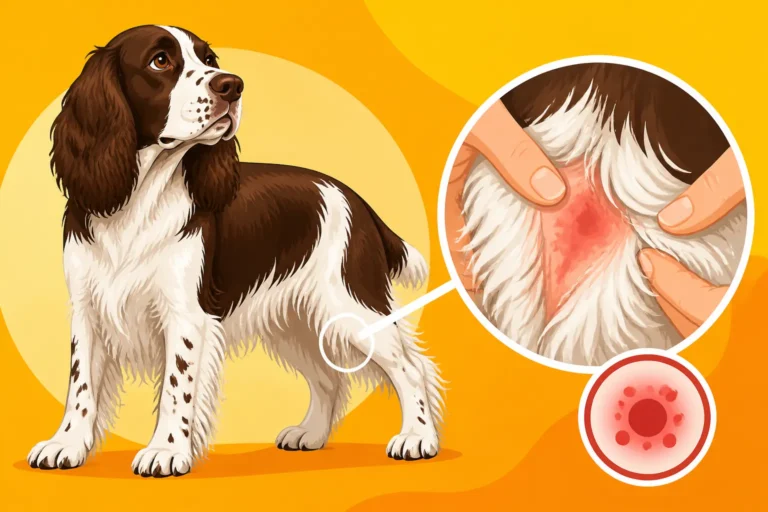
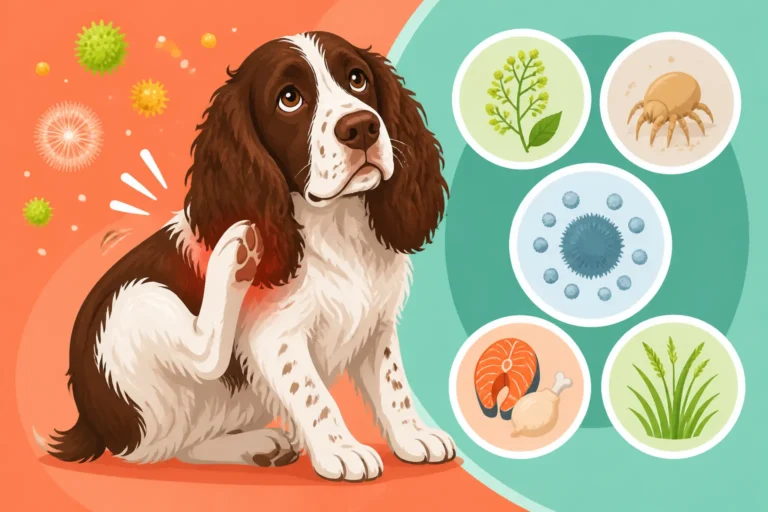
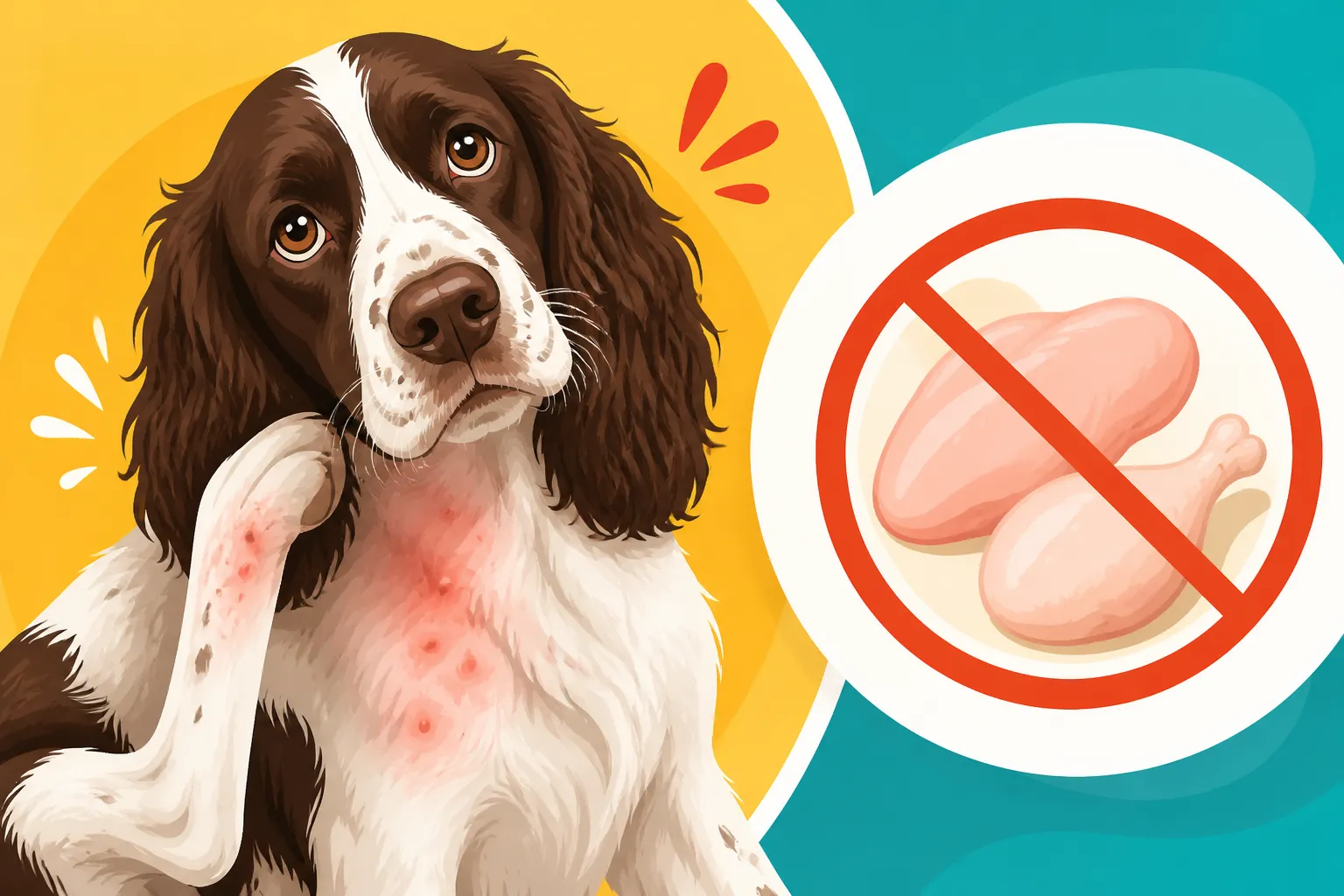
This is often the most noticeable and frustrating symptom for owners. If your Springer Spaniel has a chicken allergy, you might observe persistent itching, often generalized across their body, or focused on specific areas. This can lead to them constantly scratching with their hind leg, rubbing against furniture, or scooting across the carpet. That incessant scratching can lead to secondary problems like hot spots, which are painful, red, moist lesions that can appear quickly. Imagine waking up to a perfectly fine dog and by evening, they have a weeping wound from self-trauma – it's alarming, to say the least.
You might also notice a dull, greasy, or flaky coat, despite regular grooming. Their skin might appear red, inflamed, or even thickened in areas of chronic irritation. One of the classic signs of food allergies in dogs is recurrent ear infections. Your Springer Spaniel's beautiful drop ears, already prone to issues, become a constant battleground. You're constantly cleaning, medicating, and visiting the vet for another round of antibiotics. You might find yourself thinking, "Why a Springer Spaniel's Ears Are Never Quite Healthy" or digging into How Often a Springer Spaniel Gets Ear Infections to understand the cycle. The skin around their eyes and mouth can also become irritated and stained, a testament to their discomfort.
Gastrointestinal Symptoms
While skin issues are prominent, a chicken allergy can also wreak havoc on your Springer Spaniel's digestive system. This might include chronic or intermittent diarrhea, soft stools, or increased frequency of bowel movements. Some dogs might even experience vomiting, though this is less common as a primary allergy symptom compared to skin issues.
You might also notice an increase in gas, abdominal discomfort (though this can be hard to detect in dogs), or a generally unsettled stomach. If your Springer Spaniel's tummy is constantly rumbling, or they seem reluctant to eat at times, it could be a subtle sign. These digestive issues, combined with skin problems, are a strong indicator that something in their diet isn't agreeing with them. It’s not just about one symptom; it’s the combination that tells a story.
Behavioral Changes
While not a direct physiological symptom, the constant discomfort from itching and digestive upset can absolutely lead to changes in your Springer Spaniel's behavior. An otherwise cheerful and energetic dog might become lethargic, irritable, or even withdrawn. Imagine how you'd feel if you were constantly itchy or had an upset stomach – you wouldn't be at your best either.
They might seem less interested in play, less enthusiastic about walks, or more prone to snapping if touched in sensitive areas. The lack of restful sleep due to itching can also make them generally grumpier or more on edge. It's a domino effect: the physical discomfort leads to a decline in their quality of life, which then impacts their demeanor. If your normally happy-go-lucky Springer seems "off," and you've ruled out other medical issues, persistent itchiness and gut issues due to an allergy could certainly be contributing to their mood.
The Road to Diagnosis: Conducting an Elimination Diet
When you suspect a chicken allergy, the most reliable way to confirm it isn't through a blood test or a skin prick test – while these can be helpful for environmental allergies, they are generally unreliable for food allergies. The gold standard, the tried-and-true method, is an elimination diet. This process requires patience, dedication, and a bit of detective work, but it’s truly the best path to an accurate diagnosis. It's not a quick fix, but a deliberate journey to uncover the truth about your dog's diet.
The Strict Elimination Process
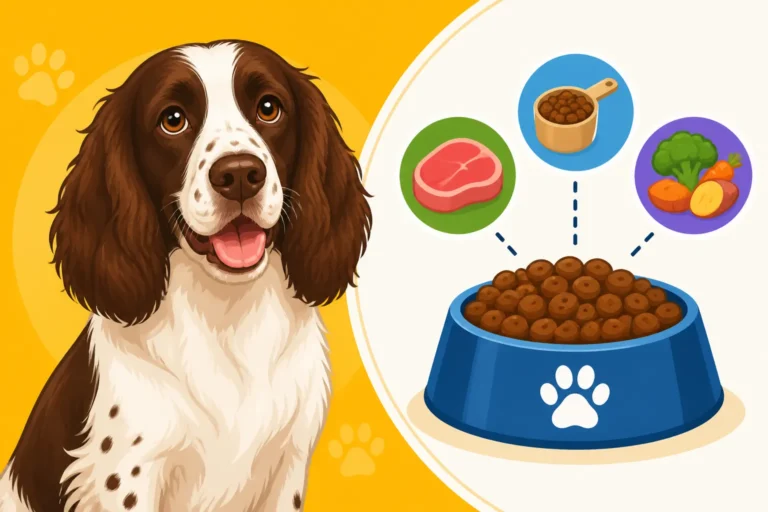
An elimination diet involves completely removing all potential allergens from your Springer Spaniel's diet and feeding them a novel protein source (something they've never eaten before) and a novel carbohydrate. This might mean kangaroo and sweet potato, or venison and peas. The goal is to feed them only ingredients that their immune system has never encountered, giving their body a complete break from any potential inflammatory triggers. This is why commercial "limited ingredient diets" are often recommended by veterinarians, as they are formulated with these novel proteins and carbs, and are typically free from common allergens like chicken, beef, dairy, and wheat. Brands like Purina Pro Plan Veterinary Diets HA Hydrolyzed or Royal Canin Hypoallergenic are often used for this very purpose. You can usually find these specialized foods through your vet or on platforms like Chewy or Amazon with a veterinary prescription.
During this phase, which typically lasts 8-12 weeks, absolute strictness is paramount. This means no chicken-flavored treats, no scraps from your plate, no sneaking a bit of cheese, and no chicken broth in their water. Even seemingly innocent items like dental chews or medications (which sometimes contain hidden protein sources) need to be scrutinized. If your dog gets into something they shouldn't, you might have to restart the clock, which is incredibly frustrating but necessary for accurate results. Many owners find crating their dog during meal times or ensuring family members are fully on board to be crucial. You might feel like you're constantly saying "no" to your sweet Springer Spaniel, but it's for their long-term health. Running an Elimination Diet on a Springer Spaniel delves deeper into the intricacies of this process.
The Reintroduction Challenge
If, after 8-12 weeks on the strict elimination diet, your Springer Spaniel's symptoms have significantly improved or disappeared, congratulations! You've likely identified that a dietary component was indeed the culprit. Now comes the reintroduction challenge, which is the final step to pinpointing the specific allergen. This involves reintroducing single, common protein sources back into their diet, one at a time, for about a week, while closely monitoring for a return of symptoms.
For a suspected chicken allergy, chicken would be the first protein you reintroduce. You'd feed plain, cooked chicken (no seasoning!) as a treat or mixed with their novel protein food for about a week. If their itching returns, their ears flare up, or their digestive issues resurface, then you have your answer: chicken is the allergen. You'll then go back to the novel protein diet until symptoms subside again, and then move on to testing the next suspected allergen (e.g., beef, dairy). This systematic approach confirms the allergy and allows you to build a safe diet for your dog. It's important to remember that this process isn't about finding a "cure" for the allergy, but identifying the trigger so it can be permanently avoided.
Living Chicken-Free: Managing Your Springer Spaniel's Allergy
Once you've successfully identified chicken as the culprit behind your Springer Spaniel's discomfort, the next step is to embrace a chicken-free lifestyle. This might sound daunting at first, given how prevalent chicken is in commercial dog foods, but with a bit of vigilance and knowledge, it's absolutely manageable. The goal is to keep your Springer Spaniel comfortable, itch-free, and healthy for years to come.
Finding Suitable Food Alternatives
The good news is that the pet food market has become much more sophisticated, offering a wide array of excellent chicken-free options. When looking for alternatives, focus on diets that feature novel proteins like duck, venison, lamb, rabbit, or fish. Many brands now offer "limited ingredient diets" (LIDs) that are specifically designed to avoid common allergens. Always read ingredient labels carefully, as chicken meal, chicken fat, or even chicken broth can be hidden ingredients in products that don't overtly advertise "chicken flavor." Some LIDs may still contain other common allergens, so if chicken isn't the only problem, you'll want to be even more diligent.
You'll also find fresh food services, such as Ollie, that allow you to customize meals based on specific protein needs, making it easier to avoid chicken entirely. Even simple changes can make a huge difference; for example, if your Springer Spaniel often gets Hot Spots Under a Springer Spaniel's Feathering, switching to a diet free of chicken can be a game-changer. For treats, look for single-ingredient options like dehydrated sweet potato, pure lamb lung, or fish skins. Always double-check every label. Sometimes, a bag of "beef jerky" dog treats might still list chicken as a secondary ingredient.
Here's a quick look at some common protein alternatives to chicken:
| Protein Type | Common Sources | Notes for Allergy Sufferers |
|---|---|---|
| Novel Proteins | Duck, Venison, Rabbit, Kangaroo, Alligator | Often used in elimination diets; less likely to have caused prior sensitization. |
| Fish Proteins | Salmon, Whitefish, Sardine, Cod | Good source of Omega-3s, which can also help skin health. |
| Red Meats | Lamb, Beef (if not also allergic), Bison | Lamb is often a safe alternative, but some dogs may also react to beef. |
| Other Poultry | Turkey, Quail | Be cautious with turkey as some dogs allergic to chicken may also react to turkey. |
Preventing Cross-Contamination
Living chicken-free isn't just about the main meal; it's about everything your Springer Spaniel encounters. Cross-contamination is a real concern and can derail all your hard work. This means:
- Separate bowls and feeding areas: If you have other dogs in the house who eat chicken, make sure their food bowls are separate and not accessible to your chicken-allergic Springer.
- No sharing treats: This is a big one. It's tough not to give all your dogs the same treat, but even a crumb of a chicken-based treat can trigger a reaction. Stock up on chicken-free treats for all dogs if possible, or keep specific treats clearly labeled and out of reach.
- Washing hands: After handling chicken-based foods for other pets, wash your hands before interacting with your Springer Spaniel or preparing their food.
- Mindful visitors: Inform friends and family about your Springer Spaniel's allergy, especially if they like to give treats or scraps. A well-meaning visitor giving a chicken nugget can undo weeks of careful management.
- Chew toys and dental products: Always check the ingredients of chew toys, dental chews, and even certain flavored medications or supplements. Chicken flavoring is everywhere! This might seem extreme, but it's often the small, overlooked details that cause frustrating flare-ups.
Supplements and Ongoing Care
While avoiding chicken is the primary management strategy, sometimes supplemental support can further improve your Springer Spaniel's comfort and skin health. Omega-3 fatty acid supplements, often derived from fish oil, can help reduce inflammation and improve skin barrier function. Look for high-quality fish oil supplements that are chicken-free. Probiotics can also be beneficial for supporting gut health, which is crucial for a healthy immune system, and can be helpful for a Springer Spaniel's [Settled Stomach].
Regular veterinary check-ups are still essential. Your vet can monitor your Springer Spaniel's skin, ears, and overall health, and help you fine-tune their diet or recommend additional symptomatic relief if needed. For instance, sometimes antihistamines or topical treatments might be necessary during an accidental exposure or if other allergies (like environmental ones) are also at play. Remember, an elimination diet is about diagnosing the food allergy, but managing all aspects of their health, including preventing those chronic ear infections discussed in Why a Springer Spaniel's Ears Are Never Quite Healthy, remains an ongoing process. With careful management, your Springer Spaniel can live a happy, healthy, and itch-free life!
Disclaimer
This article is for general informational purposes only and does not constitute professional advice. Laws, prices and regulations vary by location and change over time. Consult a qualified professional for guidance on your specific situation.