Why a Springer Spaniel’s Ears Are Never Quite Healthy
If you're a Springer Spaniel owner, you've likely spent more time peering into furry, floppy ears, sniffing suspiciously, and wiping at discharge than you ever thought possible. It can feel like a never-ending battle, a constant cycle of cleaning, medication, a brief period of calm, and then, bam, the head shaking and scratching start all over again. This guide will dive deep into why your beloved Springer Spaniel's ears seem to have a mind of their own when it comes to staying healthy, exploring the unique challenges and offering comprehensive strategies to keep those lovely lugs as comfortable as possible.
The Distinctive Design of the Springer Spaniel Ear
Let's face it, those beautiful, long, pendulous ears are a hallmark of the Springer Spaniel breed. They frame their expressive faces, add to their charm, and are often the first thing people notice. But what makes them so lovely to look at also makes them a perfect storm for ear issues. It's not just bad luck; it's a matter of physics and biology working against us.
The Flap That Seals the Deal
Unlike breeds with pricked ears, where air circulates freely, the Springer Spaniel's ear flap, or pinna, hangs down, effectively creating a warm, dark, and humid microclimate. Imagine sealing a warm, moist room – that's essentially what's happening inside your Springer's ear canal. This lack of ventilation is a primary culprit. It means that any moisture that gets in, whether from a bath, a swim, or even just humidity in the air, doesn't evaporate easily. Instead, it lingers, creating an ideal breeding ground for opportunistic bacteria and yeast. You might find yourself constantly dealing with flare-ups, and it often feels like you're fighting a losing battle against nature itself.
Hair, Hair Everywhere: Inside the Canal
Beyond the ear flap, the internal structure of a Springer Spaniel's ear canal itself contributes to the problem. Many Springers, especially the show-bred lines, have a significant amount of hair growing not just on the outer ear, but deep inside the ear canal. This hair acts like a net, trapping debris, wax, and moisture. Instead of a smooth, self-cleaning pathway for wax and foreign bodies to exit, you have an obstacle course. This dense hair can also irritate the sensitive skin of the canal, leading to inflammation even before an infection takes hold. It's a double-whammy: reduced air circulation from the flap, compounded by a furry, debris-catching canal.
Why Moisture Becomes a Major Problem
We've touched on it, but the role of moisture cannot be overstated when it comes to Springer Spaniel ear health. Their love for water, combined with their ear structure, makes it a recipe for disaster if not managed carefully. Understanding why it's such a problem is the first step toward effective prevention.
The Swimming Enthusiast's Dilemma
Springer Spaniels are renowned for their love of water. Whether it's a dip in a lake, a romp in a stream, or a vigorous swim in the ocean, most Springers will seize any opportunity to get wet. And while watching them joyfully splash around is a delight, it’s also when the ear trouble often begins. Water gets trapped in their deep, floppy ear canals, and because those ears hang so close to the head, there's no way for it to properly dry out on its own. It's not just the water itself that's the issue; it's the warm, dark, moist environment it creates inside the ear. This stagnant moisture becomes a perfect incubator for bacteria and yeast, transforming a fun swimming session into a potential veterinary visit. It's a constant concern for owners, especially during warmer months or if you live near water.
For more on this, you might find our article on "Whether Swimming Causes a Springer Spaniel's Ear Trouble" incredibly helpful, as it delves into the specifics of this common issue.
Humidity and Environmental Factors
It's not just direct water exposure that causes problems; ambient humidity plays a significant role too. If you live in a particularly humid climate, or even during certain times of the year, your Springer Spaniel's ears are under increased threat. The air itself can contribute enough moisture to keep the ear canal from ever truly drying out. Think about how a damp towel left in a humid bathroom can start to smell musty – the same principle applies here. This constant dampness softens the delicate skin lining the ear canal, making it more susceptible to irritation and easier for microbes to penetrate. Even without a swim, a humid day can set the stage for a brewing infection, making it feel like their ears are never quite healthy.
The Role of Allergies in Chronic Ear Infections
It's a frustrating cycle: your Springer gets an ear infection, you treat it, it goes away, and then a few weeks or months later, it's back. Sometimes, the root cause isn't just moisture or anatomy; it's a deeper, systemic issue like allergies. Many chronic ear infections in Springer Spaniels are, in fact, secondary symptoms of underlying allergic disease.
Environmental Allergies and Skin Inflammation
Just like people can suffer from seasonal allergies to pollen, grass, and dust mites, so too can our dogs. For many Springer Spaniels, these environmental allergens manifest as skin inflammation, known as atopic dermatitis. And where is some of the most sensitive skin on a dog? You guessed it – inside their ears. When a Springer Spaniel has an allergic reaction, their immune system goes into overdrive, causing inflammation, redness, and itchiness. This inflammation within the ear canal alters its microenvironment, making it more susceptible to overgrowth of normal ear flora (like yeast and bacteria) that seize the opportunity to become full-blown infections. It’s a vicious cycle where the allergic itch leads to scratching, further damaging the ear canal and perpetuating the problem. Identifying these triggers can be a challenge, requiring diligent observation and sometimes specialized veterinary testing.
You might want to read more about "Whether a Springer Spaniel Gets Skin Allergies" to understand the broader context of canine atopy.
Food Sensitivities and Their Ear Manifestations
While less common than environmental allergies, food sensitivities or allergies can also be a significant driver of chronic ear infections in Springer Spaniels. Certain proteins, like chicken, beef, or dairy, can trigger an immune response that manifests as skin and ear inflammation. Unlike environmental allergies, which often have seasonal patterns, food allergies tend to cause symptoms year-round. If your Springer Spaniel suffers from persistent ear infections with no obvious environmental trigger, a food trial might be recommended by your vet. This involves feeding a novel protein or hydrolyzed protein diet for several weeks to see if symptoms improve. It's a commitment, requiring strict adherence to the special diet, but for many dogs, it can be life-changing, finally breaking the frustrating cycle of recurring ear problems. Knowing "Telling a Food Itch From a Pollen Itch in a Springer Spaniel" can be crucial for identifying the underlying cause.
Common Pathogens and What They Do
When a Springer Spaniel's ear environment becomes compromised – whether by moisture, inflammation, or debris – it creates an open invitation for various microorganisms to thrive. Understanding the usual suspects can help you recognize the signs and understand your vet's treatment plan.
Yeast Overgrowth: The Malassezia Menace
One of the most common culprits behind that yeasty, musty smell often associated with chronic Springer Spaniel ear infections is Malassezia pachydermatis, a type of yeast. This yeast is a normal inhabitant of a dog's skin and ears, existing in small, harmless numbers. However, when the ear canal's environment changes – becoming warmer, darker, and more humid, or inflamed due to allergies – Malassezia can seize the opportunity to multiply rapidly, leading to an overgrowth.
This yeast overgrowth causes intense itching, redness, and produces a characteristic dark, waxy discharge that often smells distinctly sweet or like stale bread. Your Springer Spaniel will likely shake its head, scratch constantly, and may even rub its ear along furniture or the ground in an attempt to relieve the discomfort. Treating yeast infections typically involves antifungal ear drops and, in severe cases, oral antifungal medication. It's crucial to address any underlying issues like allergies or moisture trapping to prevent the yeast from simply returning once medication stops.
Bacterial Infections: The Itchy, Painful Invaders
Bacterial infections are another frequent and painful problem for Springer Spaniel ears. Like yeast, bacteria such as Staphylococcus and Pseudomonas can be normal residents of the ear canal. But given the right conditions – moisture, inflammation, or even a foreign body – they can multiply out of control. Bacterial infections often present with more severe symptoms than yeast, including intense pain, bright red inflammation, pus-like discharge (which can be yellow, green, or brown), and a strong, unpleasant odor. Your Springer might cry out when the ear is touched, shy away from head pats, or hold their head tilted.
These infections can be particularly stubborn, sometimes requiring cultures to identify the specific type of bacteria and determine which antibiotics will be most effective. Treatment usually involves antibiotic ear drops, sometimes combined with systemic oral antibiotics, and often anti-inflammatory medications to reduce pain and swelling. Untreated bacterial infections can lead to serious complications, including middle or inner ear infections, and even permanent hearing loss. Prompt veterinary attention is key when you suspect a bacterial component. You can learn more about "Signs a Springer Spaniel Has an Ear Infection" to catch these issues early.
The Impact of Grooming (or Lack Thereof)
Proper grooming is more than just keeping your Springer Spaniel looking sharp; it's a critical component of their ear health. Neglecting their ears, or even improper grooming techniques, can directly contribute to the chronic issues many owners face.
Trimming and Thinning Ear Hair
As we discussed, the hair inside a Springer Spaniel's ear canal can trap debris and moisture, creating a perfect environment for infection. For many Springers, especially those with thicker coats, regular trimming or thinning of this internal ear hair is absolutely essential. This isn't about plucking every single hair, which can sometimes cause irritation, but rather reducing the bulk of the hair to improve air circulation and allow ear cleaners and medications to reach the skin effectively.
A professional groomer or your vet can demonstrate the proper technique for carefully thinning the hair around the opening and just inside the canal. Some owners choose to use blunt-nosed scissors to carefully trim, while others prefer thinning shears. The goal is to open up the canal, not to make it bare. This simple act can dramatically reduce the incidence of recurrent infections by allowing the ear to breathe and moisture to evaporate more easily. It's a proactive step that can save a lot of discomfort and vet bills down the line.
The Debate on Ear Hair Plucking
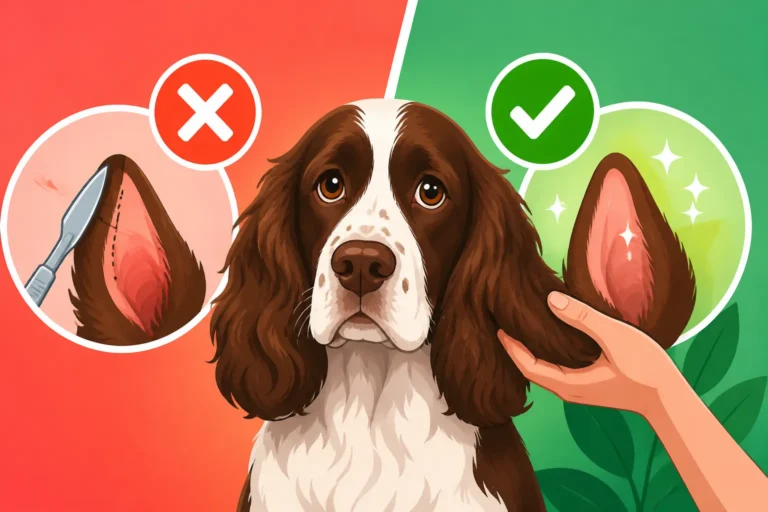
The topic of plucking ear hair in Springer Spaniels is a bit controversial among vets and groomers, and for good reason. On one hand, removing excess hair can significantly improve ventilation and reduce trapped debris, seemingly addressing a core problem. On the other hand, plucking, if not done carefully, can cause micro-traumas to the delicate skin lining the ear canal, leading to inflammation, swelling, and even tiny open wounds. These wounds then become entry points for bacteria and yeast, potentially causing an infection rather than preventing it.
The best approach often depends on the individual dog and the density of their ear hair. For some dogs with very thick, matting hair, a gentle plucking might be beneficial if done sparingly and correctly. For others, particularly those with sensitive skin or a history of irritation from plucking, trimming or thinning might be a safer option. It's always best to consult with your veterinarian or a professional groomer experienced with spaniel ears. They can assess your dog's specific needs and recommend the most appropriate method to keep the ear canal open and healthy without causing unnecessary irritation. Many vets now lean towards thinning rather than full plucking to minimize trauma.
If you're wondering "Whether Plucking Ear Hair Helps a Springer Spaniel", it's a nuanced discussion worth having with your vet.
Regular Cleaning Protocols
Even with perfect trimming and no swimming, Springer Spaniel ears will still accumulate wax and debris. This is why a consistent, gentle ear cleaning routine is paramount. Regular cleaning helps remove excess wax, dirt, and any lingering moisture before it can become a problem. It also helps to maintain a healthy pH balance within the ear, making it less hospitable to yeast and bacteria.
For most Springers prone to ear issues, weekly or bi-weekly cleaning with a veterinarian-recommended ear cleaner is a good starting point. Avoid harsh solutions or anything with alcohol, which can irritate sensitive skin. The process involves gently squirting the cleaning solution into the ear canal, massaging the base of the ear to break up debris, and then allowing your dog to shake their head. After the shake, use a soft cotton ball or gauze to gently wipe away any visible solution and debris from the outer ear and the folds of the pinna. Never use cotton swabs deep inside the ear canal, as this can push debris further in and damage the eardrum. Consistency is key here; think of it as routine maintenance to keep those ears in top shape.
Recognizing the Signs of Trouble
Being proactive about ear health means being vigilant. The earlier you spot the signs of an impending or current ear infection, the sooner you can intervene and prevent a minor issue from escalating into a painful, chronic problem.
Behavioral Clues Your Springer Spaniel Is Uncomfortable
Your Springer Spaniel can't tell you in words that their ear hurts, but they'll certainly show you through their behavior. The most obvious sign is often excessive head shaking. It might start subtly, a quick flick of the head after a nap, but it can quickly become frequent and violent, sometimes accompanied by a visible "thud" of the ear flaps. Constant scratching at the ear with a back paw or rubbing the side of their head along carpets, furniture, or even your leg are also clear indicators of itchiness or irritation. You might also notice them holding their head tilted to one side, favoring the affected ear, or appearing generally lethargic or withdrawn if they are in pain.
Sometimes, they may even become aggressive if you try to touch their head or ears, which is a strong signal that they are experiencing significant discomfort. Keep an eye out for any changes in their playful demeanor or their willingness to engage in activities they usually love, as ear pain can impact their overall well-being. A dog that is usually happy to play fetch might refuse, simply because the jarring motion of running or jumping aggravates their sensitive ears.
Visible and Olfactory Indicators of Infection
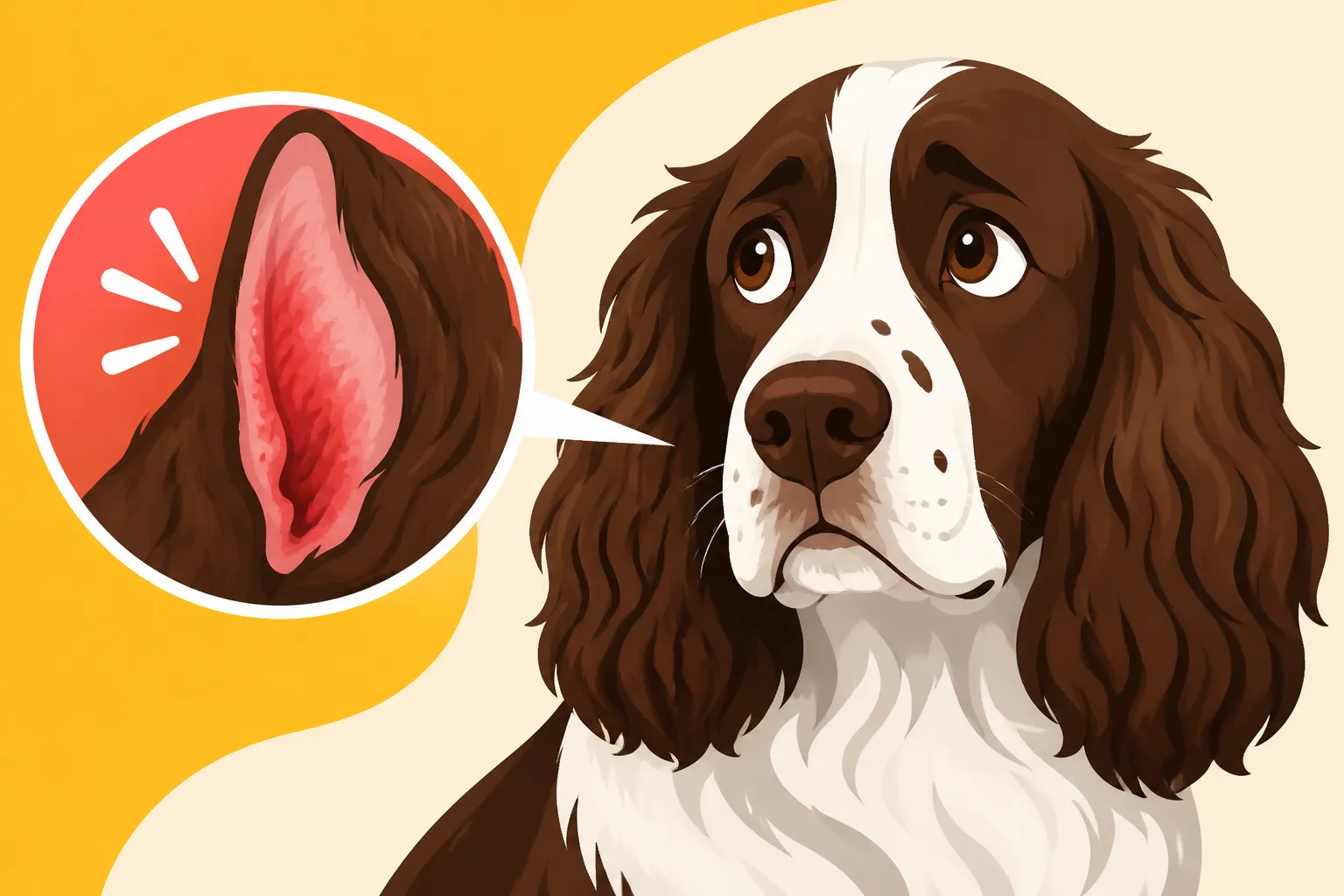
Beyond behavioral cues, there are several physical signs you can look for during your regular ear checks. Start by gently lifting the ear flap and examining the inner surface and the opening of the ear canal. Look for redness or swelling – healthy ear canals should be a pale pink. Discharge is a major red flag; it can range from dark brown or black (often associated with yeast or ear mites) to yellowish or green (typically bacterial). The consistency might be waxy, crusty, or watery.
Then there's the smell. A healthy ear should have minimal odor. However, an infected ear often has a distinct, unpleasant smell – it can be yeasty, sweet, or overtly foul and pungent, especially with bacterial infections. Don't be shy about giving those ears a sniff! Other signs can include scabs or crusts on the inner flap, hair loss around the ear due to scratching, or even a visible swelling of the ear flap itself, which could indicate a hematoma from vigorous head shaking. Any combination of these signs warrants a trip to the vet, as "Signs a Springer Spaniel Has an Ear Infection" should never be ignored.
Managing and Preventing Recurrent Infections
Dealing with ear infections can feel like a game of whack-a-mole, but with a consistent, proactive approach, you can significantly reduce their frequency and severity. It’s all about creating an environment where those pesky pathogens can't thrive.
Establishing a Routine Cleaning Schedule
Consistency is paramount when it comes to preventing recurrent ear infections in Springer Spaniels. Once your vet has cleared up any active infection, establishing a regular ear cleaning schedule is your best defense. For many Springers prone to issues, this means cleaning their ears weekly or bi-weekly, even when they look perfectly fine. Think of it as preventative maintenance, much like brushing their teeth or giving them regular baths.
Use a veterinarian-approved ear cleaner that is gentle and formulated to address issues common in dogs, often containing drying agents or ingredients that break down wax. Your vet can recommend a specific brand, but many owners find success with solutions like Epi-Otic Advanced or Zymox. The goal is to flush out debris, excess wax, and residual moisture, preventing the buildup that leads to problems. This regular attention helps keep the ear canal environment inhospitable to yeast and bacteria, drastically reducing the chances of another flare-up. Over time, you'll learn "How Often a Drop Eared Springer Spaniel Needs Cleaning" for your specific dog.
Thorough Drying After Water Exposure
Given how much Springer Spaniels love water and how their ears trap moisture, one of the most crucial preventative steps is thorough drying after any water exposure. This means after baths, swimming, or even a rainy walk. Don't rely on air-drying alone!
After your Springer Spaniel has been in the water, gently blot the outer ear and the visible parts of the canal with a soft towel or cotton ball. Then, use a canine-specific ear drying solution – often containing witch hazel or boric acid – to help evaporate any lingering moisture deep within the canal. Simply squirt the solution as directed, gently massage the base of the ear for 10-20 seconds, and let your dog shake their head. You can then wipe away any excess. Some dedicated owners even use a low-setting hairdryer (held at a safe distance and never pointed directly into the canal) to ensure the ears are completely dry. This diligence immediately after water exposure can make a world of difference in preventing the moist environment that yeast and bacteria love.
Dietary Management and Supplements
Sometimes, managing recurrent ear infections requires looking beyond topical treatments and into your Springer Spaniel's diet. If allergies are suspected to be an underlying cause, a prescription elimination diet trial can be incredibly effective. This involves feeding a novel protein or hydrolyzed protein diet for 8-12 weeks to identify and eliminate potential food allergens. Even if a full allergy isn't diagnosed, some dogs benefit from high-quality, easily digestible diets with limited ingredients.
Beyond specialized diets, certain supplements can support overall skin and ear health. Omega-3 fatty acids (like fish oil) are well-known for their anti-inflammatory properties, which can help reduce the chronic inflammation in the ear canal associated with allergies. Probiotics can also support a healthy gut microbiome, which is intrinsically linked to immune function and skin health. Always discuss any dietary changes or supplements with your veterinarian to ensure they are appropriate for your individual Springer Spaniel and won't interact with any existing medications or health conditions. Pet insurance providers like Healthy Paws often highlight the importance of preventative care and dietary management in their educational materials, underscoring how these choices impact long-term health.
When Medical Intervention Becomes Necessary
Despite your best efforts, sometimes ear infections will still rear their ugly head, or a chronic issue might escalate. Knowing when to seek professional veterinary help and what to expect can ensure your Springer Spaniel gets the care they need.
Veterinary Diagnosis and Treatment
When you notice signs of an ear infection, a trip to the veterinarian is crucial. Self-treating can lead to complications, incorrect diagnoses, or the use of inappropriate medications that can worsen the problem. Your vet will perform an otoscopic examination, peering deep into the ear canal with a special tool to assess its condition, check for foreign bodies, and ensure the eardrum is intact. They will almost always take a swab of the ear discharge for cytology, examining it under a microscope to identify whether yeast, bacteria, or mites are present, and sometimes even a combination. This step is vital because different pathogens require different medications.
Based on the diagnosis, your vet will prescribe the appropriate treatment, which usually involves ear drops. These drops can contain antibiotics, antifungals, anti-inflammatory steroids, or a combination. In severe cases, or if the infection is particularly stubborn, oral medications (antibiotics or antifungals) might be prescribed as well. It's incredibly important to follow your vet's instructions precisely, completing the full course of medication even if the ear appears to have cleared up. Stopping too early is a common reason for recurrence. You might be surprised at "How Often a Springer Spaniel Owner Pays for Ear Treatment" if these issues become chronic, highlighting the importance of thorough initial care.
Addressing Stubborn or Recurrent Cases
For Springer Spaniels plagued by chronic, recurring ear infections that don't respond to standard treatments, your vet might recommend further diagnostics or specialist intervention. This could include sending a sample for bacterial culture and sensitivity testing, which identifies the exact type of bacteria and which antibiotics will be most effective against it. If allergies are suspected, a referral to a veterinary dermatologist might be in order for allergy testing (intradermal skin testing or blood tests) to pinpoint environmental triggers, or to guide a strict elimination diet trial for food sensitivities.
In some cases, chronic inflammation and infection can lead to irreversible changes within the ear canal, such as calcification, thickening, or severe narrowing. When medical management consistently fails, or if the dog is in constant pain, surgical options may be discussed.
Surgical Interventions: When All Else Fails
Surgery for chronic ear disease in Springer Spaniels is typically considered a last resort, but for some dogs, it can offer immense relief and significantly improve their quality of life. The most common surgical procedure for end-stage ear disease is a Total Ear Canal Ablation (TECA) with Bulla Osteotomy. This extensive surgery involves removing the entire ear canal, effectively eliminating the diseased tissue and preventing future infections. The ear drum is removed, and the middle ear cavity (bulla) is cleaned out.
While a TECA can resolve chronic pain and infection, it does result in permanent deafness in the affected ear. However, for dogs that have been living with severe, chronic pain and hearing loss due to repeated infections, the relief can be profound. Other less invasive surgeries, such as a Lateral Ear Canal Resection (LECR), might be considered for less severe cases to improve ventilation. The decision for surgery is always a weighty one, involving careful consideration of the dog's quality of life, the extent of the disease, and the potential risks and benefits. Discussing "Whether a Springer Spaniel Needs Ear Surgery" with your vet means you've likely exhausted other options, and it's a testament to the severity of chronic ear issues in the breed. When such serious interventions are needed, having pet insurance like Healthy Paws can significantly ease the financial burden.
| Condition | Common Signs | Typical Treatment | Prevention Strategies |
|---|---|---|---|
| Yeast Infection | Musty odor, dark waxy discharge, itching, redness | Antifungal ear drops, sometimes oral antifungals | Regular cleaning, thorough drying, allergy management |
| Bacterial Infection | Foul odor, pus-like discharge, pain, redness, swelling | Antibiotic ear drops, sometimes oral antibiotics | Regular cleaning, thorough drying, allergy management, address trauma |
| Ear Mites | Dark, crumbly "coffee ground" discharge, intense itching | Miticidal ear drops, systemic antiparasitics | Regular parasite prevention, cleanliness |
| Allergies | Recurrent infections, generalized itching, redness | Allergy medications, elimination diet, immunotherapy | Avoid known allergens, manage environment, dietary control |
| Moisture Trapping | Dampness, mild odor, inflammation | Drying solutions | Thorough drying after water, ear ventilation, regular cleaning |
Living with a Springer Spaniel's Ear Challenges
It's clear that your Springer Spaniel's ears require a bit more attention than average, and managing them can be a commitment. But with dedication, you can ensure your beloved companion lives a comfortable, happy life free from chronic ear pain.
The Long-Term Commitment to Ear Care
Owning a Springer Spaniel, especially one prone to ear issues, means accepting a long-term commitment to proactive ear care. This isn't a one-and-done situation; it's an ongoing routine of checks, cleaning, and vigilance. Embrace the process: make ear checks a positive experience with treats and praise, so your dog associates it with good things. Keep a supply of recommended ear cleaner and drying solution on hand. Be consistent with your schedule, whether it's weekly, bi-weekly, or as advised by your vet. This consistent, gentle care is the cornerstone of preventing those painful, frustrating flare-ups.
It also means keeping a close relationship with your veterinarian. They are your best resource for diagnosing new problems, adjusting cleaning protocols, and exploring advanced treatments like allergy management. Don't hesitate to reach out if you notice any new symptoms or if a familiar problem seems to be getting worse. Remember, preventing serious issues is always easier (and often less expensive) than treating them once they've taken hold. While "What Chronic Ear Disease Costs a Springer Spaniel Owner" can be significant, consistent care can often minimize these expenses.
Advocating for Your Springer Spaniel's Health
You are your Springer Spaniel's best advocate. If you feel like their ear issues aren't being adequately addressed, or if you're not getting clear answers, don't be afraid to seek a second opinion or ask for a referral to a veterinary dermatologist. Sometimes, a fresh pair of eyes or specialized expertise can uncover an underlying cause that was missed. Keep a log of your dog's ear health – dates of infections, treatments used, and how well they worked. This detailed history can be invaluable for your vet in identifying patterns and developing a more effective long-term management plan.
Educate yourself about the nuances of Springer Spaniel ear health. The more you understand, the better equipped you'll be to make informed decisions and communicate effectively with your veterinary team. While "The Twelve to Fourteen Years a Springer Spaniel Lives" is a good span, ensuring those years are comfortable means being a proactive and informed owner every step of the way. Ultimately, your dedication to their ear health is a profound expression of your love and care for your spirited companion.
Disclaimer
This article is for general informational purposes only and does not constitute professional advice. Laws, prices and regulations vary by location and change over time. Consult a qualified professional for guidance on your specific situation.