Where a Grass Awn Lodges on a Springer Spaniel
If you're a Springer Spaniel owner, especially one whose dog loves nothing more than to dive headfirst into tall grass or scamper through fields, you've probably heard the dreaded term "grass awn." These seemingly innocent plant parts are actually tiny, barbed weapons, and they pose a significant threat to our beloved Springers. The worry about where these insidious little seeds might lodge themselves is a constant, nagging fear for many of us, and it’s a valid one. This guide is here to shed light on the most common—and some of the most dangerous—places these grass awns can hide on your Springer Spaniel, helping you stay vigilant and informed.
The Anatomy of a Grass Awn and Why It's a Problem for Springers
Let's face it, when you picture a field of waving grass, you probably think of beauty, nature, and perhaps the sheer joy your Springer feels bounding through it. But lurking within those picturesque scenes are microscopic hazards that can turn a fun outing into a medical emergency. Understanding why grass awns are such a menace is the first step to protecting your dog.
What Makes Grass Awns So Dangerous?
Grass awns, sometimes called foxtails, burrs, or grass seeds, aren't just prickly little bits of plant material. They are perfectly engineered survival mechanisms for a plant, designed to latch onto passing animals and burrow into the ground to germinate. Their danger lies in their unique structure: they are typically arrow-shaped with tiny, stiff barbs pointing backward, like the fletching on an arrow. This design allows them to move only in one direction—forward. Once an awn pierces the skin or gets caught in fur, every movement, every flex of a muscle, every lick or scratch by your dog, pushes it further inward. It’s a relentless, one-way journey.
Imagine a tiny, sharp spear that slowly but surely works its way deeper into tissue. This isn't just surface irritation; these awns can migrate through muscle, cross tissue planes, and even penetrate internal organs. The frustration for us owners is immense because we often don't see them go in, and once they're embedded, they become almost impossible for the dog's body to expel naturally. The misery they can cause, from painful abscesses to severe internal infections, is heartbreaking, especially when it comes from something as unassuming as a blade of grass.
Why Springer Spaniels Are Particularly Susceptible
Our Springers, bless their enthusiastic, driven souls, are practically custom-designed to be grass awn magnets. Their combination of physical traits and behavioral tendencies puts them at a much higher risk than many other breeds.
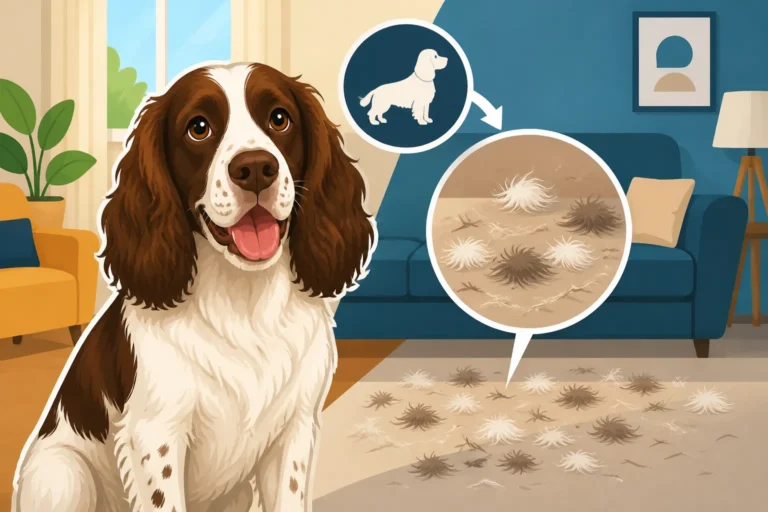
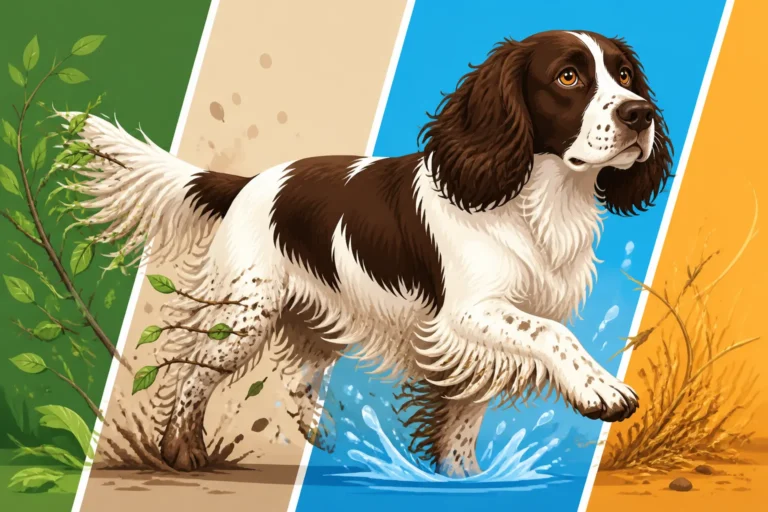
First, consider their glorious, flowing coats. Those beautiful, soft feathers on their legs, chest, and belly, while stunning, are perfect for trapping all sorts of debris, including grass awns. A field-bred Springer, with a slightly coarser but still dense coat, might shed some things, but those barbed awns cling on with tenacity. A show-bred Springer, with even more extensive feathering, can become a literal walking collection of plant material after just a short romp. The thicker the fur, the harder it is for us to spot these tiny invaders before they start their burrowing journey.
Second, their very nature dictates their danger. Springers are active, curious, and, crucially, they spend a lot of time with their noses to the ground. Whether they're quartering a field, following a scent trail, or just enjoying a good sniff on a neighborhood walk, their head and muzzle are constantly sweeping through vegetation. This low-to-the-ground exploration puts their sensitive noses, mouths, and eyes directly in the line of fire for airborne or low-lying awns.
And then there are those iconic, low-slung ears. They are magnificent, yes, but they also act like giant scoops, funneling anything they brush against directly into the ear canal. Why a Springer Spaniel's Ears Are Never Quite Healthy is a common refrain among owners, and grass awns are a significant contributor to that struggle. It's a perfect storm of anatomy and activity that makes our beloved companions highly vulnerable to these stealthy hazards.
Common External Lodgement Sites
While a grass awn can, theoretically, get stuck anywhere on your Springer Spaniel, certain areas are far more common due to their exposure and the mechanics of how awns attach and penetrate. These are the spots you must check meticulously after every outdoor adventure, especially during peak grass awn season.
The Paws and Between the Toes
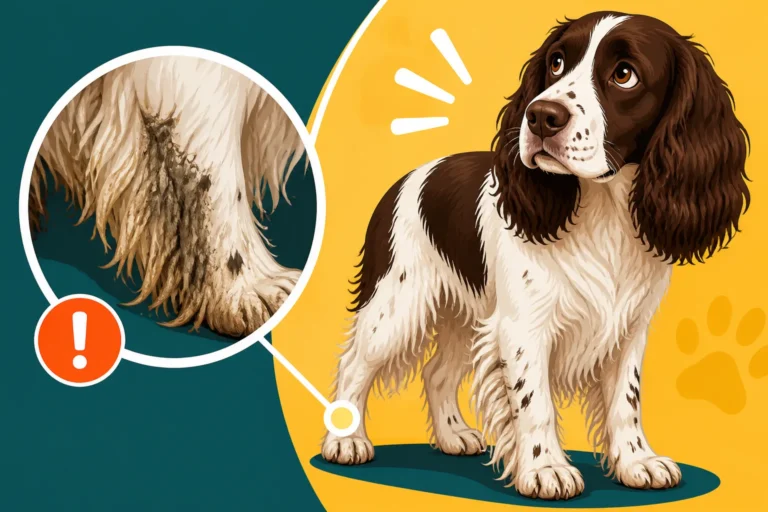
This is perhaps the most frequent battleground for grass awns. Think about it: your Springer is running, leaping, and digging. Their paws are constantly in contact with the ground, pushing through grass and soil. Those delicate spaces between their toes, especially where the skin is softer and the fur is denser, are prime real estate for awns to embed.
You might notice your Springer suddenly start limping or repeatedly licking one paw, sometimes obsessively. Swelling, redness, or even a small, draining lesion might appear. The awn might work its way under the skin, creating a painful tunnel and eventually an abscess. If left untreated, these awns can even travel up the leg, causing lameness, swelling further up the limb, or even migrating into joints. Both field and show Springers are equally at risk here because both types are active dogs who love to explore. Regular paw checks, paying close attention to the webbing between the pads and toes, are non-negotiable. Checking a Springer Spaniel's Feet After Working is a routine you'll become very familiar with.
The Ears: A Prime Target
Oh, those beautiful, feathery Springer ears! They are a breed hallmark, but for grass awns, they are an open invitation to trouble. The long, pendulous ear flaps, combined with the hair inside and around the ear canal, create a perfect funnel, directing grass awns straight down into the sensitive ear canal. A quick shake of the head or a scratch with a paw can propel an awn deeper and deeper.
The symptoms are often dramatic and unmistakable: sudden, violent head shaking, frantic pawing or scratching at the ear, tilting the head to one side, or rubbing the ear along the ground or furniture. You might also notice a discharge, an unpleasant odor, or your dog crying out when the ear is touched. This isn't just discomfort; an awn in the ear canal can cause severe pain, perforate the eardrum, and lead to serious infection. It requires immediate veterinary attention, often involving sedation and special instruments to remove it. Drying a Springer Spaniel's Ears After Swimming also highlights the importance of ear care and vigilance.
The Eyes and Nose: High-Risk Areas
These are arguably the most terrifying places for a grass awn to lodge because of the delicate nature of the organs involved and the severe consequences. Our Springers are constantly sniffing and exploring, and their heads are often low to the ground.
-
Eyes: An awn can get caught under an eyelid, irritating the delicate surface of the eye. You might see your Springer squinting, blinking excessively, pawing at their face, or experiencing watery or red eyes. If the awn scratches the cornea, it can lead to a painful corneal ulcer. These situations are extremely urgent; a vet visit is needed right away to prevent permanent damage to vision. The tiny barbs on an awn can make removal tricky, even for a vet.
-
Nose: This is another high-risk pathway. As your Springer sniffs vigorously through tall grass, they can inhale a grass awn directly into their nasal passages. The immediate signs are usually dramatic and frightening: sudden, violent, uncontrollable sneezing fits, often accompanied by snorting, reverse sneezing, or pawing at the nose. You might see blood-tinged nasal discharge from one nostril. If the awn continues its journey, it can migrate further into the sinuses, or in very rare but terrifying cases, even into the lungs or brain. This migration can lead to chronic infections, neurological issues, or even life-threatening conditions. The frustration here is palpable; how can you possibly prevent your dog from sniffing? The best we can do is be hyper-aware of the symptoms and act quickly.
Hidden and Internal Dangers
While the external areas are the most common sites for grass awns, some of the most insidious and dangerous lodgements occur in less obvious places, often leading to more complex and serious health issues. These are the situations that can turn into a diagnostic nightmare for veterinarians and a prolonged worry for owners.
The Armpits and Groin: Friction Points
These areas are often overlooked during a quick post-walk inspection, yet they are remarkably vulnerable. The skin in your Springer’s armpits (axillae) and groin region is softer and thinner than much of the rest of their body, making it easier for awns to penetrate. Furthermore, these are areas of high friction. With every step your Springer takes, the skin and fur rub together, and this continuous motion can actually help to drive an embedded grass awn deeper into the tissue.
A small awn can quickly burrow its way in, creating a hidden tunnel under the skin. You might not notice it initially, as your dog might not show immediate discomfort unless it’s causing significant pain. Over time, however, the body's immune response to the foreign object often leads to a localized infection or abscess. You might discover a tender, swollen lump, often accompanied by heat, pain, or a draining tract. These abscesses can be incredibly painful and require veterinary intervention to drain, explore, and hopefully remove the entire awn. The challenge is often finding the tiny awn within the swollen, inflamed tissue. This highlights the importance of grooming at home (Whether a Springer Spaniel Owner Can Groom at Home) and meticulous full-body checks.
Mouth, Gums, and Throat
Our Springers love to chew, mouth things, and explore the world with their magnificent noses and mouths. This makes their oral cavity another potential entry point for grass awns. A Springer might chew on a blade of grass or pant heavily while running through a field, inadvertently catching an awn in their mouth.
These awns can lodge in various places: stuck in the gums, embedded between teeth, or even working their way into the tonsils or the soft tissues at the back of the throat. The symptoms might include excessive drooling, pawing at the mouth, gagging, difficulty eating, or a sudden reluctance to chew on toys. Sometimes, you might notice really bad breath if an infection has started. It's an uncomfortable situation for them, and again, early detection is key. A veterinary examination might require sedation to get a good look at the back of the throat and under the tongue, areas that are nearly impossible for a conscious dog to tolerate being thoroughly inspected.
The Most Frightening Migrations
While rare, the possibility of a grass awn migrating to internal organs is the most terrifying scenario for any Springer Spaniel owner. These awns are relentless, and their barbed nature allows them to slowly but surely move through muscle, fascia, and even penetrate body cavities.
Stories abound, and they are chilling: awns found in the lungs, causing persistent coughing, pneumonia, or even lung collapse; awns travelling along the spinal cord, leading to paralysis or neurological deficits; awns penetrating the abdominal cavity and lodging in organs like the liver, spleen, or kidneys, causing peritonitis, abscesses, and organ damage. Symptoms in these cases can be incredibly vague and mimic many other conditions: lethargy, loss of appetite, unexplained fever, lameness in an unusual location, or general malaise. Diagnosing these internal migrations can be incredibly challenging, often requiring advanced imaging like ultrasound or CT scans, and sometimes even exploratory surgery. The fear that Whether a Grass Awn Can Kill a Springer Spaniel is very real in these extreme, though thankfully uncommon, circumstances. It emphasizes why vigilance, quick action on initial symptoms, and thorough veterinary work-ups are so vital.
Prevention and Post-Exposure Action
Given the sneaky and dangerous nature of grass awns, a proactive approach is absolutely essential for every Springer Spaniel owner. Prevention is always better than trying to remedy a deeply embedded awn.
Proactive Measures in Awn Season
Taking a few preventative steps, especially during the peak seasons when grasses dry out and shed their seeds, can significantly reduce the risk for your Springer.
- Avoidance: The most straightforward method is to avoid areas with tall, seeding grasses. While this might be difficult for an active Springer, try to stick to mowed paths, paved areas, or manicured parks during high-risk periods. If you have a yard, keeping your grass short is a good practice.
- Grooming: Regular grooming is your frontline defense. Those long feathers on your Springer's legs, belly, and ears are perfect traps for awns. Brushing your dog daily, especially after outdoor excursions, helps dislodge surface-level awns before they can burrow. Some owners of working Springers opt to trim or clip certain areas, like the hair between the toes and around the ears, to reduce the surface area available for awns to grab onto. While a show Springer's coat might require more specialized care, even a field Springer benefits from regular attention to feathering. You can find excellent grooming tools, from brushes to thinning shears, on sites like Chewy or Amazon.
- Protective Gear: For working Springers, or those who spend a lot of time in dense cover, protective vests or even specialized boots can offer a barrier. Whether a Working Springer Spaniel Needs a Vest in Heavy Cover explores this topic in more detail. While not always practical for every dog or every outing, they can be a lifesaver in high-risk environments.
The Critical Post-Walk Check
This is perhaps the single most important routine you can establish. After every walk, hunt, or romp in potentially grassy areas, take a few minutes to conduct a thorough head-to-tail check of your Springer. Think of it like a meticulous tick check, but for awns. How to Check a Springer Spaniel for Ticks outlines a similar methodical approach.
Here’s a step-by-step approach:
- Paws First: Start with the paws. Carefully examine each toe, spreading them apart to look at the webbing and pads. Feel for any lumps, tenderness, or unusual texture. Don't forget the dewclaws!
- Ears: Gently lift your Springer’s ear flaps and visually inspect the outer ear and as much of the ear canal as you can see. Look for any debris, redness, or signs of irritation. Use your fingers to feel along the outside of the ear leather.
- Eyes and Nose: Take a good look at their eyes for any redness, discharge, or squinting. Gently part the hair around their muzzle and check their nostrils for anything lodged there.
- Full Coat Pat-Down: Systematically run your hands over your Springer's entire body, paying extra attention to areas with feathering: chest, armpits, belly, groin, and the underside of the tail. Feel for any small, spiky objects, lumps, or tender spots. Given that A Springer Spaniel's Feathering Mats easily, these areas are often dense and require careful palpation.
- Mouth Inspection (if tolerated): If your dog allows, briefly check inside their mouth, lifting their lips to look at their gums and teeth. This might not be possible for all dogs, but it's worth a try.
Consistency is key here. Make it a routine, maybe with a favorite treat or a relaxing belly rub, so your Springer associates it with positive reinforcement.
When to Seek Veterinary Care
The most important advice regarding grass awns is this: don't wait if you suspect an awn. These aren't like thorns that work themselves out. Their barbed nature means they are almost certainly going in, not out.
Seek immediate veterinary attention if you notice any of the following symptoms:
- Violent, persistent head shaking or pawing at an ear.
- Sudden, severe, or prolonged sneezing fits, especially with blood-tinged discharge.
- Sudden limping, excessive licking of a paw, or swelling between the toes.
- Squinting, pawing at an eye, or excessive tearing.
- Any new lump, tenderness, or draining tract on your dog's body, especially in the armpits or groin.
- Unexplained lethargy, fever, or loss of appetite following time in grassy areas.
Even if you can't see an awn, these symptoms strongly suggest one has found its way in. Your veterinarian has the tools and expertise to properly diagnose and remove them, which often requires sedation, specialized scopes, or even surgical exploration. While it can be stressful and sometimes costly, the alternative of allowing an awn to migrate internally is far worse. Understanding the potential long-term issues, such as those highlighted in What a Springer Spaniel Owner Spends on Ear Care in a Decade, can underscore the importance of prompt action. It's always better to err on the side of caution and get your beloved Springer checked out.
| Location | Common Symptoms | Immediate Action | Potential Severity |
|---|---|---|---|
| Paws/Between Toes | Limping, persistent licking, swelling, redness, small draining lesion | Thorough visual/manual check. If found, attempt gentle removal if superficial. If deep or inflamed, vet visit. | Moderate to High |
| Ears | Violent head shaking, pawing at ear, head tilt, discharge, pain | Vet visit immediately. Do NOT try to remove if deep in canal. | High |
| Eyes | Squinting, excessive blinking, pawing at face, redness, tearing, discharge | Vet visit immediately. Do NOT attempt removal yourself. | High (vision risk) |
| Nose | Violent sneezing/snorting, pawing at nose, blood-tinged discharge | Vet visit immediately. | High (migration risk) |
| Armpits/Groin | New lump, tenderness, swelling, heat, draining tract | Meticulous manual check. If found or suspected, vet visit. | Moderate to High |
| Mouth/Gums/Throat | Excessive drooling, gagging, difficulty eating, pawing at mouth, bad breath | Vet visit for thorough oral examination, possibly under sedation. | Moderate to High |
| Anywhere else on body | Persistent scratching/licking, unexplained lump, tenderness, draining tract | Meticulous manual check. If found or suspected to be embedded, vet visit. | Moderate to High |
Disclaimer
This article is for general informational purposes only and does not constitute professional advice. Laws, prices and regulations vary by location and change over time. Consult a qualified professional for guidance on your specific situation.