Whether a Springer Spaniel Should Be Rinsed After Every Walk
It’s a tale as old as time for English Springer Spaniel owners: you’ve just had a lovely, invigorating walk, your Springer is absolutely thrilled, and then you look down. Mud. Leaves. Perhaps a suspicious sticky patch you don't even want to think about. The immediate question often becomes, "Do I really need to rinse them every single time?" It’s a common frustration, and the good news is that the answer isn't a simple yes or no. This guide will walk you through the nuances of post-walk cleaning, helping you strike the perfect balance between keeping your home clean and maintaining your beloved Springer’s healthy coat and skin.
The Springer Spaniel's Unique Coat and Skin
Our Springers are beautiful dogs, but that gorgeous coat and their often-sensitive skin come with their own set of care instructions. It's not just about aesthetics; their coat is a functional marvel, designed for specific purposes in the field. Understanding its structure and your dog's skin can help you make informed decisions about how often to rinse.
The Double Coat's Purpose and Structure
A Springer Spaniel's coat is a true marvel of natural engineering, especially for a dog bred to work in varied and often challenging terrain. They possess a double coat, which means two distinct layers working in harmony. The outer coat is generally medium length, dense, and slightly wavy, designed to be water-repellent and protective against briars, brambles, and other rough cover. It helps shed water and dirt, acting as a natural shield. Beneath this lies a soft, dense undercoat, which provides insulation against both cold and heat, regulating their body temperature whether they’re crashing through icy waters or navigating a warm, dusty field.
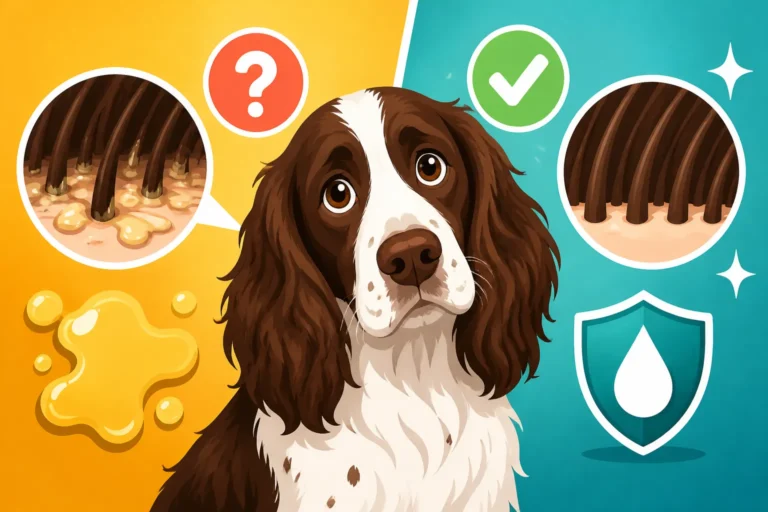
This incredible design, however, is a double-edged sword when it comes to daily maintenance. While it's fantastic for keeping them warm and somewhat dry in the elements, it's also incredibly efficient at trapping debris. Mud, burrs, tiny twigs, and even lingering pollen can become deeply embedded within both layers. The natural oils produced by their skin are crucial for maintaining the water-repellency and overall health of this coat. These oils keep the hair supple, prevent breakage, and contribute to that characteristic "Spaniel sheen." Constant, unnecessary washing with harsh products can strip away these vital oils, compromising the coat's integrity and leaving it dull, brittle, and less protective.
Understanding Springer Spaniel Skin Sensitivity
Beyond the coat, many Springer Spaniels can have surprisingly delicate skin. They are, unfortunately, prone to a variety of skin issues, including allergies that can manifest as intense itching, redness, or even secondary infections. The skin has a natural pH balance, and anything that disrupts this, such as overly frequent bathing with inappropriate shampoos, can throw it off kilter. This imbalance can weaken the skin's natural barrier, making it more susceptible to irritants and environmental allergens.
Imagine your own skin after showering multiple times a day with strong soap; it would likely become dry, itchy, and irritated. The same principle applies to our Springers. Over-rinsing, especially if followed by incomplete drying, creates a damp, warm environment that is a perfect breeding ground for yeast and bacteria. This can quickly escalate into uncomfortable skin infections, commonly seen as "hot spots," or exacerbate underlying conditions. If you've ever dealt with a Springer who develops red, weeping patches or constantly licks their paws raw, you know the frustration. It’s a battle between keeping them clean and not provoking a flare-up. Being mindful of Whether a Springer Spaniel Gets Skin Allergies can help you choose appropriate cleaning products and routines.
The Practicalities of Post-Walk Cleaning
So, when do you need a full rinse, and when can you get away with less? It's all about assessing the situation and having the right tools on hand to manage the daily grime without resorting to a full bath every time your dog steps foot outside.
When a Full Rinse is Necessary vs. a Quick Clean-Up
Let's be realistic: your Springer isn't always going to come home looking like they rolled in a mud bog. Often, a quick clean-up is all that's needed. If your Springer has simply been for a walk on a dry, dusty trail or a damp, grassy field, they likely don't need a full-body rinse. A good, vigorous towel rub, especially targeting their belly, legs, and feathering, can often remove most of the surface dirt and dampness. Think of it as a daily refresh rather than a deep clean.
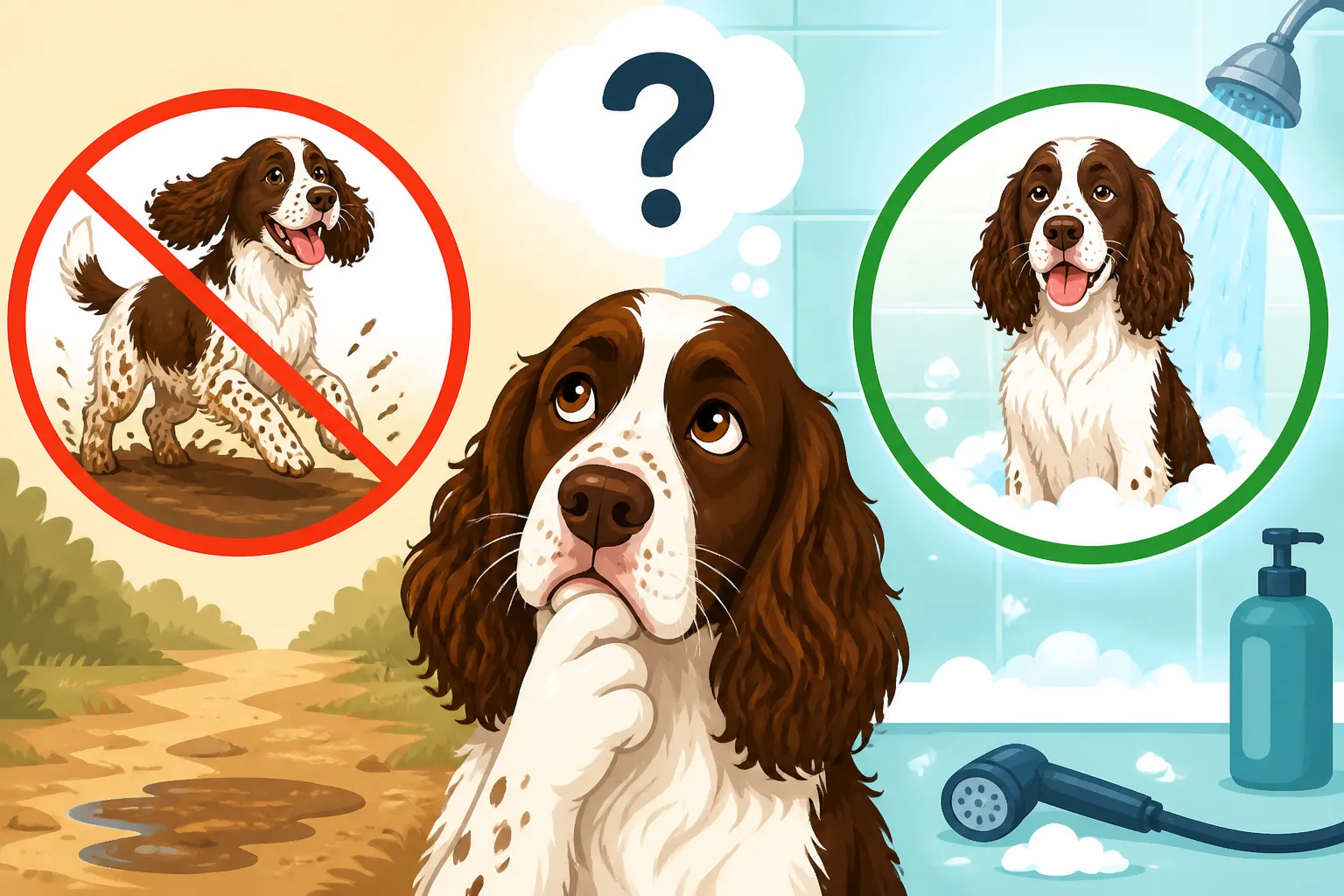
However, there are definitely times when a full rinse (and I mean water only, not necessarily shampoo) is absolutely essential. If your Springer has managed to find every single mud puddle and is caked in grime, or worse, if they've rolled in something truly offensive – like fox poo, which is a particular favorite for many Spaniels – then a thorough rinse is non-negotiable. The goal is to remove the offending substance and prevent matting or skin irritation. A full rinse is also often recommended after a swim in a lake or pond, especially if the water quality is questionable, to remove any potential irritants or contaminants. For these scenarios, you're not trying to strip their oils, but simply to clean off what shouldn't be on their coat. Focus on the most affected areas first, like their heavily feathered legs, belly, and chest. Knowing how to manage Trimming a Springer Spaniel's Feathering can make these clean-ups much easier.
Tools and Techniques for Effective Rinsing
Having the right arsenal of tools can make all the difference in making post-walk clean-ups quick and less messy. For lighter duty, invest in several high-quality, absorbent microfiber towels. These are fantastic for wicking away moisture and rubbing off loose dirt without needing a full soak. Keep them near the door or in your car if you’re out and about. A dedicated paw cleaner (those cup-like devices with silicone bristles) can be a lifesaver for muddy paws, keeping the mess contained.
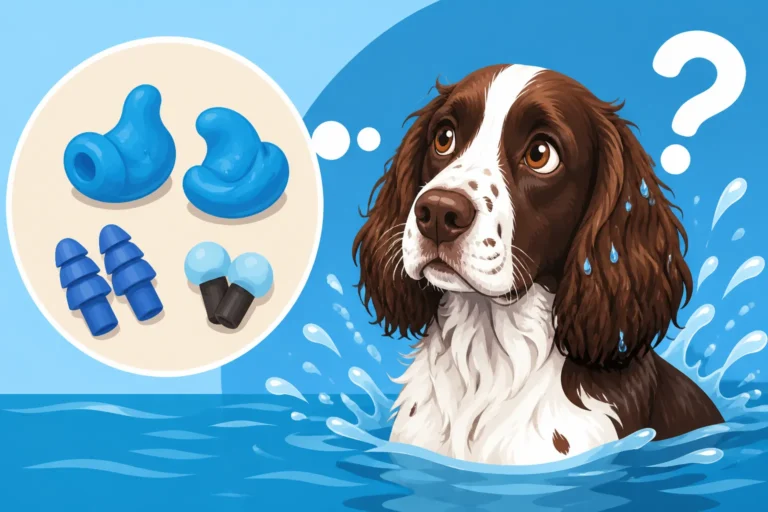
For those times when a full rinse is needed, consider an outdoor washing station if you have the space, or a utility sink indoors. A hose attachment with various spray settings can be incredibly useful, allowing you to quickly wet and rinse without turning it into a wrestling match in the bathtub. Always use lukewarm water – never too hot or too cold – to keep your Springer comfortable and prevent shocking their system. Focus on rinsing the legs, belly, and undercarriage, gently working the water through the feathering. The most crucial step after any rinse or swim is thorough drying. This cannot be stressed enough, especially around those long, floppy ears. If moisture is left to sit, it creates the perfect breeding ground for ear infections. Read up on Drying a Springer Spaniel's Ears After Swimming for more detailed advice.
Recommended Drying Methods
After a rinse, proper drying is paramount to preventing skin issues and keeping that beautiful coat healthy. Leaving a Springer Spaniel damp, especially in their dense undercoat and thick feathering, is an open invitation for problems like yeast infections, hot spots, and matting. Your first line of defense should always be vigorous towel drying. Use those absorbent microfiber towels we discussed, squeezing and rubbing to remove as much water as possible. Pay particular attention to the armpits, groin, belly, and, of course, those long ear leathers. These areas tend to stay damp longer and are prone to irritation.
For a more thorough dry, especially if your Springer has been completely soaked, a dog-specific force dryer or a human hairdryer on a cool or low setting can be invaluable. Never use high heat, as it can burn their skin. A force dryer is particularly effective as it blows water out of the coat rather than just absorbing it, significantly speeding up drying time and helping to fluff out the undercoat. If you don't have one, keep a fan pointed at your Springer in a well-ventilated room to aid air drying, but supervise them to prevent them from getting chilled or lying down before they're completely dry. Remember, a damp coat can quickly develop that characteristic "wet dog" smell, and worse, can contribute to skin problems and matting. A dry coat is a healthy coat, and it smells a lot better too! Understanding Why a Springer Spaniel's Coat Holds Odor can highlight the importance of thorough drying.
Balancing Cleanliness with Coat and Skin Health
The goal isn't just a clean dog; it's a healthy dog. This means finding the sweet spot where your cleaning routine removes grime without compromising the natural defenses of your Springer's skin and coat.
The Risks of Over-Rinsing or Frequent Shampoos
It's tempting to reach for the shampoo bottle every time your Springer gets a bit mucky, but this can actually do more harm than good. A Springer Spaniel's skin and coat rely on a delicate balance of natural oils to maintain their health, water-repellency, and protective qualities. Frequent shampooing, especially with products not specifically designed for dogs or those with harsh detergents, strips these essential oils away. This can leave the coat dry, brittle, and prone to breakage, and the skin itchy, flaky, and irritated. You might notice your dog scratching more, even if they appear visually clean.
Beyond stripping oils, excessive washing can disrupt the skin's natural microbiome – the community of beneficial bacteria and yeasts that live on the skin and help protect it from pathogens. When this balance is disturbed, opportunistic organisms like yeast can proliferate, leading to conditions such as yeast infections, which manifest as greasy, malodorous skin, often found in folds or damp areas like armpits and groin. Furthermore, if you're frequently rinsing but not thoroughly drying, you're creating the perfect damp, warm environment for bacteria and yeast to thrive, contributing to hot spots and recurring infections. This is a common precursor to why How Often a Springer Spaniel Gets Ear Infections can become a chronic issue, as moisture trapped in those pendulous ears is a prime breeding ground.
The Benefits of a Smart Cleaning Routine
A thoughtful and smart cleaning routine goes far beyond just getting your Springer visibly clean. It actively contributes to their overall health and comfort. By understanding when to rinse, when to shampoo, and how to effectively dry, you're helping to maintain their natural skin and coat barrier, which is their first line of defense against environmental irritants and pathogens. A healthy coat is less prone to matting, which can be incredibly painful for a dog and can hide underlying skin issues. Regular, gentle cleaning, coupled with consistent brushing, helps to remove loose hair, distribute natural oils, and prevent tangles from forming.
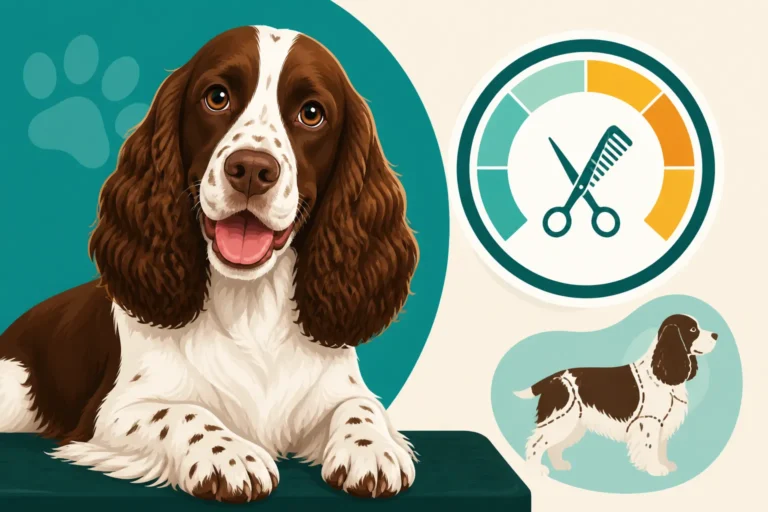
A smart routine also means less unpleasant "doggie odor" permeating your home. While all dogs have a natural scent, a healthy, clean coat smells much fresher than one laden with dirt, stale moisture, or bacterial/yeast overgrowth. Moreover, establishing a routine of checking your Springer during cleaning allows you to spot any potential problems early – ticks, cuts, abrasions, or developing hot spots. This proactive approach can save you a lot of worry and vet bills down the line. Remember, brushing is your secret weapon here. Daily or every-other-day brushing, especially for show-bred Springers with their extensive feathering, can drastically reduce the need for full baths by removing dirt and preventing mats. It’s an integral part of maintaining that beautiful coat and reducing the overall cleaning burden, linking directly to how How Often a Show Springer Spaniel Needs Trimming affects daily grooming.
Product Choices and Their Impact
When a full shampoo is necessary – perhaps after a particularly messy adventure or for a routine deep clean every few weeks – your choice of product truly matters. You should only use shampoos and conditioners specifically formulated for dogs. Human products have a different pH balance and can be far too harsh for canine skin, leading to dryness and irritation. Look for pH-balanced, gentle formulas. For Springers with known skin sensitivities, hypoallergenic or oatmeal-based shampoos can be soothing. Brands available on Chewy or Amazon often offer a wide range of options, allowing you to find what works best for your specific dog. If you’re dealing with a particularly oily coat or a persistent "doggy smell," you might look for specific clarifying shampoos, but use these sparingly. Which Shampoo Suits a Springer Spaniel's Oily Coat delves deeper into making the right selection.
For in-between cleaning or targeted spot treatments, waterless shampoos or deodorizing sprays can be helpful. These allow you to freshen up your Springer without the full bath commitment, which is great for those quick, minor messes. Again, opt for dog-specific products to avoid any skin irritation. If your Springer is prone to grass awns or other field debris, a quick spray with a detangling conditioner before brushing can help loosen them. Always introduce new products gradually and monitor your dog's skin for any adverse reactions. And remember, sometimes, the best "product" is simply clean, warm water and a thorough towel dry.
Tailoring the Routine to Your Springer's Lifestyle
Every Springer Spaniel is an individual, and their cleaning needs will naturally vary based on their daily life, the environment they live in, and even the time of year. What works for a field dog might be overkill for a house pet.
The Active Field Springer vs. the Pet Home Companion
The lifestyle of your Springer Spaniel is arguably the biggest factor in determining their post-walk cleaning routine. A field-bred Springer Spaniel, constantly crashing through thick cover, swimming in ponds, and working in all kinds of weather, is going to accumulate a lot more dirt, mud, and debris than a show-bred Springer who primarily enjoys leash walks in a suburban park. For the active field dog, daily brushing and meticulous checks for burrs, ticks, and grass awns are non-negotiable after every outing. A quick rinse of the legs, belly, and feathering with plain water might be a daily necessity, especially if they’ve been in muddy fields or swimming.
However, even for these hard-working dogs, a full shampoo bath should still be reserved for true necessity – when they’re truly filthy, or if you notice their coat isn't shedding water as it should, indicating a build-up of grime. Over-shampooing can dry out their working coat, making it less effective. For a pet Springer who primarily enjoys walks on pavement or well-maintained trails, the routine can be much simpler. Paw wipes and a brush-down might suffice for most walks. A full rinse would only be needed if they found an irresistible mud puddle or rolled in something unpleasant. Understanding How Much Exercise a Field Bred Springer Spaniel Needs directly influences how often they get dirty and thus their cleaning needs.
Seasonal Considerations for Rinsing
The seasons play a huge role in the kind of dirt and challenges your Springer's coat will face. In winter, snow, slush, and road salt become the main culprits. A quick rinse of paws and lower legs is often enough to remove salt and prevent irritation or ingestion when they groom themselves. Ensure thorough drying to prevent ice ball formation or frostbite. Spring and autumn bring mud, pollen, and more varied debris. These are the seasons when you might find yourself doing more targeted rinses of legs and feathering, particularly if your dog has been playing in wet, muddy areas. Pollen can also irritate skin, so a plain water rinse can help wash it off.
Summer, while often drier, brings its own set of challenges: dust, swimming, and potential encounters with foxtails or other irritating plant material. If your Springer loves to swim, a plain water rinse after every dip in a lake or pond is highly recommended to remove chlorine (from pools) or potential bacteria and algae from natural water bodies. Again, thorough drying, especially the ears, is critical to prevent infections. Whether a Springer Spaniel Should Swim at All provides more context on the benefits and risks of water activities. Regardless of the season, a careful visual inspection after every outdoor adventure is a key part of your Springer’s care.
Recognizing Signs of Skin or Coat Trouble
Your Springer Spaniel's coat and skin are excellent indicators of their overall health. If you start to notice changes, your cleaning routine, diet, or even an underlying health issue might be at play. Excessive itching, beyond a casual scratch, is a red flag. Look for redness, inflammation, flakiness, or small bumps on the skin. A greasy or unusually smelly coat, even after a bath, can indicate a yeast or bacterial overgrowth, often a sign of skin irritation or an allergic reaction. Patchy hair loss, dullness, or a coat that feels unusually dry or brittle also warrants attention.
If you observe any of these signs, it's a good idea to consult your veterinarian. They can help diagnose the root cause, whether it's an allergy, an infection, or something else entirely. Sometimes, adjusting your shampoo, increasing the frequency of rinsing, or even changing their diet (some owners find that a high-quality diet, perhaps like those offered by Ollie, can improve skin and coat health) can make a world of difference. Your vet might also suggest specific medicated shampoos or treatments if an infection is present. Being observant during your regular post-walk clean-ups is your best defense against minor issues escalating into larger problems.
Here’s a quick guide to help you distinguish between a healthy coat and skin and one that might be struggling:
| Condition | Healthy Skin/Coat Indicators | Unhealthy Skin/Coat Indicators |
|---|---|---|
| Coat | Shiny, soft, smooth, lies well, free of tangles | Dull, brittle, excessive shedding, mats easily, greasy |
| Skin | Supple, pink or pigmented, no flakes, no redness | Dry, flaky, red patches, greasy, bumps, hot spots, scabs |
| Odor | Mild "dog" smell, generally fresh | Strong, yeasty, musty, foul, or offensive odor |
| Itching | Minimal, occasional scratch | Constant scratching, licking, biting, rubbing |
Disclaimer
This article is for general informational purposes only and does not constitute professional advice. Laws, prices and regulations vary by location and change over time. Consult a qualified professional for guidance on your specific situation.