Whether Ear Plugs Exist for a Swimming Springer Spaniel
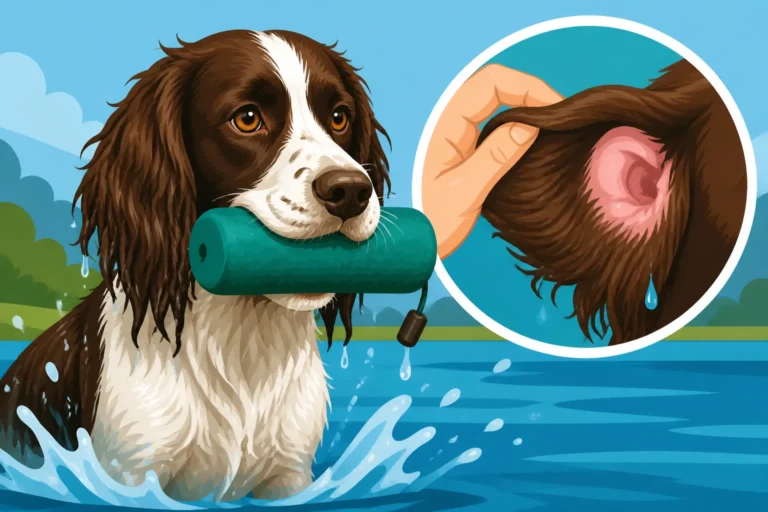
Oh, the eternal struggle of the water-loving Springer Spaniel owner! It's a tale as old as time: your beautiful, enthusiastic Springer dives headfirst into every puddle, lake, and stream, emerging with that joyful, wet shake that sprays water everywhere. And then, a few days later, you start noticing that tell-tale head tilt, the incessant pawing at an ear, and that unmistakable yeasty smell. It's an ear infection, again, and it leaves many of us wondering if there's any way to truly protect those adorable, floppy ears from the inevitable. This guide is here to tackle that very question: do ear plugs exist for swimming Springer Spaniels, and more importantly, are they a practical solution?
The Peril of Water and Your Springer Spaniel's Ears
Let's face it, Springers and water go hand-in-hand. They were bred for it, they adore it, and trying to keep them out of it often feels like an impossible mission. But that very love for all things wet is a double-edged sword when it comes to their ear health.
Why Springer Spaniels Are Prone to Ear Infections
It's not just bad luck; it's pure anatomy. Our beloved Springers have those wonderfully long, pendulous ears that are a hallmark of the breed's beauty and expressiveness. But beneath that lovely feathering lies an ear canal that's a perfect storm for trouble. Unlike erect-eared breeds or even those with semi-prick ears, a Springer's ear flap hangs down, covering the opening of the ear canal. This creates a warm, dark, and often humid environment that's just begging for bacteria and yeast to set up shop.
Think of it like this: imagine trying to dry a dish inside a cupboard with the door closed. It just doesn't happen easily. The lack of air circulation under that thick ear flap means moisture gets trapped. Furthermore, many Springers have a good amount of hair growing inside their ear canals, which can also hold onto water and debris, making it even harder for the ear to air out naturally. This combination of trapped moisture, warmth, and limited airflow is precisely why our Springers seem to be constantly battling ear infections. It’s incredibly frustrating when you know your dog loves to swim, but you also know the days of discomfort and vet visits that often follow. Why a Springer Spaniel's Ear Traps Moisture goes into even more detail on this topic.
The Cycle of Swimming and Ear Trouble
You see it coming, don't you? Your Springer, let's call him Buster, spots a pond or a stream on a walk, and before you can even say "leave it," he's in, splashing with pure joy. He swims, retrieves sticks, and probably shakes water off right next to you, soaking you completely. It's moments like these that make owning a Springer so special, full of life and boundless energy.
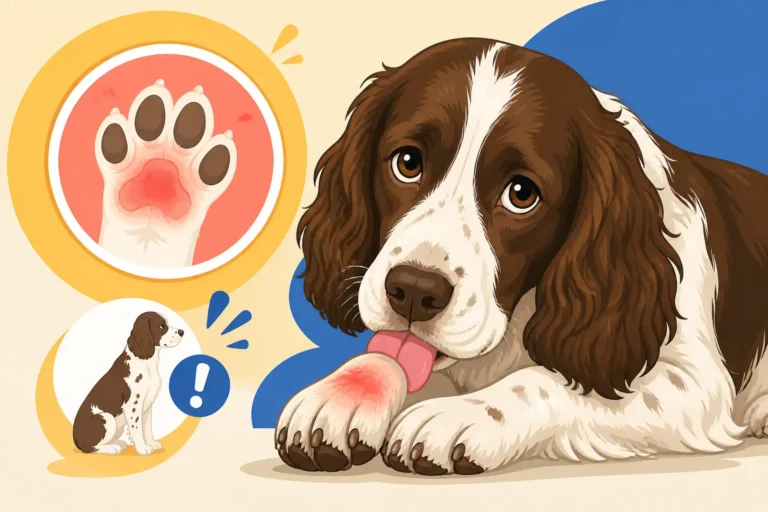
But for many owners, that joy is quickly followed by anxiety. You know the routine: a day or two later, Buster starts scratching more than usual, shaking his head, and then comes the tilt. Next, you lift that ear flap, and the tell-tale redness, maybe some dark gunk, and that distinct, unpleasant odor confirm your fears. It's another ear infection. This isn't just an occasional nuisance; for many, it's a recurring, expensive, and uncomfortable cycle that can wear on both dog and owner. The simple act of swimming, which is such a natural and healthy outlet for a Springer, turns into a source of constant worry. We discuss this frustrating cycle in depth in Whether Swimming Causes a Springer Spaniel's Ear Trouble.
Exploring Ear Plugs for Canine Swimmers
Given the constant battle with ear infections, it’s completely natural for us Springer Spaniel owners to wonder if there’s a simple solution, like ear plugs, to keep those ears dry while our dogs enjoy their beloved water.
The Concept of Dog Ear Plugs
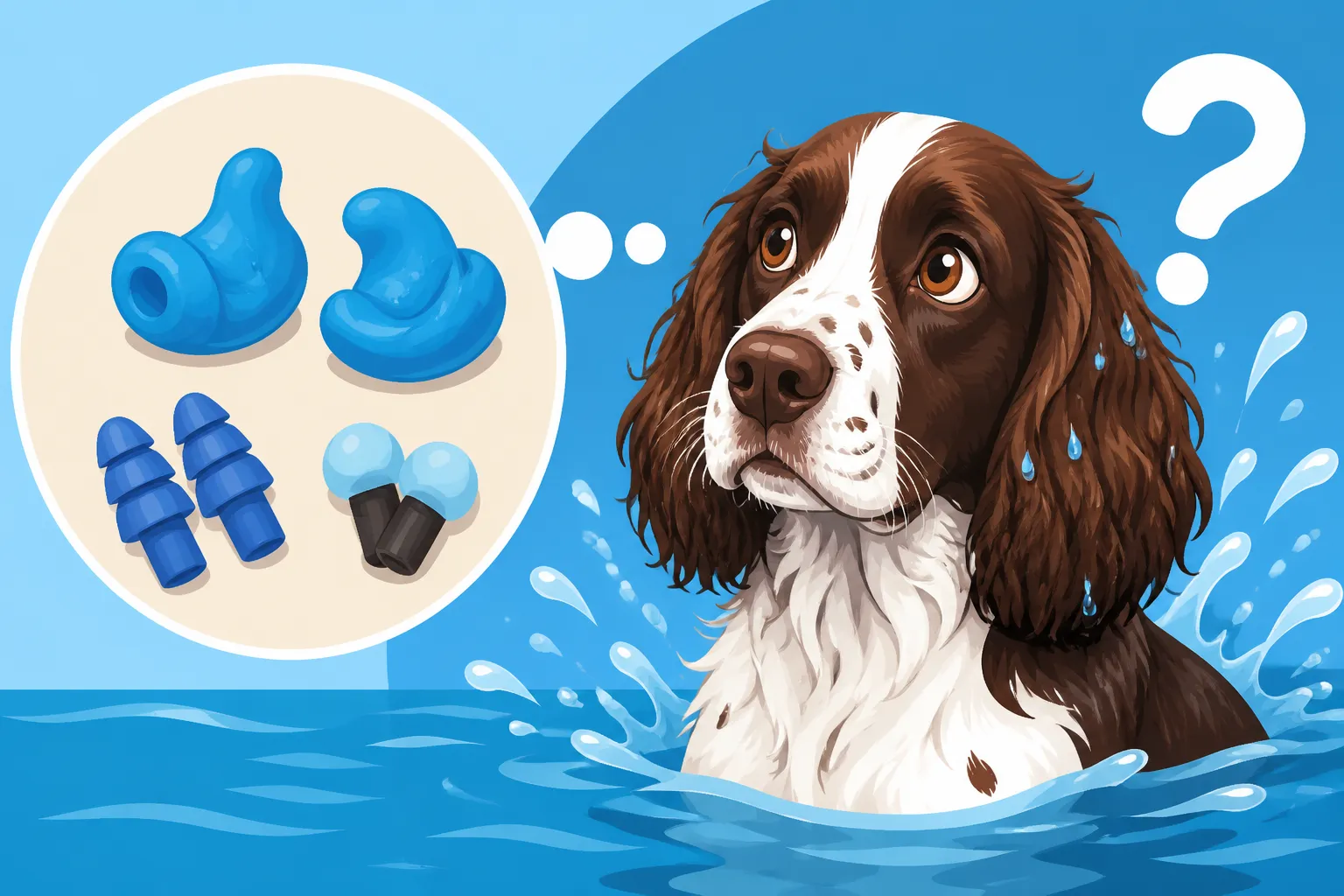
The idea of dog ear plugs is appealingly straightforward: create a physical barrier to prevent water from entering the ear canal. For humans, we have a multitude of options, from foam inserts to custom-molded silicone plugs, all designed to sit comfortably and create a watertight seal. The hope for our canine companions is similar: a small, soft plug that can be inserted before a swim, keep the inner ear dry, and then be easily removed afterward.
These theoretical dog ear plugs would likely be made from flexible materials like silicone or a specialized, soft foam, shaped to fit the general contours of a dog's ear canal opening. Their primary purpose would be to act as a dam, diverting water away from the sensitive inner structures, thereby reducing the chances of moisture-related infections. The thought is that this simple device could be the game-changer, allowing our Springers to indulge their love for water without the painful consequences.
Challenges with Traditional Ear Plug Designs for Springer Spaniels
Here's where the rubber meets the road, or rather, where the ear plug meets the uniquely complex ear of a Springer Spaniel. While the concept is sound, the practical application is fraught with challenges. A dog's ear canal isn't a simple straight tube like a human's; it has a vertical and a horizontal section, forming an "L" shape. This complex anatomy makes achieving a true watertight seal with an off-the-shelf plug incredibly difficult.
Moreover, Springers have hair, often quite a lot of it, growing inside their ear canals. This hair can interfere with a snug fit, allowing water to wick around the plug. Even if you manage to insert a plug, consider your Springer's natural behaviors. Head shaking after a swim, pawing at their ears to dislodge foreign objects, or simply rubbing their head on the ground can easily dislodge a plug, rendering it useless. Then there’s the question of comfort and safety: a poorly fitted or irritating plug could cause more harm than good, leading to skin irritation, or even worse, becoming lodged deep within the canal, requiring veterinary intervention for removal. Most dogs, especially those who aren't specifically trained for it, have a very low tolerance for anything being inserted into their ears for an extended period.
Current Market Options and Their Limitations
When you start searching for "dog ear plugs for swimming" on platforms like Chewy or Amazon, you'll quickly discover that the market isn't exactly flooded with highly-rated, widely effective options specifically designed for breeds like Springer Spaniels. While you might find a few generic "dog ear protectors" often marketed for noise reduction, or some ear covers that go over the entire ear, true swimming ear plugs designed to create an internal seal against water are rare and typically receive mixed reviews.
Many products advertised as ear plugs are more akin to ear muffs or bands that cover the outer ear, offering minimal protection against water entering the canal during active swimming or diving. Others might be small, foam-like inserts, but without a perfect, custom fit, they often fail to create the necessary seal. Owners frequently report that these plugs fall out easily, allow water to seep in, or are simply too uncomfortable for their dogs to tolerate. The precise anatomy of a Springer's ear, combined with their active nature, means that a one-size-fits-all solution is unlikely to work effectively, making a truly reliable ear plug for swimming Springers an elusive dream for now.
Practical Alternatives to Ear Plugs for Water-Loving Springers
Since reliable ear plugs remain somewhat of a unicorn for our water-loving Springers, our best bet is to focus on consistent, proactive, and reactive ear care strategies. These methods, while requiring a bit more effort, are proven to be far more effective in preventing those dreaded ear infections.
Immediate Post-Swim Ear Care Regimen
This is arguably the single most important defense against water-borne ear infections. Every single time your Springer gets their ears wet – whether it's a full-on swim, a rainy walk, or even just a vigorous drink from the water bowl – you need to act quickly and thoroughly.
First, gently blot the outer ear flap and the visible part of the ear canal with a soft, absorbent towel. Don't dig or poke, just absorb excess surface moisture. The real hero here, though, is a good quality, vet-approved ear drying solution. These solutions are formulated to help evaporate moisture deep within the ear canal, as well as acidify the environment to inhibit bacterial and yeast growth. After gently cleaning the visible part of the ear with a soft cloth or cotton ball, apply the recommended amount of drying solution into each ear canal. Follow the product instructions, which usually involve gently massaging the base of the ear for about 30 seconds to distribute the liquid, and then allowing your dog to shake their head naturally. Wipe away any expelled debris or solution. Consistency is key here; make this a non-negotiable part of your post-water routine. Drying a Springer Spaniel's Ears After Swimming offers a more detailed guide to this process, and for selecting the right products, check out Which Ear Cleaner Suits a Springer Spaniel.
Proactive Ear Health Management
Prevention isn't just about what you do after the swim; it's about a consistent, year-round approach to ear health. Even if your Springer isn't a frequent swimmer, their ear anatomy still makes them susceptible to issues.
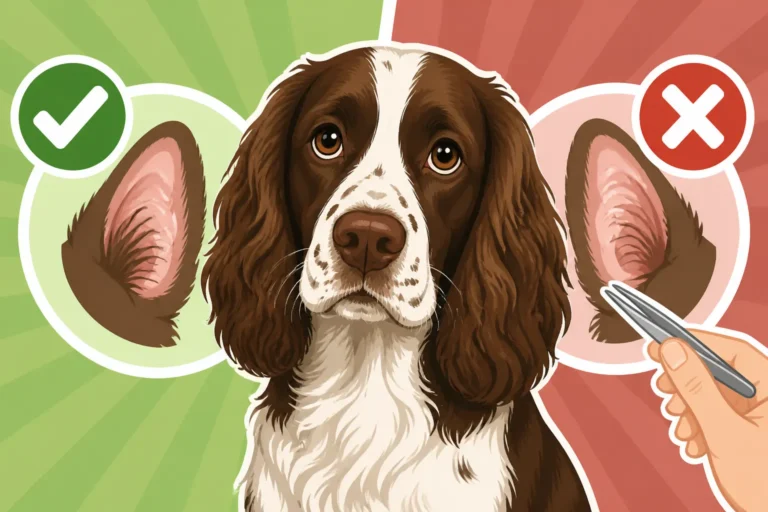
Regular ear cleaning, even when the ears appear healthy, can significantly reduce the build-up of wax, debris, and potential pathogens. Aim for a weekly or bi-weekly check and gentle clean, especially for a breed prone to ear trouble like the Springer. Lift those lovely ears, take a good sniff (a healthy ear should have almost no odor), and peek inside. Look for any redness, swelling, discharge (yellow, brown, or black), or any changes in the skin. If you spot anything amiss, or if your dog is shaking their head, scratching, or rubbing their ears, it's time for a vet visit. These early signs can escalate quickly into a full-blown infection if ignored. For some Springers, chronic ear infections might also be linked to underlying allergies, either environmental or food-related. If you're constantly battling ear issues despite diligent cleaning, talk to your vet about exploring allergy testing or a diet trial. Managing these underlying conditions can often lead to a dramatic improvement in ear health. We delve into routine maintenance in How Often a Drop Eared Springer Spaniel Needs Cleaning and the allergy connection in How Often Allergies Drive a Springer Spaniel's Ear Disease.
When to Consult Your Veterinarian
It bears repeating: if you suspect an ear infection, or if your Springer is showing persistent signs of discomfort, don't delay a trip to the vet. Over-the-counter remedies might offer temporary relief, but without a proper diagnosis, you could be masking a more serious issue or inadvertently making things worse.
A veterinarian can examine the ear canal with an otoscope, checking for foreign bodies (like grass awns, which are a common menace for Springers, especially those who work in the field), ruptured eardrums, or growths. They'll likely take a swab for cytology, which involves looking at the sample under a microscope to identify whether the infection is bacterial, yeast, or a combination, and what specific types are present. This crucial step allows them to prescribe the most effective medication, whether it's ear drops, oral antibiotics, or anti-inflammatories. Untreated or improperly treated ear infections can lead to chronic pain, hearing loss, and even costly and invasive ear canal surgery in severe cases. Prompt, accurate veterinary care is essential to get your Springer back to comfortable, healthy ears. Any signs of trouble, even subtle ones, should prompt a call to your vet. Signs a Springer Spaniel Has an Ear Infection outlines these red flags clearly.
Training and Acclimation for Ear Care
Let's be honest, most dogs aren't thrilled about having their ears poked and prodded, especially if past experiences have been uncomfortable due to infections. However, building a positive association with ear care is crucial for long-term health and your sanity.
Making Ear Cleaning a Positive Experience
The key to successful ear care is making it a routine, pleasant experience rather than a battle. Start small, especially if your Springer is sensitive about their ears. Begin by simply touching their ears gently while praising them and offering high-value treats. Don't even think about cleaners at this stage. Just a quick touch, a treat, then release. Gradually increase the duration and intensity of the touch, eventually working up to lifting the ear flap, gently exploring the outer canal, and then moving to the application of cleaner or solution.
Always associate the action with something positive. Give a treat before you start, another during if they tolerate it well, and a big jackpot treat after you're done. Keep sessions short and sweet. If your dog shows signs of stress or discomfort, back off and try again later with a less intrusive step. The goal is to build trust and demonstrate that ear care isn't scary or painful. For puppies, start this desensitization process the moment you bring them home. The younger they are when they learn that ear handling equals yummy rewards, the easier it will be for their entire lives. Remember, a calm, cooperative dog makes ear care much safer and more effective for everyone involved.
The Role of a Snood in Ear Management
While ear plugs for swimming may not be a practical solution, another simple piece of gear can make a surprising difference in keeping your Springer's ears clean and dry in day-to-day life: the snood. If you're new to the term, a snood is essentially a fabric tube, often made of stretchy, breathable material, that slips over your dog's head and covers their ears, holding them securely against their head.
Why a snood? Think about how those long, luscious Springer ears dip into food bowls, drag through puddles on walks, or get soaked when your dog drinks water. All of these seemingly innocuous activities introduce moisture, food particles, and debris into the ear environment, contributing to the very issues we're trying to prevent. A snood provides a simple, physical barrier. When your Springer is eating, drinking, or even just wandering through wet grass, a snood keeps those ears up and out of the way. It prevents them from collecting moisture, getting dirty, or dragging through anything unsavory that could introduce bacteria or yeast. You can find a wide variety of snoods on online marketplaces like Amazon or Chewy, often in different sizes and materials to suit your dog and climate. It’s a low-tech, but highly effective, addition to your ear care arsenal that tackles those everyday sources of ear contamination.
Comparison of Ear Protection Strategies
To help you visualize the different approaches to protecting your Springer Spaniel's ears, here's a quick comparison of the options we've discussed:
| Feature | Canine Ear Plugs (Concept) | Post-Swim Drying Solution | Regular Ear Cleaning & Drying | Snood Use |
|---|---|---|---|---|
| Primary Goal | Prevent water entry during swimming | Remove moisture after water exposure | Prevent debris/wax buildup, maintain healthy ear environment | Keep ears dry/clean during daily activities |
| Effectiveness | Limited due to anatomy, dog tolerance, lack of good products | Highly effective when used consistently | Very effective for general ear health | Effective for preventing incidental moisture/dirt |
| Ease of Use | Challenging to fit and keep in; dog resistance | Relatively easy with cooperative dog | Requires consistent routine and desensitization | Easy to put on/take off for specific tasks |
| Cost | Low (if available), but questionable value | Moderate (recurrent purchase of solution) | Low (cleaner, cotton balls) | Low (one-time purchase) |
| Dog Comfort/Tolerance | Generally low, potential for irritation | Good, if dog is acclimated | Good, if dog is acclimated from young age | Generally good, once dog is used to it |
| Prevents Infections | Theoretically, but practically unreliable | Significantly reduces risk | Significantly reduces risk | Reduces contributing factors |
| Best For | Ideal in theory, but not practical for most Springers | Every water-loving Springer, after every water exposure | All Springer Spaniels, weekly | Springers who dip ears in food/water, walk in wet areas |
Conclusion
So, whether ear plugs exist for a swimming Springer Spaniel is a question that brings more hope than practical solutions. While the idea of a simple plug to protect those sensitive ears from water is appealing, the reality of canine ear anatomy, a dog's natural behaviors, and the current market limitations make them largely ineffective and often impractical. Rather than searching for that elusive ear plug, our energy is far better spent on a robust, proactive ear care routine.
Embrace the joy of your Springer's love for water, but couple it with diligent post-swim drying using veterinary-approved solutions. Maintain a consistent schedule of ear cleaning and regular checks, and don't hesitate to involve your veterinarian at the first sign of trouble. Making ear care a positive, routine part of your dog's life, perhaps even using a snood to keep those ears out of daily grime, will be your most powerful defense against ear infections. It’s not the magic bullet we might wish for, but it’s a reliable, empathetic, and effective approach to ensuring your water-loving Springer enjoys many years of happy, healthy swimming.
Disclaimer
This article is for general informational purposes only and does not constitute professional advice. Laws, prices and regulations vary by location and change over time. Consult a qualified professional for guidance on your specific situation.