How a Springer Spaniel’s Markings Change With Age
Springer Spaniel markings shift as adult coats grow, explaining why patterns look different on older dogs and how ticking develops.
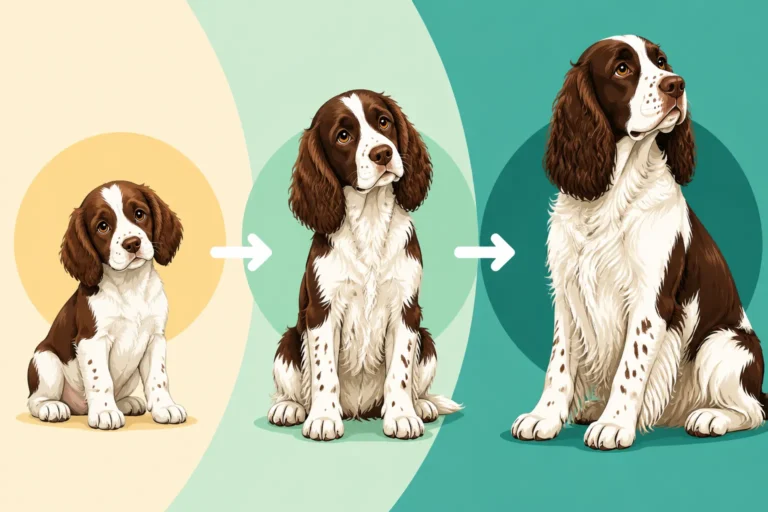
Springer Spaniel markings shift as adult coats grow, explaining why patterns look different on older dogs and how ticking develops.
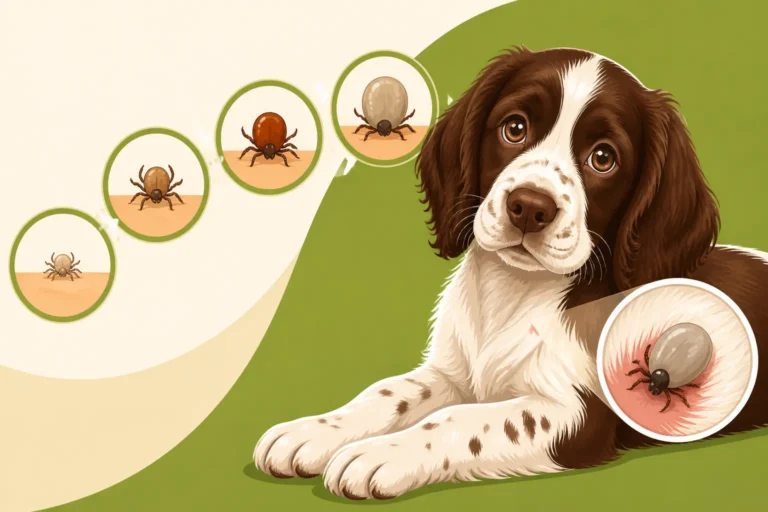
Springer Spaniel puppy coat ticking develops as pigmented hairs appear within white areas, changing the dog markings over time.

Roan coat patterns on English Springer Spaniels are correct and accepted by breed standards, unlike merle markings.

Springer Spaniel tan points explained, showing how these accepted tricolor markings appear on black or liver coats.
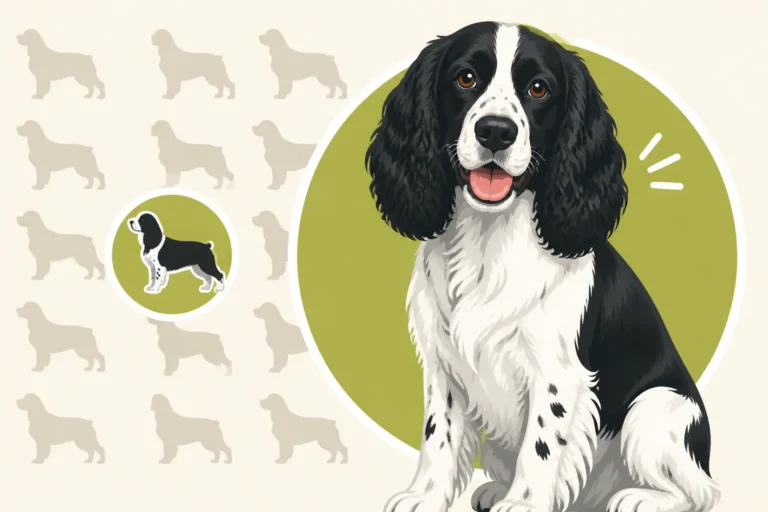
Black and white English Springer Spaniels are a classic, common coat color combination alongside liver and white.
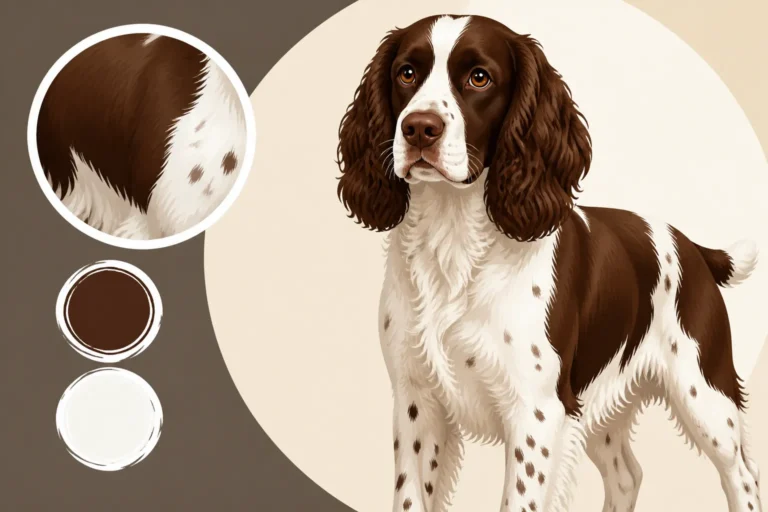
Liver and white Springer Spaniel coat patterns, brown patches, ticking, roan markings, and color changes over time.

English Springer Spaniel lifespan comparison shows field and show types lack clear longevity proof, as health and care matter more.

Field and show English Springer Spaniels share no automatic health difference based on type labels or breeding priorities.

English Springer Spaniel health risks, inherited conditions, and everyday physical demands differ across field-bred and show-bred dog types.

The divide between field and show English Springer Spaniels narrows the gene pool, complicates health choices, and reduces breeding options.