Which Ear Cleaner Suits a Springer Spaniel
Oh, the beloved Springer Spaniel ears! They're so gorgeous and expressive, aren't they? But if you're a Springer owner, you know those floppy, feathered beauties are also a constant source of worry and, let's be honest, sometimes a major headache. Finding the right ear cleaner can feel like navigating a maze of conflicting advice and endless products, leaving you wondering if you'll ever get ahead of the gunk. This guide is here to cut through the confusion and help you confidently choose the best ear cleaner to keep your Springer's ears healthy and happy.
The Unique Challenge of Springer Spaniel Ears
Before we dive into which cleaner, it's really important to understand why Springer Spaniel ears are such a magnet for trouble. It's not just bad luck; it's a combination of genetics and anatomy that sets them up for recurring issues. These lovely, long, drop ears, so characteristic of our breed, unfortunately create a perfect storm for warmth and moisture, making them an ideal breeding ground for bacteria and yeast.
Anatomy and Airflow
Think about it: your Springer's ear canal isn't like ours. It's an L-shaped tube that goes down vertically and then makes a sharp turn horizontally towards the eardrum. On top of that, those long, heavy ear flaps cover the opening, acting like a blanket. This design significantly restricts airflow, turning the ear canal into a warm, dark, and humid environment. It's basically a spa day for unwelcome microorganisms.
This lack of ventilation means moisture gets trapped easily. Whether it's from a swim, a bath, or even just humidity in the air, that moisture can linger. And moisture, as we all know, is a prime ingredient for bacterial and yeast growth. A healthy ear needs to be able to breathe and dry out, and a Springer's ear just isn't designed for that naturally. It’s why you might feel like you're constantly fighting a losing battle with recurring infections, a frustration many of us share. You can learn more about this in Why a Springer Spaniel's Ears Are Never Quite Healthy.
Common Ear Ailments
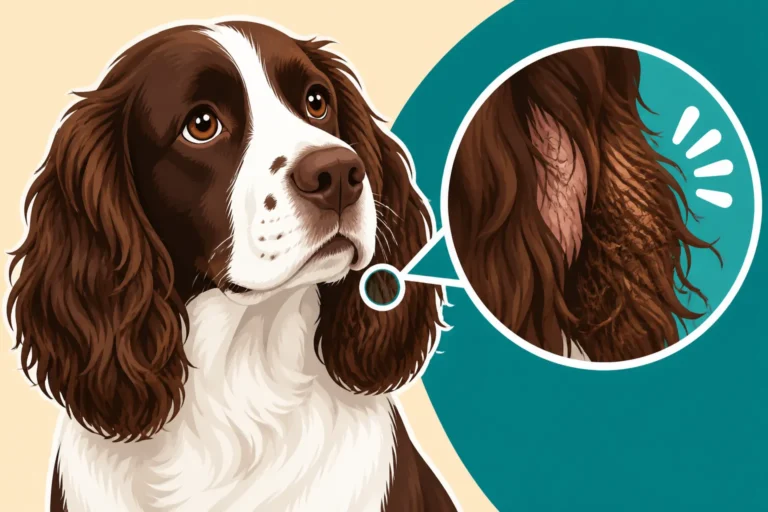
Because of this anatomical predisposition, Springer Spaniels are unfortunately prone to a range of ear issues. The most common are bacterial and yeast infections, which often go hand-in-hand. You might notice your dog scratching incessantly, shaking their head, or rubbing their ears on the furniture. There could be a foul odor, redness, swelling, or a discharge ranging from brown and waxy to yellowish and pus-like. These are all signs something isn't right, and it often points to an infection brewing in that cozy, moist canal.
Beyond infections, some Springers can suffer from allergies, which often manifest as chronic ear inflammation and infections. If your dog constantly has ear issues, despite regular cleaning, it's worth exploring if an underlying allergy is the culprit. Ear mites, while less common in well-cared-for adult dogs, can also be an issue, especially in puppies or dogs from multi-pet environments. Foreign bodies, like pesky grass awns or seeds, can also make their way into the ear canal, causing acute irritation and pain. Being vigilant about checking your Springer's ears, especially after time outdoors, is crucial.
Types of Ear Cleaners and How They Work
With a clear understanding of the challenges, let's talk about the tools at our disposal: ear cleaners. Not all cleaners are created equal, and they each have different purposes and ingredients designed to tackle specific issues or provide general maintenance. It’s not just about squirting something in; it’s about choosing the right something.
Cleansing and Drying Solutions
Most general ear cleaners fall into this category. Their primary goal is to help remove wax, dirt, and debris, and to dry out the ear canal. This is your go-to for routine maintenance and for preventing issues before they take hold. Look for solutions that are gentle and have a slightly acidic pH, which helps create an environment less friendly to bacteria and yeast. Ingredients often include mild surfactants to break up wax, and gentle drying agents.
Many commercial ear cleaning solutions available on platforms like Chewy or Amazon are formulated for this general purpose. They're excellent for regular use, perhaps once a week or after every swim, to keep the ear canal clean and dry. They are a preventative measure, not a treatment for an active infection. Using a good cleansing and drying solution diligently can significantly reduce the frequency of infections for many Springers. This is especially important if your Springer loves to swim, as moisture is the enemy. See Drying a Springer Spaniel's Ears After Swimming for more tips.
Antiseptic and Medicated Cleaners
When you're dealing with an active infection, or if your Springer is highly prone to recurrent infections, your vet might recommend or prescribe an antiseptic or medicated ear cleaner. These go beyond simple cleansing and drying. They contain active ingredients that target specific pathogens, like bacteria (antibacterial) or yeast (antifungal). Common antiseptic ingredients include chlorhexidine or ketoconazole, which are often found in solutions that require a vet's prescription or recommendation.
These cleaners are crucial when you're actively fighting an ear infection. They help reduce the microbial load, allowing the ear to heal. It’s important to use these exactly as directed by your veterinarian, as overuse or misuse can sometimes lead to resistance or irritation. Never self-diagnose an infection or use a medicated cleaner without professional guidance, because different types of infections require different treatments. A simple ear cytology at your vet can tell you if it's yeast, bacteria, or both, and guide the appropriate medicated cleaner choice.
Wax Dissolving Formulas
Some Springers produce an excessive amount of ear wax, which can build up and block the ear canal, creating an even more hospitable environment for infections. For these dogs, a wax-dissolving formula can be incredibly helpful. These cleaners often contain ingredients like docusate sodium or salicylic acid, which are designed to break down and loosen stubborn ear wax, making it easier to flush out.
If your Springer has particularly waxy ears, using one of these solutions once in a while, perhaps before a general ear cleaning, can make a big difference. They help clear the way, ensuring that other cleaning or medicated solutions can penetrate deeper into the ear canal where they need to work. However, these aren't typically for daily use and should be integrated into your routine judiciously, perhaps with vet advice.
Key Ingredients to Look For and Avoid
Navigating the ingredient list on an ear cleaner can feel like deciphering a secret code. Knowing what ingredients are beneficial and which ones might cause more harm than good is key to making an informed choice for your Springer Spaniel. It's not just about cleaning; it's about being kind to that sensitive skin inside the ear.
Beneficial Ingredients
When you're scanning labels, look for ingredients that support ear health without causing irritation.
- Salicylic Acid: This is a mild exfoliant that helps break down dead skin cells and excessive wax. It's often found in formulations designed for waxy or oily ears and can aid in maintaining a clean canal.
- Malic Acid and Benzoic Acid: These organic acids help to acidify the ear canal, creating an environment that discourages the growth of yeast and bacteria. A slightly acidic environment is natural for a healthy ear, so these are excellent for preventative care.
- Boric Acid: Similar to the above, boric acid is a mild antiseptic and drying agent. It helps maintain a healthy pH balance and can be particularly useful in preventing yeast overgrowth.
- Chlorhexidine: This is a powerful antiseptic agent often found in medicated ear cleaners. It's effective against a wide range of bacteria and yeast. If your dog has a history of recurrent infections, your vet might recommend a cleaner with chlorhexidine.
- Ketoconazole: Another common antifungal agent, often paired with chlorhexidine in medicated solutions to combat yeast infections. Again, this is typically for active treatment under veterinary guidance.
- Witch Hazel: A natural astringent, witch hazel can help dry the ear canal and reduce inflammation, making it a good addition to maintenance cleaners for its soothing properties.
- Aloe Vera: Known for its soothing and moisturizing properties, aloe vera can help counteract any potential drying effects of other ingredients and keep the sensitive skin in the ear canal healthy.
- Eucalyptus or Tea Tree Oil: These can have mild antiseptic properties and often provide a pleasant scent. However, they should be used in very dilute forms, as concentrated essential oils can be irritating. Always check the overall formulation.
A quick reference for beneficial ingredients:
| Ingredient | Primary Function | Best For | Notes |
|---|---|---|---|
| Salicylic Acid | Exfoliant, wax breakdown | Waxy ears, maintenance | Gentle, helps shed dead skin and loosen wax |
| Malic Acid / Benzoic Acid | Acidifying, pH balance | Preventative care, discourage growth | Creates unfriendly environment for microbes |
| Boric Acid | Mild antiseptic, drying | Preventative care, yeast control | Helps maintain healthy pH |
| Chlorhexidine | Powerful antiseptic | Active bacterial/yeast infections | Vet-recommended for treatment, not routine |
| Ketoconazole | Antifungal agent | Active yeast infections | Vet-recommended for treatment, often with chlorhexidine |
| Witch Hazel | Astringent, drying, soothing | General maintenance, mild moisture control | Natural, reduces inflammation |
| Aloe Vera | Soothing, moisturizing | Counteracts drying, skin health | Gentle on sensitive ear canal skin |
| Dilute Eucalyptus/Tea Tree | Mild antiseptic, fragrance | Specific formulations, mild cases | Very dilute only; can be irritating if concentrated |
Ingredients to Approach with Caution or Avoid
Just as there are good guys, there are ingredients that can be problematic for a sensitive Springer ear.
- Alcohol (especially Isopropyl Alcohol): While it's a strong drying agent, alcohol can be very irritating and drying to the delicate skin inside the ear canal. It can sting, especially if there's any inflammation or broken skin, making the cleaning process unpleasant for your dog and potentially exacerbating irritation. If you see it high on the ingredient list, proceed with caution, or better yet, choose an alcohol-free alternative.
- Hydrogen Peroxide: Often touted as a disinfectant, hydrogen peroxide can be too harsh for routine ear cleaning. It can cause bubbling and irritation, and may even damage the delicate cells lining the ear canal, slowing healing or causing further inflammation. It's generally not recommended for regular ear care.
- Strong Fragrances/Dyes: While a pleasant scent might appeal to us, strong artificial fragrances and dyes can be irritants for dogs, especially those with sensitive skin or allergies. They don't add any therapeutic value and can sometimes trigger a reaction. Opt for fragrance-free or naturally scented options.
- Oils (heavy or non-emulsifying): Some oils can trap moisture or create a greasy residue, potentially worsening the problem. While very specific formulations might use emulsified oils for wax breakdown, pure or heavy oils are generally not suitable for flushing out the ear.
Remember, if your Springer has sensitive skin or known allergies, always do a patch test on a small area of skin (like inside the ear flap) before using a new product in the ear canal.
How to Choose the Right Cleaner for Your Springer
Choosing an ear cleaner isn't a one-size-fits-all situation. What works for one Springer might not be ideal for another, and your dog's specific ear health needs should always be the guiding factor. It really helps to think about your dog's individual circumstances, rather than just grabbing the first bottle you see.
Considering Your Dog's Specific Needs
First, assess your Springer's current ear health. Is this a preventative measure for a generally healthy ear? Or are you battling recurrent infections?
- Routine Maintenance for Healthy Ears: If your Springer's ears are generally healthy but you want to prevent problems, focus on gentle cleansing and drying solutions. These are often labeled as "maintenance" or "routine" cleaners. Look for formulations with mild acids (malic, benzoic, boric) and soothing ingredients like aloe. The goal here is to remove superficial wax and debris and ensure the ear canal dries thoroughly, especially after water exposure. These are widely available from pet supply retailers like Chewy or Amazon. Consistent cleaning, perhaps once a week, and always after a swim or bath, is the key here. How Often a Drop Eared Springer Spaniel Needs Cleaning provides more detail.
- Dealing with Mild Wax Buildup: For Springers who tend to get a bit waxy, a cleaner with salicylic acid or a dedicated wax-dissolving formula can be beneficial. These help to break down thicker wax plugs, making subsequent cleaning more effective. You might use this type of cleaner periodically, perhaps once a month, followed by your regular maintenance cleaner.
- Prone to Yeast Infections: If your Springer frequently gets yeast infections (often characterized by a dark, waxy discharge and a distinctive "yeasty" smell), look for cleaners with antifungal properties, such as boric acid or, under vet guidance, ketoconazole. Maintaining a slightly acidic environment is crucial for yeast prevention.
- Prone to Bacterial Infections: For Springers with recurrent bacterial infections (often yellow/green pus-like discharge, redness, pain), your vet will likely prescribe a medicated cleaner containing chlorhexidine or other antibiotics. Do not try to treat a bacterial infection with over-the-counter maintenance cleaners alone; you need proper veterinary diagnosis and treatment to avoid more serious complications.
- Sensitive Ears or Allergies: If your Springer has sensitive skin or diagnosed allergies, be extra cautious. Opt for fragrance-free, dye-free, and alcohol-free formulations. Ingredients like witch hazel and aloe vera can be particularly soothing. Your vet might also recommend specific hypoallergenic cleaners.
Consulting Your Veterinarian
This is perhaps the most critical step in choosing the right cleaner, especially if your Springer is experiencing any signs of discomfort or infection. Self-diagnosing and treating ear issues can be risky.
- Diagnosis First: Before you choose any cleaner for an irritated ear, take your Springer to the vet. They will perform an otoscopic exam to look deep into the ear canal and check the eardrum. They'll likely take a swab for cytology, which involves looking at the ear discharge under a microscope to identify whether the problem is caused by bacteria, yeast, mites, or a combination. This diagnosis is essential because treating yeast with an antibacterial cleaner, or vice-versa, won't be effective and could make things worse.
- Prescription or Recommendation: Based on their diagnosis, your vet can recommend or prescribe the most appropriate cleaner. For active infections, they might prescribe a medicated cleaner (with antibiotics, antifungals, or steroids) or a specific antiseptic solution. They can also guide you on the best maintenance cleaner for your dog's ongoing needs once the infection is cleared.
- Underlying Issues: If your Springer has chronic ear problems, your vet will help investigate underlying causes, such as allergies or anatomical issues that require a different management strategy. Sometimes, a cleaner alone isn't enough, and addressing the root cause is necessary. This might involve diet changes, allergy medications, or even discussing potential surgical options in severe, chronic cases. Ignoring chronic issues can lead to Chronic Ear Disease Deafens a Springer Spaniel.
The Process of Cleaning Your Springer's Ears
Once you've chosen the right cleaner, knowing how to use it effectively and safely is just as important. A proper technique not only ensures the cleaner does its job but also makes the experience less stressful for your dog (and for you!).
Gathering Your Supplies
Before you start, gather everything you'll need. This helps the process go smoothly and prevents you from scrambling mid-clean.
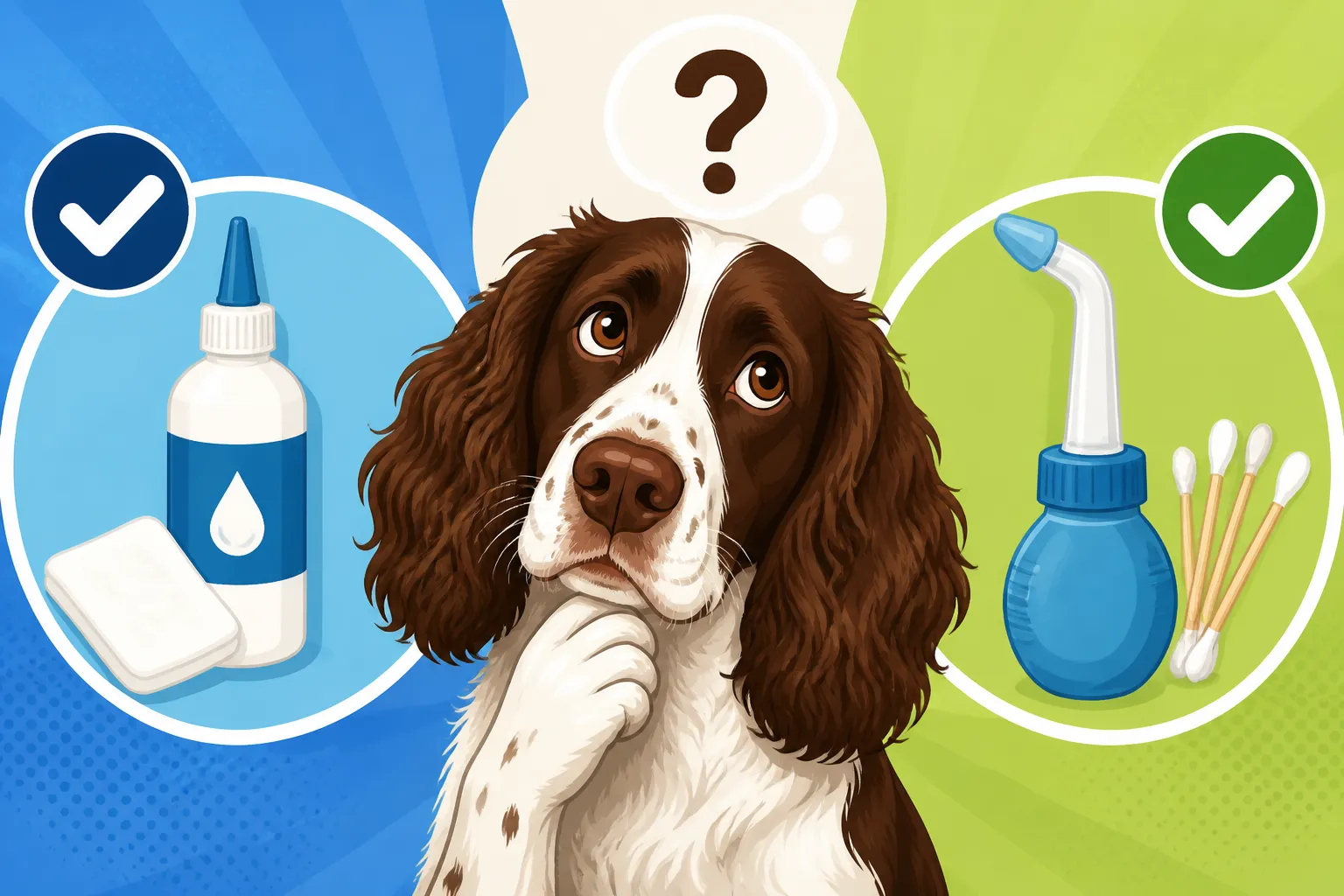
- Your chosen ear cleaner: Make sure it's at room temperature; cold solution can be startling for your dog.
- Cotton balls or squares: Avoid cotton swabs (Q-tips) for cleaning inside the ear canal, as they can push debris further in or damage the eardrum.
- Soft towels: Have a few on hand to protect your clothes and for wiping away excess solution.
- Treats: Plenty of high-value treats to reward your Springer and make the experience positive.
- A helper (optional but recommended): If your dog is squirmy, an extra set of hands can be invaluable for holding them steady and offering praise.
Choose a good location, preferably somewhere easy to clean up, like a bathroom or outdoors, as things can get a little messy, especially if your Springer decides to shake their head mid-process!
Step-by-Step Cleaning Technique
Approach this with a calm, positive attitude. Your dog will pick up on your stress, so make it a relaxed experience.
- Prepare your dog: Gently hold your Springer in a comfortable position. If they're prone to shaking their head, you might want to wrap them in a towel. Offer praise and a treat to start off on a good foot.
- Lift the ear flap: Gently hold one ear flap straight up to expose the ear canal. This helps you see what you're doing and allows the solution to flow in properly.
- Apply the cleaner: Following the instructions on your specific cleaner, carefully insert the nozzle of the bottle into the ear canal. Do not insert it too deeply. Squeeze a generous amount of solution into the ear until the canal is full or nearly full. You should hear a squishing sound.
- Massage the base of the ear: This is a crucial step! Gently but firmly massage the base of the ear (the part below the ear opening) for about 20-30 seconds. You should hear the liquid squishing around inside. This massage helps the cleaner break up wax and debris deep within the L-shaped canal.
- Allow your dog to shake: After massaging, let go of your Springer's ear and step back. They will almost certainly want to shake their head vigorously. This is good! The shaking helps dislodge the loosened wax and cleaner from the ear canal. You might want to cover yourself with a towel or stand clear to avoid getting ear gunk on you.
- Wipe the outer ear: Use a clean cotton ball or square to gently wipe away any excess solution, wax, and debris from the outer ear canal opening and the inside of the ear flap. Only clean what you can see. Do not use cotton swabs to go into the ear canal, as this can push debris further down or damage the eardrum.
- Repeat for the other ear: Go through the same steps for the second ear.
- Reward! Finish with lots of praise, cuddles, and more treats. Making it a positive experience will make future cleanings much easier.
Remember, patience is key. If your dog is very resistant, take breaks, offer more treats, and try again. Don't force it, as a negative experience can make future cleanings a battle.
When to See the Veterinarian
Regular ear cleaning is a fantastic preventative measure, but there are definitely times when a simple cleaner isn't enough, and professional veterinary attention is absolutely necessary. It's often tempting to try to fix things ourselves, but with ears, delays can lead to more serious problems.
Signs of an Ear Infection
Being vigilant and recognizing the early warning signs of an ear infection can save your Springer a lot of discomfort and prevent the condition from worsening. If you notice any of these symptoms, it's time to call your vet:
- Excessive Head Shaking: This is often one of the first and most obvious signs. If your Springer is shaking their head more than usual, it's a clear indicator of discomfort.
- Constant Ear Scratching or Pawing: Your dog might be constantly scratching at their ears with their hind paws or pawing at them with their front paws. They might also rub their ears vigorously on furniture or the floor.
- Redness or Swelling: Gently lift your Springer's ear flap and look inside. Is the skin red, inflamed, or swollen compared to normal? This often indicates irritation or infection.
- Foul Odor: A healthy ear should not smell. If you notice a strong, unpleasant, or "yeasty" odor emanating from your Springer's ear, an infection is likely brewing.
- Discharge: Look for any discharge from the ear canal. This can range from dark, waxy, and crumbly (often yeast) to yellow, green, or pus-like (often bacterial). Even clear, excessive discharge can be a sign of irritation.
- Pain or Sensitivity: If your Springer yelps, flinches, or pulls away when you touch their ears or head, they are likely experiencing pain. This can be a sign of a severe infection or even a ruptured eardrum.
- Changes in Behavior: Some dogs might become lethargic, withdrawn, or even aggressive when in pain from an ear infection. They might lose their appetite or seem generally unwell.
- Balance Issues or Head Tilt: In very severe cases, especially if the infection affects the inner ear, your Springer might develop a head tilt, lose their balance, or walk in circles. This is a serious sign requiring immediate veterinary attention.
If you observe any of these signs, please don't hesitate. A quick trip to the vet for a proper diagnosis and treatment plan will get your Springer back to comfort much faster. You can find more information about recognizing issues in Signs a Springer Spaniel Has an Ear Infection.
The Dangers of Untreated Ear Infections
It's easy to think a little scratch here and there is no big deal, but untreated ear infections in Springer Spaniels can lead to significant and long-term problems. The anatomy of their ear canal means infections can quickly become chronic or spread deeper.
- Chronic Infections: What starts as a simple infection can become a recurring nightmare if not treated properly. Chronic infections can lead to changes in the ear canal lining, making it thicker and narrower, which further restricts airflow and creates an even more favorable environment for microbes. This creates a vicious cycle that is much harder to break.
- Hearing Loss: Persistent inflammation and infection can damage the delicate structures within the ear, leading to partial or even permanent hearing loss. Imagine trying to work or play when your world is muffled.
- Pain and Discomfort: Even a mild ear infection can be incredibly uncomfortable. Chronic pain can severely impact your dog's quality of life and even lead to behavioral changes due to constant discomfort.
- Spread of Infection: In severe cases, an infection can spread beyond the ear canal to the middle or inner ear, leading to serious conditions like otitis media or interna. These can cause neurological symptoms, balance problems, facial nerve paralysis, and even be life-threatening.
- Hematomas: Constant head shaking and scratching can lead to an aural hematoma, which is a blood blister that forms between the cartilage and skin of the ear flap. These are painful and often require surgical correction.
- Surgical Intervention: For severe, chronic ear disease where medical management has failed, a Total Ear Canal Ablation (TECA) might be the only option. This is a major surgery where the entire ear canal is removed, and while it alleviates pain, it results in permanent deafness in that ear. It's an absolute last resort, and something we all hope to avoid.
So, while ear cleaning is a vital part of preventative care, never underestimate the importance of veterinary intervention when an infection takes hold. It's always better to be safe than sorry when it comes to your Springer's ears.
Disclaimer
This article is for general informational purposes only and does not constitute professional advice. Laws, prices and regulations vary by location and change over time. Consult a qualified professional for guidance on your specific situation.