Why a Drop Ear Traps Moisture in a Springer Spaniel
If you've ever owned a Springer Spaniel, you know that their beautiful, floppy ears are often a source of endless charm and, unfortunately, frequent frustration. Many Springer Spaniel owners grapple with recurring ear infections, and the root cause often traces back to one persistent enemy: trapped moisture. This guide will delve into the specific anatomical and lifestyle reasons why your beloved Springer's ears seem to be magnets for moisture and how this leads to ongoing problems, offering practical insights to help you manage this common challenge.
The Unique Anatomy of a Springer Spaniel's Ear
A Springer Spaniel's ears are undeniably part of their classic appeal, with their long, silky feathering and endearing droop. But what makes them so lovely also makes them highly susceptible to trapping moisture, creating a perfect storm for ear problems. It's not just about the length; it's a combination of several factors that work together to create a less-than-ideal environment inside that ear canal.
The Pendulous Pinna: A Natural Moisture Trap
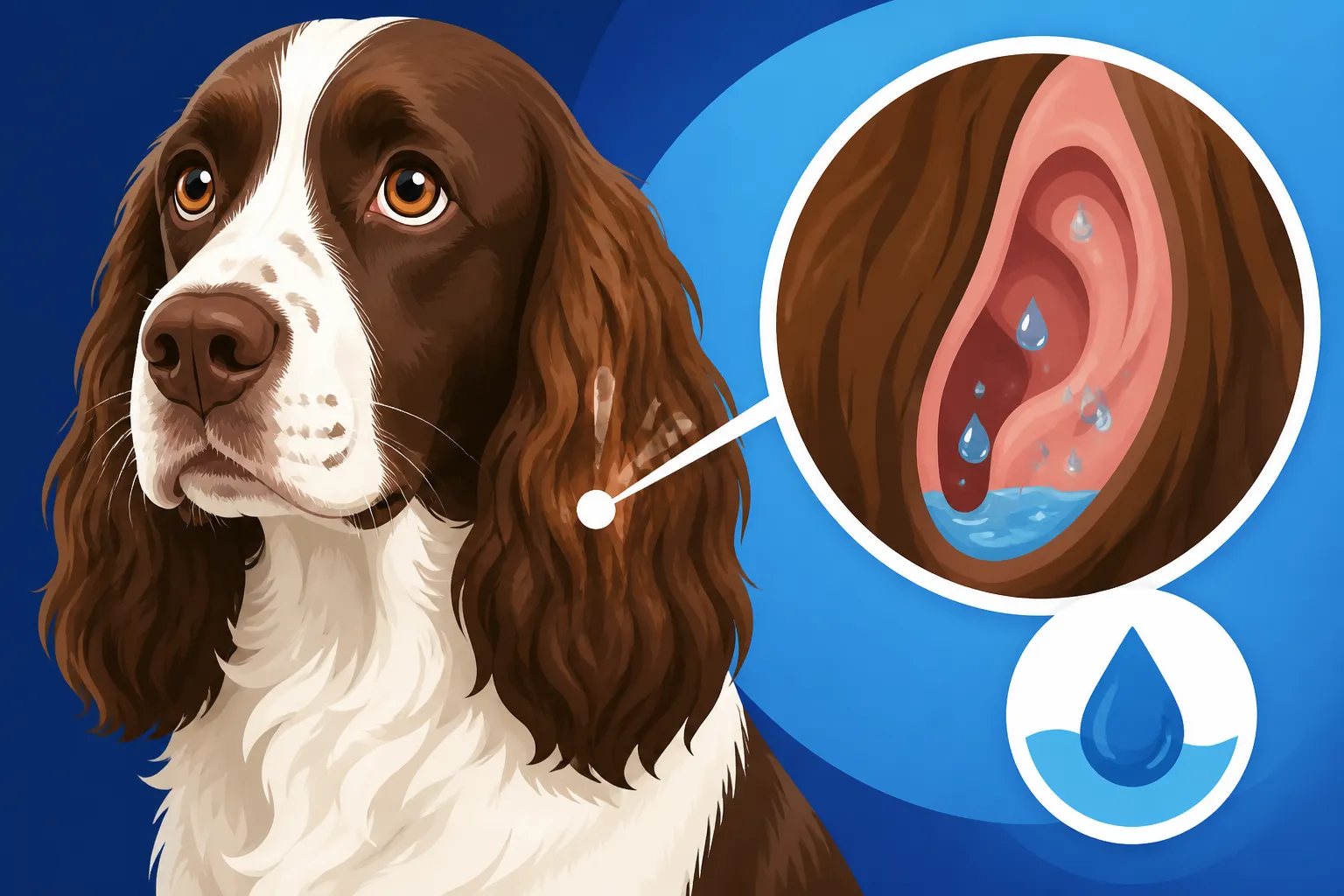
The most obvious characteristic of a Springer Spaniel's ear is its pendulous pinna – the scientific term for the floppy ear flap itself. Unlike dogs with upright ears, like German Shepherds or Huskies, where air circulates freely, the Springer's ear flap lies flat against the side of the head. This effectively seals off the ear canal from the outside world. Think of it like a lid on a pot, keeping everything warm and moist inside.
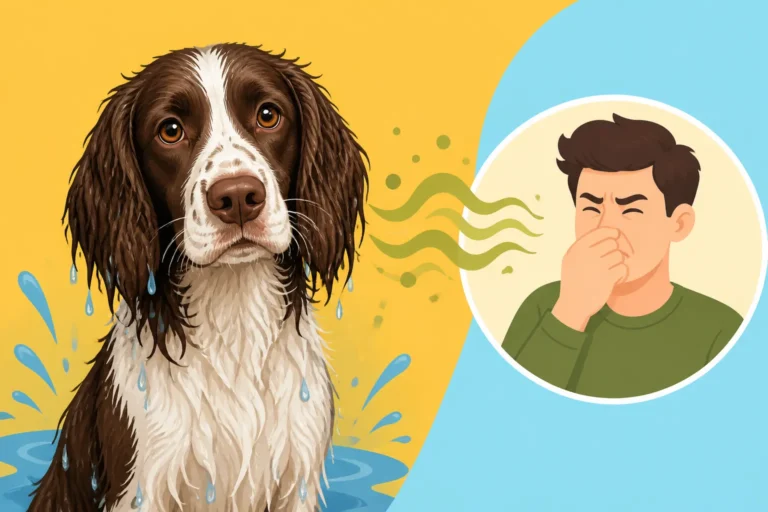
This natural barrier dramatically reduces air circulation, which is crucial for evaporating moisture. When your Springer runs through wet grass, takes a dip in a pond, or even just gets a vigorous bath, that moisture has nowhere to go. It sits, stagnates, and creates a humid, warm environment that is prime territory for microbial growth. It's a design feature that's charming to look at but a perpetual challenge for ear health.
Hair Growth Within the Ear Canal: An Unseen Barrier
Beyond the floppy outer ear, many Springer Spaniels also have a significant amount of hair growing inside their ear canals. This might seem counterintuitive – wouldn't more hair keep things drier? In reality, this internal hair acts like a thick carpet, trapping even more moisture, debris, and wax within the ear. It becomes incredibly difficult for any trapped water to dry out when it's caught amongst a dense thicket of hair.
This dense internal hair also impedes the natural migration of ear wax and debris out of the ear canal. Normally, ear wax works its way out, carrying with it dirt and dead skin cells. But with thick hair, this process is disrupted, leading to a build-up of material that further contributes to a moist, nutrient-rich environment for bacteria and yeast. This is often where a trip to the groomer or vet for a discussion about Whether Ear Hair Should Be Plucked on a Springer Spaniel comes into play.
The L-Shaped Canal: A Design Challenge
If the pendulous pinna and internal hair weren't enough, the structure of the canine ear canal itself adds another layer of complexity. Unlike the straight, horizontal ear canal of humans, a dog's ear canal is L-shaped. It starts vertically and then takes a sharp right-angle turn horizontally towards the eardrum. This anatomical quirk means that even if air could get past the ear flap and through the hair, any fluid or debris would have to fight gravity and navigate a sharp bend to exit the ear.
This L-shape effectively creates a sump or collection point for any liquids that enter the ear. Water, cleaning solutions, and even normal ear secretions can pool in that horizontal section, making it extremely difficult to drain naturally. It's like trying to drain a sink with a kinked pipe; the water just sits there, inviting trouble. This is a fundamental reason Why a Drop Ear Traps Moisture in a Springer Spaniel is such a persistent issue.
The Direct Link Between Moisture and Ear Infections
The constant presence of moisture inside your Springer Spaniel's ear isn't just uncomfortable for them; it's a direct invitation for troublesome microorganisms to set up shop. This damp, dark, and warm environment is precisely what yeast and certain bacteria need to thrive, turning a mild irritation into a full-blown, painful infection.
The Perfect Breeding Ground for Pathogens
Imagine a humid, poorly ventilated room – that's essentially what the inside of a Springer's ear becomes when moisture is trapped. This creates an anaerobic (low oxygen) environment that is particularly favorable for the growth of certain types of bacteria and yeast. These opportunistic pathogens are often naturally present in small numbers on healthy skin, but they explode in population when conditions become ideal.
The lack of air circulation means that any tiny amount of water, whether from a swim, bath, or simply condensation, lingers for hours, sometimes even days. This sustained dampness softens the skin lining the ear canal, making it more vulnerable to irritation and invasion by these microorganisms. The natural protective barrier of the skin breaks down, paving the way for infection.
The Vicious Cycle of Inflammation and Infection
Once yeast or bacteria begin to multiply, they trigger an inflammatory response from your dog's immune system. This inflammation causes the tissues lining the ear canal to swell, further narrowing the already constricted L-shaped passage. This narrowing traps even more moisture and debris, creating an even better environment for the pathogens to grow. It's a truly frustrating and painful feedback loop.
This swelling and irritation also lead to increased wax production as the body tries to protect itself. This excess wax, combined with pus and discharge from the infection, becomes a thick, sticky mess that further clogs the ear, making it even harder for medication to penetrate and for the ear to air out. This is why addressing the initial moisture issue is so critical, rather than waiting for obvious symptoms to appear. The longer it goes, the harder it is to break the cycle.
Common Culprits: Yeast and Bacteria
When we talk about ear infections in Springer Spaniels, we're typically referring to overgrowths of two main types of organisms: yeast and bacteria. Often, both are present, leading to a mixed infection that can be more challenging to treat.
- Yeast (Malassezia): This is a very common fungal organism found on healthy canine skin. In a moist, warm environment, it can quickly proliferate, leading to an infection characterized by a distinctive sweet, musty, or "yeasty" odor, often with brownish discharge. Your dog might also experience intense itching, causing them to scratch and shake their head furiously.
- Bacteria: Several types of bacteria can cause ear infections, with Staphylococcus and Pseudomonas being among the most common. Bacterial infections often produce a yellowish or greenish discharge, can be very painful, and might have a strong, foul odor. Pseudomonas infections, in particular, can be notoriously difficult to clear, sometimes requiring specific and prolonged treatment. Understanding these common culprits helps your vet pinpoint the best course of action when your Springer shows Signs a Springer Spaniel's Ear Has Gone Wrong.
Lifestyle and Environmental Factors Exacerbating Moisture Issues
While the Springer Spaniel's ear anatomy lays the groundwork for moisture retention, several aspects of their lifestyle and environment can turn a predisposition into a persistent problem. Our active, water-loving companions are often unknowingly putting themselves at higher risk for ear woes.
Swimming and Water Exposure: A Springer's Delight, an Ear's Demise
It's almost impossible to own a Springer Spaniel and keep them out of water. They are natural water dogs, bred to retrieve game from ponds and streams. A day at the lake, a dip in the pool, or even running through dew-laden morning grass are all opportunities for water to seep into those deep, L-shaped ear canals, getting trapped by the floppy pinna and internal hair. For a Springer, water is often pure joy, but for their ears, it can be the beginning of a miserable saga.
After a swim, it's not enough to simply towel dry the outside of their ears. The water inside the canal will remain, sometimes for hours. This is why Drying a Springer Spaniel's Ears After Swimming is absolutely critical. Neglecting this step after every splash can lead to chronic dampness, setting the stage for recurring infections. The more often your Springer is exposed to water without proper drying afterwards, the higher the likelihood of developing problems.
Humidity and Seasonal Changes: Unseen Challenges
Even if your Springer isn't a dedicated swimmer, ambient humidity can play a significant role. In climates with high humidity, especially during warmer months, the air itself can contribute to a damp environment within the ear. This is particularly true for dogs who spend a lot of time outdoors or in areas with poor air circulation.
Seasonal changes can also bring different challenges. Spring and summer often mean higher temperatures and humidity, which are perfect for pathogen growth. Additionally, pollen counts are higher, and many dogs with environmental allergies experience flare-ups, which can manifest as ear inflammation and itching, further complicating moisture issues. Even simply walking through tall, wet grass can introduce water and irritants into the ears.
Allergies as an Underlying Factor for Ear Health
This is a big one, and often overlooked by owners focusing solely on topical ear care. Many Springer Spaniels are prone to allergies – environmental allergies (atopy) or food allergies. When a dog has allergies, one of the most common ways they manifest is through skin inflammation and itching, and the ears are a prime target.
Allergies cause the skin inside the ear canal to become inflamed, itchy, and often produce excessive wax and moisture. This creates an ideal environment for yeast and bacteria to proliferate, even without direct water exposure. A dog suffering from allergies might scratch and shake their head more, which can cause further trauma and inflammation, making the ears even more susceptible to infection. If your Springer Spaniel experiences frequent ear infections, especially if they are bilateral (in both ears) or accompanied by skin issues elsewhere on the body, it's highly probable that allergies are playing a role. Understanding Whether a Springer Spaniel's Ear Infection Is Allergy Driven is key to long-term ear health.
Proactive Care Strategies to Combat Ear Moisture
Given all these challenges, it might feel like your Springer Spaniel's ears are doomed to a life of perpetual trouble. But that's simply not true! With a consistent and proactive care routine, you can significantly reduce the risk of moisture-related ear problems. It's about being vigilant and understanding the specific needs of those beautiful, floppy ears.
Regular Cleaning and Drying Routines
The cornerstone of healthy Springer Spaniel ears is a regular cleaning and drying regimen. This isn't about deep-cleaning an infected ear; it's about preventative maintenance to keep moisture, wax, and debris from building up in the first place.
- Frequency: For most Springer Spaniels, checking their ears daily and performing a gentle cleaning once or twice a week is a good starting point. If your dog swims frequently or lives in a very humid environment, you might need to increase this. Look for products specifically designed for routine cleaning, often available on platforms like Chewy or Amazon.
- Cleaning Technique: Use a veterinary-approved ear cleaner. Apply the cleaner directly into the ear canal until it's full (don't worry, the L-shape prevents it from reaching the eardrum). Gently massage the base of the ear for 20-30 seconds to help break up wax and debris. Allow your dog to shake their head – this helps dislodge the gunk. Then, use a cotton ball or soft gauze wrapped around your finger to wipe out the visible outer parts of the ear. Never use cotton swabs inside the ear canal, as this can push debris further in and potentially damage the eardrum. For more detailed advice, read How Often a Drop Eared Springer Spaniel Needs Cleaning.
- Drying: This is paramount, especially after baths or swimming. After cleaning, use dry cotton balls to absorb as much moisture as possible from the outer ear and the opening of the canal. You can also use a small, pea-sized amount of an ear-drying solution specifically made for dogs. Some owners even use a low-setting hairdryer (held far away and cautiously) to gently air out the ears. The goal is to ensure the canal is as dry as possible.
Strategic Grooming: When to Trim, When to Pluck
Managing the hair within and around the ear canal is another vital component of proactive care. The thick hair that contributes to moisture trapping can be managed through careful grooming.
- Trimming: For many Springer Spaniels, simply trimming the hair around the opening of the ear canal and on the underside of the ear flap can improve air circulation. Use blunt-nosed scissors or small clippers to carefully shorten any long feathering that might be contributing to a dense mat over the ear canal opening. This doesn't involve going deep into the canal, but rather tidying the perimeter.
- Plucking: This is a more contentious topic and should always be discussed with your veterinarian or a professional groomer. Some vets recommend carefully plucking hair from inside the ear canal for dogs with excessive internal growth, as this can dramatically improve ventilation and reduce moisture retention. However, if done incorrectly, plucking can cause micro-traumas to the delicate skin, leading to inflammation and actually increasing the risk of infection. Your vet can show you the proper technique or perform it themselves, determining if Whether Ear Hair Should Be Plucked on a Springer Spaniel is right for your dog.
Nutritional Support and Allergy Management
Beyond topical care, a holistic approach to your Springer Spaniel's health can significantly impact ear well-being, especially if allergies are involved. Diet and overall wellness play a critical role.
- High-Quality Diet: Feeding a high-quality, balanced diet provides essential nutrients that support a healthy immune system and skin barrier. Some dogs with food sensitivities may benefit from a limited ingredient diet or a novel protein diet to reduce allergic reactions that manifest as ear inflammation. Brands like Ollie, known for fresh food, or specific hypoallergenic kibble options found on Chewy, might be considered after veterinary consultation.
- Allergy Management: If your vet suspects allergies, managing them is crucial for ear health. This could involve allergy medications, immunotherapy (allergy shots), or environmental controls to reduce exposure to allergens. Addressing the root cause of the inflammation will make your topical ear care much more effective and reduce the frequency of infections. Without tackling the underlying allergy, you're often just treating symptoms, and the infections will keep coming back.
Recognizing Trouble: Signs of a Developing Ear Problem
Even with the most diligent preventative care, Springer Spaniels can still develop ear issues. The key is to catch them early, before they escalate into painful, chronic infections. Being attuned to your dog's behavior and performing regular visual and olfactory checks can make all the difference.
Behavioral Cues and Visible Symptoms
Your Springer Spaniel can't tell you their ear hurts, so it's up to you to be a detective. Any change in their normal behavior, especially around their head and ears, warrants immediate investigation.
- Head Shaking and Ear Scratching: This is often the first and most obvious sign. If your dog is shaking their head more frequently or vigorously than usual, or constantly scratching at one or both ears with their paw, it's a clear indicator of discomfort or itchiness.
- Rubbing Ears: They might rub their ears against furniture, the carpet, or even your leg, trying to alleviate the irritation.
- Pain or Sensitivity: Your Springer might flinch, whimper, or snap if you try to touch their affected ear. They may even hold their head tilted to one side.
- Redness and Swelling: Gently lift the ear flap and look inside the visible part of the ear canal. Is the skin red, inflamed, or swollen? Does it look irritated compared to a healthy ear?
- Discharge: Check for any abnormal discharge. This could be waxy, dark brown, yellowish, or greenish, and might be thick or thin. The color and consistency can sometimes give clues about the type of infection (e.g., brown, waxy often points to yeast; yellow/green to bacteria).
- Heat: Feel the ear flap and the skin around the ear. Is it warmer than usual? Inflammation often causes increased warmth.
The Importance of a "Sniff Test"
Your nose is one of your most powerful tools when it comes to detecting ear problems in your Springer Spaniel. A healthy dog's ear should have little to no odor. When an infection starts brewing, however, it often produces a distinct smell.
- Yeast Infection Smell: This is typically described as sweet, musty, or "yeasty," sometimes akin to stale bread or dirty socks. It's often quite strong and pervasive.
- Bacterial Infection Smell: Bacterial infections can have a much fouler, pungent, or putrid odor. If you're smelling something truly unpleasant and rotten, it's a strong sign of bacterial overgrowth.
Don't underestimate the power of a quick sniff test every few days, especially after activities that might introduce moisture. It's often the earliest indicator that something is amiss, sometimes even before visible discharge or persistent scratching begins.
When a Home Remedy Isn't Enough: Seeking Veterinary Advice
While proactive cleaning and drying are essential, once a full-blown infection sets in, home remedies are rarely sufficient and can sometimes make things worse. This is when your veterinarian needs to step in.
- Prompt Consultation: Don't delay a vet visit if you suspect an ear infection. Untreated or improperly treated ear infections can become chronic, deeply painful, and in severe cases, even lead to hearing loss or damage to the eardrum.
- Accurate Diagnosis: Your vet will use an otoscope to look deep into the ear canal, checking for foreign bodies, damage to the eardrum, and the extent of the inflammation. They will also take a swab of the ear discharge for a cytology test. This involves examining the sample under a microscope to identify whether yeast, bacteria (and which types), or mites are present. This crucial step guides the choice of medication.
- Targeted Treatment: Based on the diagnosis, your vet will prescribe appropriate ear drops (which may contain antibiotics, antifungals, anti-inflammatories, or a combination) and possibly oral medications if the infection is severe or chronic. They will also provide detailed instructions on how to administer the medication and clean the ear. Remember that What Treating a Springer Spaniel's Ear Infection Costs can add up, so preventative care is truly an investment.
Regular vigilance, understanding the unique challenges of your Springer's ears, and a commitment to consistent care are your best defense against ear infections. It may seem like a lot of work, but keeping those ears healthy means a happier, more comfortable life for your beloved companion.
| Aspect of Ear Care | Key Action for Springer Spaniels | Why It's Important | Recommended Frequency |
|---|---|---|---|
| Cleaning | Use vet-approved solution, massage, wipe external ear. | Removes wax, debris, and surface moisture. | 1-2 times per week; more after swimming. |
| Drying | Cotton balls, drying solution, gentle hairdryer (low setting). | Essential after any water exposure to prevent pathogen growth. | Immediately after swimming/baths; daily if in humid climate. |
| Grooming | Trim hair around ear canal opening; discuss plucking internal hair with vet. | Improves air circulation, reduces trapping of debris. | As needed, typically monthly or bi-monthly. |
| Monitoring | Daily visual check, "sniff test," observe behavior. | Early detection is key to preventing severe infections. | Daily. |
| Veterinary Visits | Promptly for any signs of infection; routine check-ups. | Accurate diagnosis and targeted treatment; preventative advice. | Annually for check-ups; immediately for symptoms. |
Disclaimer
This article is for general informational purposes only and does not constitute professional advice. Laws, prices and regulations vary by location and change over time. Consult a qualified professional for guidance on your specific situation.